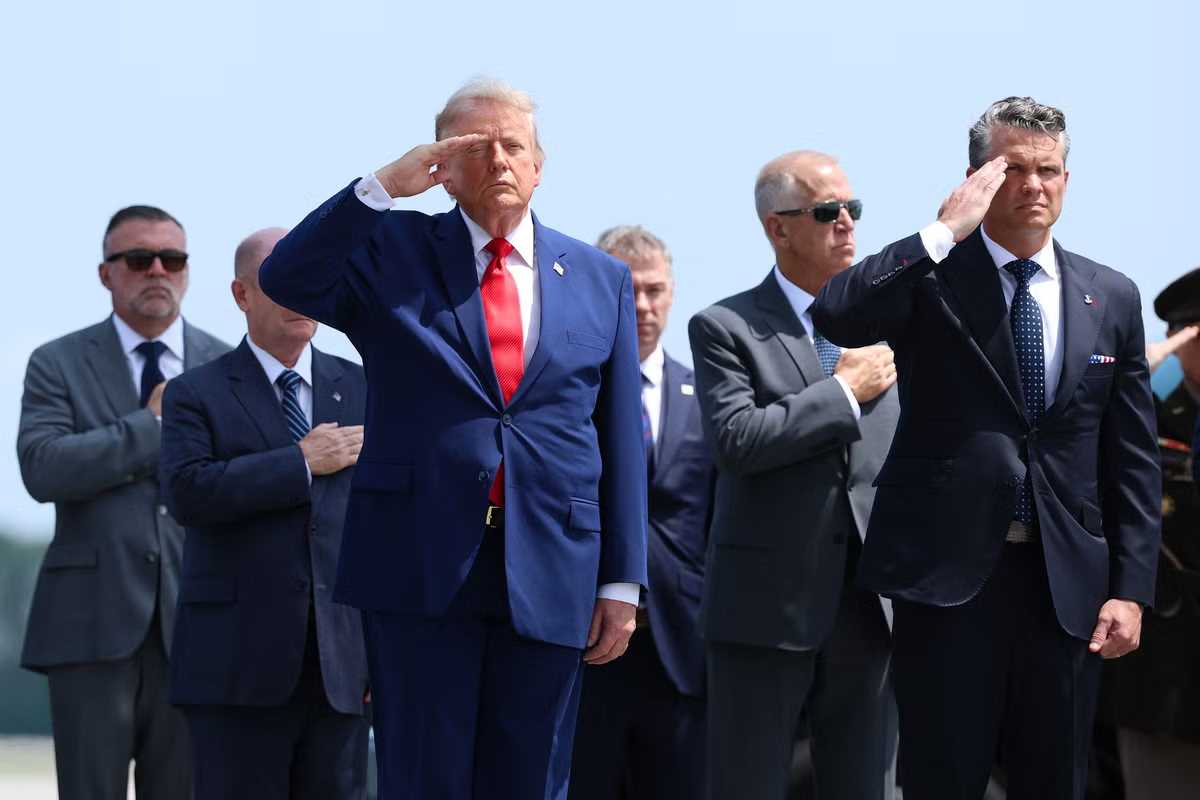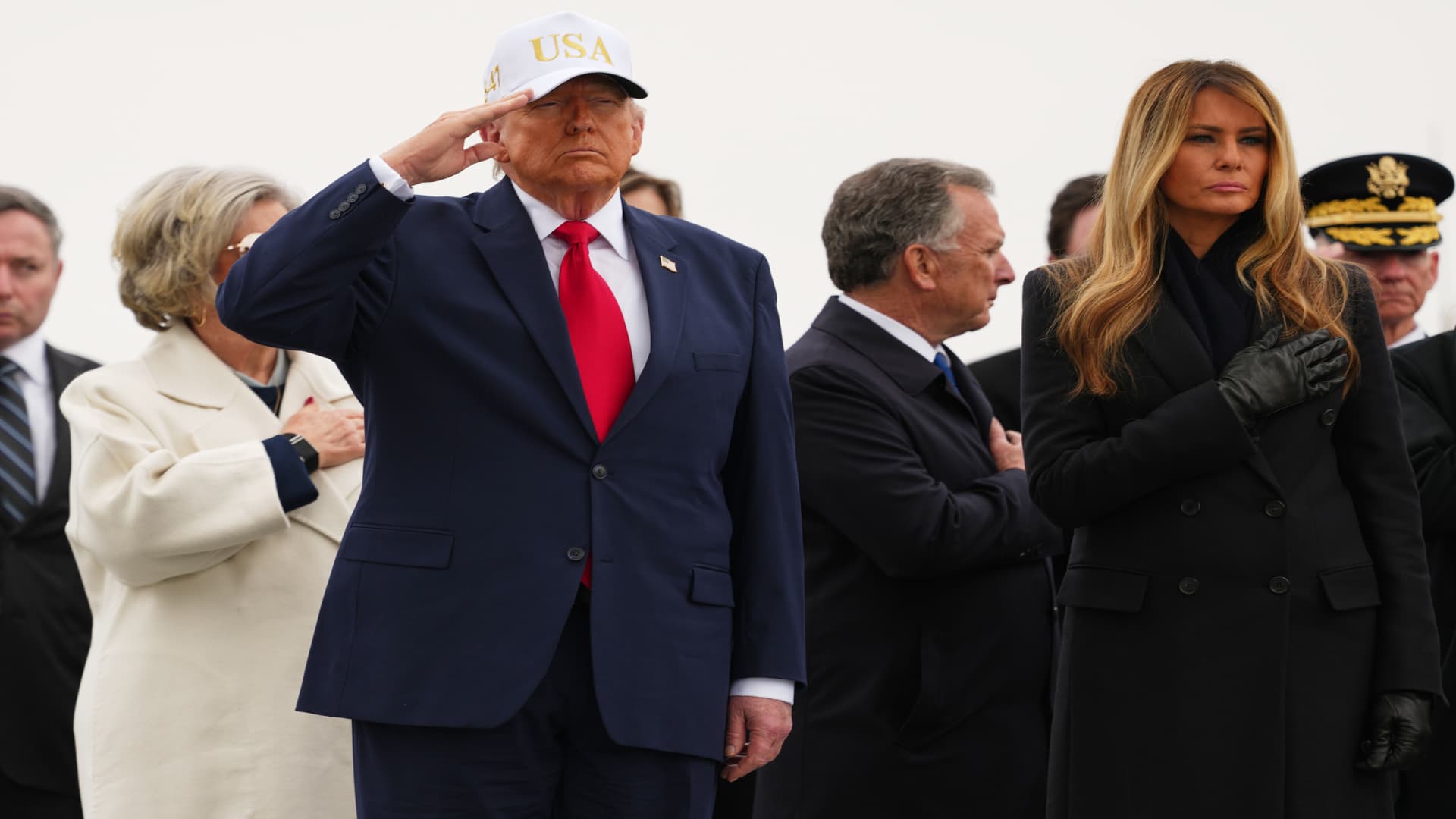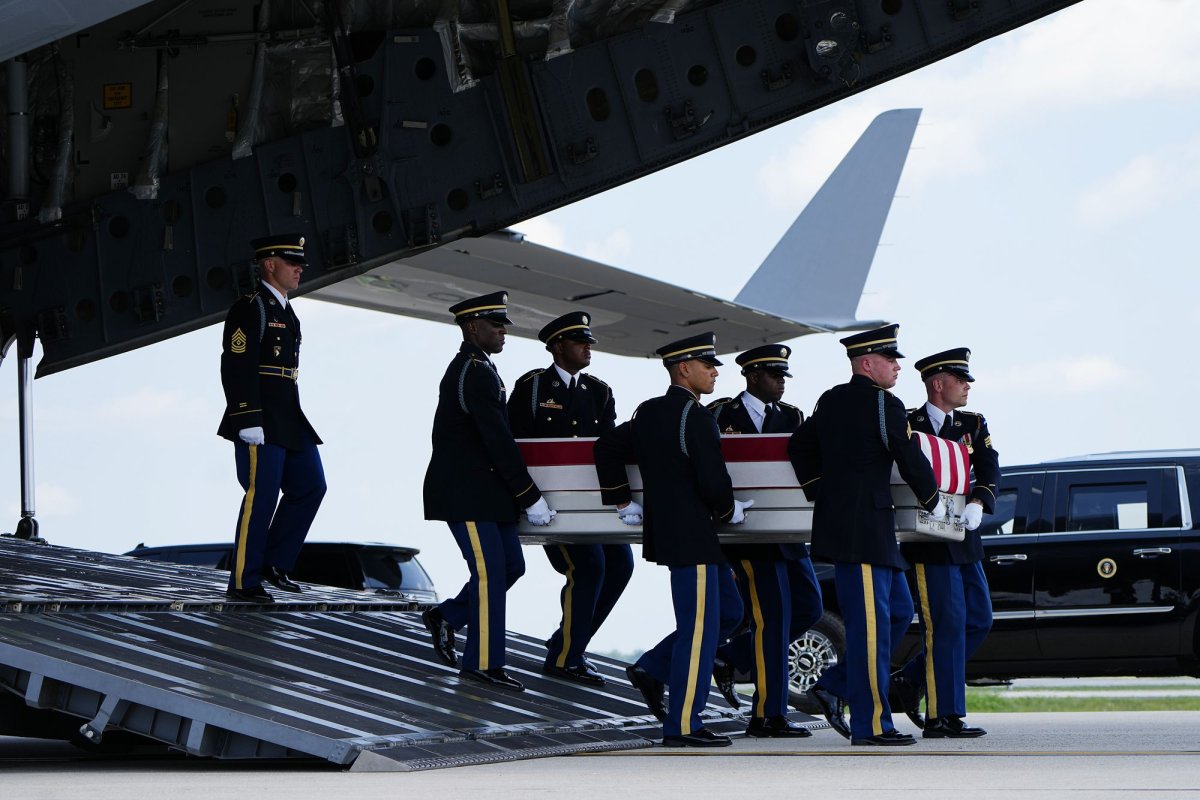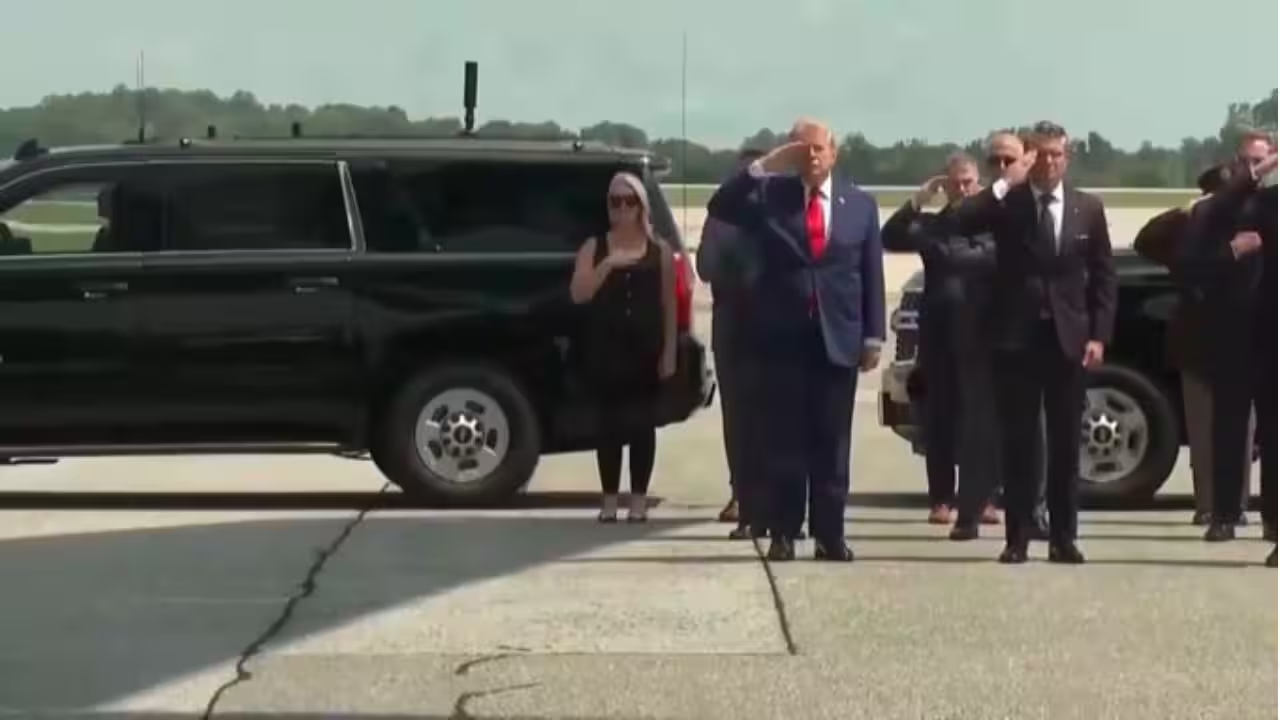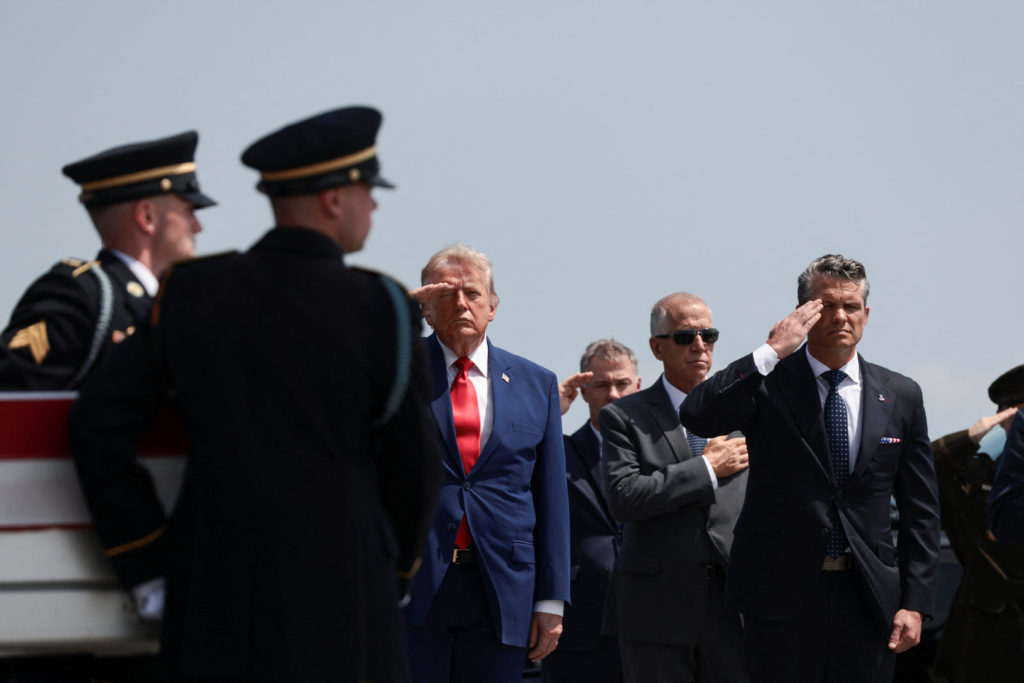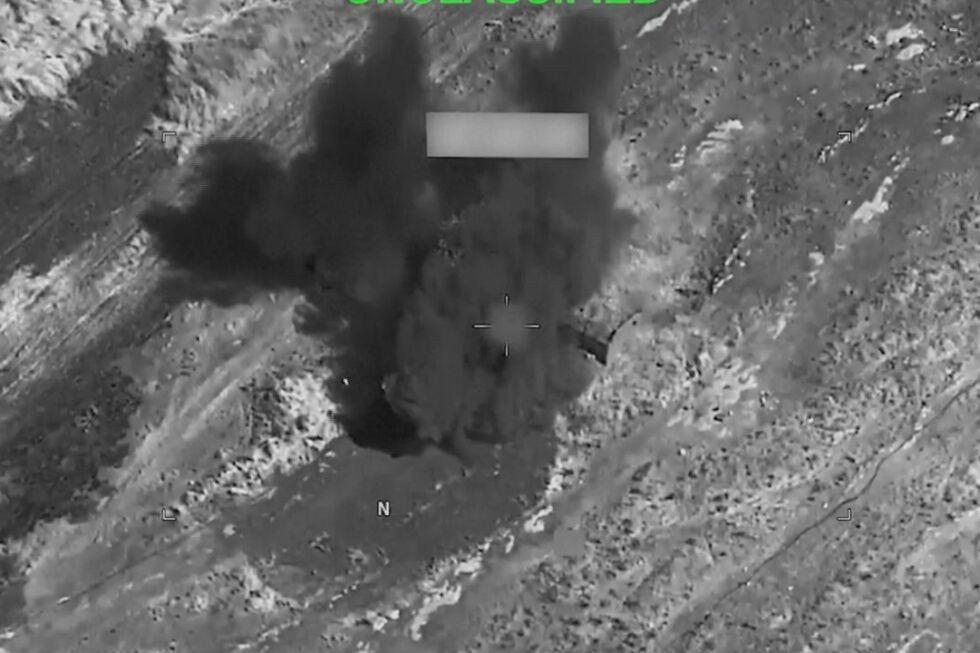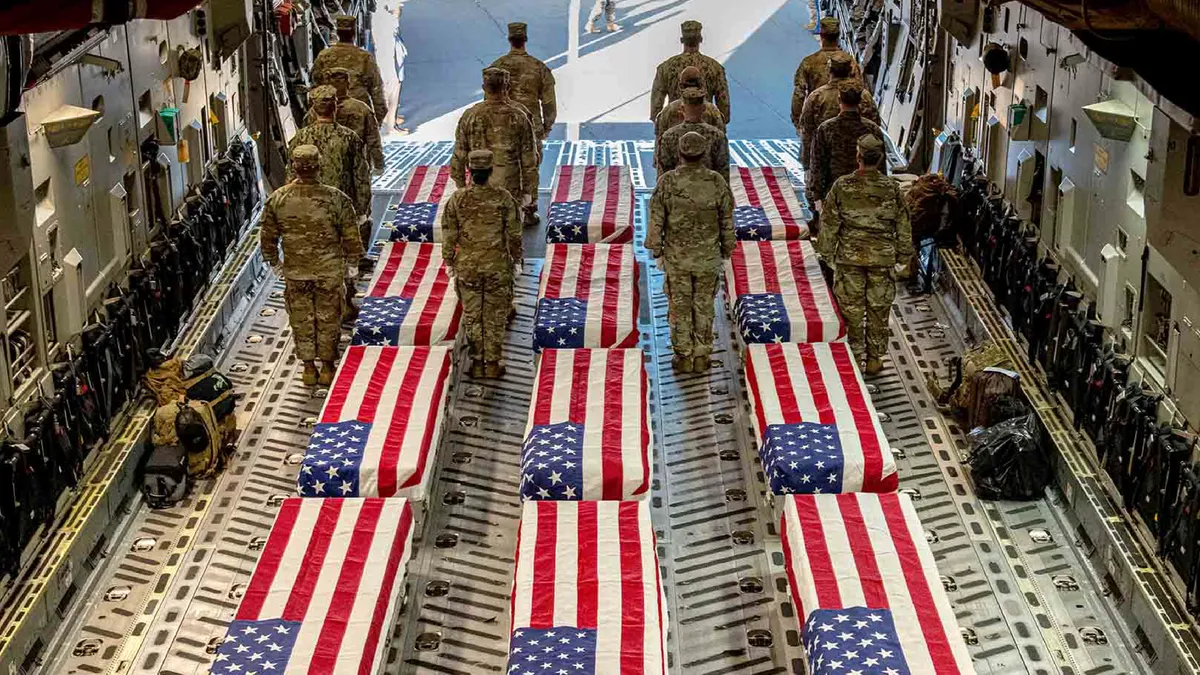
President Donald Trump attended the dignified transfer and met with families of four U.S. service members killed in the Middle East at a somber rite at Dover Air Force Base in Delaware on Wednesday morning.A dignified transfer – the return of a fallen service member to the United States – is among the most solemn proceedings of the U.S. military.At least 18 U.S. service members have died in the Iran war, which began Feb. 28. An estimated 500 have been wounded.The dignified transfer at Dover is the third one Trump has attended since the start of Operation Epic Fury, according to news reports. It’s the seventh Trump has attended during both of his presidential terms.Here is how a dignified transfer is conducted.Can't see our graphics? Click here to reload the page."For me, it's one of the hardest things to do as a president, but it has to be done," Trump told reporters as he left for Dover Air Force Base for the dignified transfer.It’s not a ‘ceremony’A dignified transfer is not a ceremony, according to Air Force Mortuary Affairs Operations.It’s considered “a solemn movement of the transfer case by a carry team composed of military personnel from the fallen member's respective service,” the organization says.Dignified transfers are conducted for every U.S. service member who dies in the theater of operations. A senior ranking officer of the fallen member's military branch presides over each dignified transfer. How are dignified transfers carried out?Defense Department policy mandates that fallen service members should be returned home as quickly as possible, AFMAO says.The return procedure usually begins with a route that “typically includes a stop at Ramstein Air Base, Germany,” AFMAO says.Ramstein Air Base, near Kaiserslautern in southwestern Germany, is about 80 miles southwest of Frankfurt. It’s a major U.S. airlift hub that serves as headquarters for the U.S. Air Force in Europe.It takes about 9 to 10 hours to fly from Ramstein AB to Dover AFB. After landing, a seven-member carry team from the fallen service member's military branch individually remove the flag-draped transfer case from the aircraft. The team puts it aboard a transfer vehicle.The vehicle takes the fallen to the base mortuary for positive identification and preparation for burial.Final burial decisions are made by a Person Authorized to Direct Disposition, a person designated by the service member.The policy governing media presence at dignified transfers was changed by Defense Secretary Robert Gates in February 2009. The revised policy lets families of service members decide whether to allow media coverage of the process at Dover.Contributing: Francesca Chambers, Joey GarrisonSource: USA TODAY Network reporting and research; Reuters; U.S. Central Command; Air Force Mortuary Affairs Operations
How dignified transfers bring home fallen US service members
Fallen service members are brought home by military flights to Dover Air Force Base. This is how the somber procedure is conducted.
443 words~2 min read