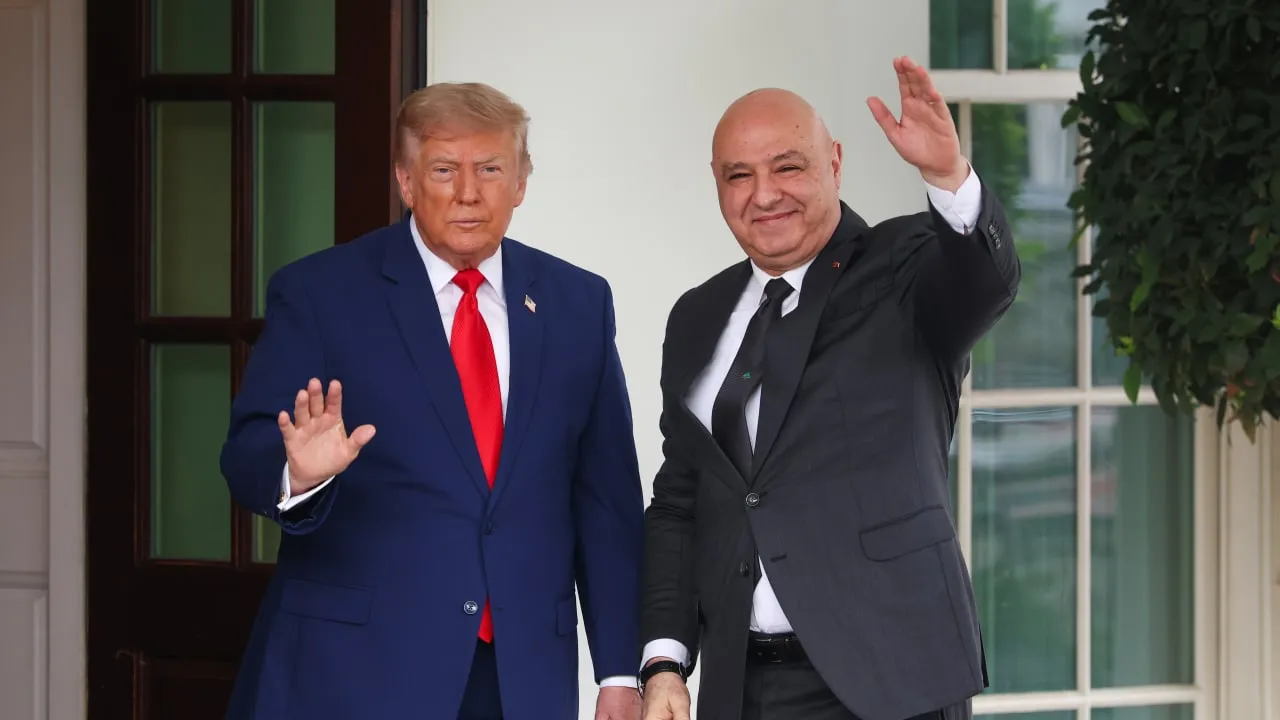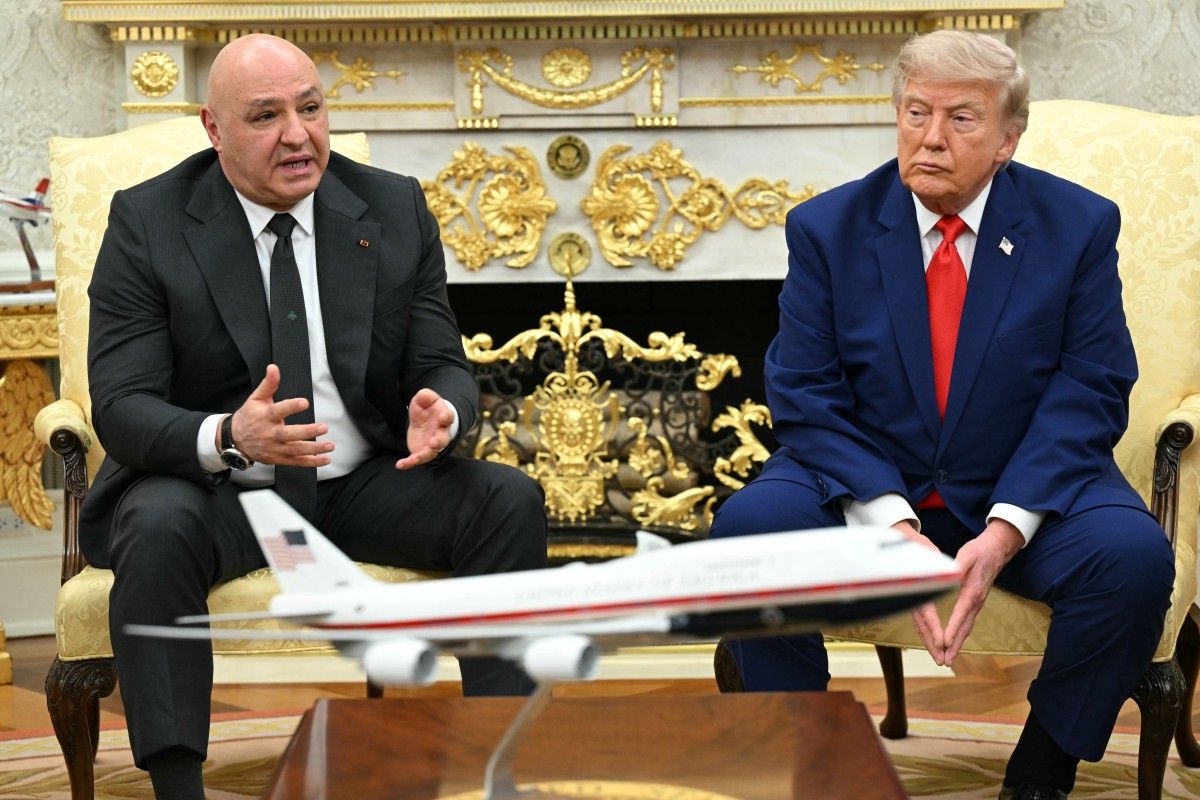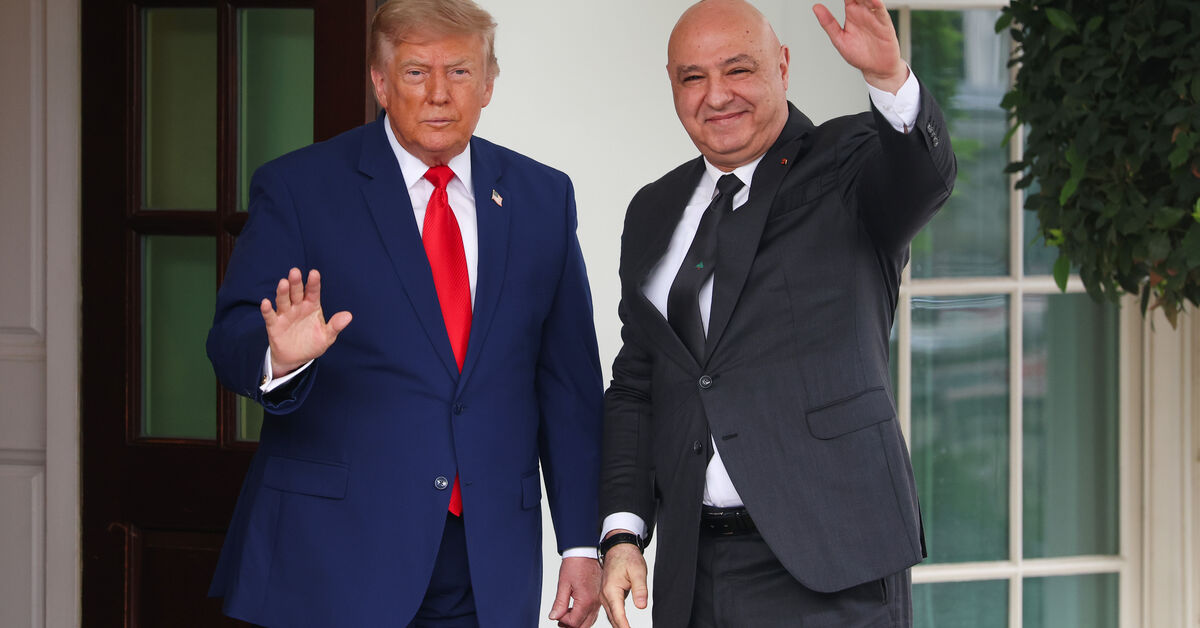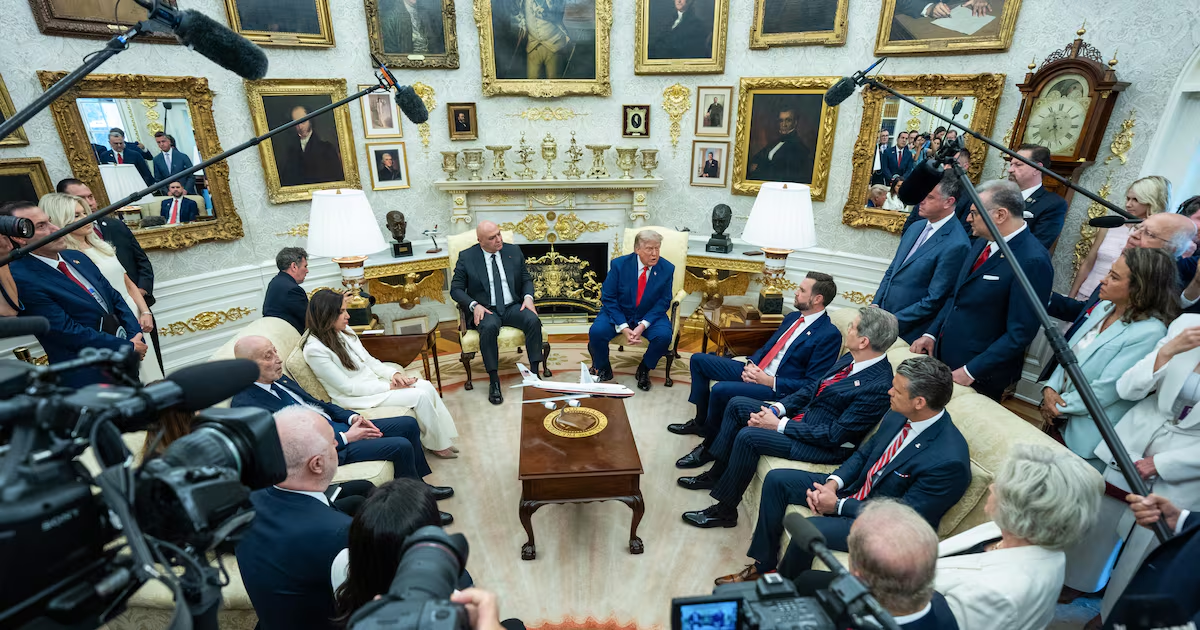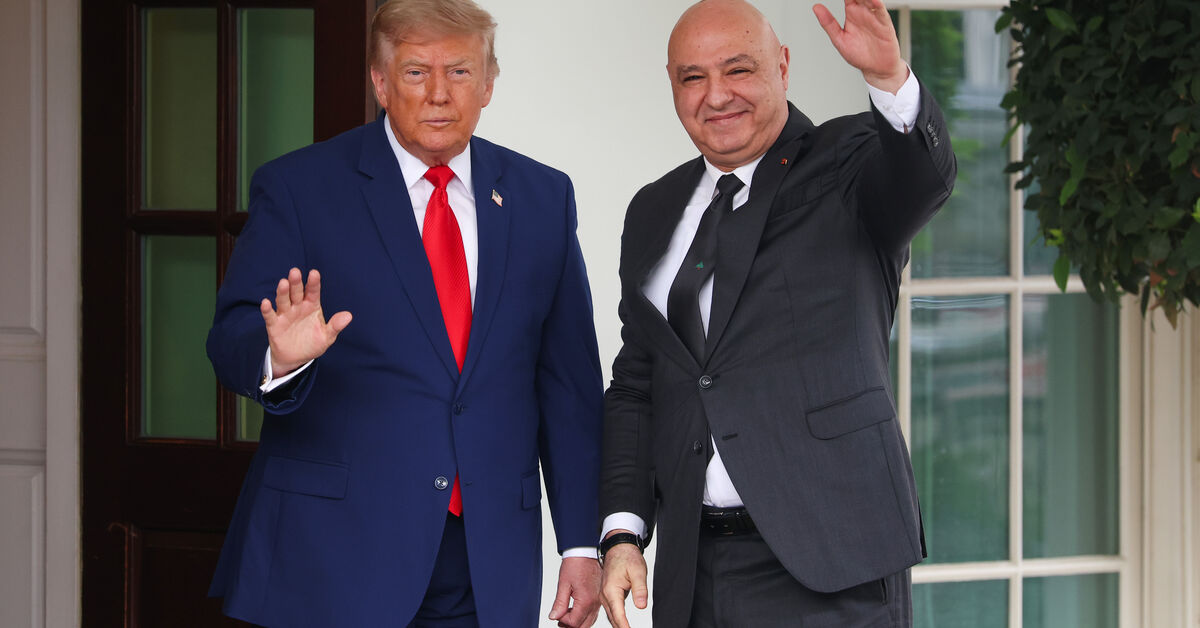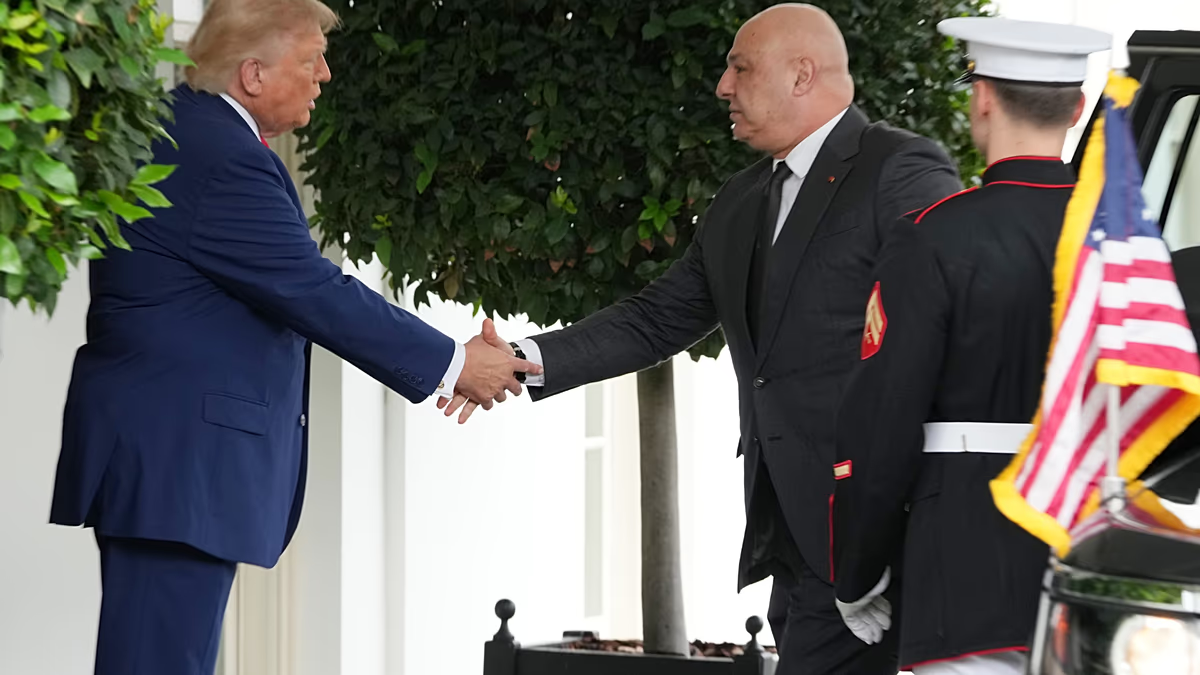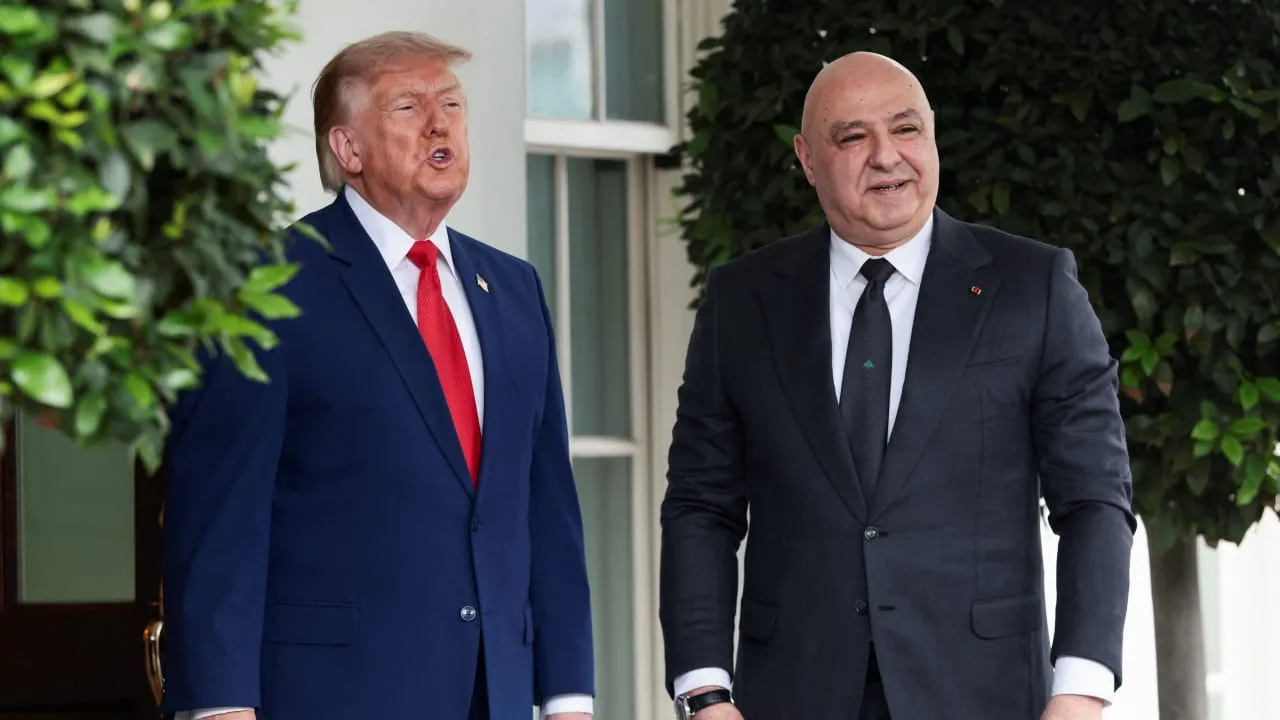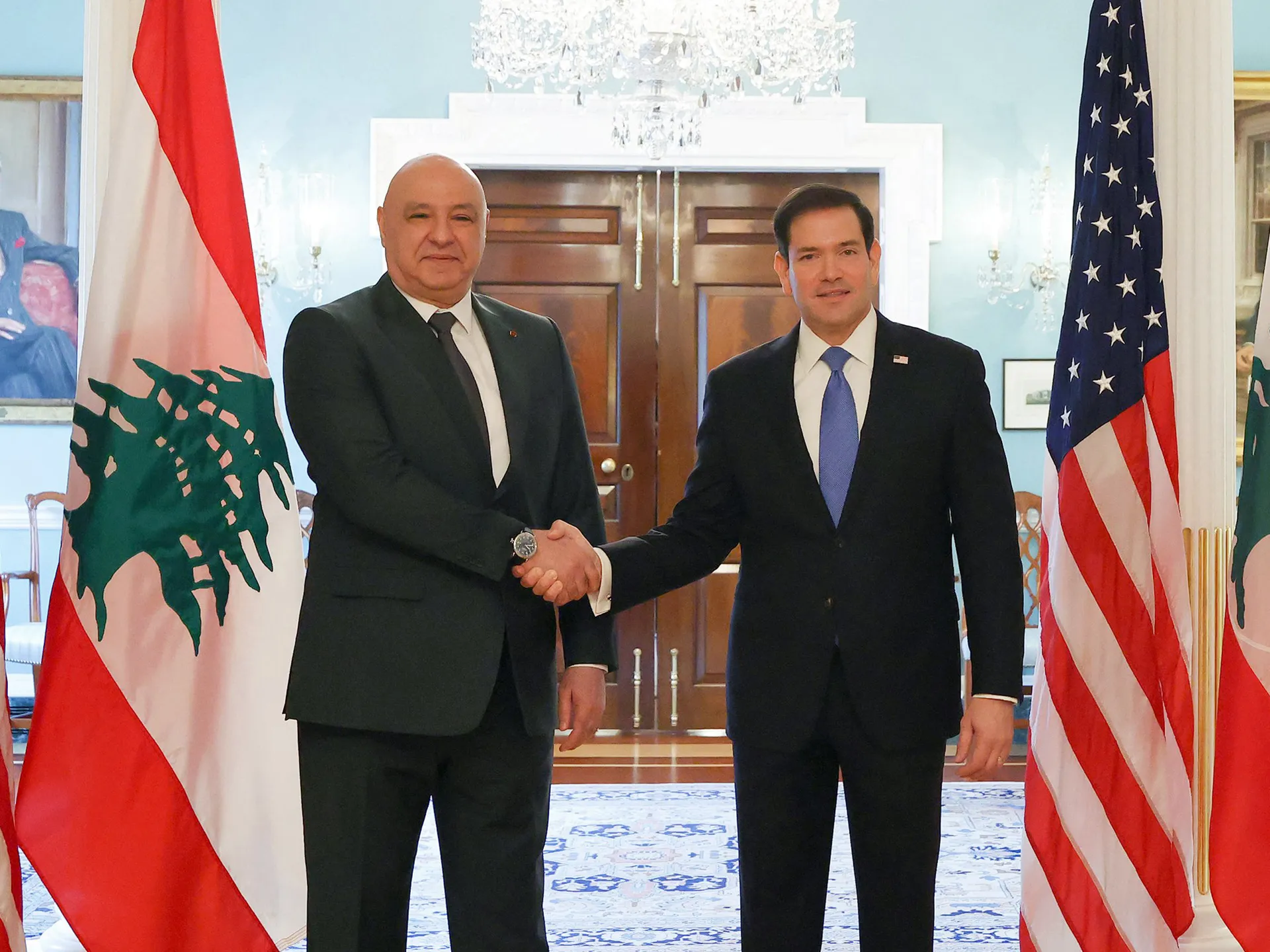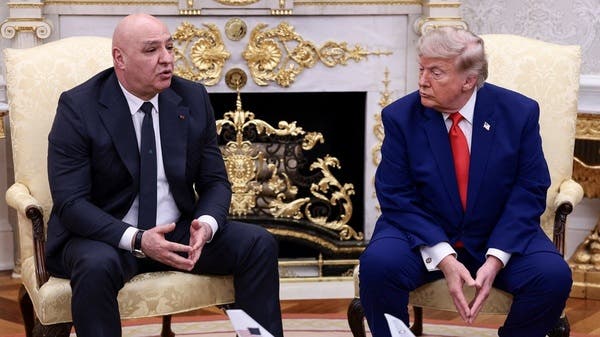
President Joseph Aoun’s July 21 meeting with President Donald Trump at the White House was important, but not because of the ceremonial photographs or diplomatic compliments. It was important because Lebanon, after years of being treated as either a battlefield or a humanitarian file, was once again addressed as a state capable of making decisions. Trump pledged substantial American support, discussed strengthening the Lebanese Armed Forces and announced that American airlines would be permitted to fly directly to Lebanon for the first time since 1985. Yet he offered no clear timetable for a complete Israeli withdrawal from Lebanese territory.
The Lebanese understandably celebrated the flight announcement. For a country with a vast American diaspora, direct service would reconnect families, encourage investment and reduce the exhausting journey through European or Gulf airports. But authorization is not the same as implementation. Before flights resume, American authorities must conduct an extensive security review of Beirut airport, and commercial airlines must decide that operating the route is safe. Several major American carriers have suspended service even to other destinations in the region because of security concerns.