view more
Image
Source Link: https://openverse.org/image/50092c26-d0b1-4888-86ef-bfee4549b81a?q=honey+bee&p=12
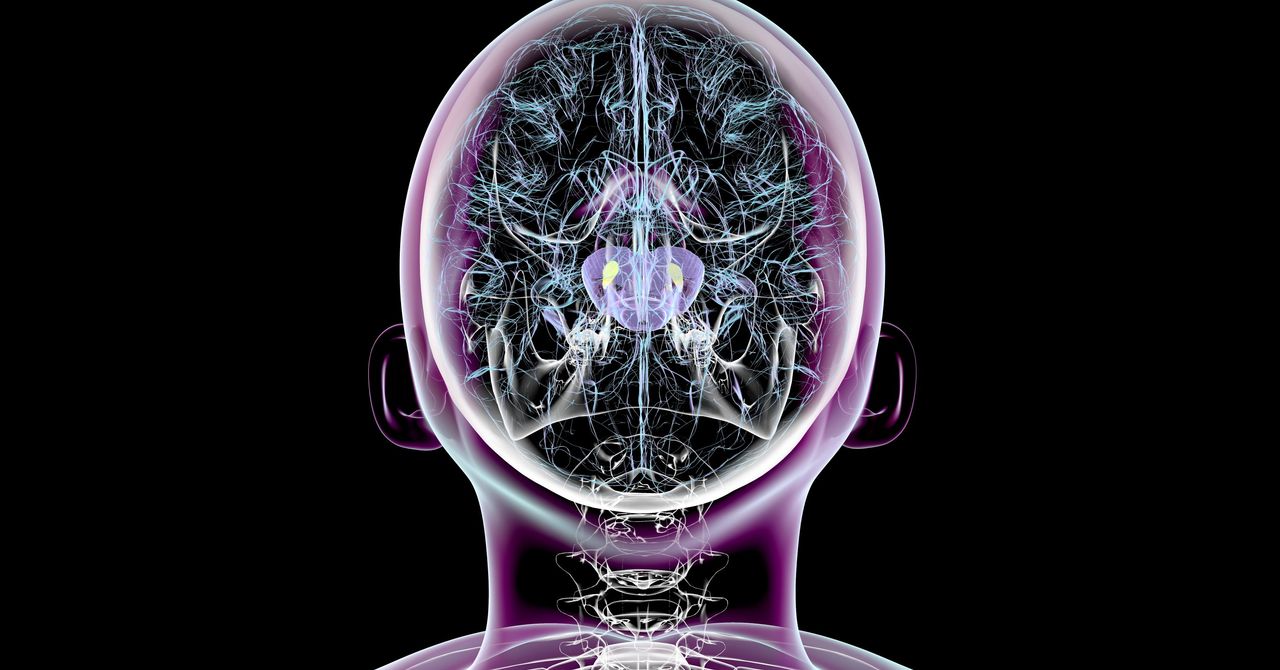
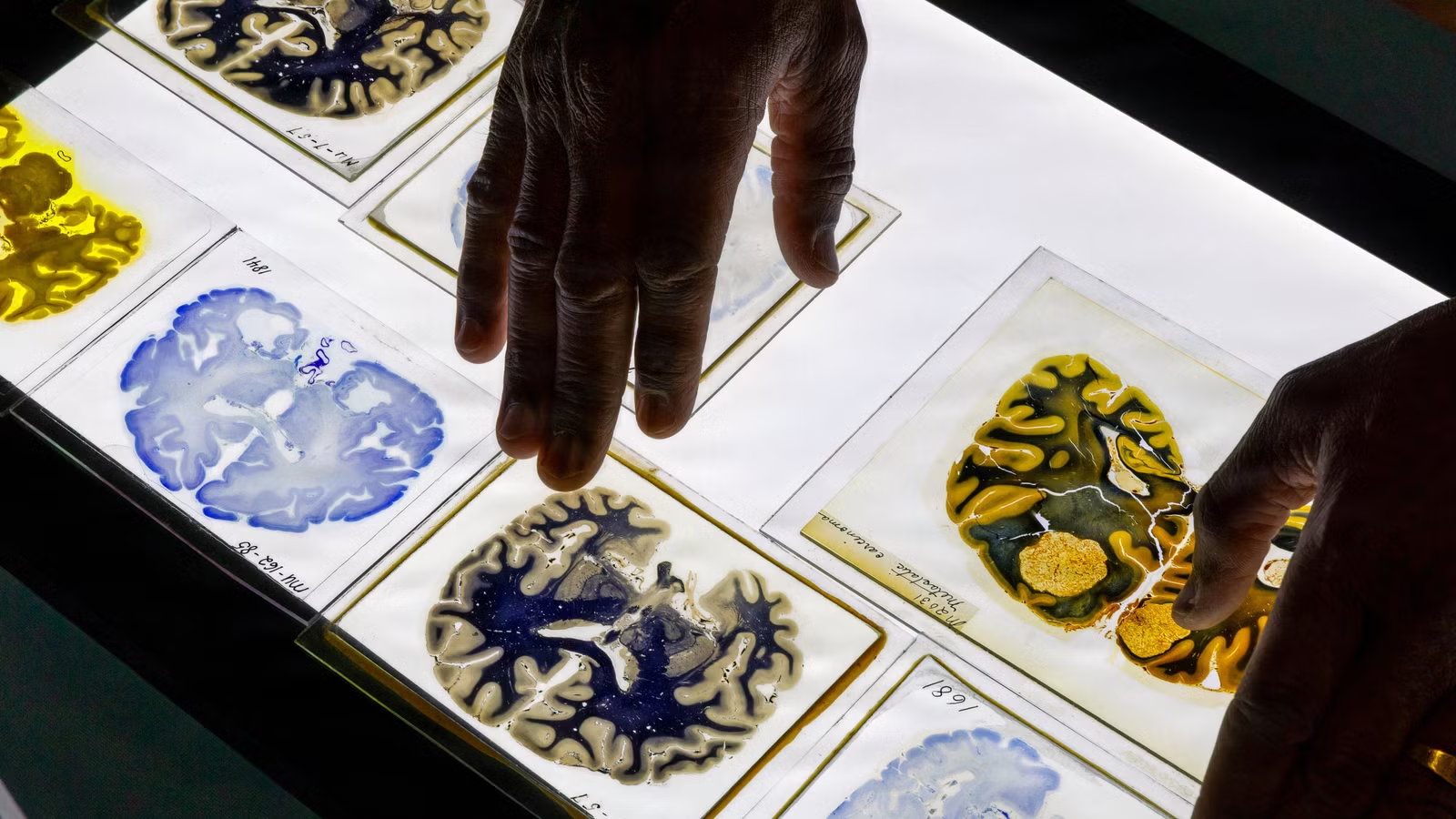
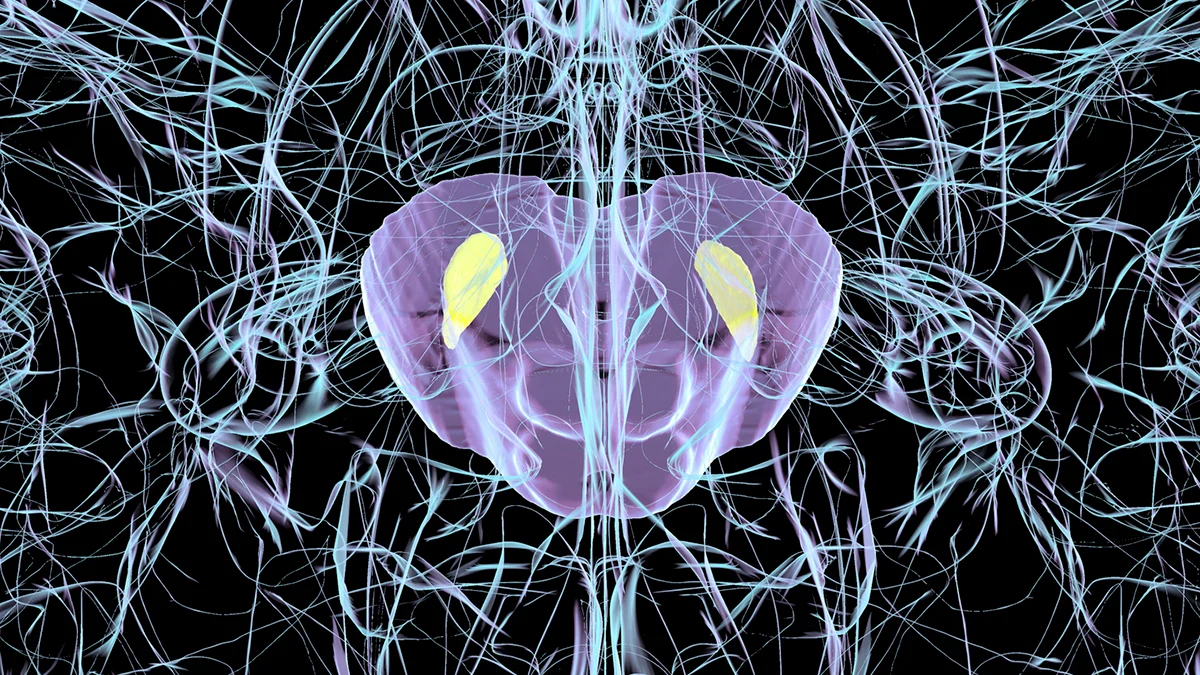
Parkinson’s disease (PD) is a progressive neurodegenerative disorder caused by the loss of dopamine-producing neurons, leading to motor symptoms such as tremors, rigidity, slowed movement, and impaired balance, as well as cognitive decline. Although current treatments help relieve symptoms, they cannot stop disease progression.
Levodopa (L-DOPA), given with carbidopa, remains the standard treatment for PD by restoring dopamine levels and improving motor function. However, its benefits often decline with long-term use, and complications such as motor fluctuations and dyskinesias may develop. These limitations have prompted the search for adjunct therapies that could improve treatment outcomes.