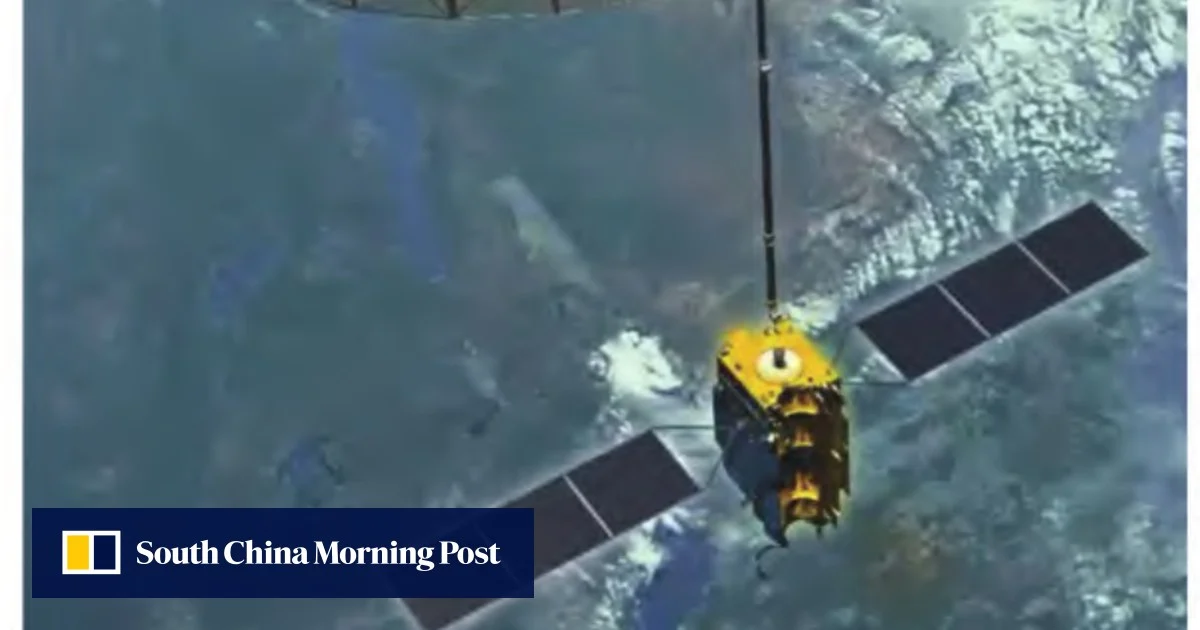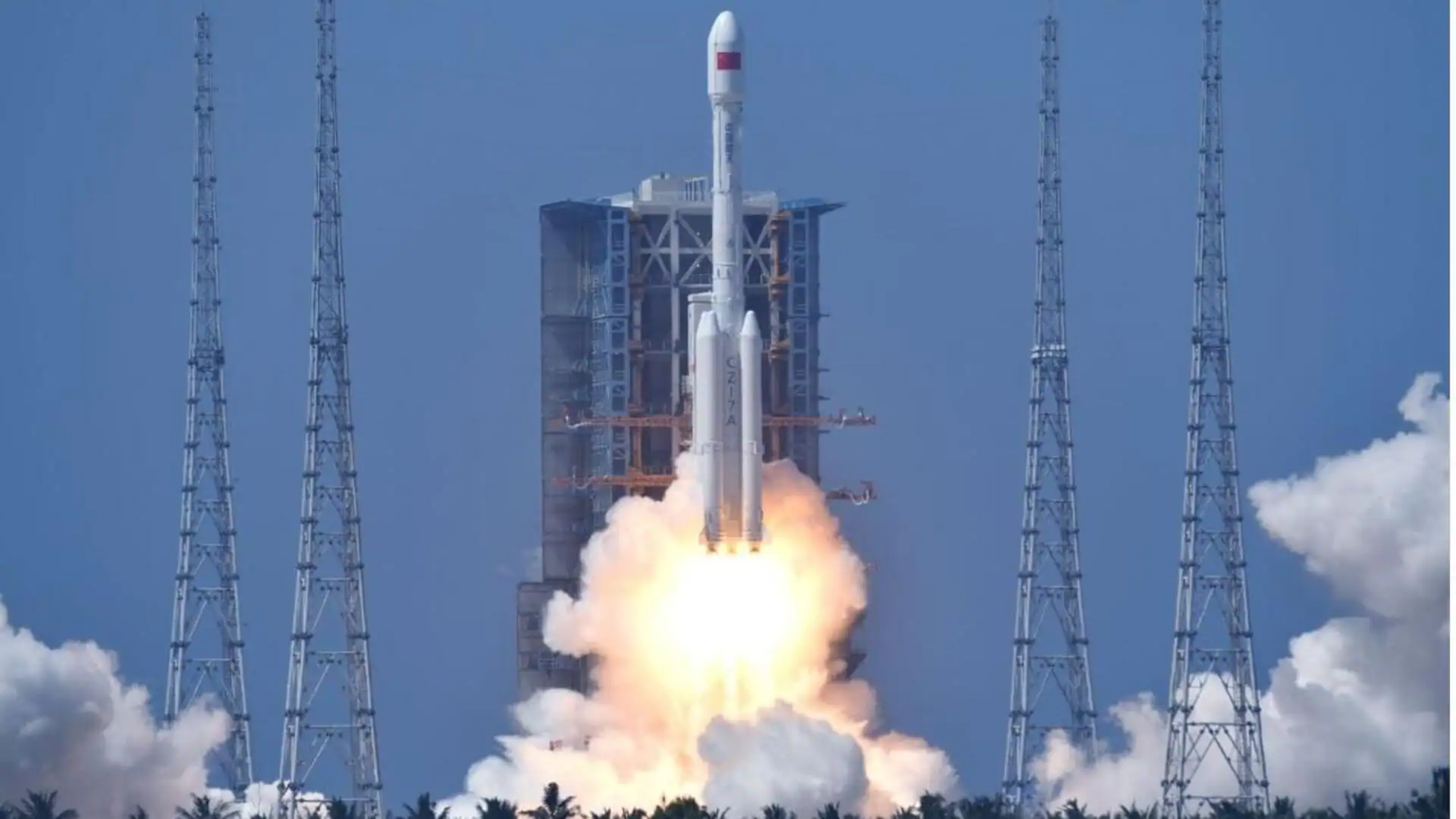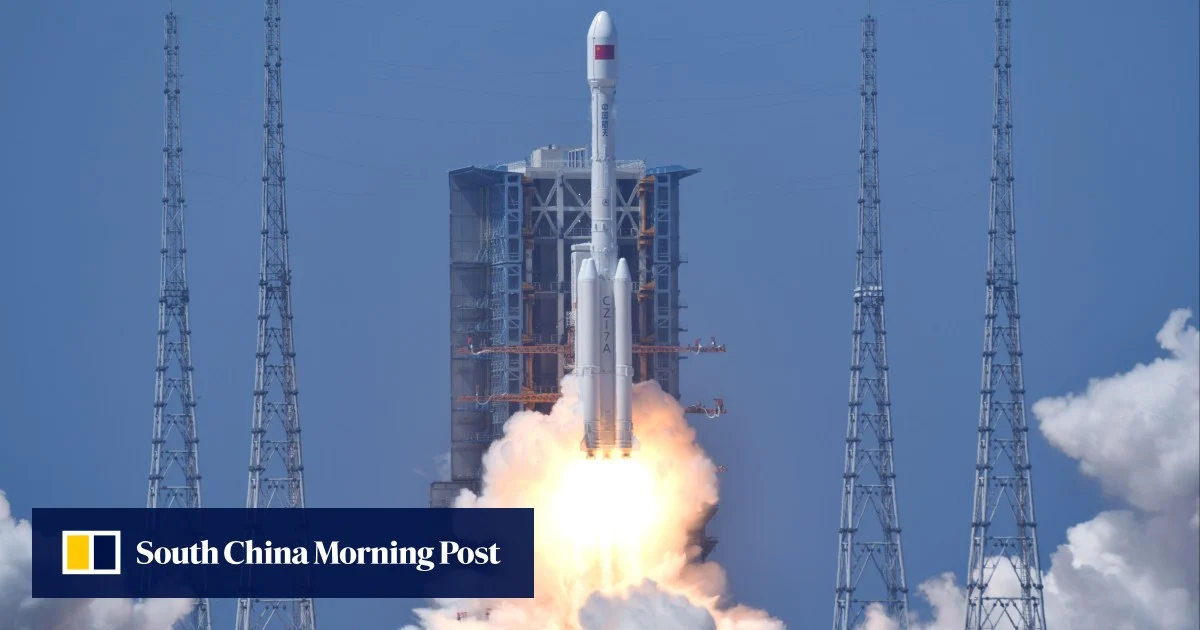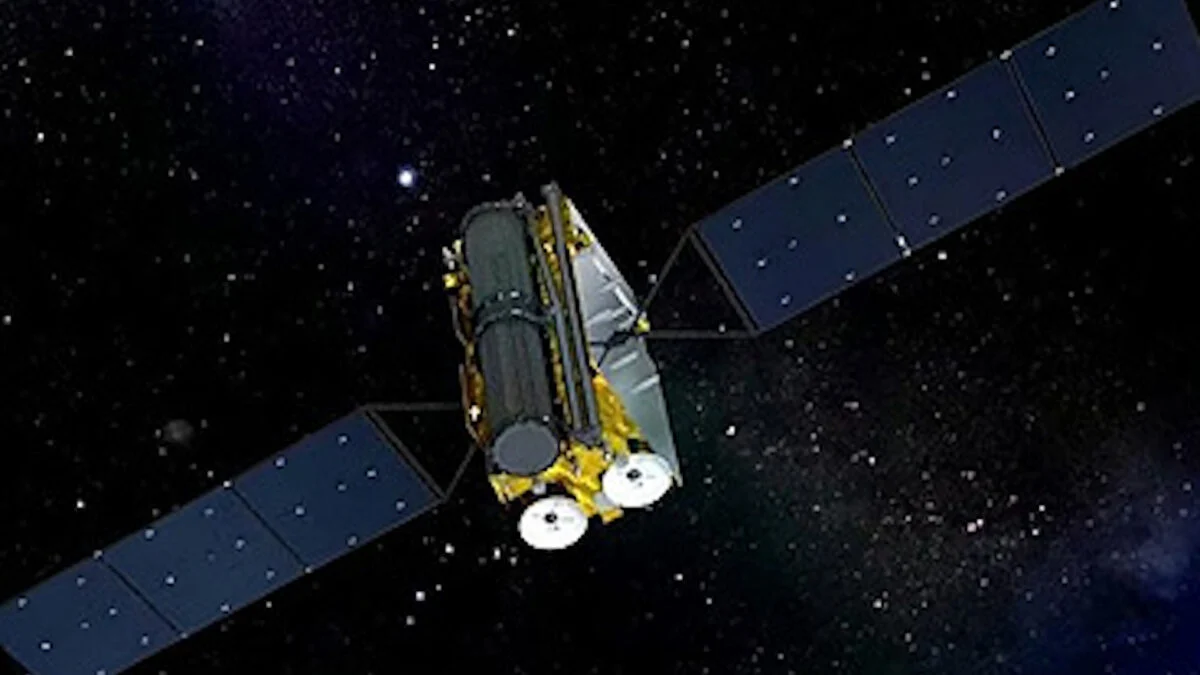
Nearly three years ago, China launched a radar satellite capable of monitoring nearly a third of Earth’s surface around the clock. The satellite’s unique capability has left many researchers in the U.S. stumped, unable to recreate the groundbreaking technology. Now, a new study disclosed that the satellite’s secret sauce is China’s near-total dominance over the supply of a high-performance semiconductor material. The Ludi Tance 4-01 radar satellite is powered by gallium nitride semiconductors, allowing it to operate at a high altitude of 22,370 miles (36,000 kilometers) while being fixed over the same geographic position at all times, the South China Morning Post reported. It just so happens that China has a global monopoly over the supply of gallium, and it’s making sure that no one else can get it. China has restricted gallium exports since the satellite launched in 2023. One of a kind Ludi Tance 4-01 is the only satellite of its kind, and it will likely stay that way for a long time. The world’s first, and only, geosynchronous orbit synthetic aperture radar (SAR) satellite maintains continuous coverage over the Asia-Pacific region.
Normally, radar satellites are at an altitude of around 370 miles (600 kilometers) in low Earth orbit. That’s because the radar signal strength begins to dwindle the farther away they are. Satellites in geosynchronous orbit sit at an average altitude of 22,236 miles (35,786 kilometers), which allows them to cover more area, but they would need a lot more power in order to achieve the same imaging capabilities as the satellites in low-Earth orbit.