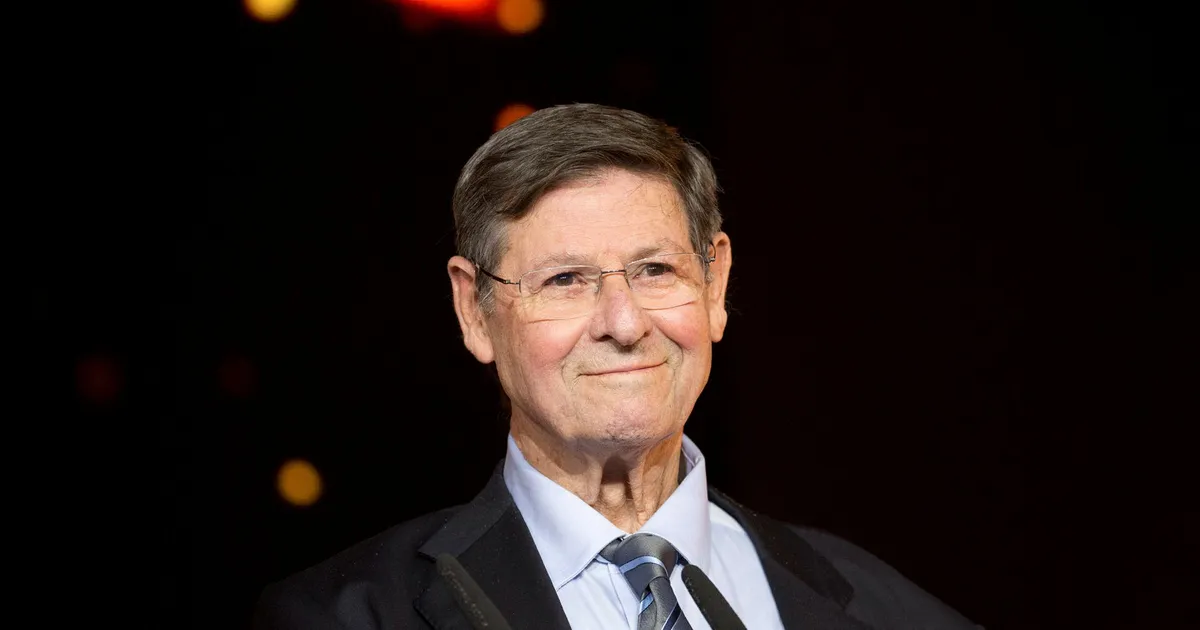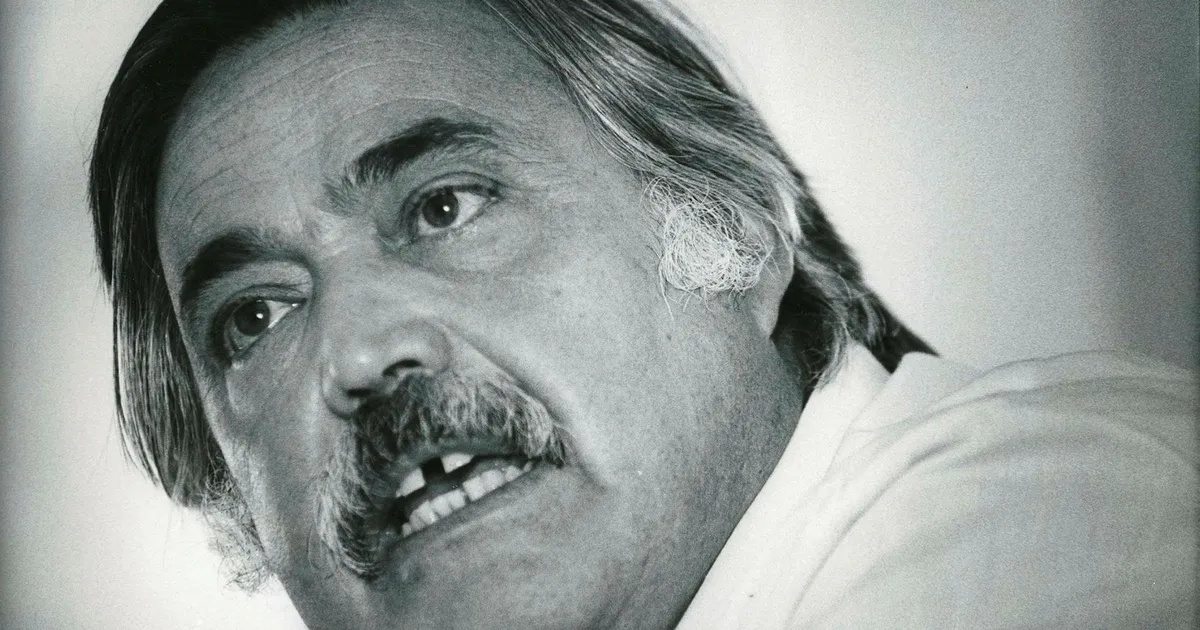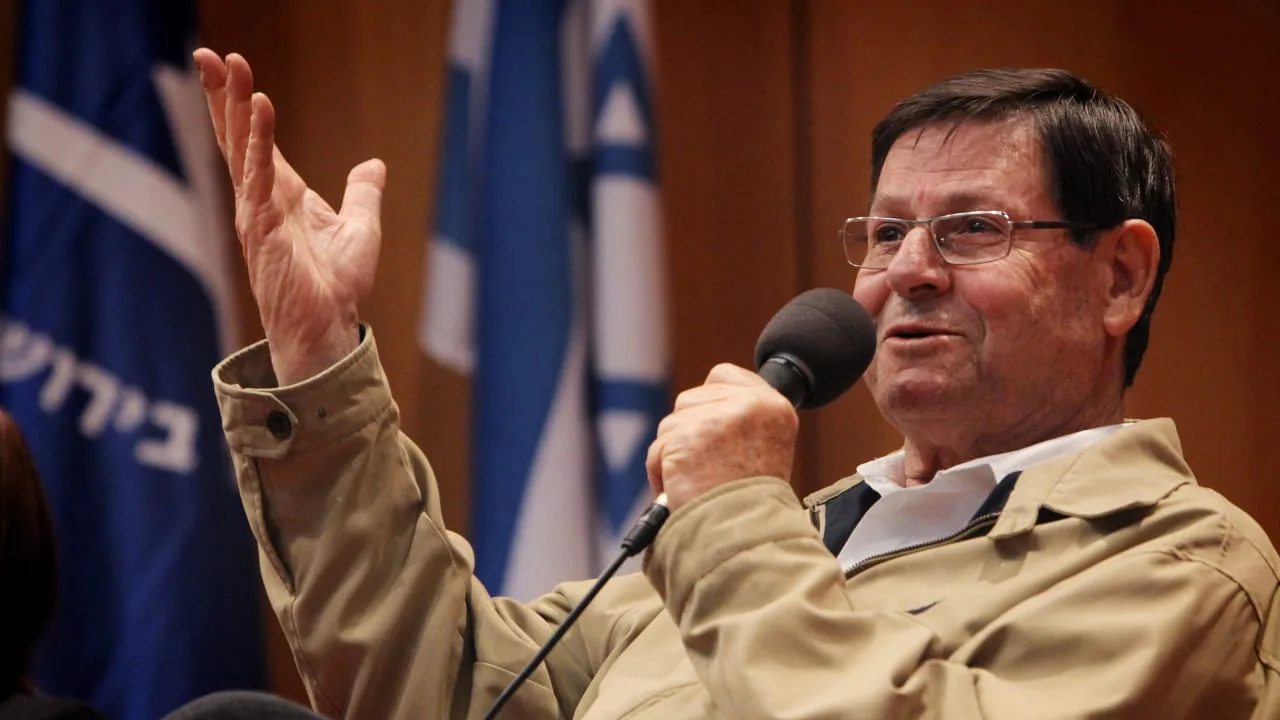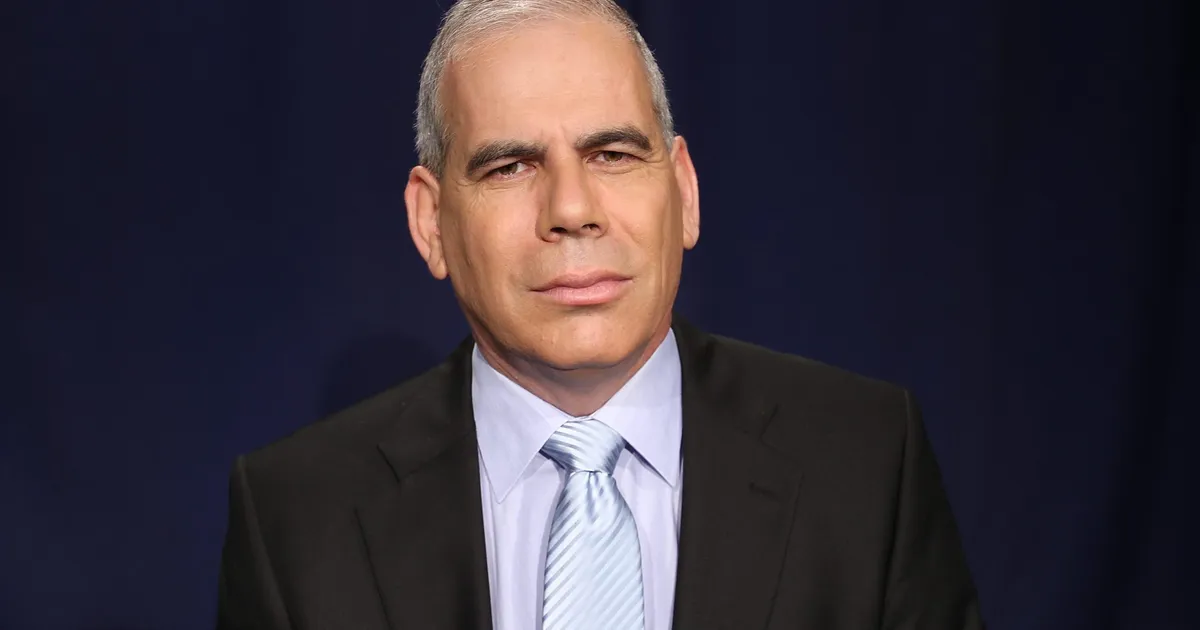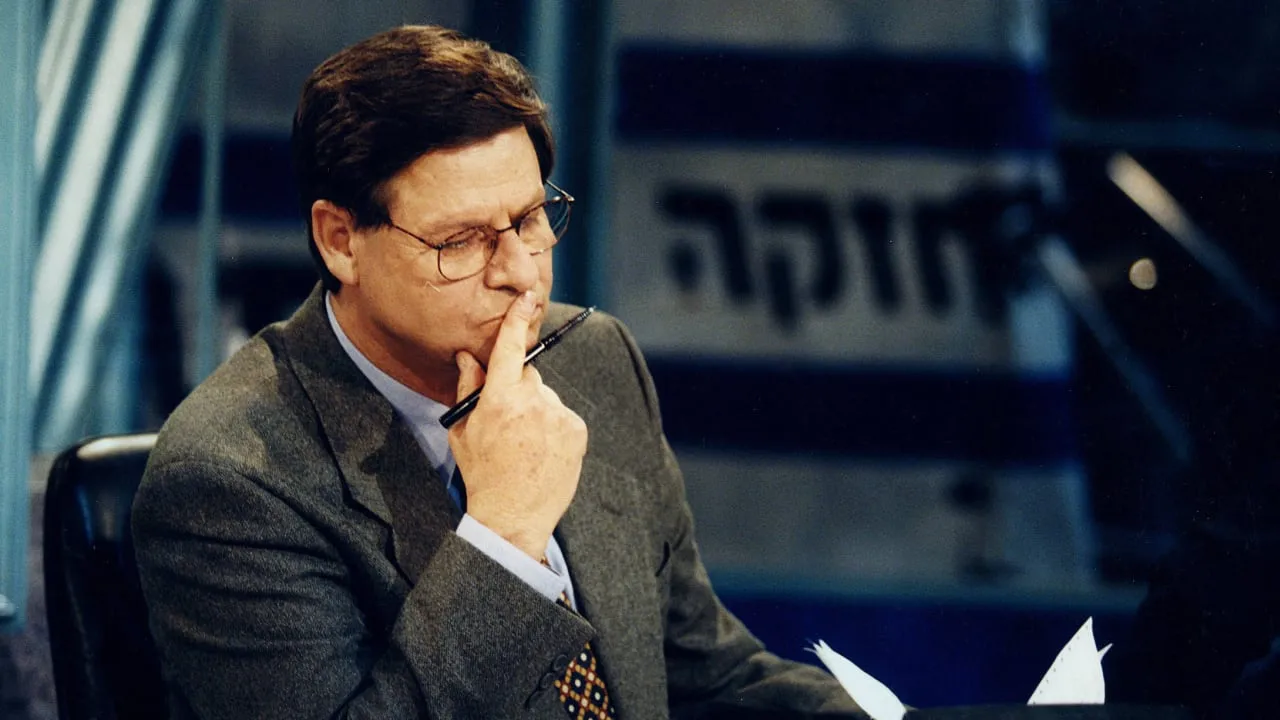
BySAGI BEN NUN, JERUSALEM POST STAFFJULY 22, 2026 20:08Haim Yavin, the veteran broadcaster known to generations of Israelis as “Mr. Television,” died on Wednesday at the age of 93, his family announced.Yavin was one of the founders of Israeli television and the longtime presenter of the public broadcaster’s flagship Mabat evening news program.His voice and image accompanied Israelis through elections, wars, peace agreements, political upheaval, and national tragedy for four decades.“With profound sorrow, we part from our husband, our father, and our grandfather, who reached a ripe old age,” his family said.His funeral is scheduled to take place at Givat Hashlosha Cemetery at 11 a.m. on Friday.Israeli television anchor and documentary filmmaker Haim Yavin attends a debate organized by the Hebrew University in Jerusalem on March 06, 2013. (credit: MIRIAM ALSTER/FLASH90)From radio to the birth of Israeli televisionYavin became permanently associated with the Hebrew word “mahapach,” meaning political upheaval, after using it during the May 1977 election broadcast as results indicated that Likud leader Menachem Begin would end the Labor movement’s decades-long rule.Nearly two decades later, Yavin delivered one of the most painful announcements in Israeli broadcasting history following the assassination of prime minister Yitzhak Rabin in November 1995.Yavin was born Heinz Kluger on September 10, 1932, in Beuthen, Germany, now Bytom, Poland. His family immigrated to Mandatory Palestine in 1933, when he was a baby, and settled in the Haifa area.He began his broadcasting career at Kol Yisrael Radio in 1956, presenting news, entertainment, and music programs. He later worked in the station’s documentary department as an editor, producer, and presenter.Yavin joined the team that established Israeli television in 1968. On July 23 of that year, he presented the first edition of Mabat LaHadashot, which focused largely on the hijacking of an El Al plane to Algeria.He later served as the Israel Broadcasting Authority’s correspondent in the United States, covering the US government in Washington, the United Nations in New York, and other events across the country.After returning to Israel, Yavin held several senior positions at the public broadcaster, including editor of Mabat, director of the news department, and editor and presenter of the current-affairs program Mabat Sheni.He served as director of Israeli television from 1986 to 1990. During his tenure, broadcasting hours were expanded, and programs including Ro’im Olam, Beshidur Hoker, and Siba Lamesiba were launched.Yavin left Channel 1 briefly in 1997 to present the investigative program Ha’erev Hahamishi on Channel 2 before returning to Mabat the following year.He presented his final Mabat broadcast on February 5, 2008.Documenting Israeli societyAlongside his work as a news presenter, Yavin was an acclaimed documentary filmmaker who examined some of the deepest political and social divisions in Israeli society.His documentaries included Hanivharim ’81, which followed the bitter 1981 election campaign; Gahelet Loheshet, about Soviet Jewry during the collapse of the Soviet Union; Eretz Hamitnahalim, examining the settlement movement; Te’uda Kehula, about Israel’s Arab citizens; and Tzva Ha’am, which explored changes in relations between the IDF and Israeli society.Eretz Hamitnahalim, broadcast in 2005, generated controversy because of Yavin’s criticism of Israeli settlement policies.The series received more than 100 complaints to the Second Authority for Television and Radio, as well as calls from some right-wing figures for Yavin to be removed from his position at the public broadcaster.The production later received awards for documentary filmmaking and directing.His final documentary, Jerusalem: A City of Broken Dreams, created with director Julie Shles, aired in 2016 and examined relations between Jewish and Arab residents of the capital.Yavin received the Israel Prize for communications in 1997, a lifetime achievement award from the Israeli Academy of Film and Television in 2003, and a lifetime achievement award from the Jerusalem Journalists Association in 2008.‘There was no replacement for his art’Veteran broadcaster Ya’akov Ahimeir said Yavin had fully earned the title “Mr. Television.”“He truly was Mr. Television,” Ahimeir told Walla Culture.“He always found the right words and expressions. His eloquence was unparalleled. We worked together for many years, and I was in his shadow, like many others who work in broadcasting.”Ahimeir also praised Yavin’s documentary work and his ability to reflect Israel’s political and social life.“I do not think there was a replacement for his art of presenting the news, with expressions containing wisdom, precision, and humility,” he said. “Many people are mourning the fact that this voice has fallen silent.”Journalist and broadcaster Yaron London described Yavin as a close friend, a gifted broadcaster, and an exceptionally dedicated public servant.“He was the best news presenter we had,” London told Walla Culture, citing Yavin’s voice, expression, diction, and ability to inspire confidence among viewers.“He was extraordinarily diligent and hardworking,” London said. “In everything he did, he served the public. He was an honest, decent, and courageous man. An extraordinary journalist.”KAN News expressed “deep sorrow” over the death of a man it described as a cornerstone of Israeli public broadcasting.“It is difficult to imagine a historic chapter in the life of the State of Israel in recent generations that Yavin did not mediate for the public,” KAN said.The broadcaster noted that Yavin had announced the 1977 political upheaval, presented the first televised Israeli news broadcast, and struggled to announce Rabin’s death after the prime minister’s assassination.President Isaac Herzog said Yavin had accompanied Israelis through defining national moments “with professionalism, responsibility, and statesmanship.”“His voice and face were identified with central chapters in the history of the state,” Herzog said. “He left a profound mark on Israeli journalism and public culture.”In 2016, several women accused Yavin of sexual harassment during their time working at the Israel Broadcasting Authority. Yavin denied the allegations.Yavin is survived by his wife, Yosefa, his sons, Yonatan, Michael, and Hagai, and his grandchildren. His daughter, Dafna Yavin-Reches, died in 2025.Follow us on Google
Haim Yavin, Israel's legendary 'Mr. Television' broadcaster, dies at 93 | The Jerusalem Post
Yavin was one of the founders of Israeli television and the longtime presenter of the public broadcaster’s flagship Mabat evening news program.
952 words~4 min read