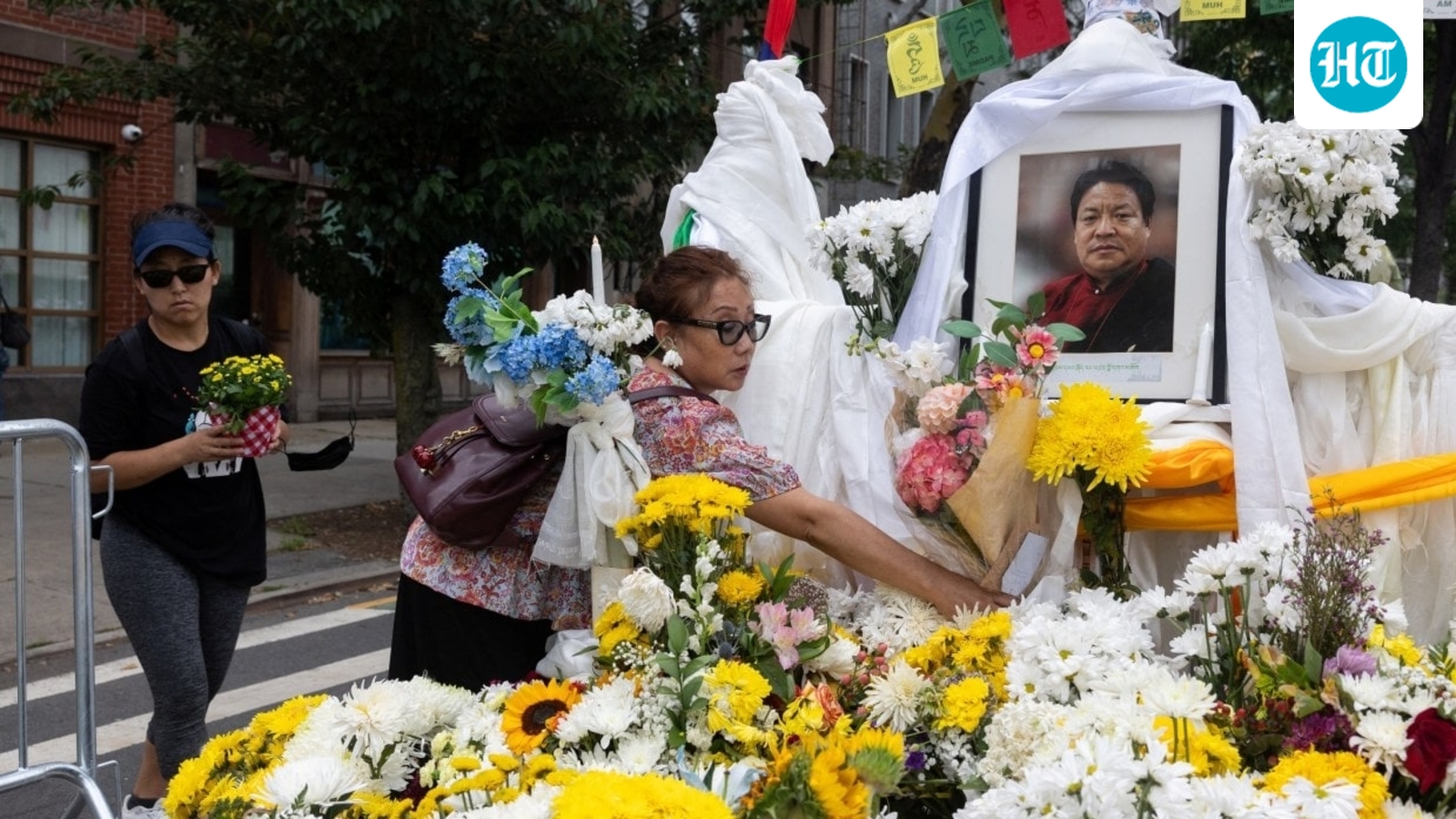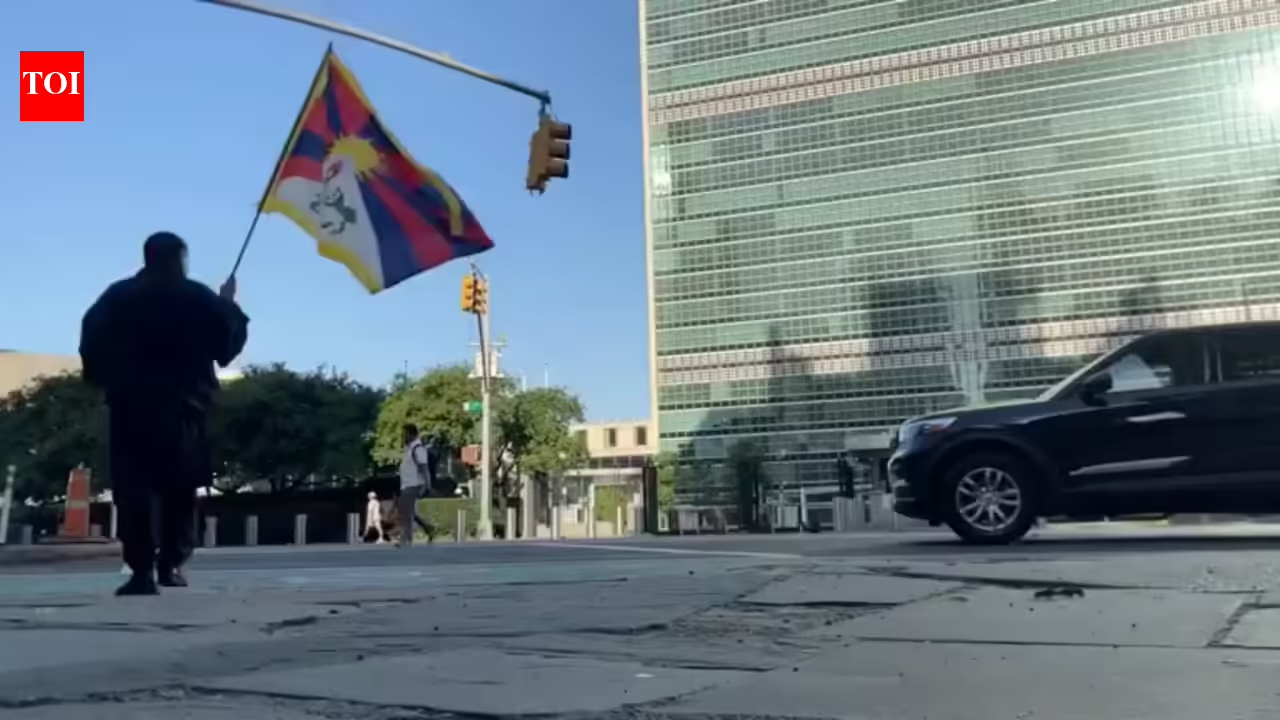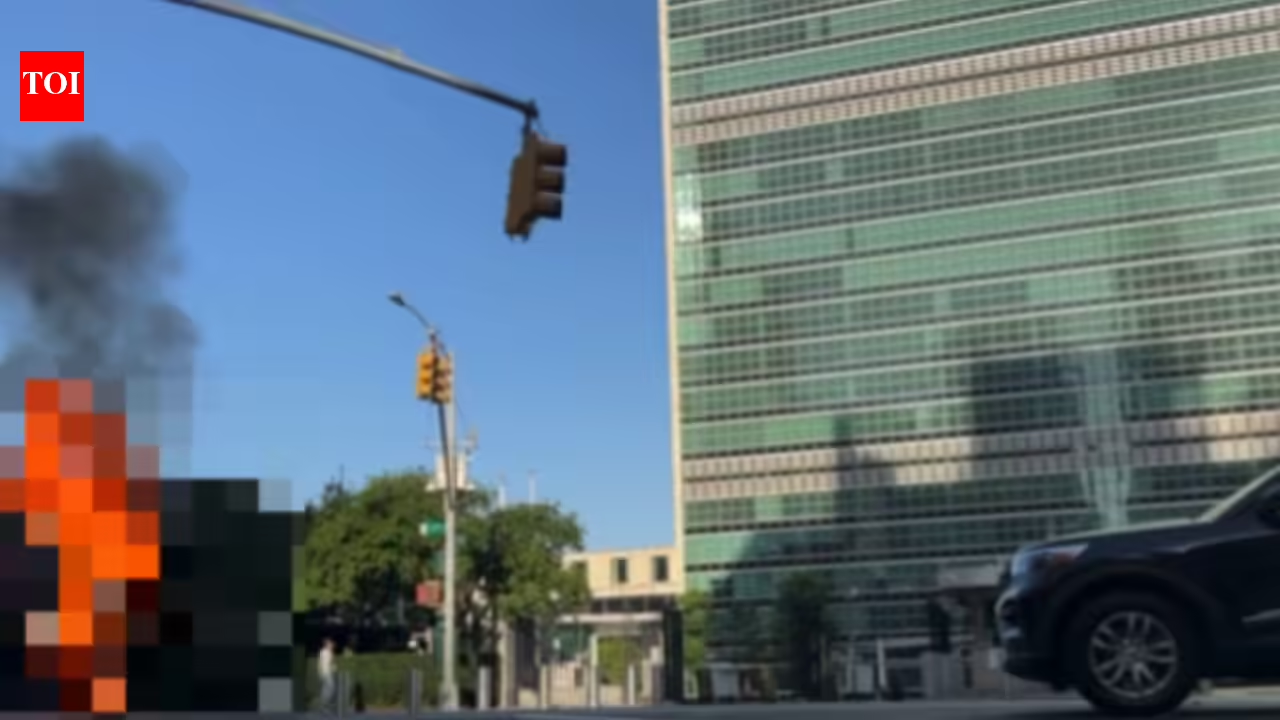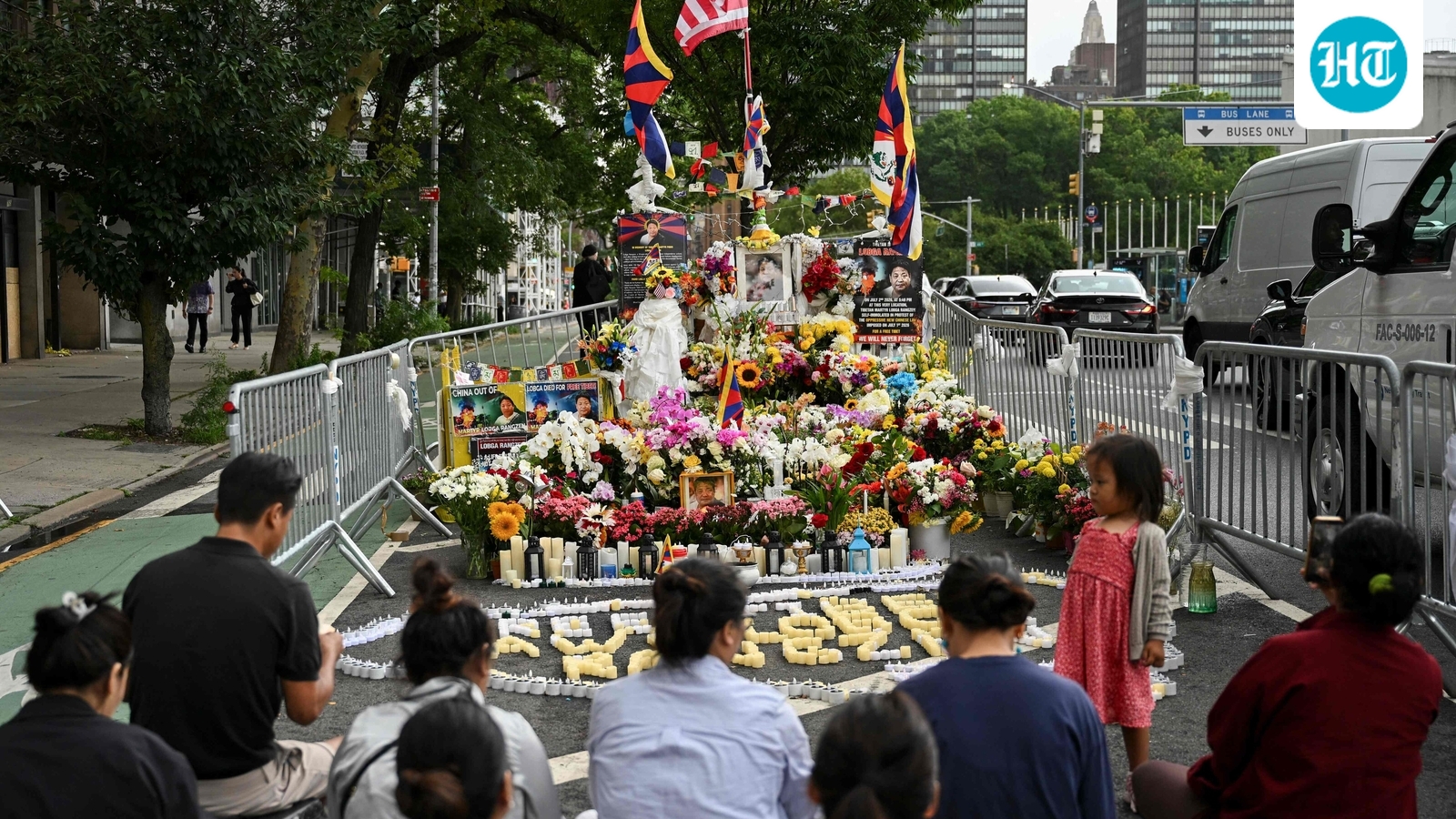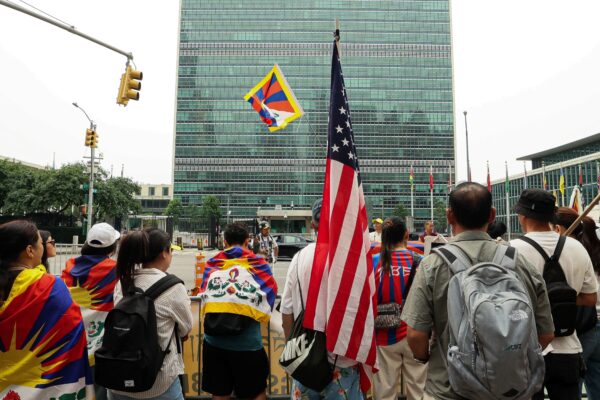
Lobga Rangzen chose perhaps the world’s most recognizable symbol of international diplomacy as the place of his death. Dressed in traditional Tibetan clothing, he planted a Tibetan flag on the sidewalk across from the entrance to the the United Nations headquarters in New York on July 2. There, he set himself on fire, livestreaming his self-immolation on Facebook. His final act was intended to draw attention to Tibet’s decades-long struggle under Chinese rule.
Rangzen, 52, was born in Tibet and fled to India in the 1990s, where he lived as a monk before immigrating to the United States in 2006. Over the next two decades, he became an active member of New York’s Tibetan community. His self-immolation was the first known by a Tibetan on U.S. soil.
The protest came one day after China implemented its Law on Promoting Ethnic Unity and Progress. Amnesty International argued that the legislation further institutionalizes assimilation policies targeting Tibetans, Uyghurs, Mongolians, and other ethnic minorities while expanding the legal basis for transnational repression.
Although Rangzen’s self-immolation was intended to draw international attention to Tibet, the response from the very institution he chose to stand before was limited.