Photo credit: C_May / Shutterstock
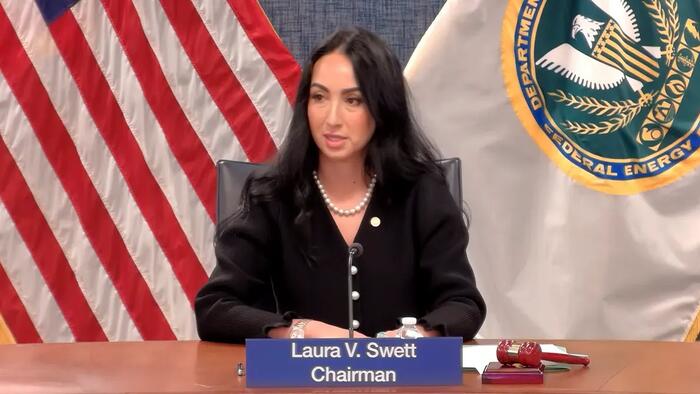
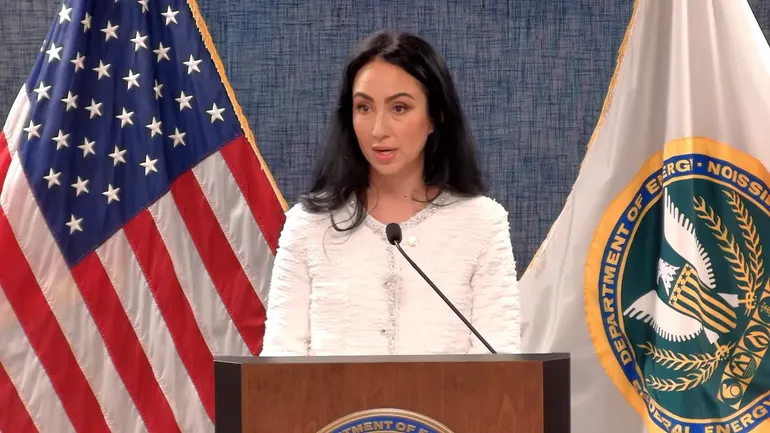
As stakeholders head into tomorrow’s technical conference to discuss PJM’s governance, no one is arguing that the RTO should be broken up into smaller regional grid operators — despite recent comments from Trump-appointed FERC chair Laura Swett that the region at present is “too big to function.” Comments filed at the Federal Energy Regulatory Commission last week broadly agree that the problem isn’t PJM’s geographic footprint, but rather how decisions get made, and who has the authority to step in when decisionmaking stalls.
Both PJM’s management and transmission owners asked FERC for broader authority over core market and transmission planning functions, arguing that waiting for stakeholder consensus before submitting new market rules to the regulator is untenable. FERC should give the grid operator a freer hand to file market rules directly, they argue, avoiding stakeholder vetoes.
State governors, meanwhile, are arguing for greater state influence in market governance moving forward, to shield ratepayers from soaring energy prices, and align grid expansion with policy goals.
Both the PJM Governor’s Collaborative — which includes the leadership of all 13 states in PJM’s footprint and the mayor of D.C. — and the Indiana governor’s office, which filed separate comments, urged FERC to give states more direct access to the PJM board, a formal role in board seat nominations, and new pathways to advance their own market proposals directly to federal regulators.