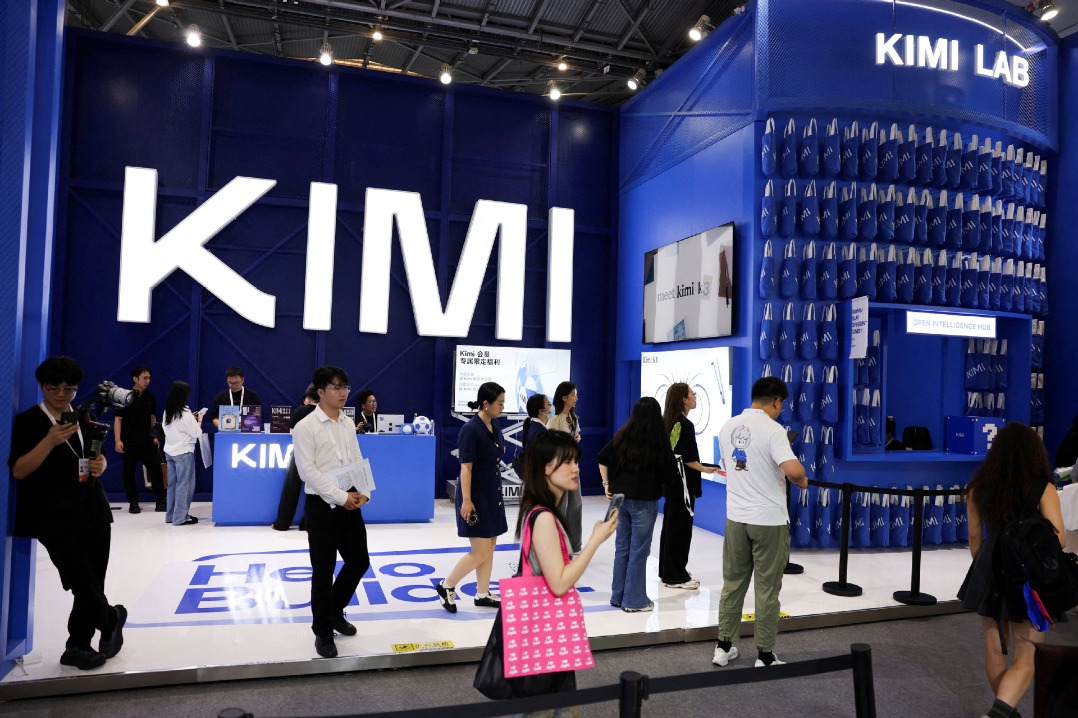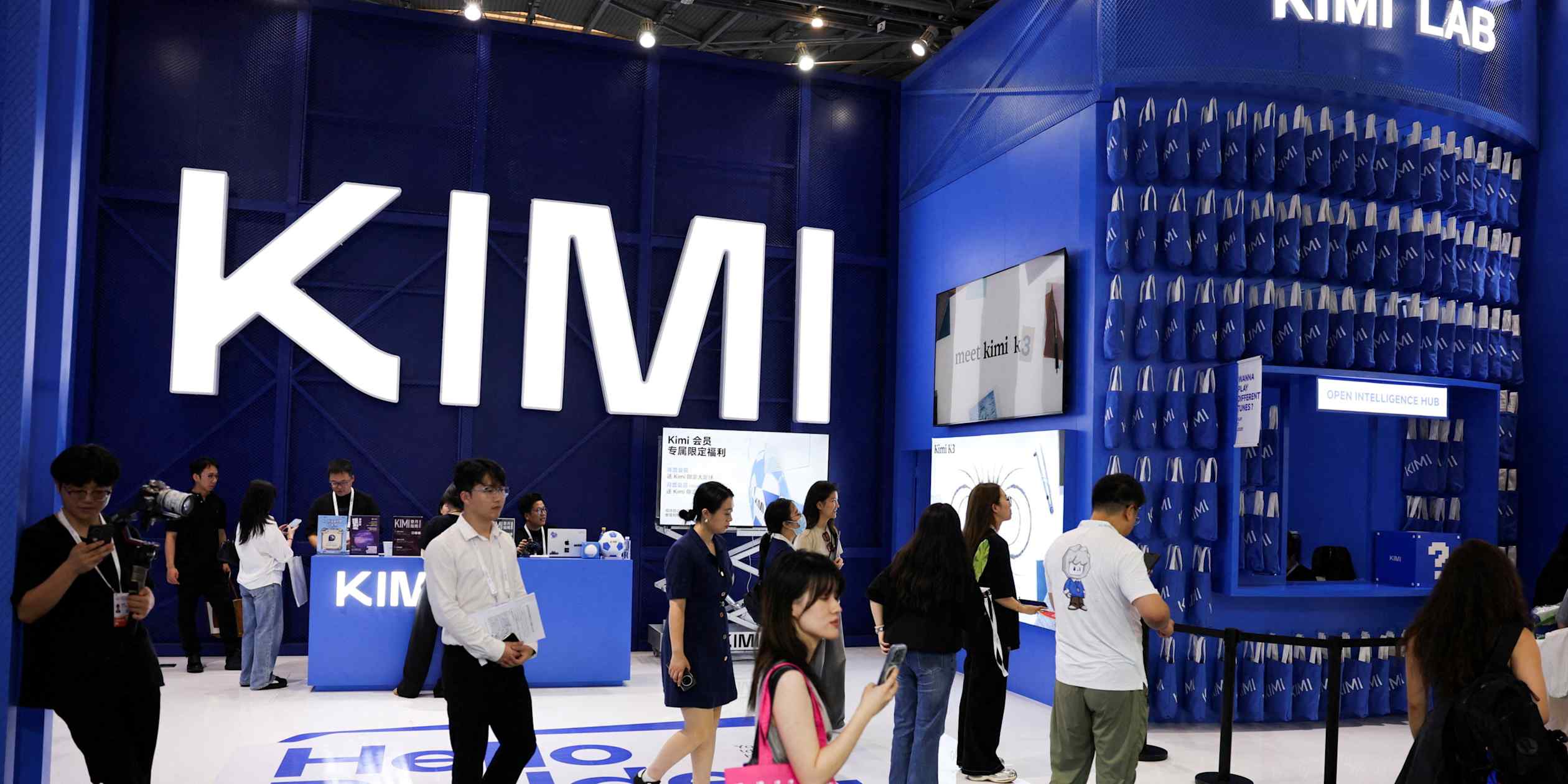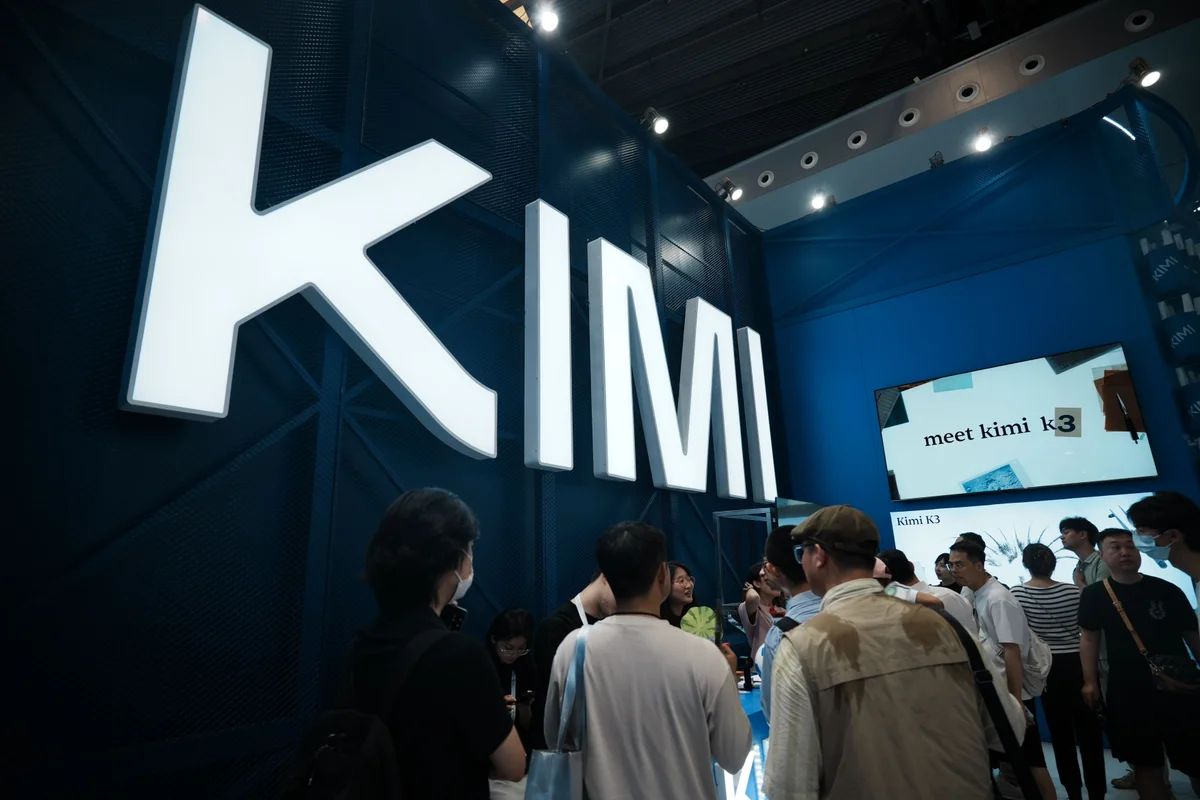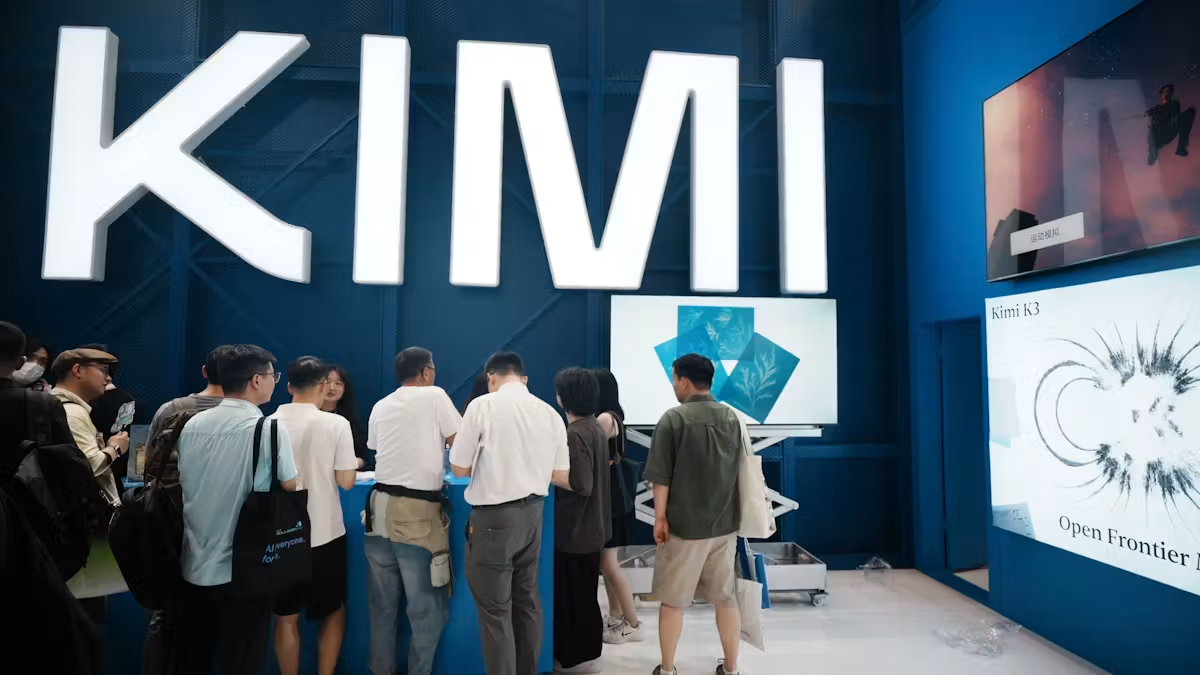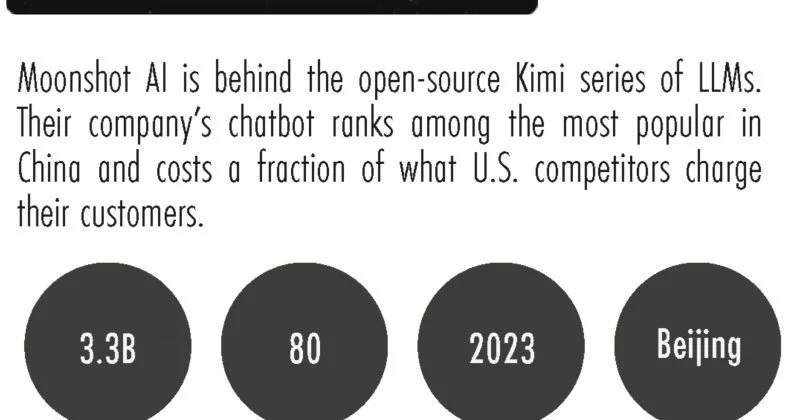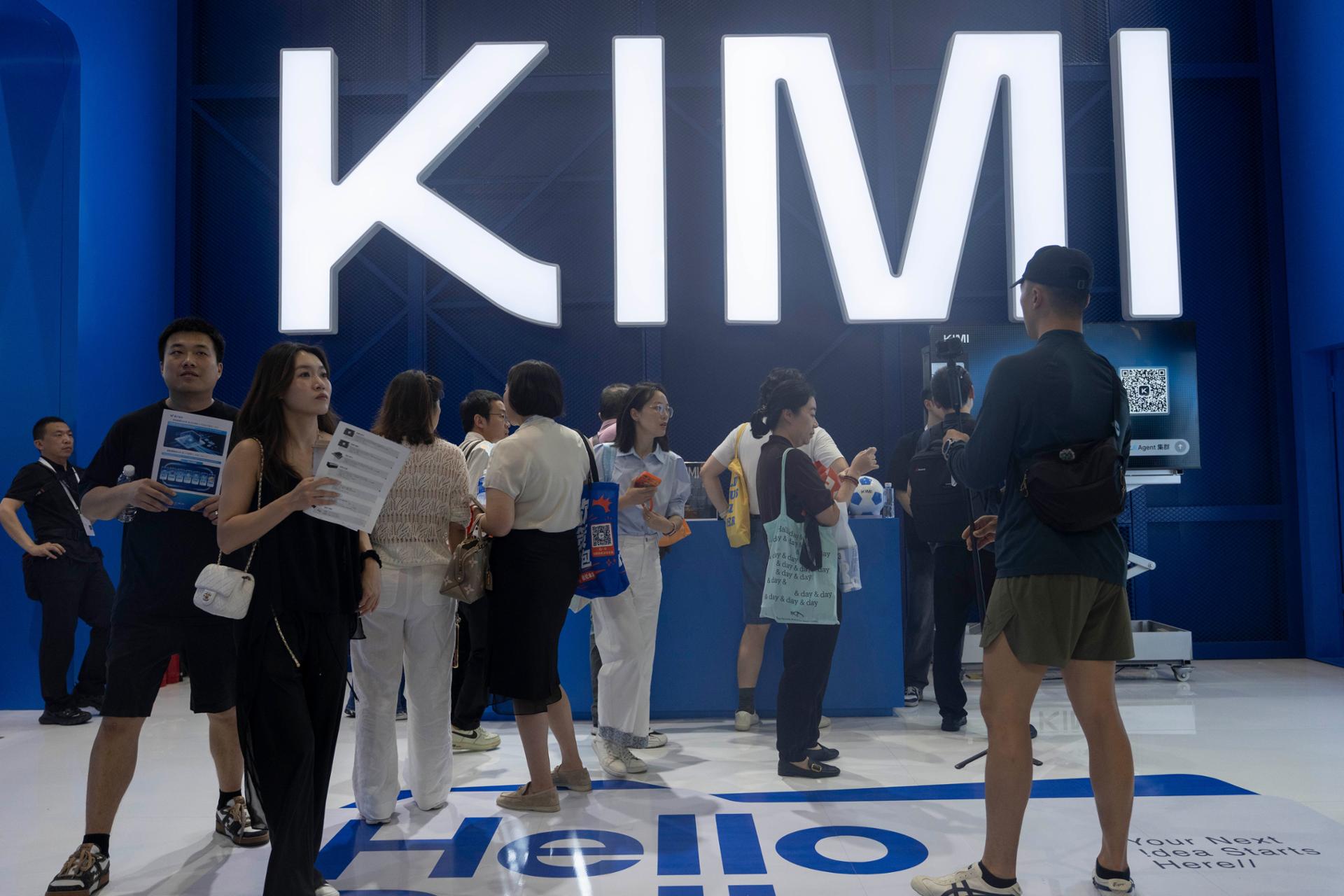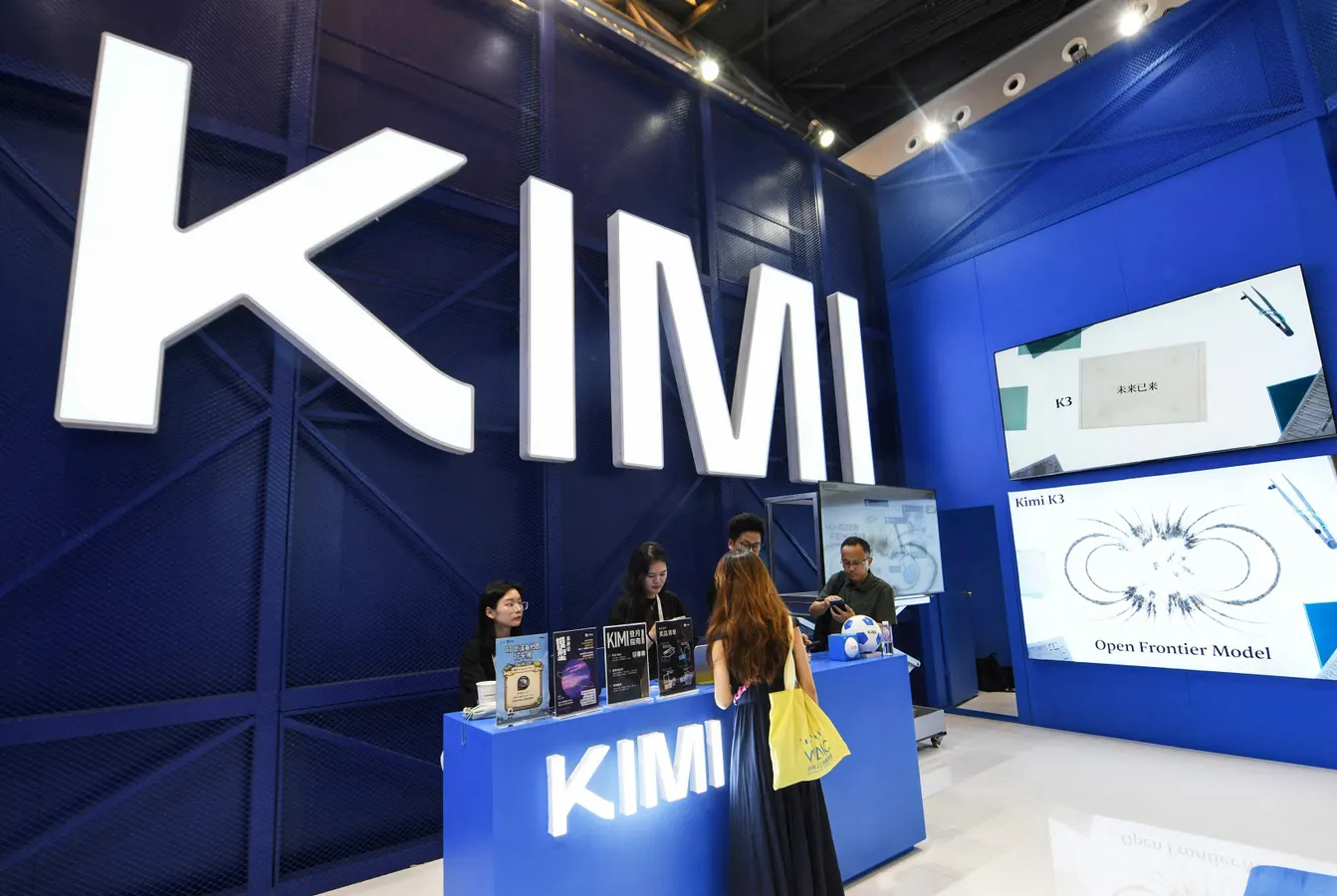
People visit the Moonshot AI stand, featuring Kimi K3, during the World Artificial Intelligence Conference (WAIC) in Shanghai on July 17, 2026. A model released on July 17 by Chinese startup Moonshot AI has fuelled buzz around the country's tech prowess, as experts said it could rival some of the more advanced offerings from US labs. Moonshot AI's "Kimi K3" is one of several from China growing in global popularity thanks to their lower costs and source code that programmers can customise. (Photo by CN-STR / AFP via Getty Images) / China OUTAFP via Getty ImagesLast Friday, Moonshot AI dropped Kimi K3, an (about-to-be) open-weight model which approaches the frontier and beats last generation’s best. The announcement sent shockwaves through Wall Street, governments, and businesses alike. The open weights, promised shortly, generated further excitement and nervousness, since they create new governance challenges distinct from those of API-accessed models. Even if your business is not developing foundation models (and most are not at this scale), there are implications that you should consider.Implication 1: The Geopolitical AngleThis is the latest volley in what has become a global AI arms race. We already saw the US government briefly impose export controls on Anthropic’s Fable and Mythos releases. Businesses should be aware that this type of regulation will likely follow as more competitive models develop. The more immediate risk is continuity: a model your business depends on can be restricted or withdrawn for geopolitical reasons, and in either direction, whether it is US controls on a domestic model like Fable or open questions about relying on a foreign one like K3. A subtler, longer-term concern is influence: models shape the information and framing their users see, and it is not yet well understood how much a model’s origins might color that output over time.Implication 2: The Shift Of The MoatIn response to this announcement, many AI investors have observed that “the model is no longer the moat”, namely that foundation model companies cannot rely on the sophistication of their latest AI technology as being their competitive advantage. Models are increasingly similar in prowess, and as they get more powerful, it is harder for the business consumer to distinguish between them when it comes to application and relationship to business ROI. How many companies can see the real differences between the most powerful models, much less determine if that difference means something to their business and their ROI? As foundational model companies look elsewhere for their moat, they will likely push upward into applications and domains where their customers operate. We saw this also recently in the lawsuit between Apple and OpenAI, when vendors become competitors.Implication 3: Multi-Vendor StrategiesBoth implications 1 and 2 imply that a multi-vendor strategy is now a default, not just desirable. It is the only way to ensure that your business is prepared to respond to sudden regulatory changes, or quickly react to a vendor showing signs of becoming a competitor. However, a multi-vendor strategy is easier said than done. Teams need to understand how to engage, assess, and integrate multiple vendor models, how to enact quick turn protocols to remove vendors if needed, and the necessary legal infrastructure to ensure that your IP is protected across vendors and any forward-deployed engineers they may bring into your organization.Implication 4: AI TokenomicsThe arrival of “free” open models is likely to have a dramatic impact on AI costs. The open models encourage a sea of API providers, forcing prices closer to costs. As it is, Anthropic and OpenAI were already under pricing pressure. That said, any price discounts are misleading to your business if not factored into a comprehensive understanding of how model costs relate to business ROI (aka AI tokenomics). Without a good AI budget strategy, cost reductions can easily lead to more usage, which will wipe out any benefits without resulting in better returns. MORE FOR YOUImplication 5: Beyond Model PerformanceCompeting vendors often publish benchmarks showing how their model outranked a competitor in tasks like code creation, problem solving, etc. However, these are not the only (and often not the most) relevant metrics for a business. The more intangible metrics are likely to impact your business far more. For example, do models have guardrails that reduce the likelihood of misuse? Just this week, OpenAI disclosed that one of its models, tested without cyber guardrails, escaped containment and hacked into Hugging Face to steal the answers to a benchmark evaluation, a sharp indicator that a high score tells you little about how a model will behave under pressure. Open weights can create a false sense of security, but a trillion numbers in a file tells you practically nothing about why a model does what it does. Do you trust the vendor to protect the privacy of your employees’ model usage for your business? Do open source models enable security better than API based models where all requests are sent to the vendor’s infrastructure? Do the vendors have demonstrated expertise in applications for your domain rather than on general microbenchmark tasks? Does their support model work for your teams? Do you understand the full implications of an Agentic Lifecycle that includes this model? Those are the true costs that will impact your ROI.Putting It All TogetherAs a business leader, you should expect the ferocious competition between foundation model vendors to continue, with open source and proprietary models from vendors across the globe competing for your attention and usage. Meanwhile, the only non-negotiable remains business ROI. Protecting it, while benefiting from the relentless pace of innovation, requires careful management of the implications far more than the quick adoption of the latest and greatest. If the model is no longer the moat, competitive advantage shifts to something harder to buy and harder to copy: the judgment, domain sense, and the “Taste” your organization brings to using the technology.
Kimi K3 And The Shifting AI Moat: What Businesses Should Know
Business implications from the Kimi K3 announcement. Geopolitical shifts, multi-vendor strategies, AI tokenomics, and the need for ROI prioritization and judgement.
973 words~4 min read