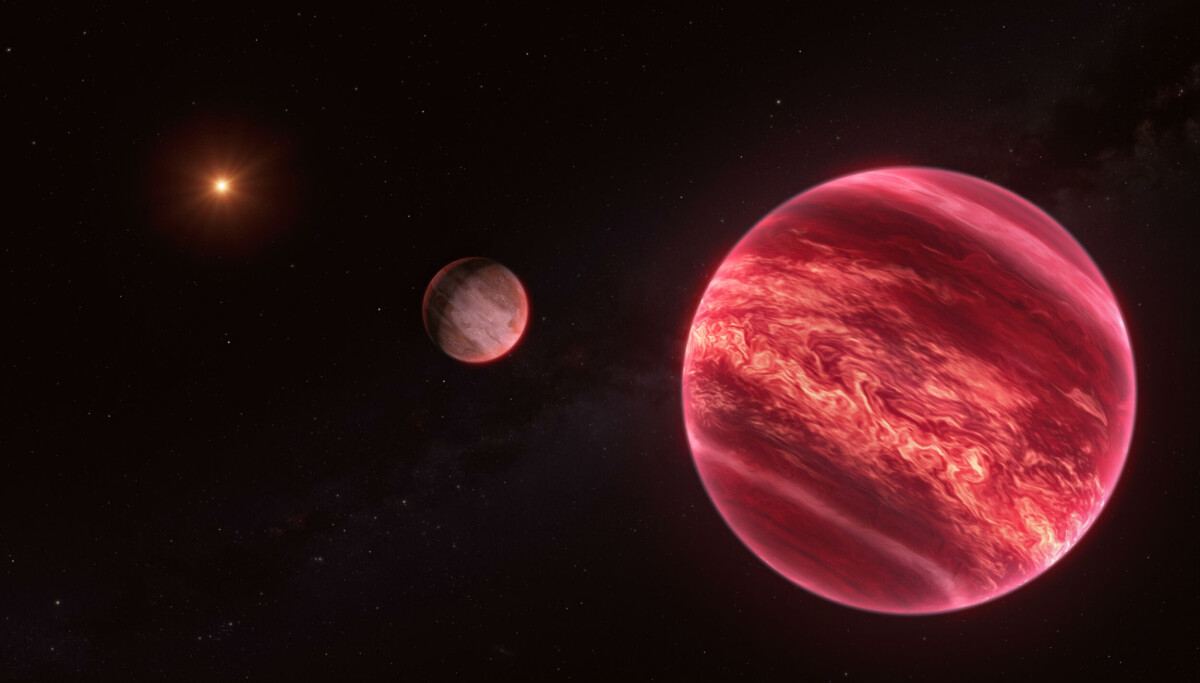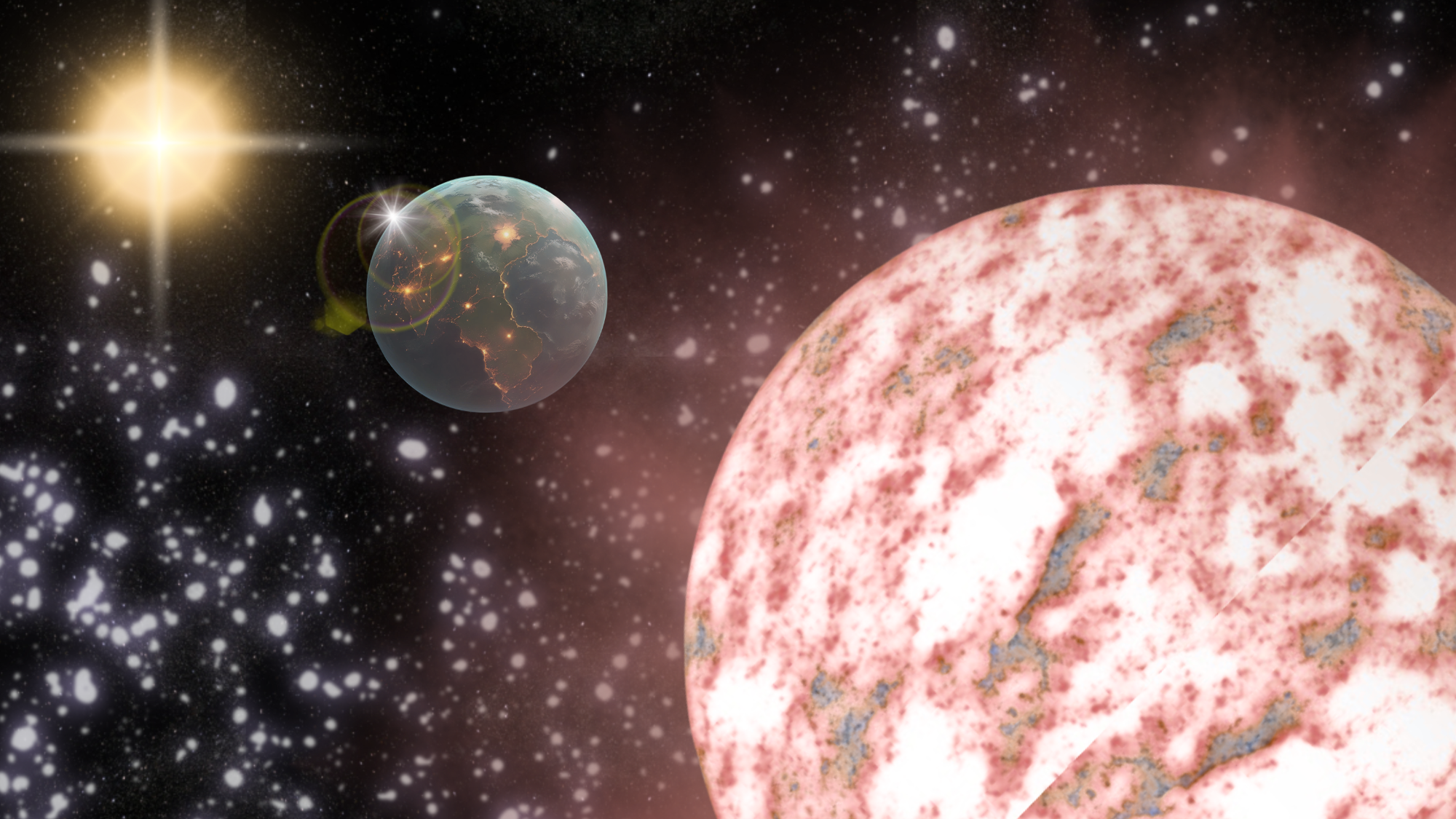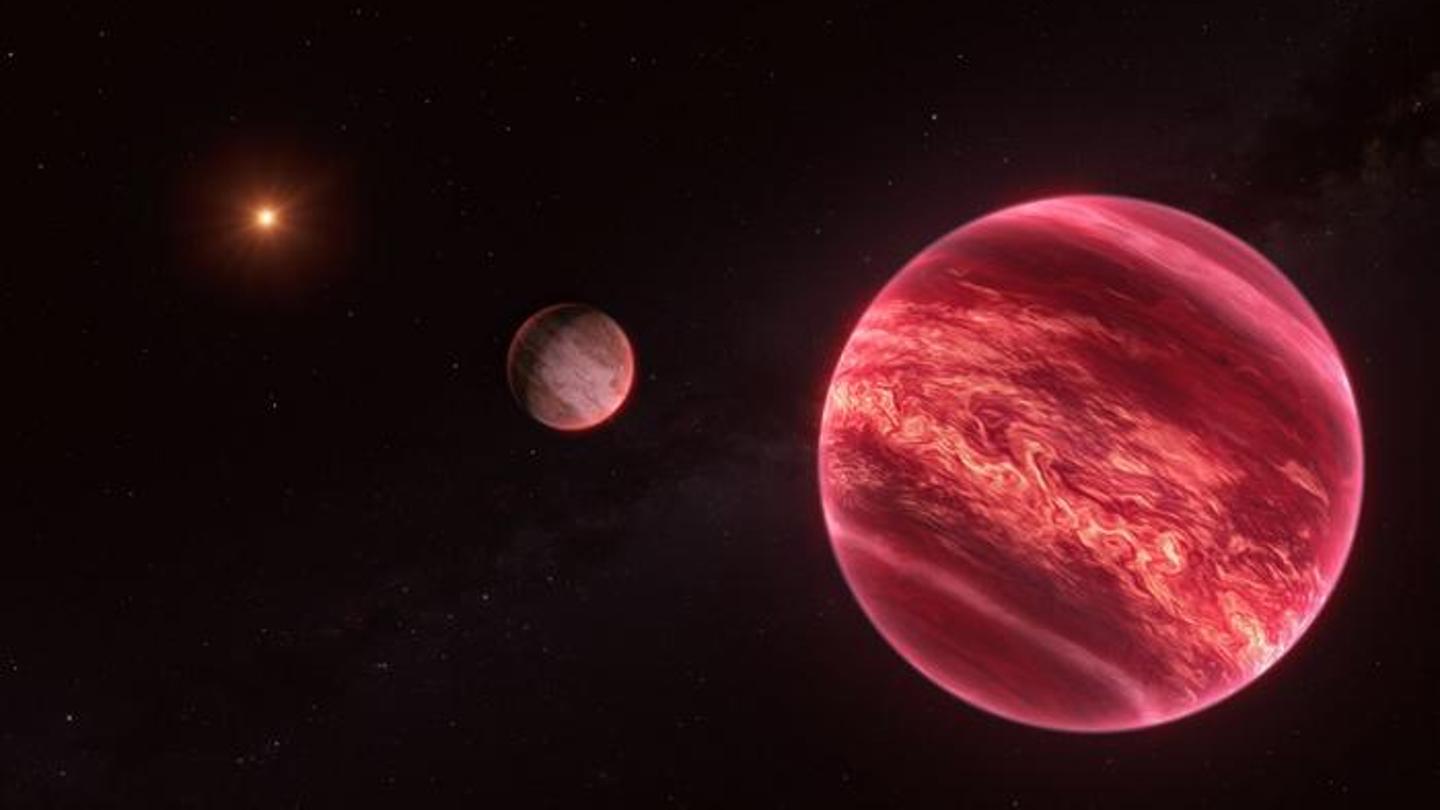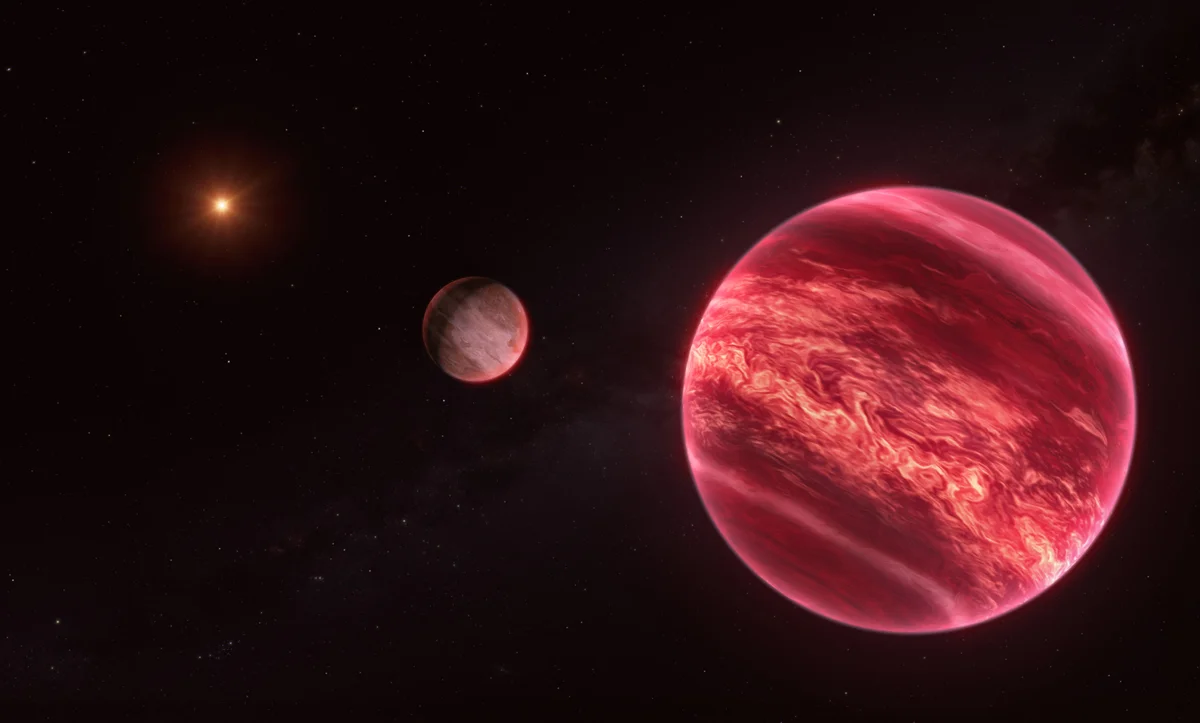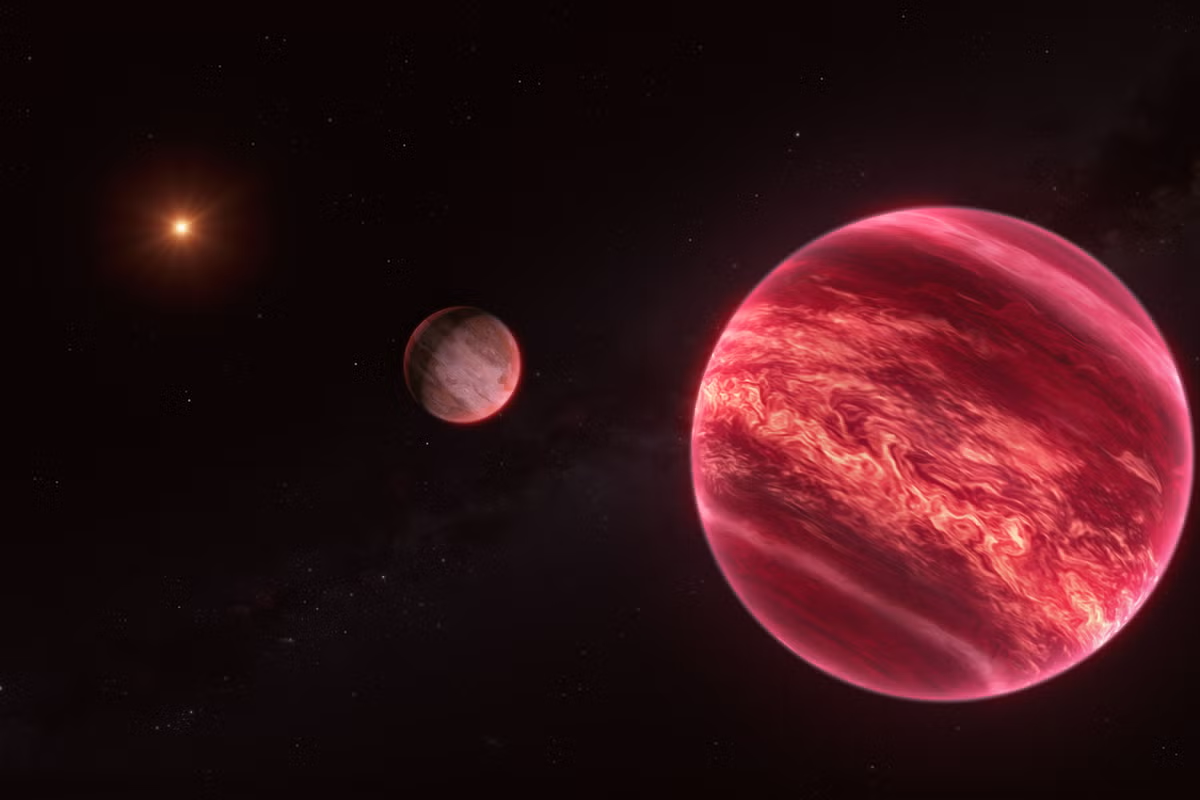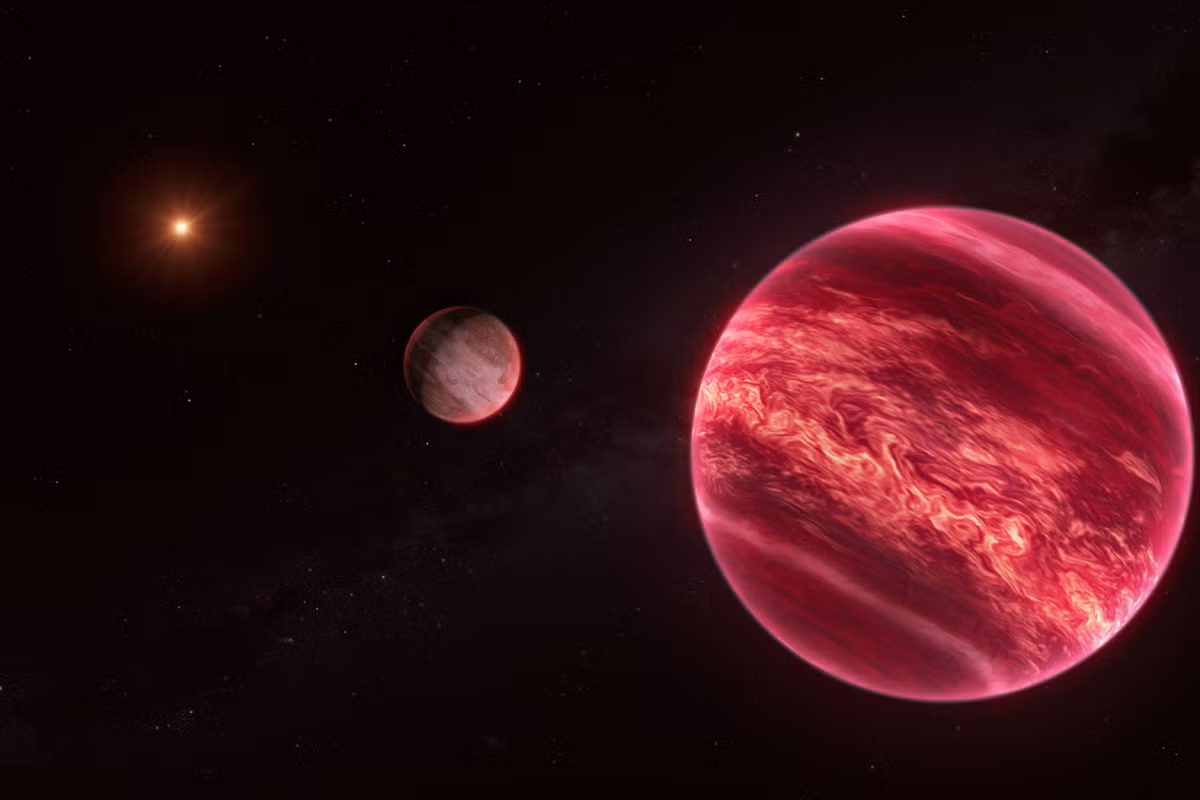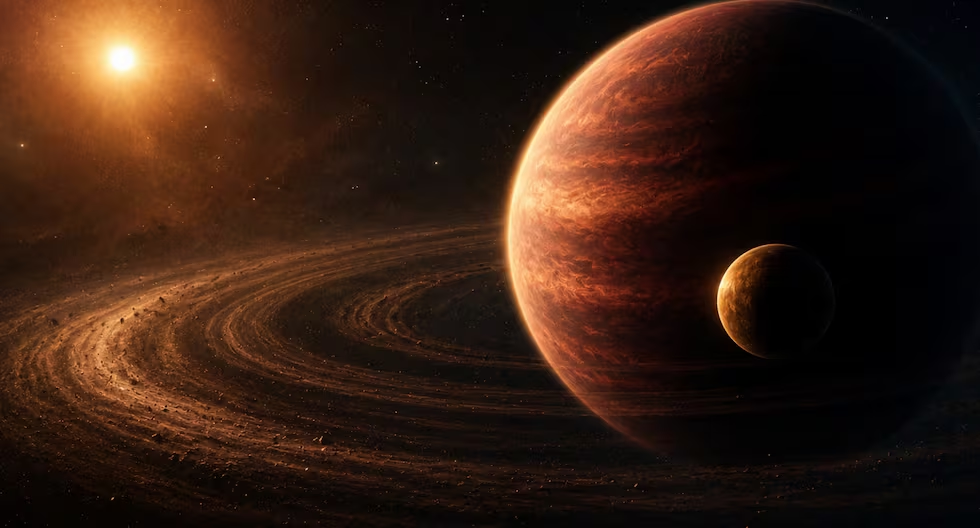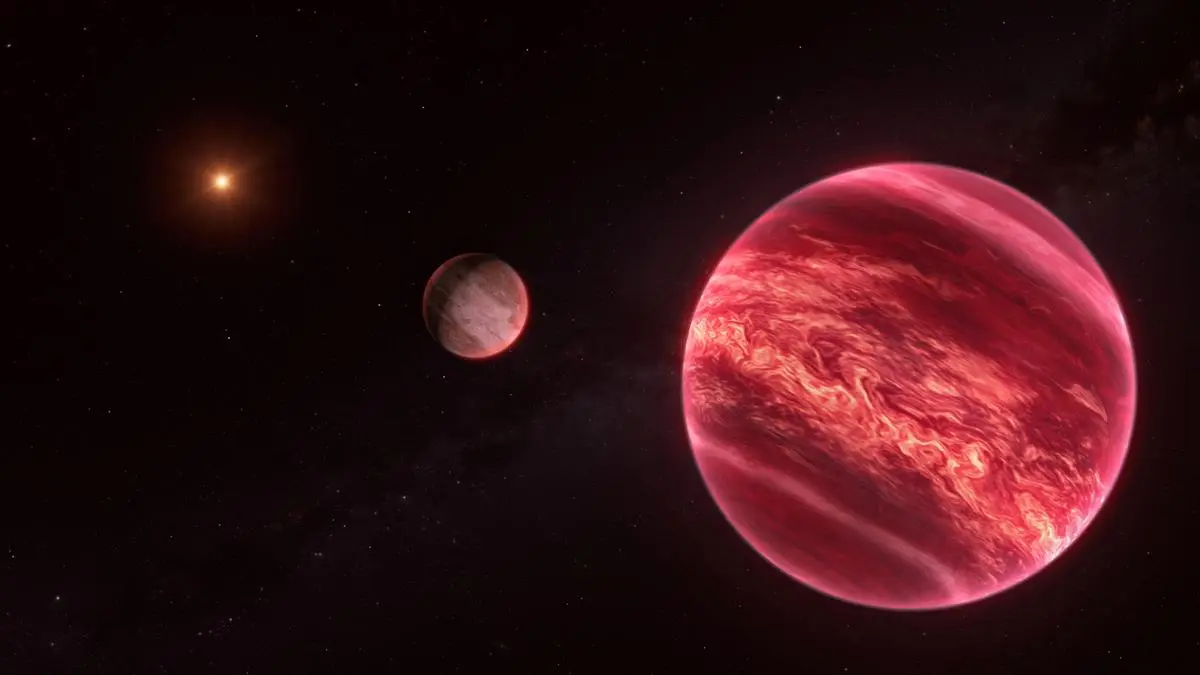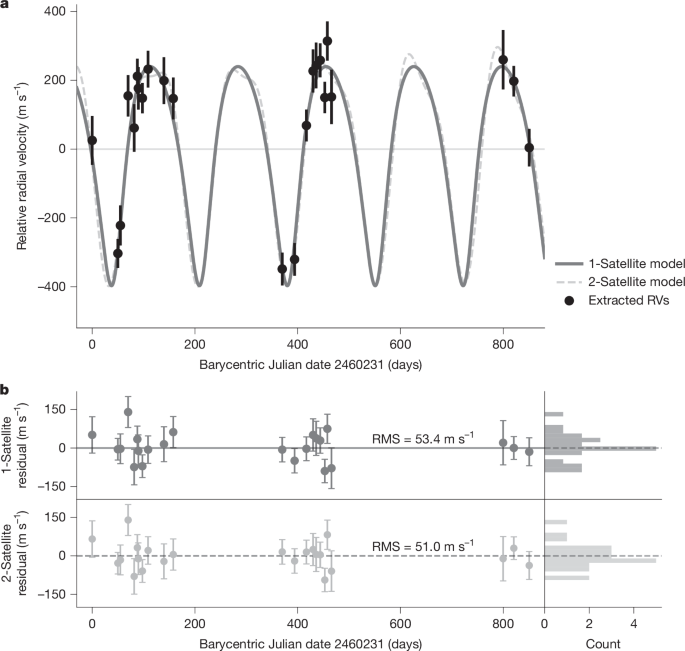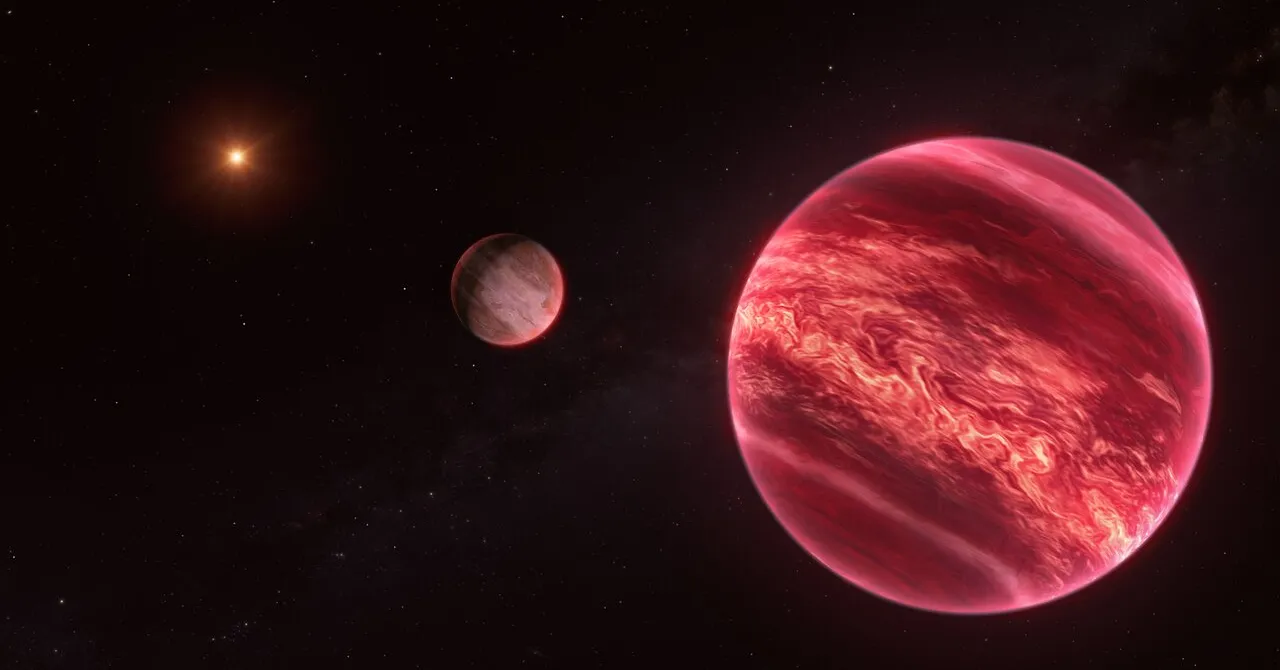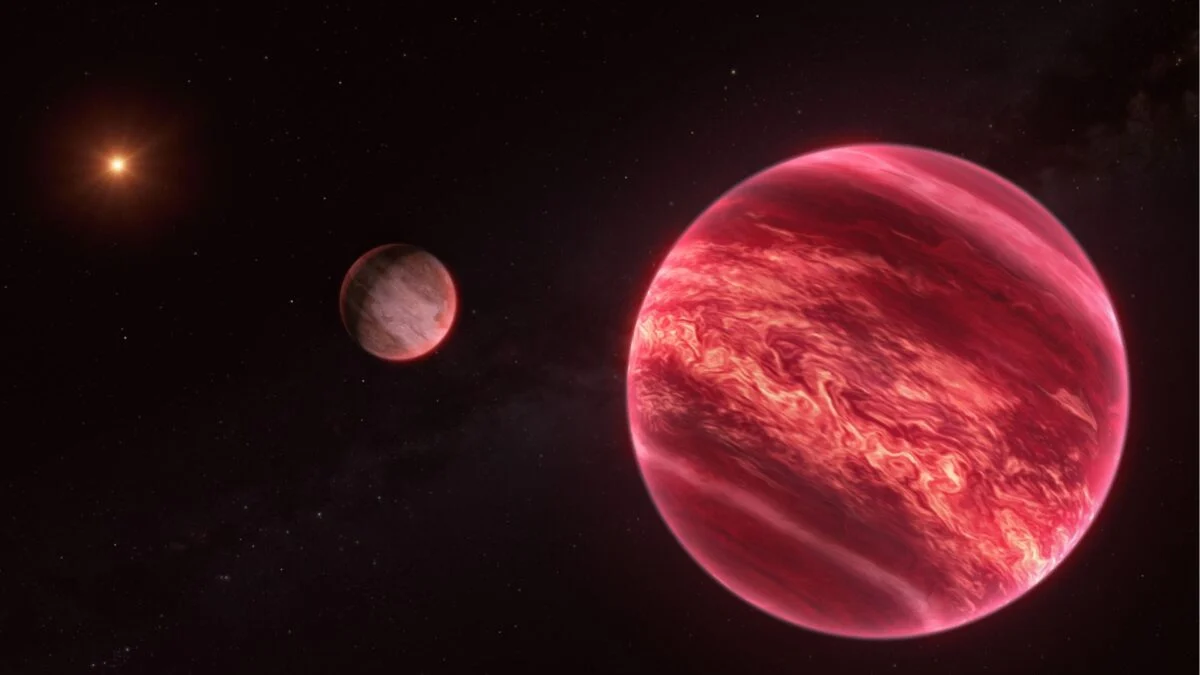
NASA has discovered more than 6,000 exoplanets peppered throughout the galaxy, but astronomers have yet to confirm the existence of a single exomoon. A newly discovered moon-like object could be a promising candidate. In a study published today in the journal Nature, researchers describe a three-tiered hierarchical system: a satellite orbiting a brown dwarf, which in turn orbits a star. While the satellite fits a moon-like classification in several ways, astronomers lack a concrete definition for exomoons, so the authors can’t definitely say this is the first one. Still, their work demonstrates an effective technique for finding moon-like objects outside of our solar system, which could help lead to the conclusive detection of an exomoon in the future. “The lack of any definition to even argue on the criteria is why we say we are unsure if this counts as the first exomoon or not,” lead author Kevin Hoy, an astrophysics PhD student at Diego Portales University in Chile, told Gizmodo. What is an exomoon? In our solar system, it’s fairly obvious what a moon is and isn’t. Astronomers may quibble about size constraints—whether a small satellite counts as a moon or an orbiting asteroid, for instance—but the distinction is relatively straightforward. When looking beyond the solar system, things get a lot more complicated.
Is This the First-Known Exomoon? Astronomers Just Made That Question Even Harder
Astronomers discovered a moon-like object orbiting a brown dwarf that's orbiting a star. Say that three times fast.
824 words~4 min read