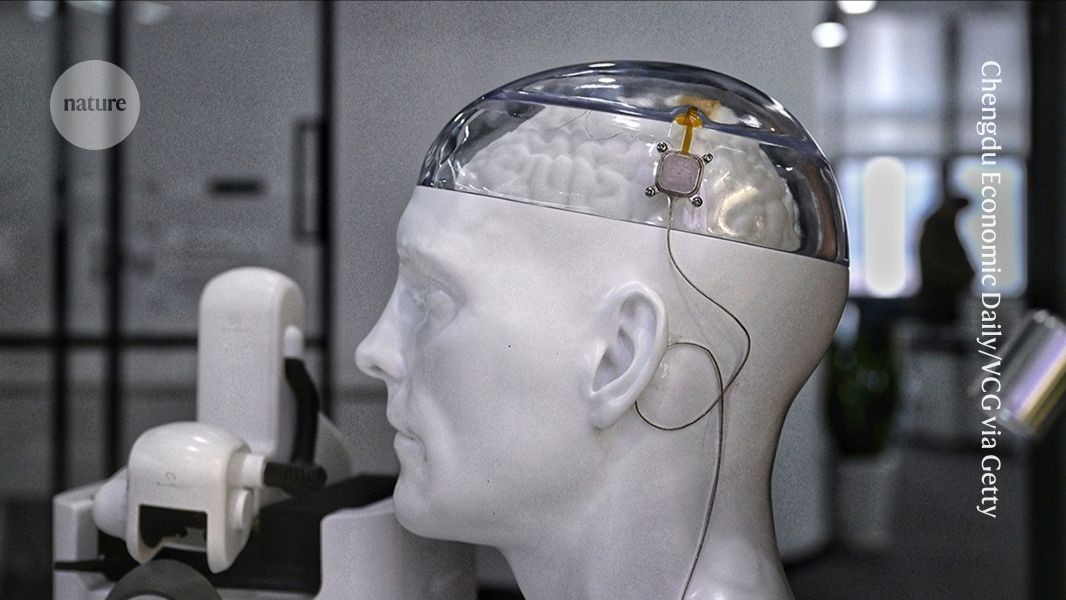
As BCIs move from laboratories towards commercial use, Neurochip.com founder Herbert Sim warns that unequal access could separate people not only by income or connectivity, but by physical and cognitive capability.
At the 2026 World Artificial Intelligence Conference in Shanghai, Chinese President Xi Jinping warned that technological progress must not create “new historical injustices.” He called for a more open and inclusive approach to AI, particularly for the Global South, while urging governments to keep the technology “secure and controllable.”
The warning was directed at artificial intelligence. But it may apply even more urgently to technology that could eventually connect AI directly to the human nervous system.
Brain-computer interfaces, or BCIs, translate neural activity into commands for computers, prosthetics, communication tools, and other devices. In March, China approved a commercially available implant developed by Neuracle Medical Technology for certain patients with spinal cord injuries, a milestone that moved BCI beyond experimental trials and closer to real-world healthcare.
For Herbert Sim, founder of Neurochip.com, the breakthrough raises a question receiving less attention than the technology itself: who gets access?The 💜 of EU techThe latest rumblings from the EU tech scene, a story from our wise ol' founder Boris, and some questionable AI art. It's free, every week, in your inbox. Sign up now!