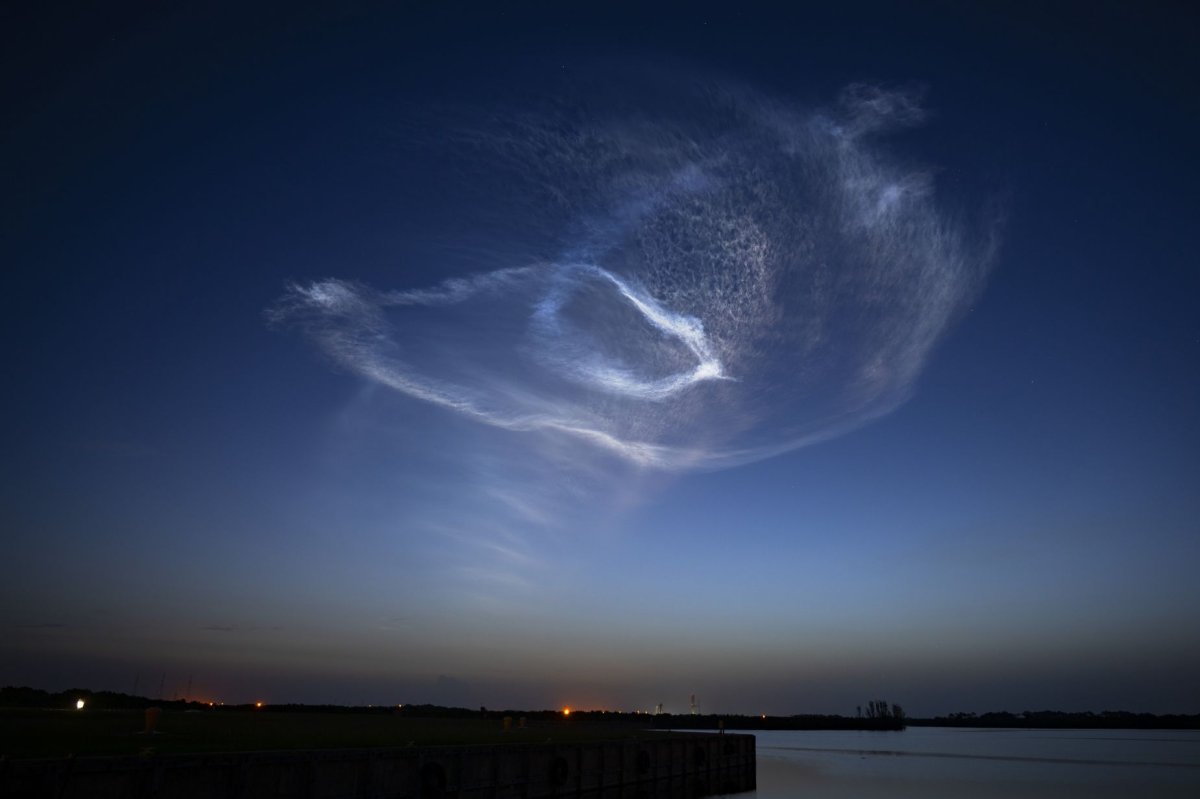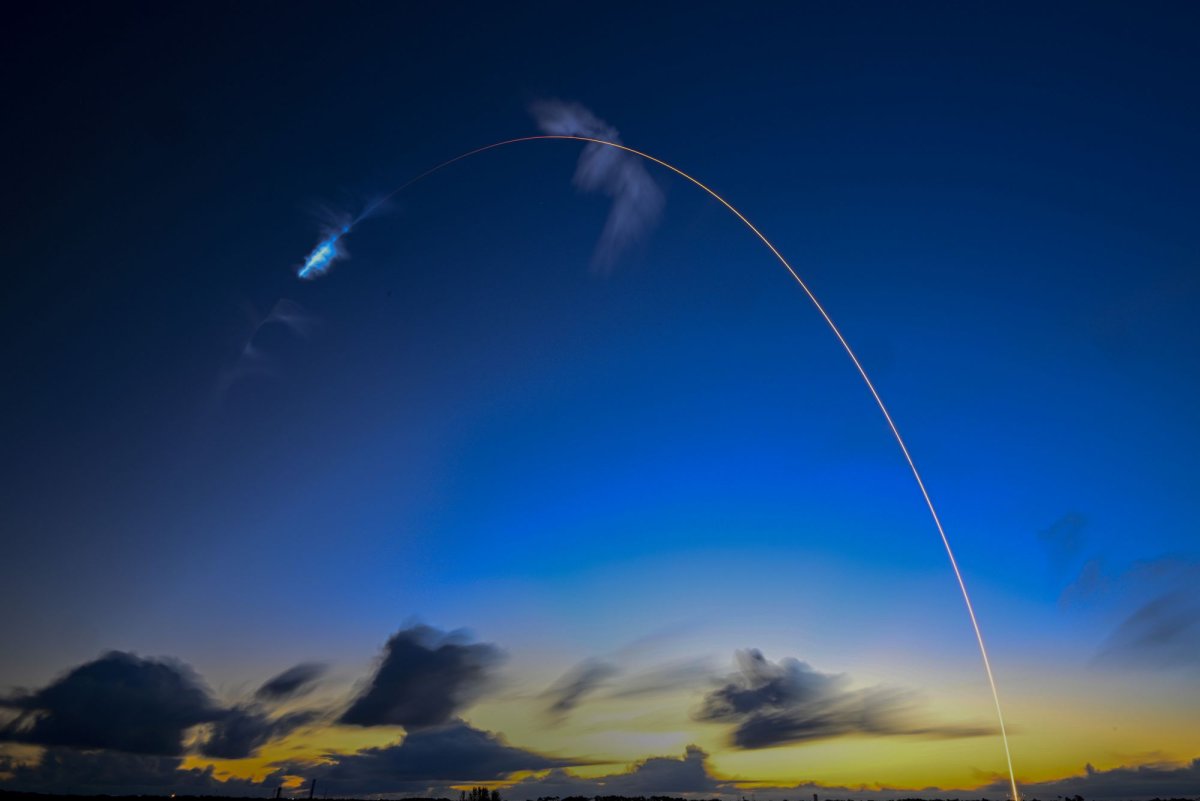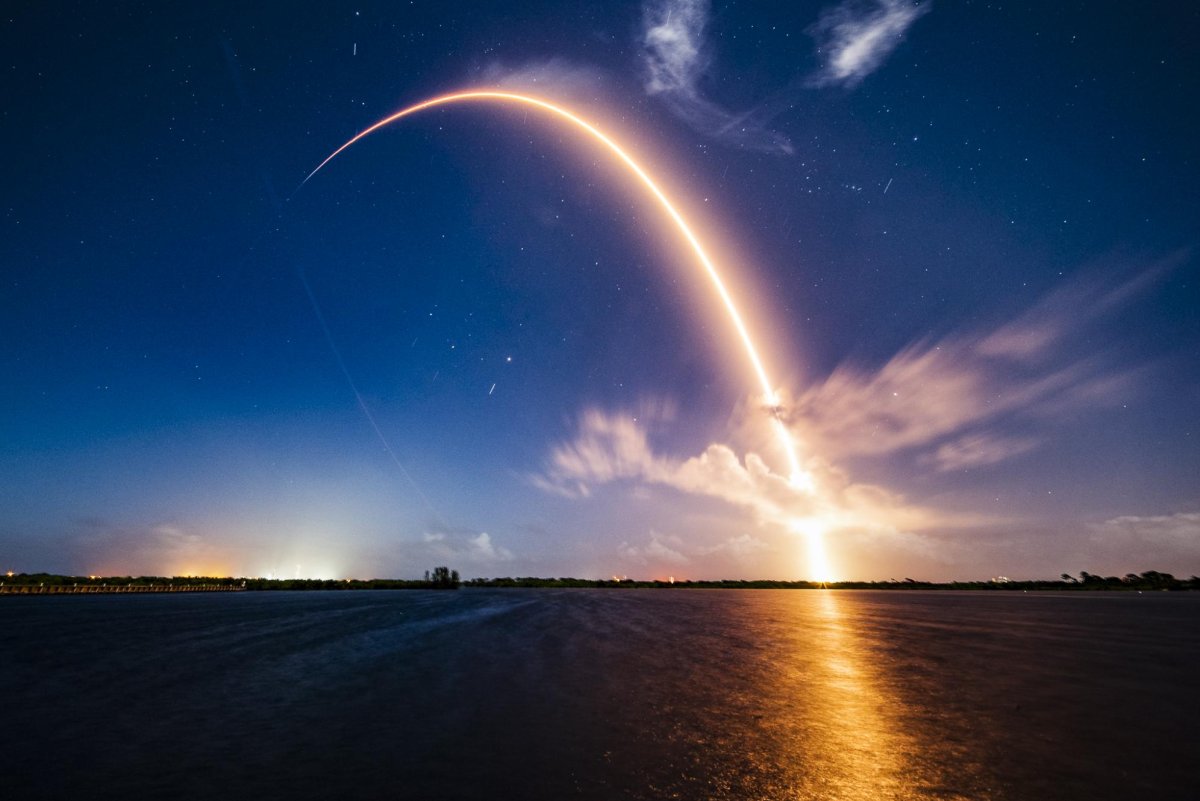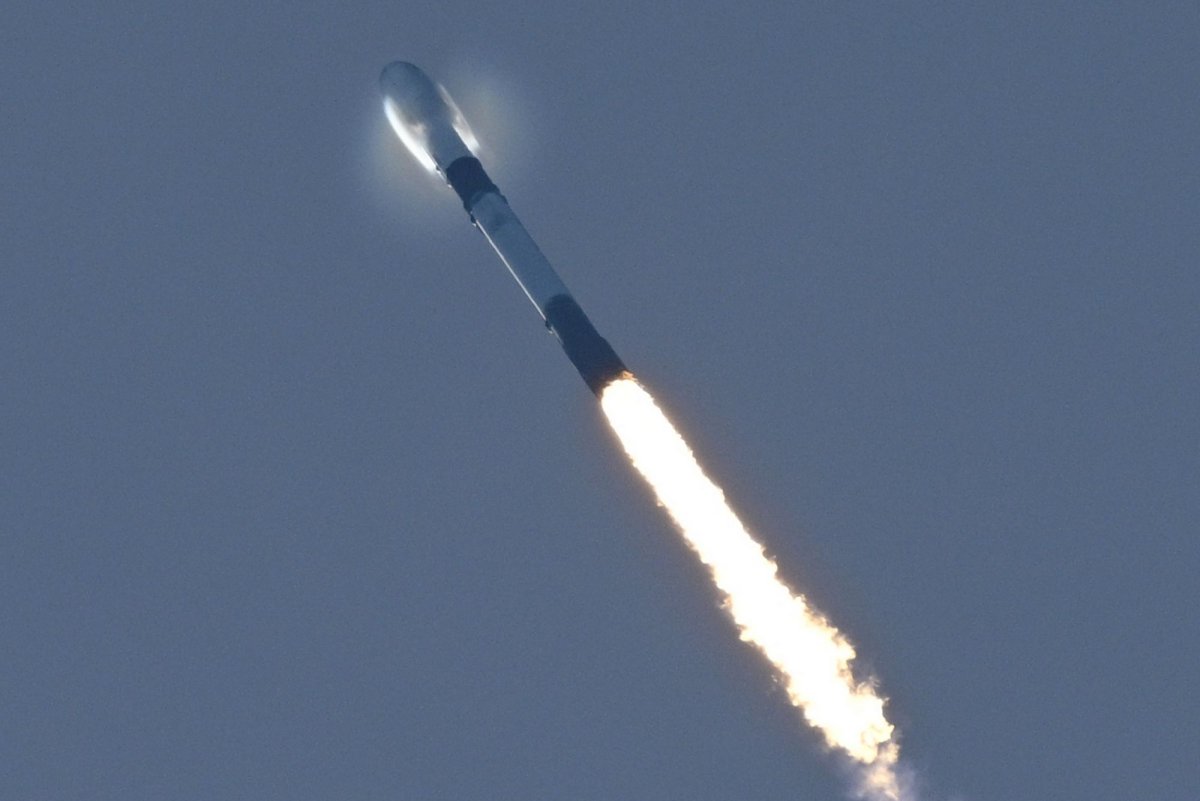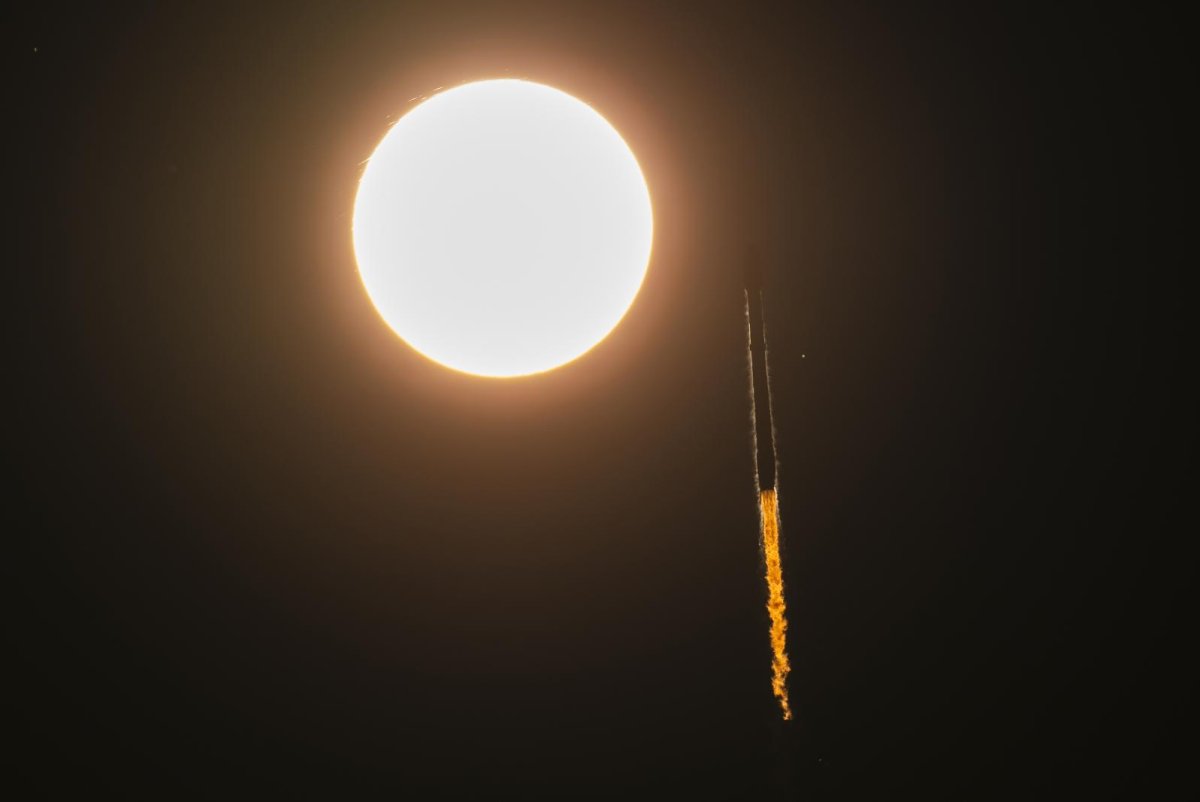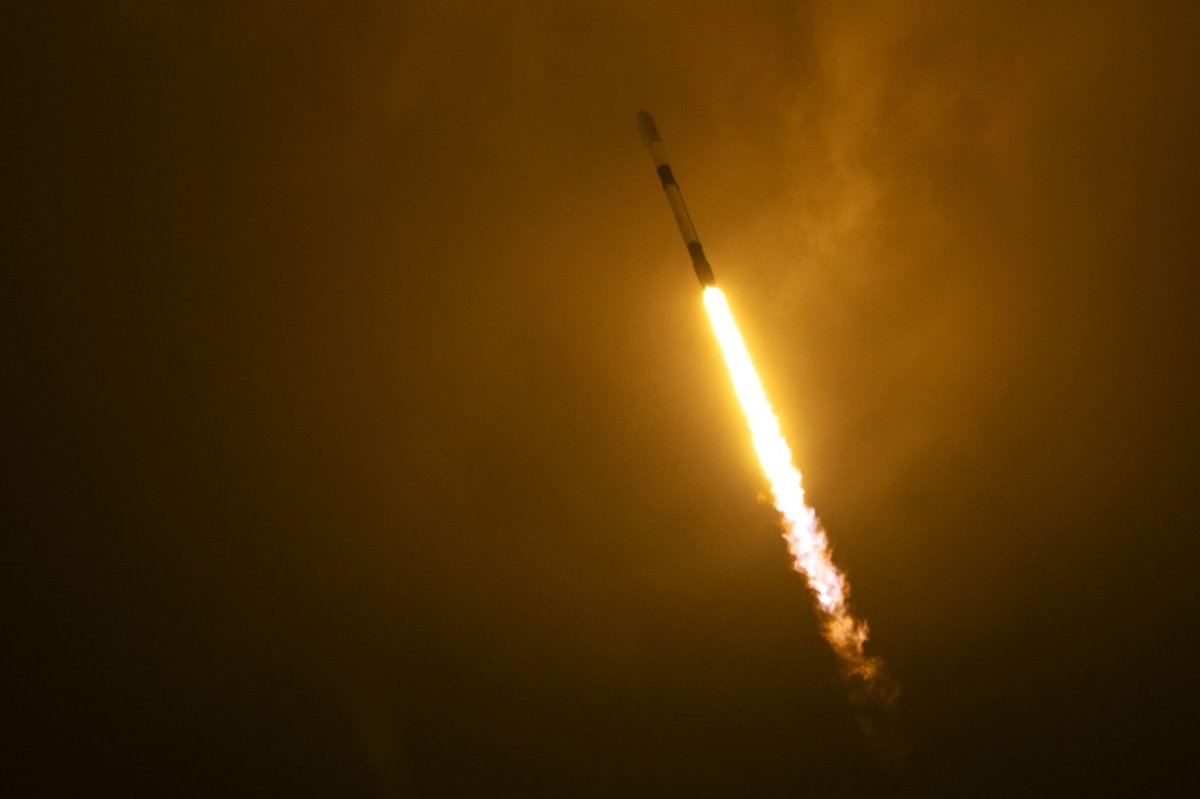
Illuminated by a low deck of clouds, the SpaceX Falcon 9 rocket launches on mission 10-45 at 5:10 a.m. from Launch Complex 40 at the Cape Canaveral Space Force Station, Fla., on July 14. Twenty nine more Starlink satellites were boosted to low earth orbit. This launch marks the 600th time that a previously flown booster was used to launch a payload to orbit. Photo by Joe Marino/UPI | License Photo
A commercial robotic spacecraft called LINK launched on an emergency mission to save NASA's Neil Gehrels Swift Observatory, which has been slowly falling toward Earth, on July 3, 2026. Over the coming weeks, LINK, built by Katalyst Space Technologies, will try to grasp the telescope, then spend months raising it to a safer orbit.
A commercial satellite is the key to a difficult mission that aims to rescue NASA's Swift telescope in orbit.
For most of the space age, satellites have been disposable: moved aside or replaced when they ran low on fuel or failed. That wasn't much of an issue decades ago, when orbit was far less crowded. Now, space surveillance networks track tens of thousands of human-made objects, and the European Space Agency estimates that more than 1.2 million pieces of satellite and spacecraft debris larger than half an inch (1 centimeter) are in orbit. Even chunks that small are large enough to cause severe damage in a collision.