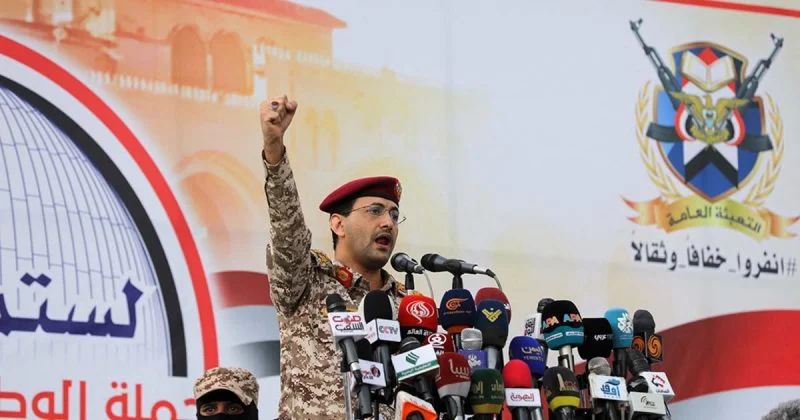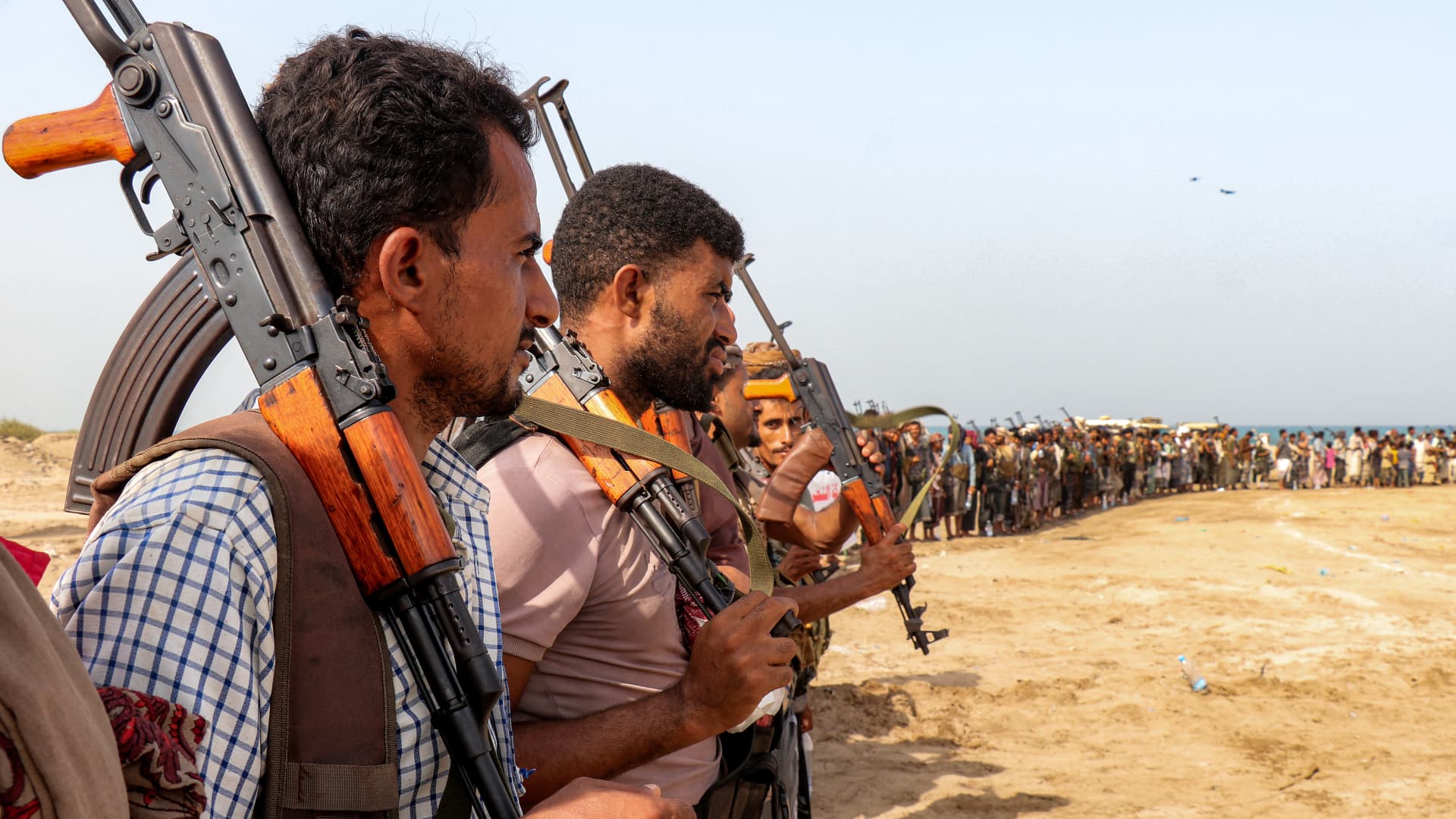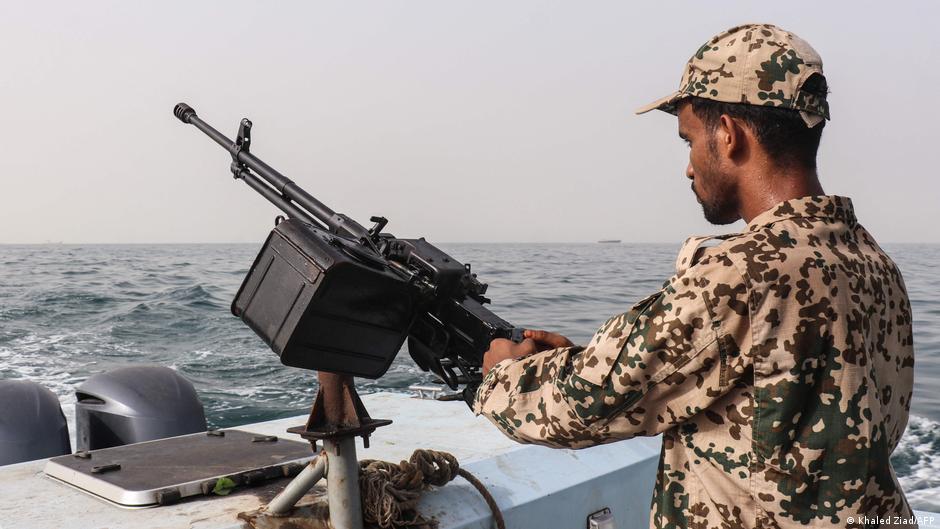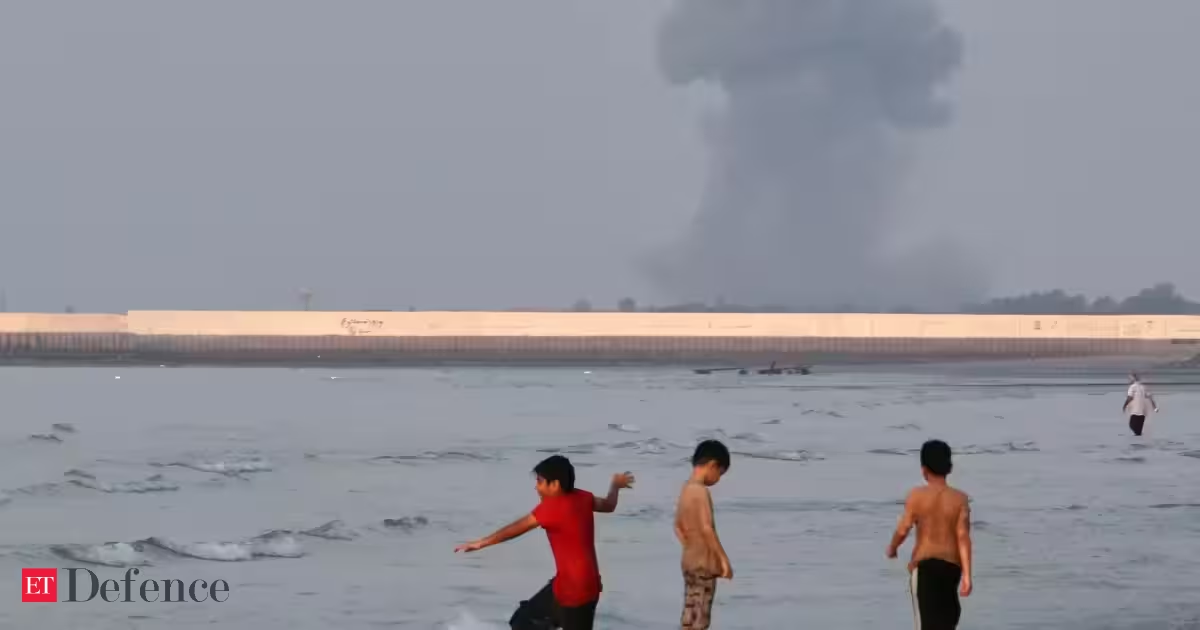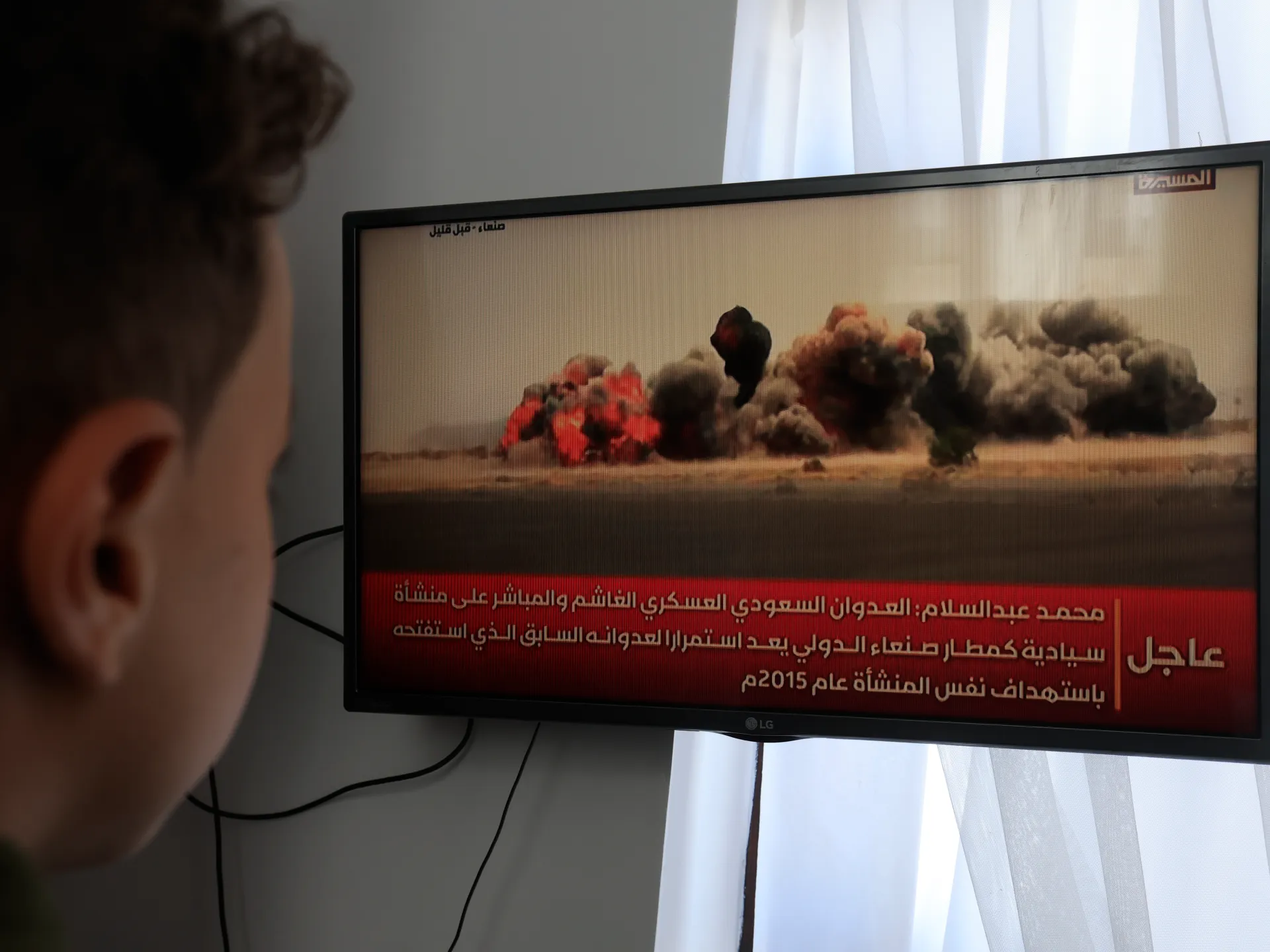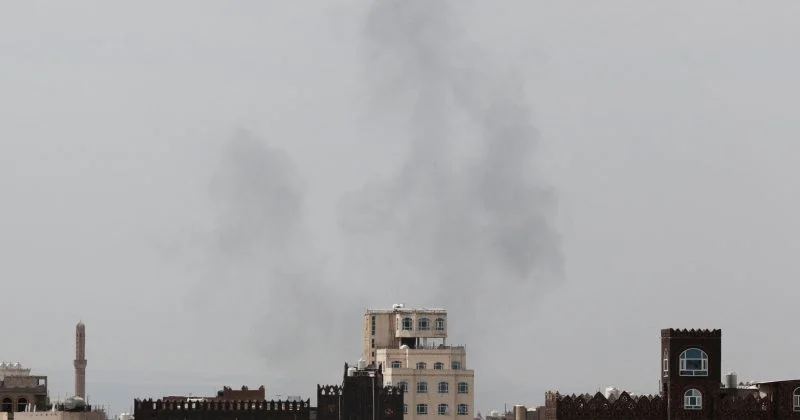
Recent violence in Yemen raised fears that the four-year truce between the Saudi-led coalition and Ansar Allah, the Houthi political movement, might collapse. On July 13, Saudi Arabia struck Sanaa International Airport on behalf of the internationally recognized government (IRG) in Aden, prompting Ansar Allah to retaliate with missile strikes targeting Abha International Airport in southern Saudi Arabia. Ansar Allah leader Abdul-Malik al-Houthi subsequently threatened Saudi oil facilities. On July 20, Ansar Allah’s military spokesman announced a full blockade on Saudi Arabia, in response to the Saudi blockade on Houthi territory. The IRG responded that it would resume oil exports from the territory it controls in southern Yemen, which had been halted since Ansar Allah damaged oil export facilities in 2022. As of Wednesday, four ships had changed course, heading north towards the Suez Canal rather than risking transit through the strait.
Yet despite the escalation, neither side wishes to return to full-scale war.
Recent violence in Yemen raised fears that the four-year truce between the Saudi-led coalition and Ansar Allah, the Houthi political movement, might collapse. On July 13, Saudi Arabia struck Sanaa International Airport on behalf of the internationally recognized government (IRG) in Aden, prompting Ansar Allah to retaliate with missile strikes targeting Abha International Airport in southern Saudi Arabia. Ansar Allah leader Abdul-Malik al-Houthi subsequently threatened Saudi oil facilities. On July 20, Ansar Allah’s military spokesman announced a full blockade on Saudi Arabia, in response to the Saudi blockade on Houthi territory. The IRG responded that it would resume oil exports from the territory it controls in southern Yemen, which had been halted since Ansar Allah damaged oil export facilities in 2022. As of Wednesday, four ships had changed course, heading north towards the Suez Canal rather than risking transit through the strait.