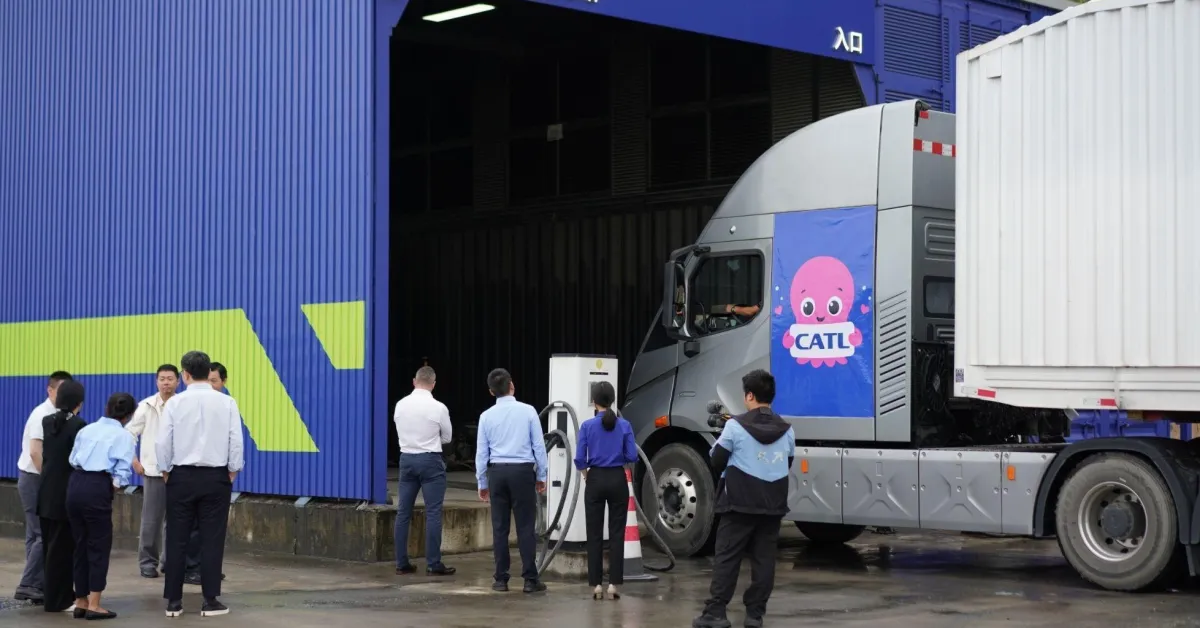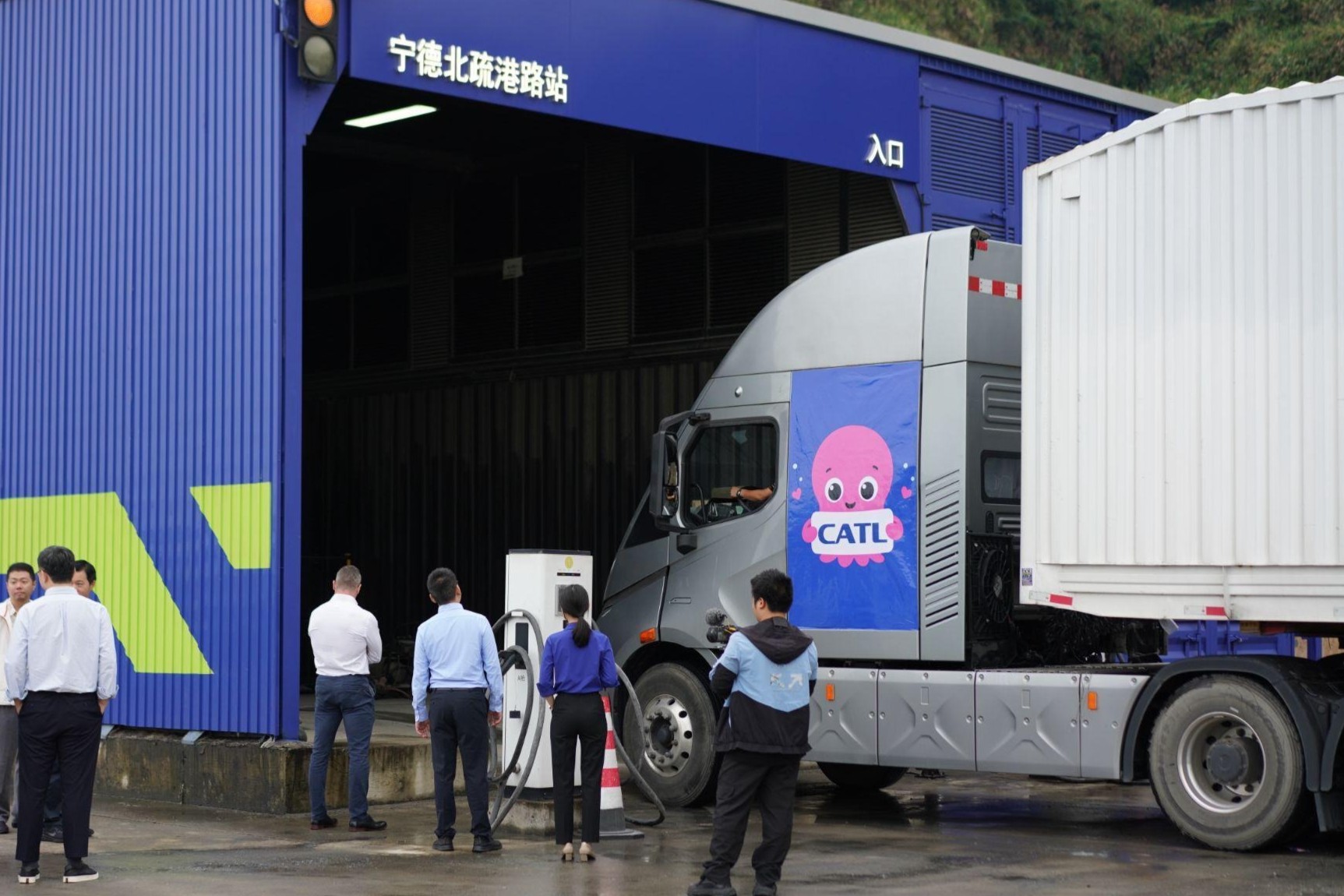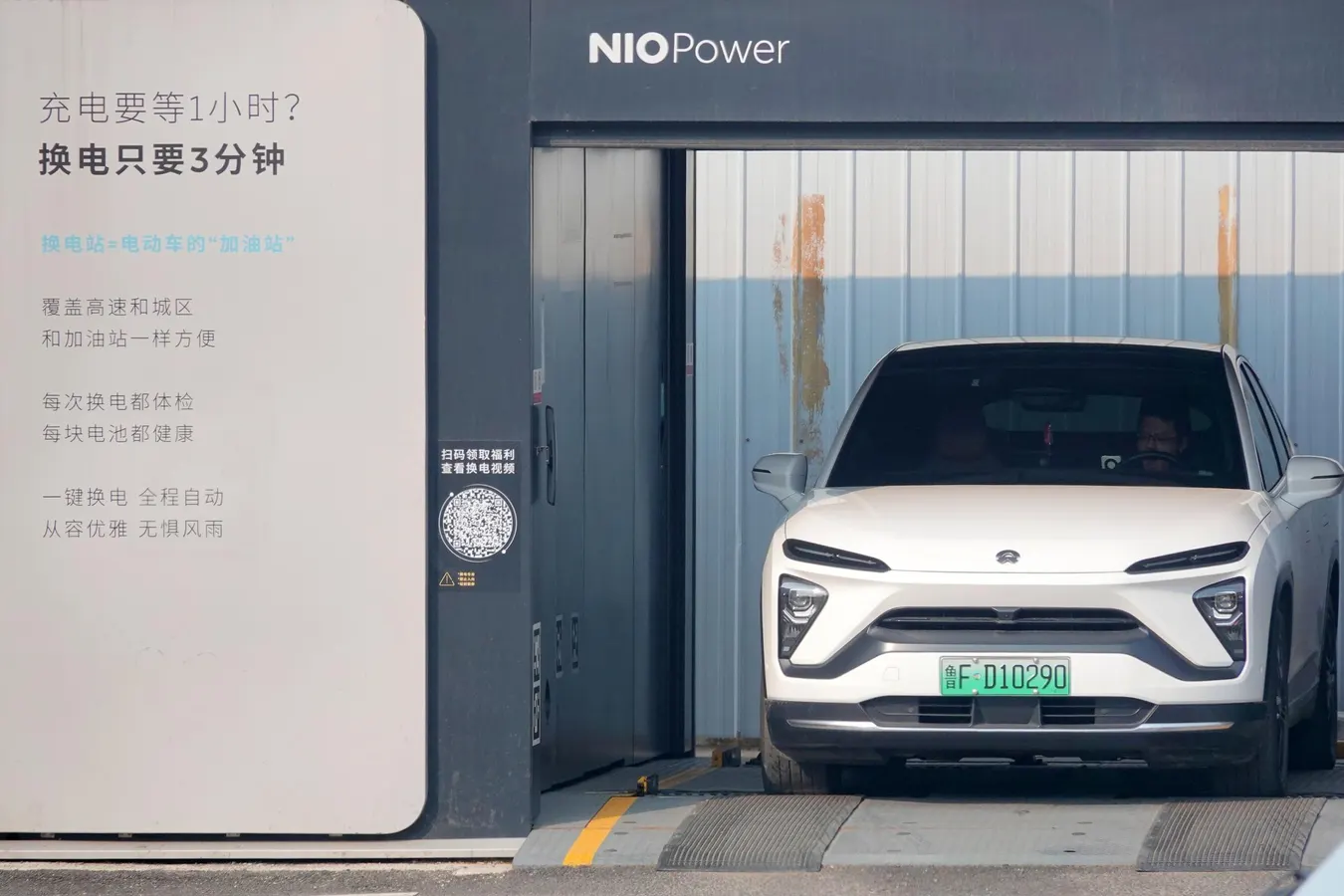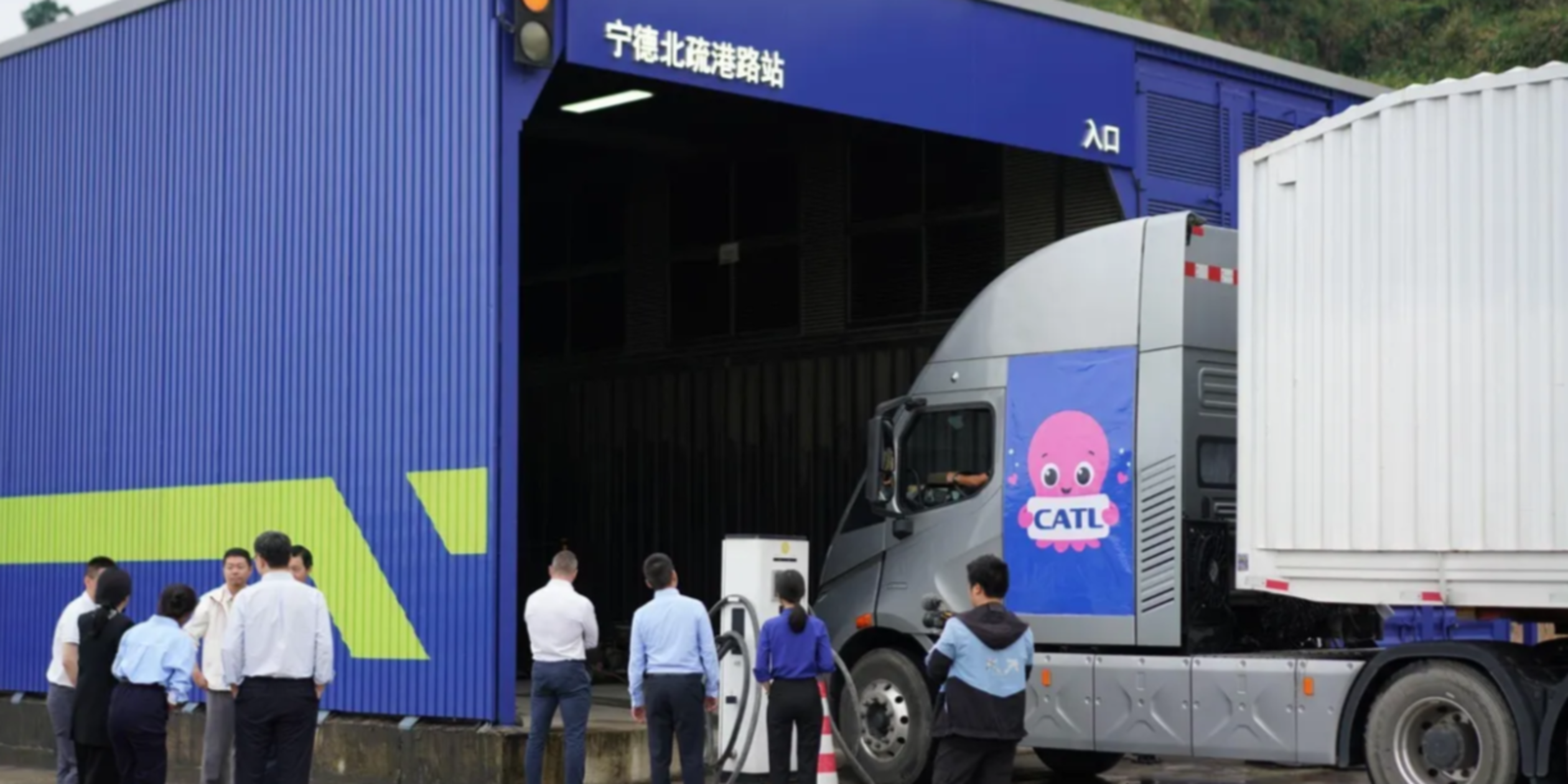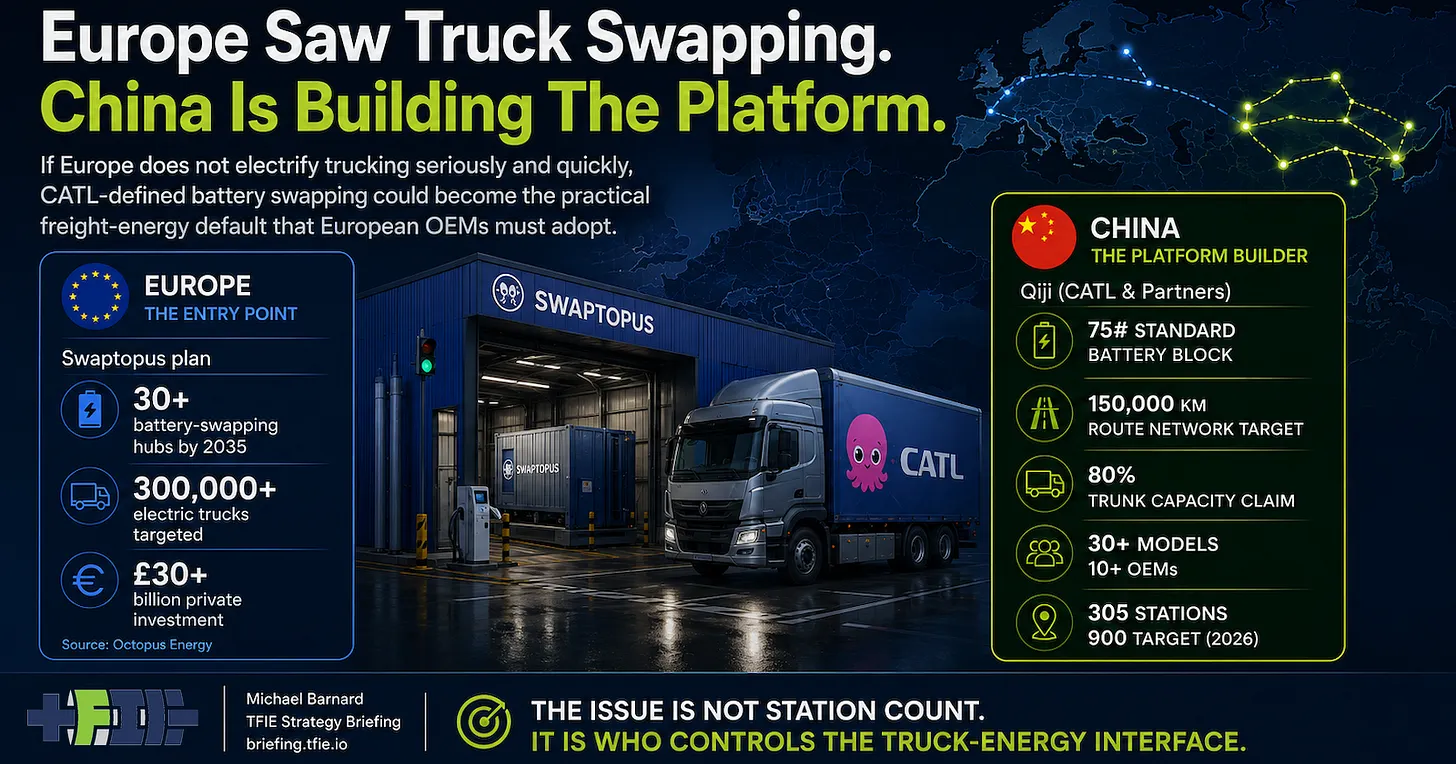
Swaptopus is Europe’s entry point into a larger Qiji platform linking standardized truck batteries, swap stations, operating data, finance and route-energy dispatch.
Support CleanTechnica's work through a Substack subscription, on Patreon, or on Stripe. Help us produce all of the high-quality, original content we publish week after week despite the challenges of content-scraping AI, antisocial media, inflation, and other hurdles.
Swaptopus is easy to misread as a quirky name for another electric-truck infrastructure project. It is a newly formed joint venture between Octopus Energy and CATL, created to develop automated battery-swapping hubs for heavy trucks across Europe. Octopus is a UK-founded energy and technology group whose activities span electricity retail, renewable generation, energy trading and the Kraken software platform used to manage customers and flexible energy assets. CATL is the world’s largest electric-vehicle battery manufacturer, with a 39.2% global power-battery market share in 2025 and large businesses in stationary storage and battery swapping.
The combination is more consequential than either company announcing a pilot on its own. CATL brings batteries, standardized swapping equipment and operating experience from China. Octopus brings European electricity supply, trading, flexibility management, customer relationships and software. The joint venture says its first UK hubs will open in 2027, with more than 30 planned across Europe by 2035. It claims the eventual network could support more than 300,000 trucks and attract over £30 billion in private investment, although “support” should be read as an ecosystem-reach ambition rather than a claim that 30 sites will exchange the batteries of 300,000 trucks every day.