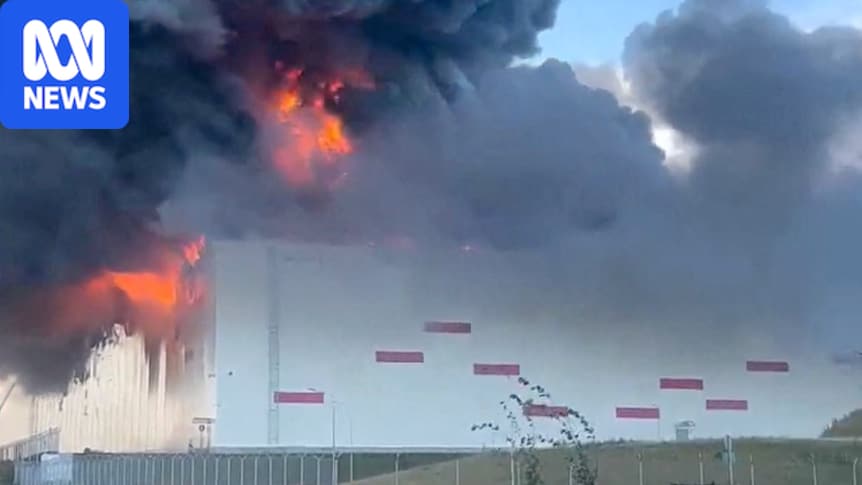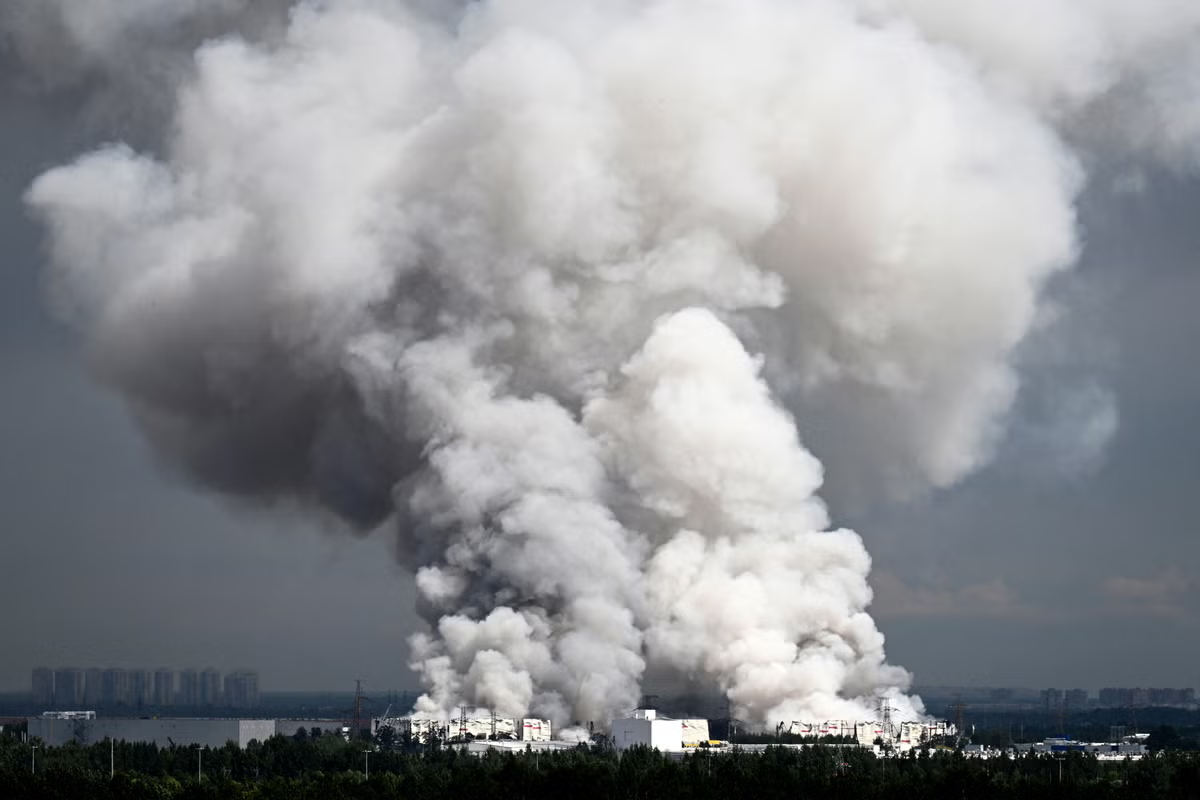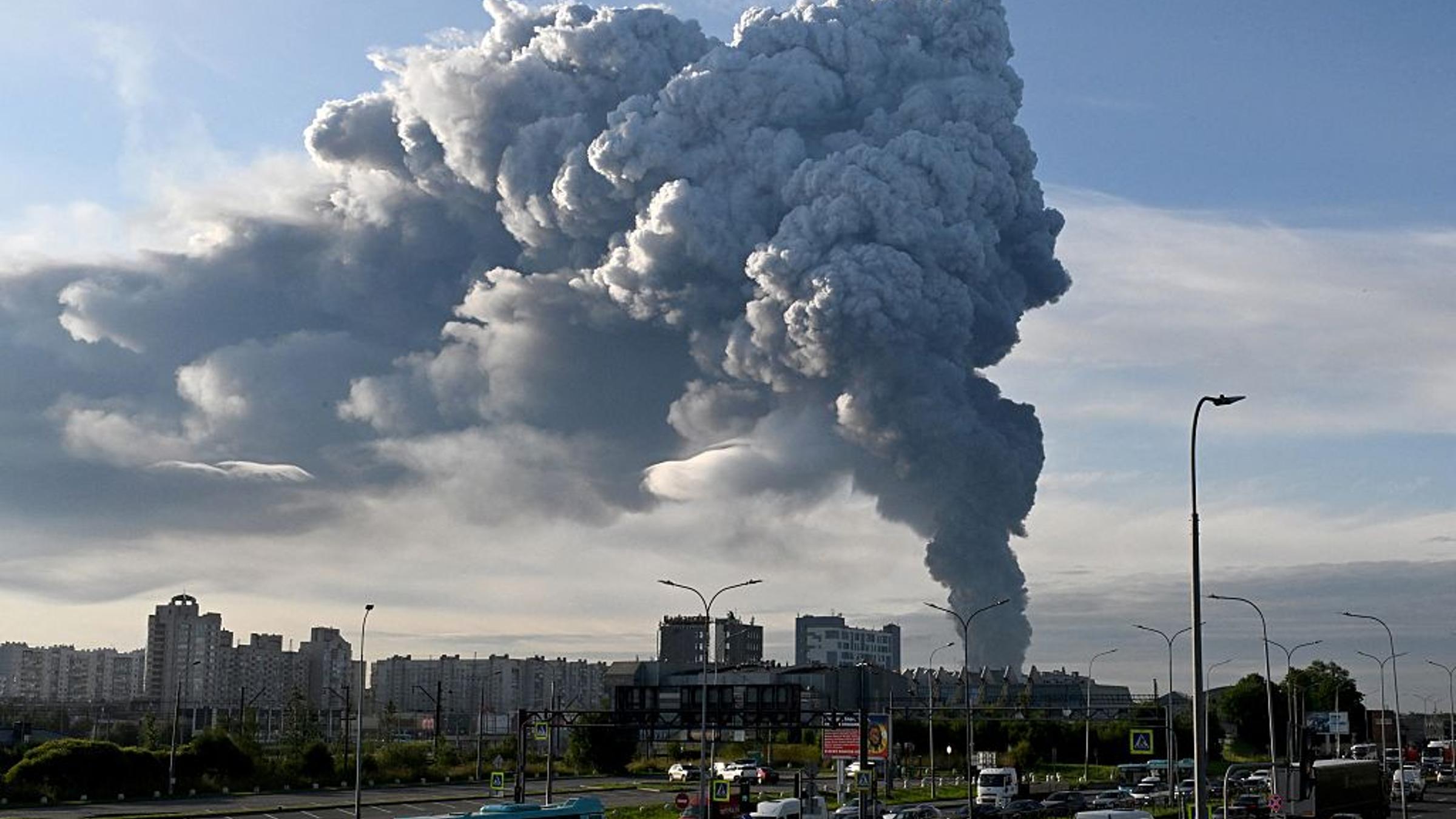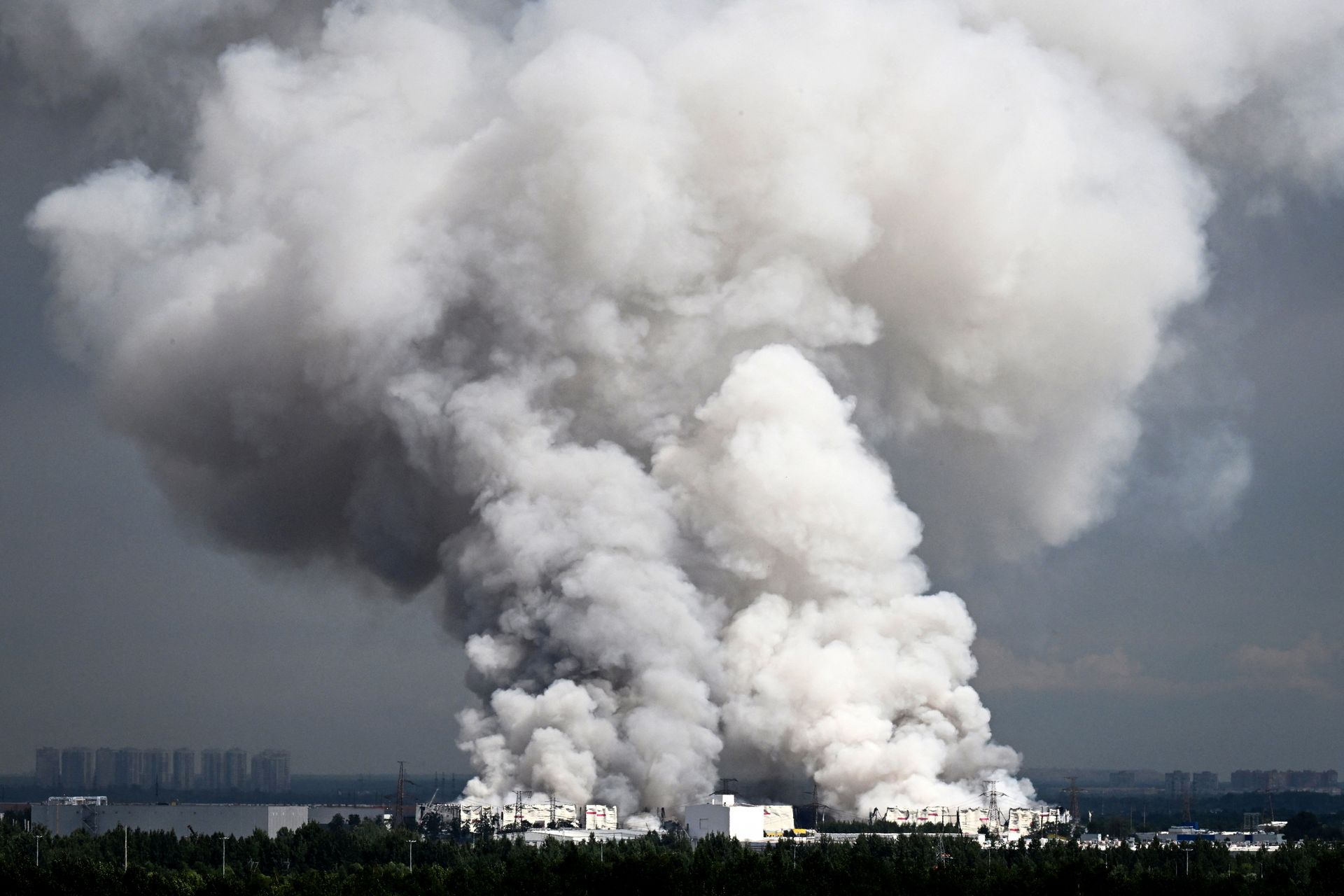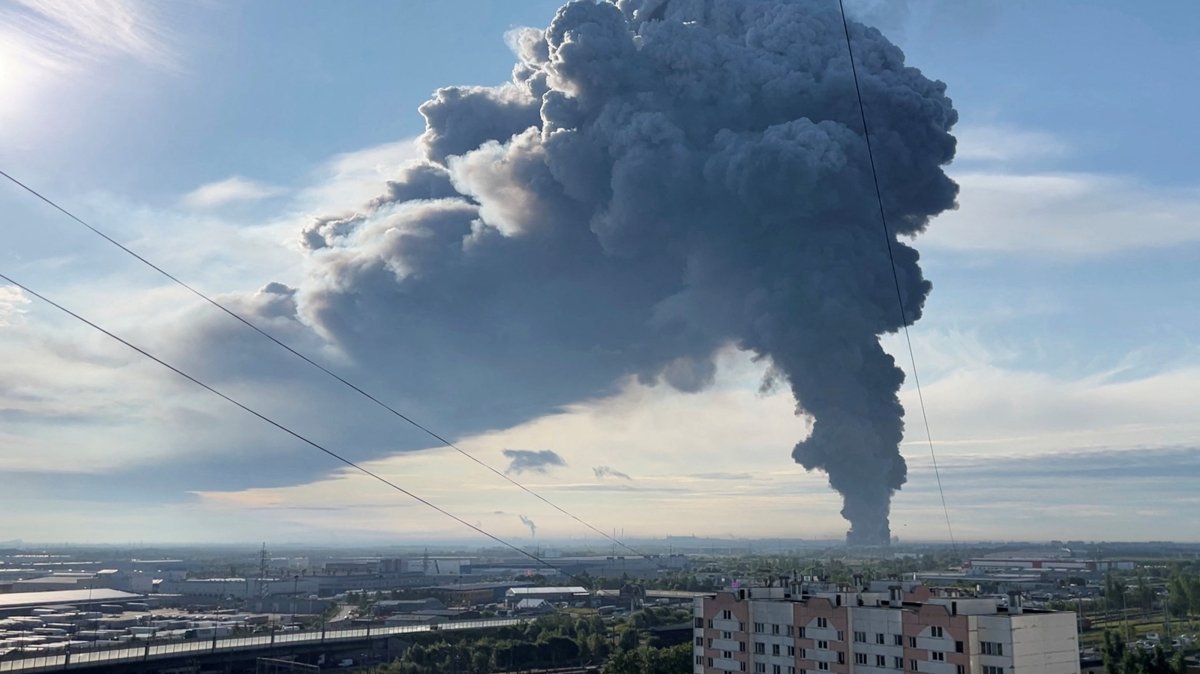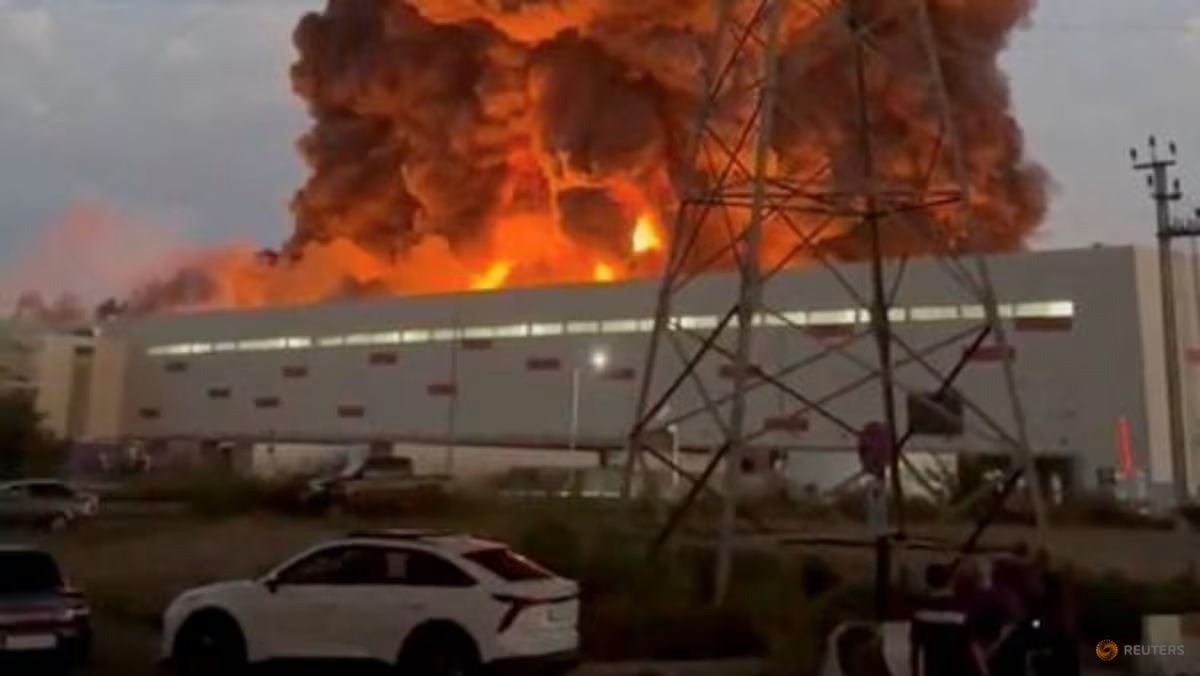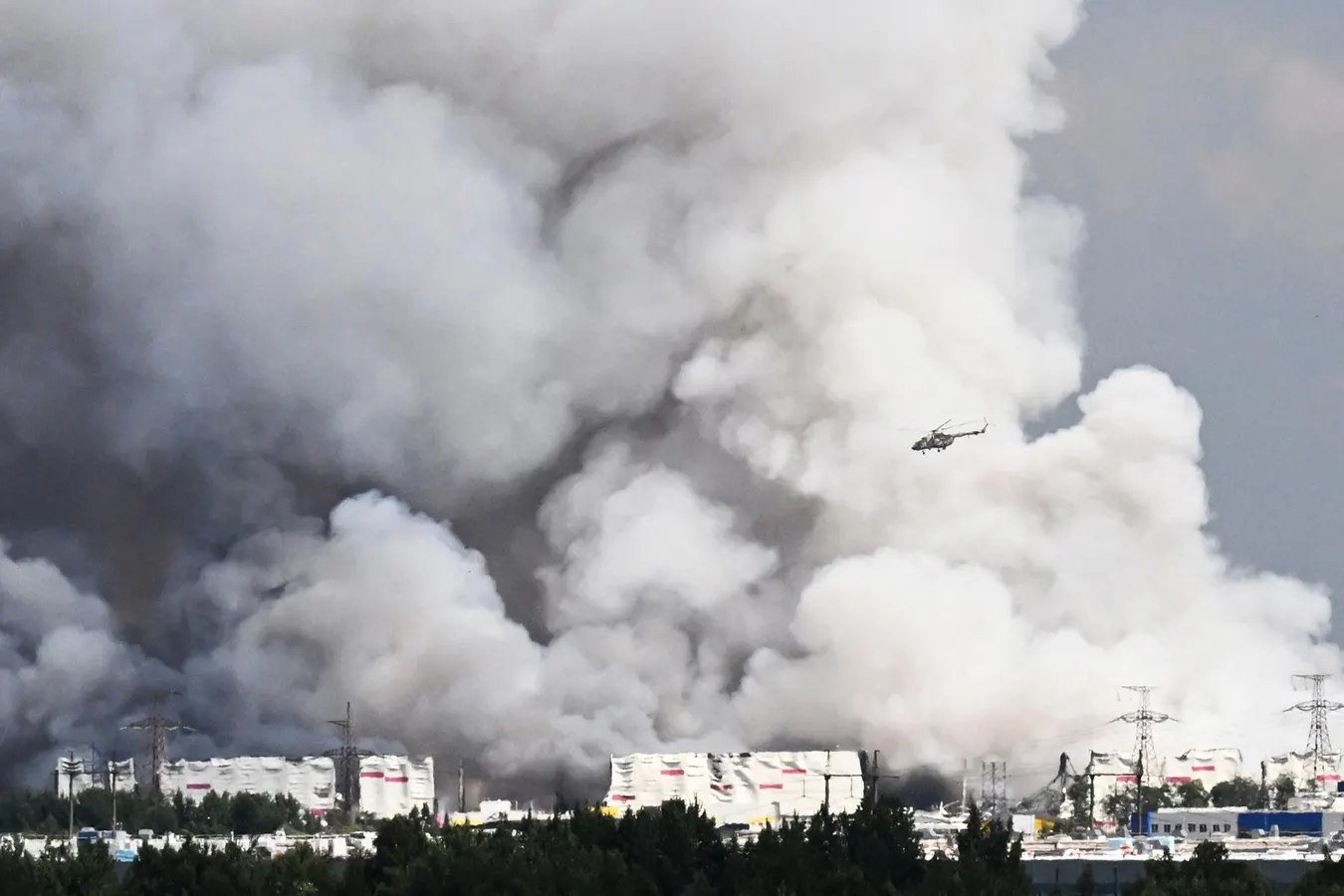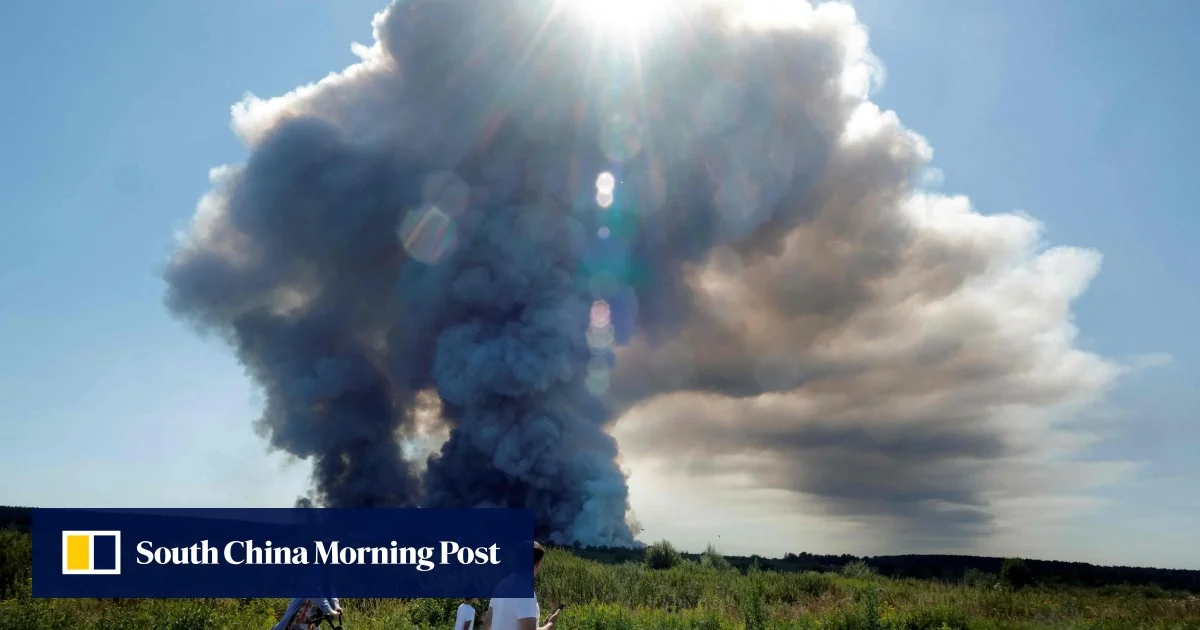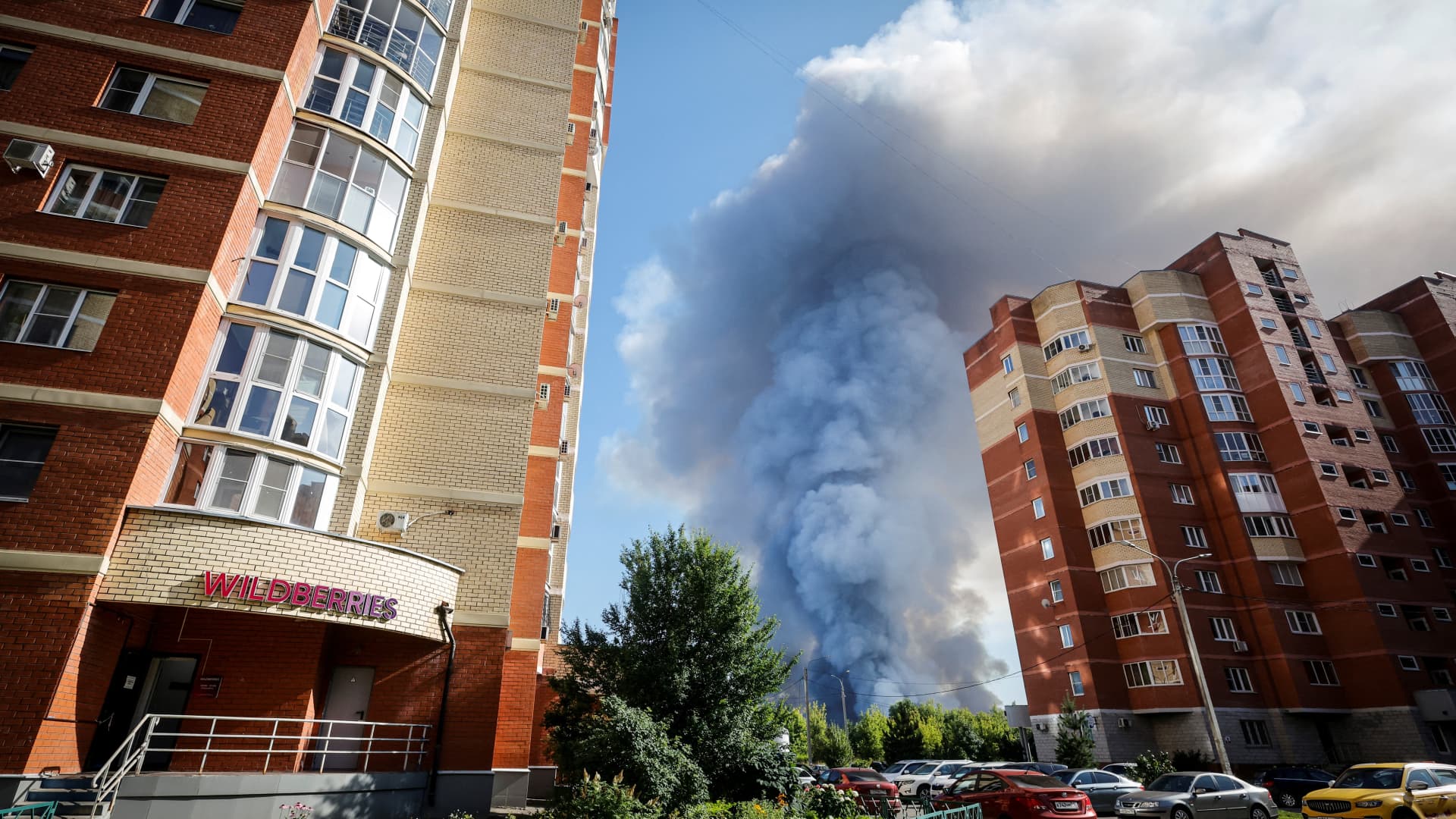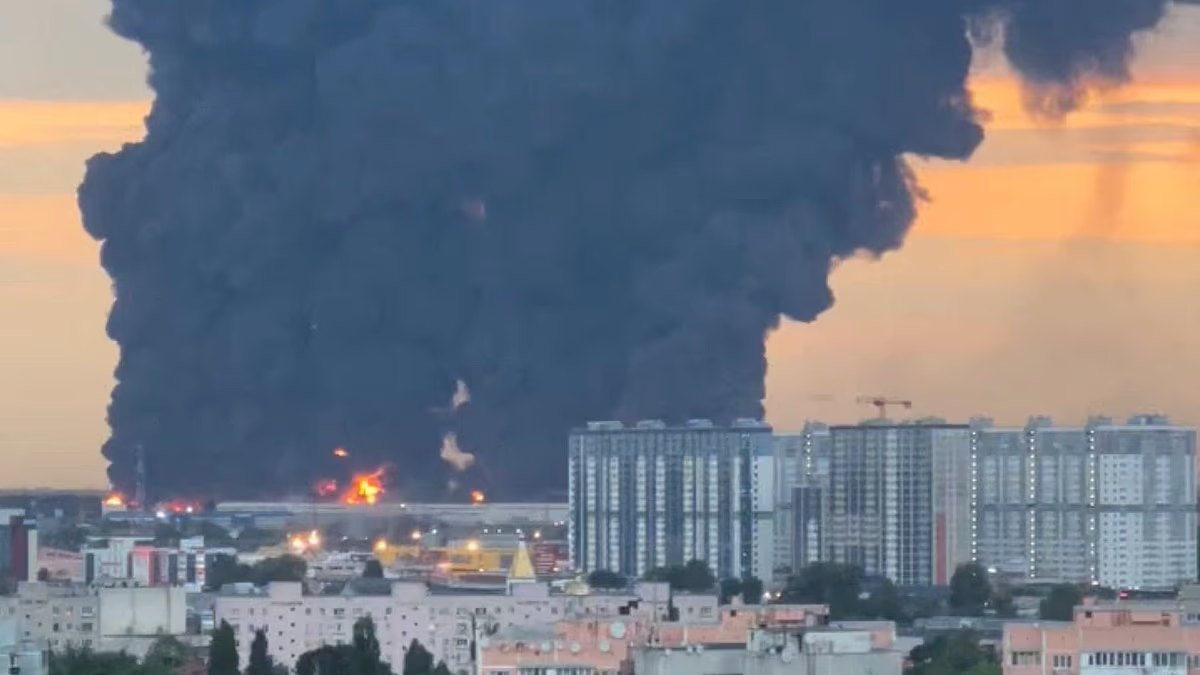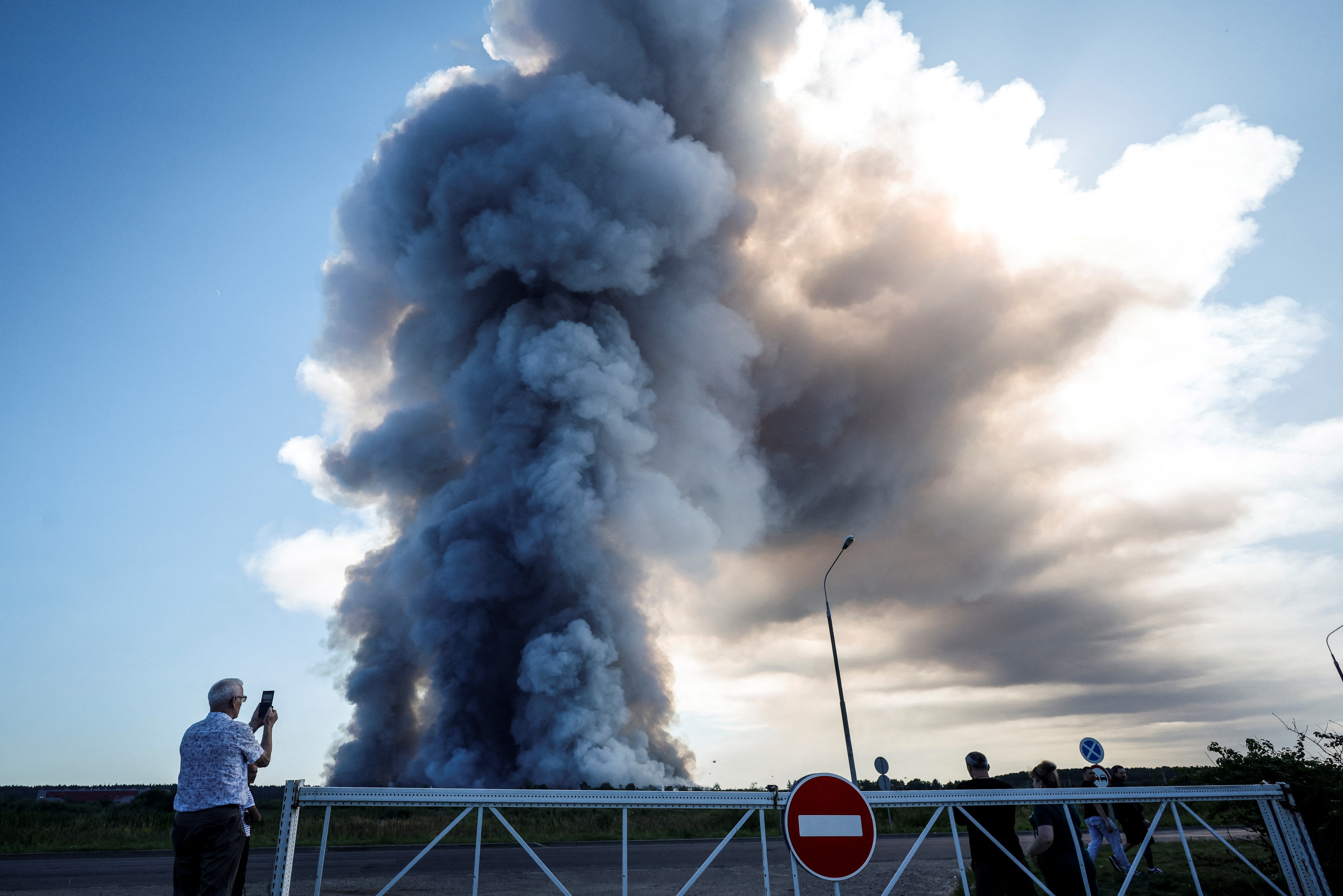
Ukrainian drone strikes on warehouses operated by Wildberries, Russia’s answer to Amazon, have jolted the country’s retail industry, forcing companies to rethink logistics and stoking fears of higher inflation.Why is Ukraine targeting online retailers? Ukraine has been ramping up long-range attacks against targets in Russia over the past months in an effort to cripple the Kremlin’s ability to finance its war. Initially centered on the oil industry, the strikes have caused fuel shortages and surging gasoline prices across Russia.Targeting large retail hubs may add a new level of pressure on Russia’s economy. Russia’s central bank already faces a complicated decision on whether to cut interest rates on Friday, even as businesses and households struggle under high borrowing costs and consumer demand slows.Ukrainian president Volodymyr Zelenskiy on Saturday framed the warehouse strikes as retaliation for Russian attacks against his country’s infrastructure, saying the facilities hit near Moscow and in Tambov were used by the Russian army. Russia has denied this. What is the Kremlin response?Kremlin spokesman Dmitry Peskov, discussing the warehouse fires publicly for the first time in three days, said on Tuesday that the government was in contact with the company, adding that the situation was “difficult” because of the losses suffered by Wildberries as well as small- and medium-sized businesses.He insisted the company had nothing to do with supplying Russian forces.Russia has repeatedly struck Ukraine’s Nova Poshta, which serves as a critical wartime logistics backbone for the country that moves goods, sustains e-commerce and delivers humanitarian aid, including in areas near the front line.Wildberries warehouse in the village of Koledino, outside Podolsk, near Moscow. Photograph: EPA What is Wildberries?Wildberries is Russia’s largest e-commerce platform. It has had four of its logistics hubs struck in the past week. On Wednesday, Ukraine attacked warehouses in Krasnodar and Nevinnomyssk in southern Russia, the company’s billionaire founder, Tatyana Kim, said on Telegram.Ten people were injured in the strike on Krasnodar, according to the region’s governor.Drones hit warehouses near Moscow and in Kotovsk in the Tambov region, about 480 kilometres southeast of the capital, on Saturday. Both belong to Wildberries, which last year processed merchandise worth the equivalent of nearly 3 per cent of the country’s gross domestic product.Smoke from the blaze in the Moscow region, which emergency crews extinguished on Tuesday, was visible from space. Seven people were killed in Kotovsk, and dozens more were injured across both attacks.Kim, Russia’s richest woman, founded the company more than two decades ago while on maternity leave, building it as a retailer for budget-conscious shoppers with little time to spare.In 2024, amid her divorce, she found herself at the centre of a scandal over a merger deal with Russ Group, the nation’s biggest outdoor advertiser, which was backed by Russia’s president Vladimir Putin. She holds a 65 per cent stake in the combined company.What impact is it having on Russia?Damage to the facilities hit over the weekend is estimated at about 30 billion rubles (€335 million), while losses suffered by sellers whose goods were stored there could reach 170 billion rubles, according to estimates by several experts cited in Russian media.Hundreds of small- and medium-sized businesses are facing potentially devastating losses after their goods were destroyed in the fire. Some business owners have said the losses could force them to close their companies. Larger companies, including Turkish apparel company Koton, have also had inventory destroyed.Affected merchants were offered loan restructuring by major lenders, but many fear their businesses are gone for good, according to posts on Russian social media.Smoke rising from a fire at a Wildberries logistics complex in the town of Elektrostal outside Moscow, last weekend. Photograph: Tatyana Makeyeva/AFP/Getty Images The financial impact has been amplified by changes to seller agreements introduced by both Wildberries and Ozon weeks before the attacks, shifting liability for drone attacks onto sellers.The weekend strikes had already prompted Russia’s biggest food retailers to examine how to diversify warehouses and inventory across more locations to reduce the risk of disruption, according to three executives at leading companies familiar with the discussions. They asked not to be identified because the deliberations aren’t public.One of the top grocery chains is shifting to a more decentralised logistics network. Instead of building mega-distribution centres of 100,000sq m to 200,000sq m, the company plans to rely on a wider network of regional facilities of 10,000sq m to 30,000sq m, so the loss of any single site wouldn’t disrupt operations, one of the sources said.The strategy also envisions building distribution centres divided into separate fire- and blast-resistant units to limit damage from an attack, using stores as local fulfillment hubs and keeping more inventory with suppliers until shortly before it’s needed, the source said.Shares in Ozon, Wildberries’ main publicly traded rival, fell nearly 12 per cent on the Moscow Exchange on Monday, before paring some losses as investors weighed the risk that it could face similar strikes.What happens next?It remains to be seen whether this marks the start of a sustained Ukrainian campaign against logistics hubs. The longer-term impact would be clearly negative, says Ekaterina Vlasova, CEE and Russia economist.“Companies may have to trade efficiency for resilience by dispersing inventories, duplicating capacity and spending more on security. That would further erode productivity, which is already one of the main constraints on Russia’s long-term growth. At the same time, higher logistics and operating costs would ultimately feed into consumer prices,” she said. - Bloomberg
Why Ukraine is targeting Russia’s answer to Amazon
Online retailer Wildberries has had four of its logistics hubs struck in the past week
896 words~4 min read