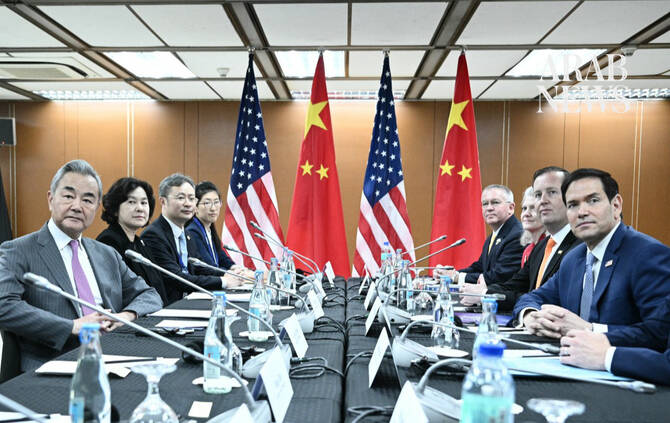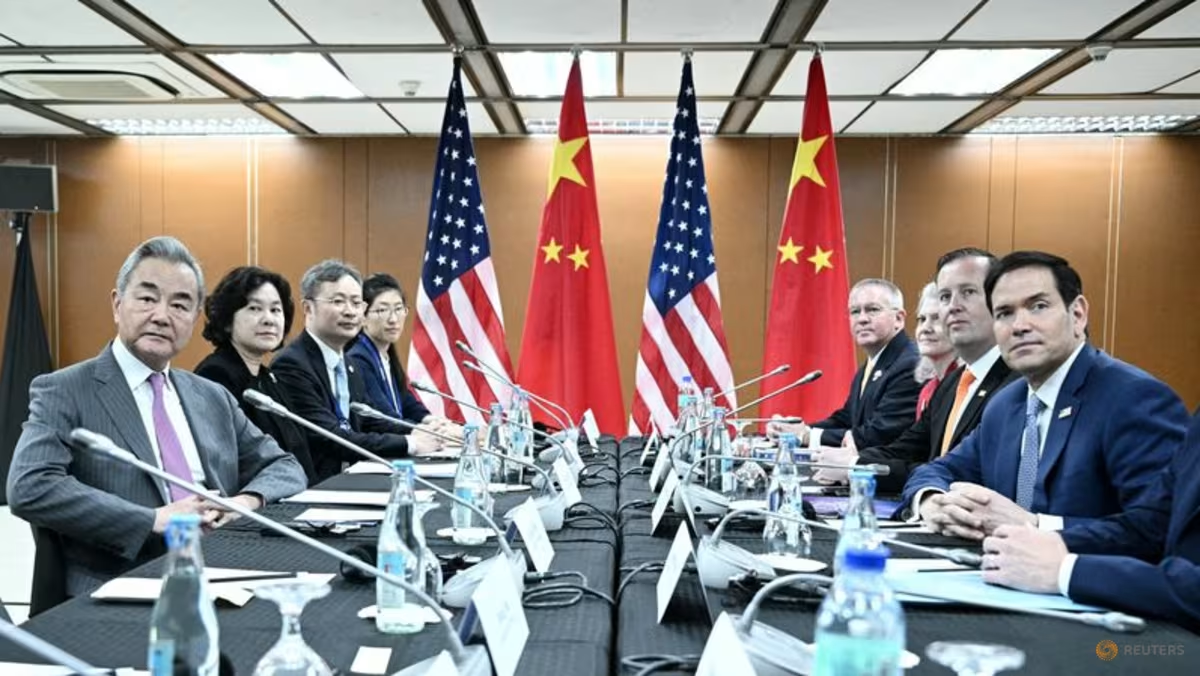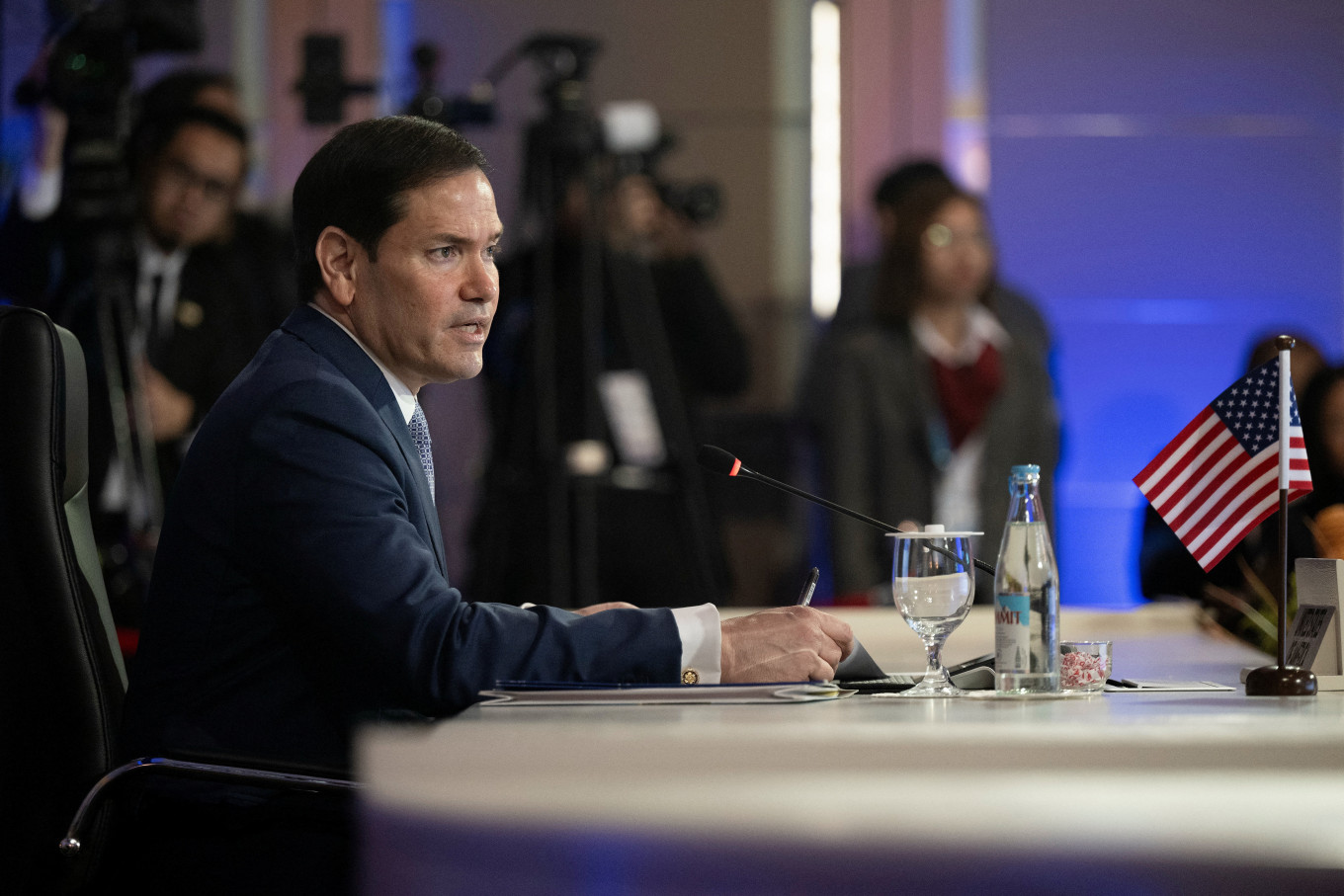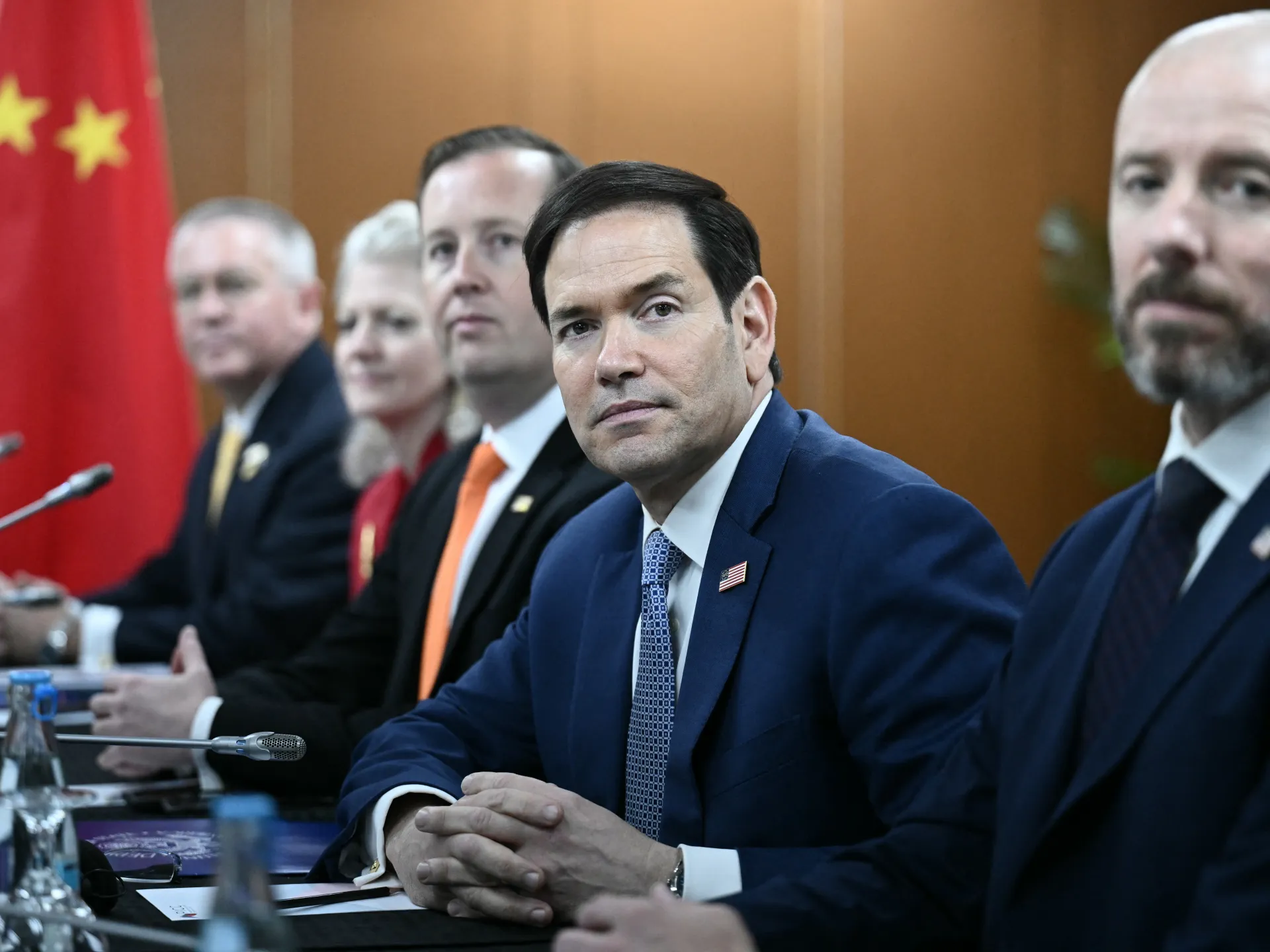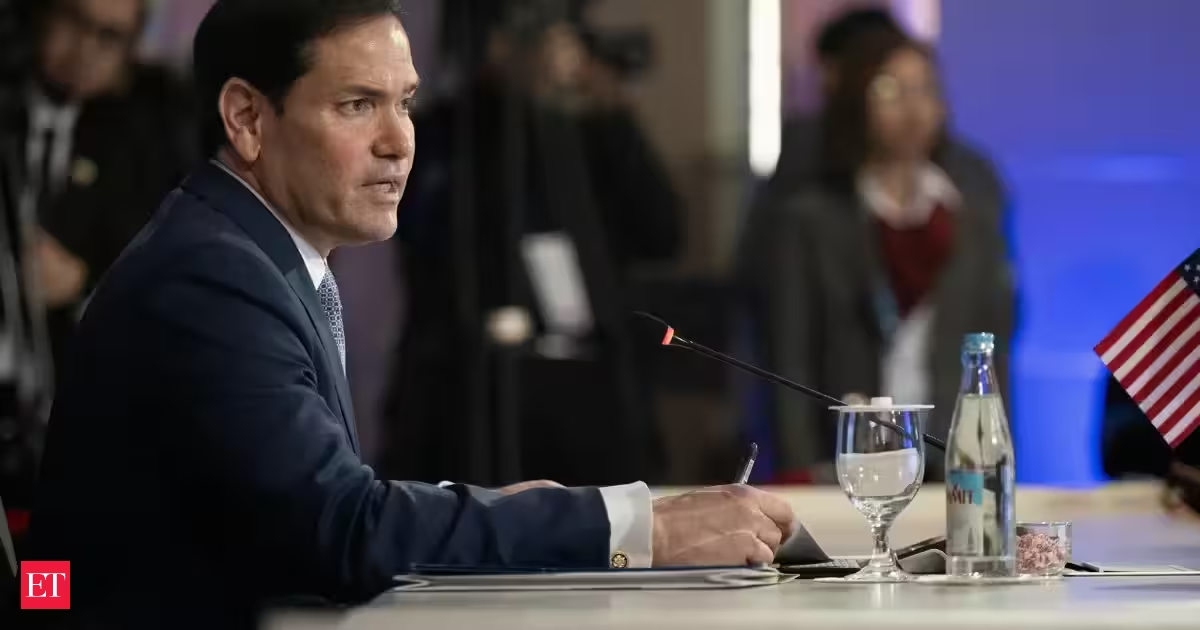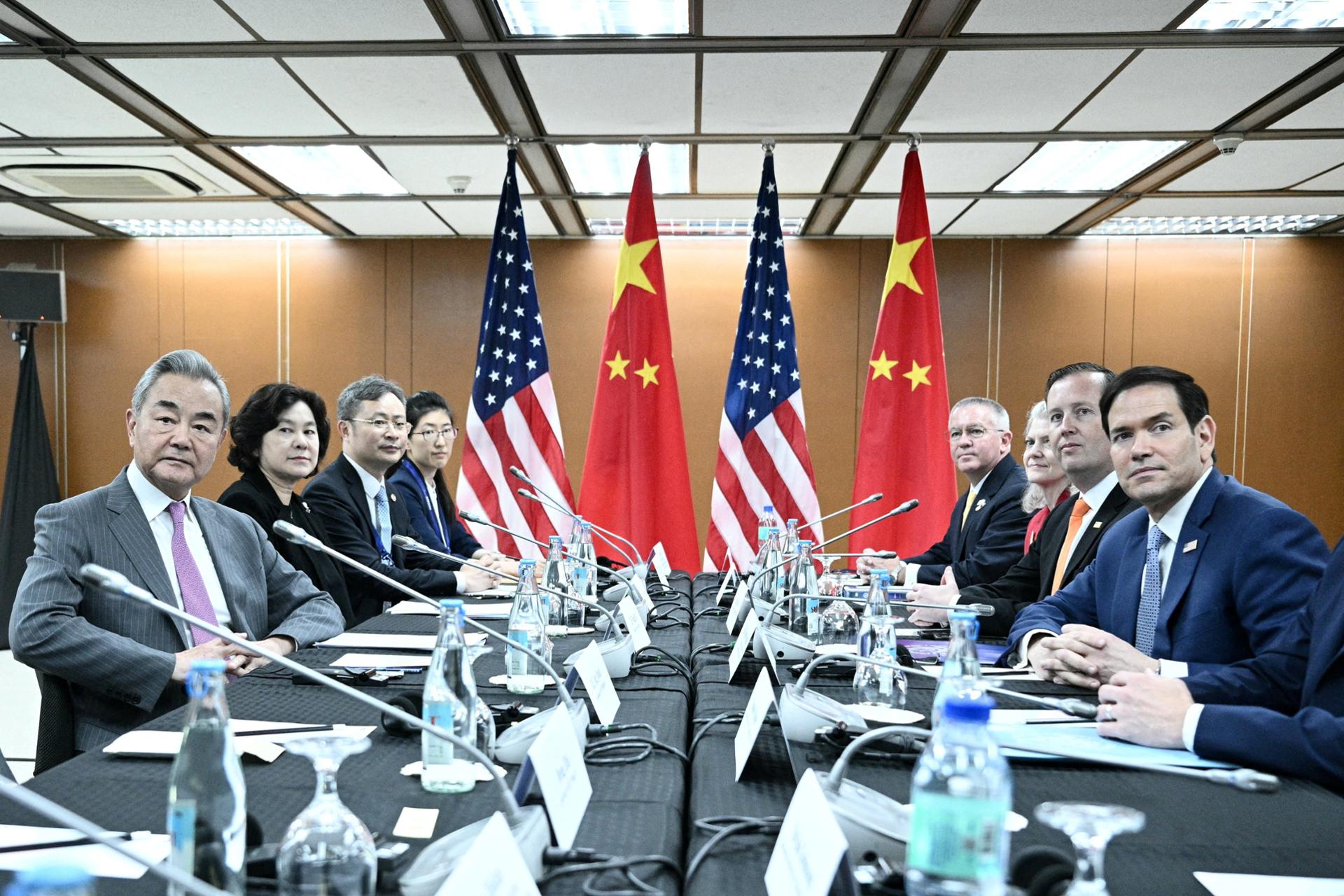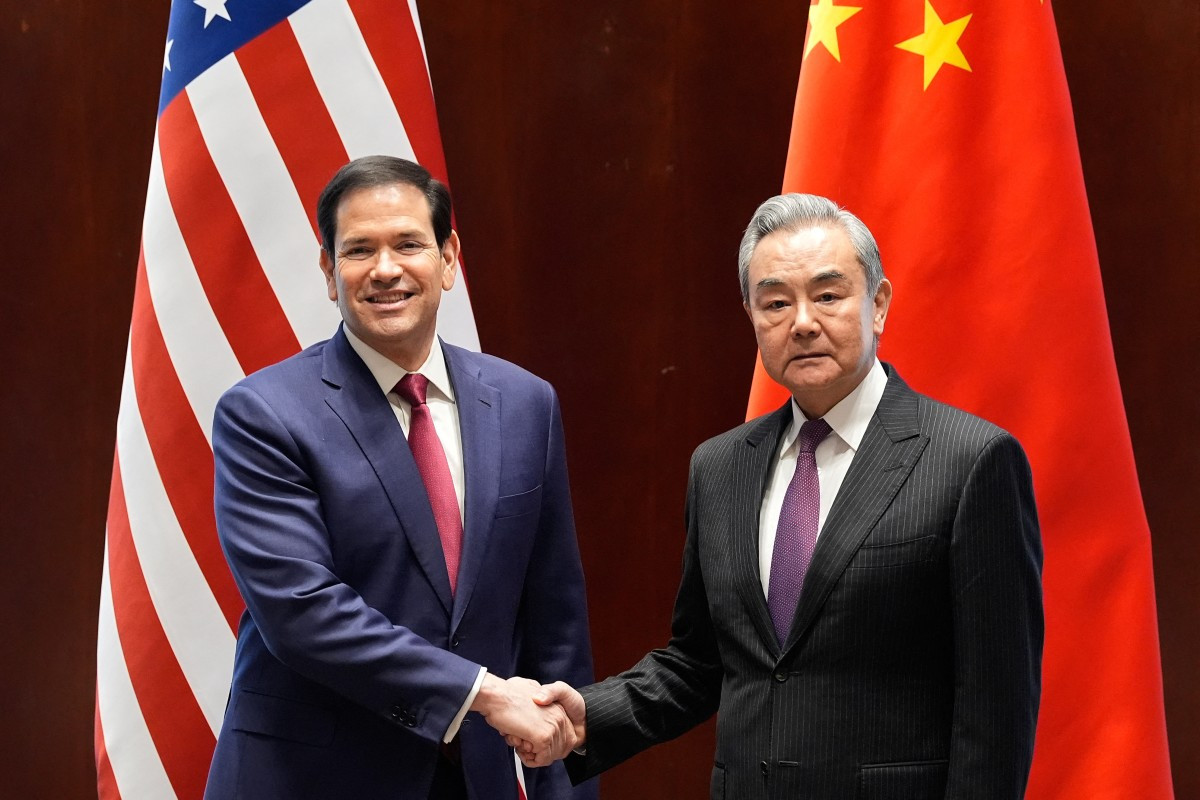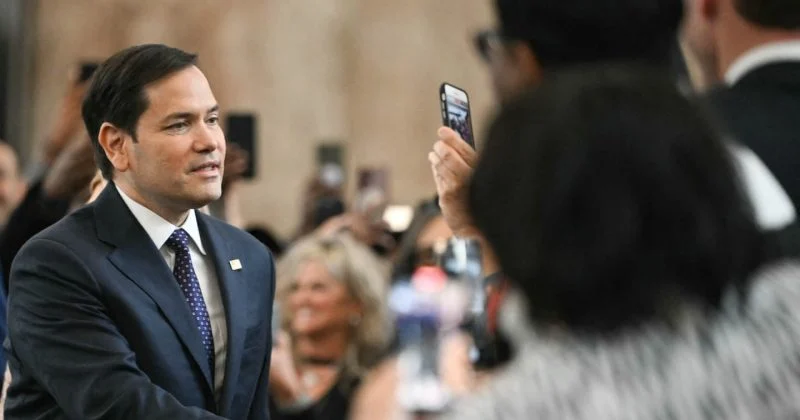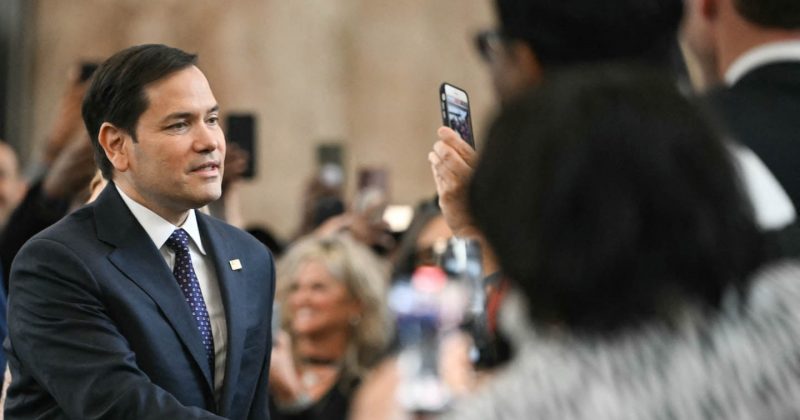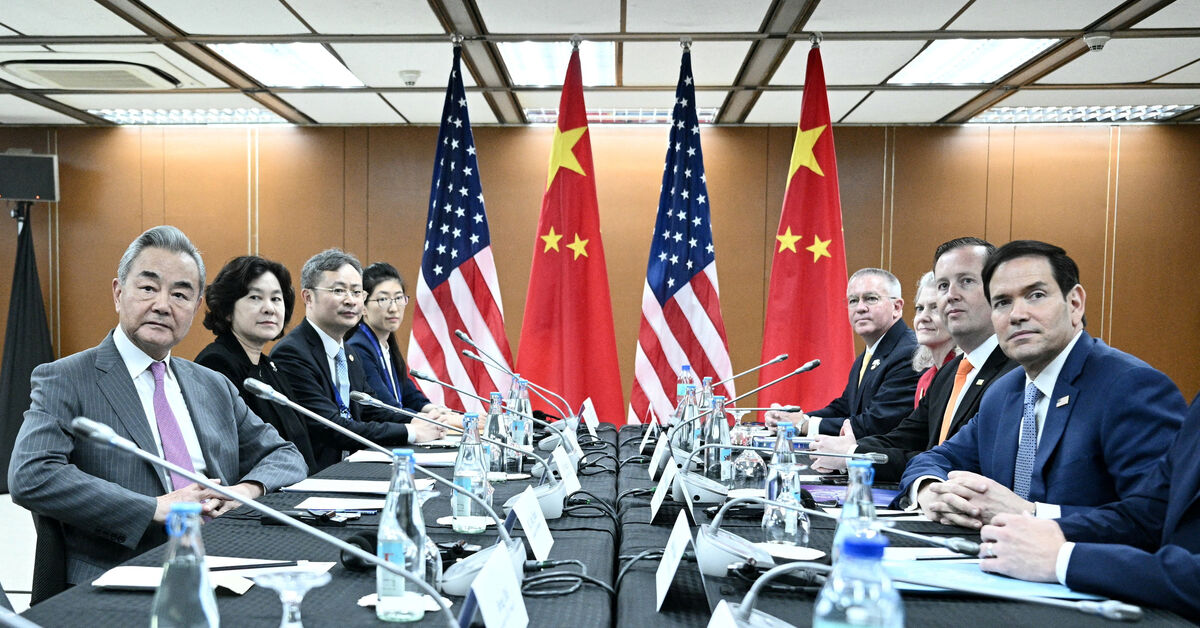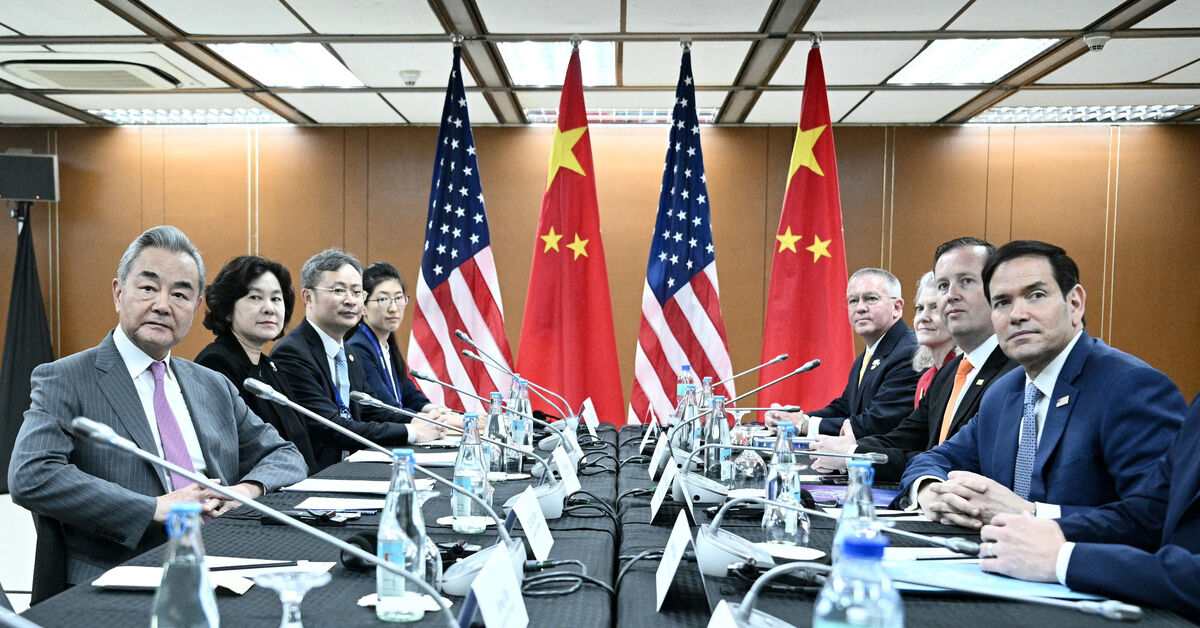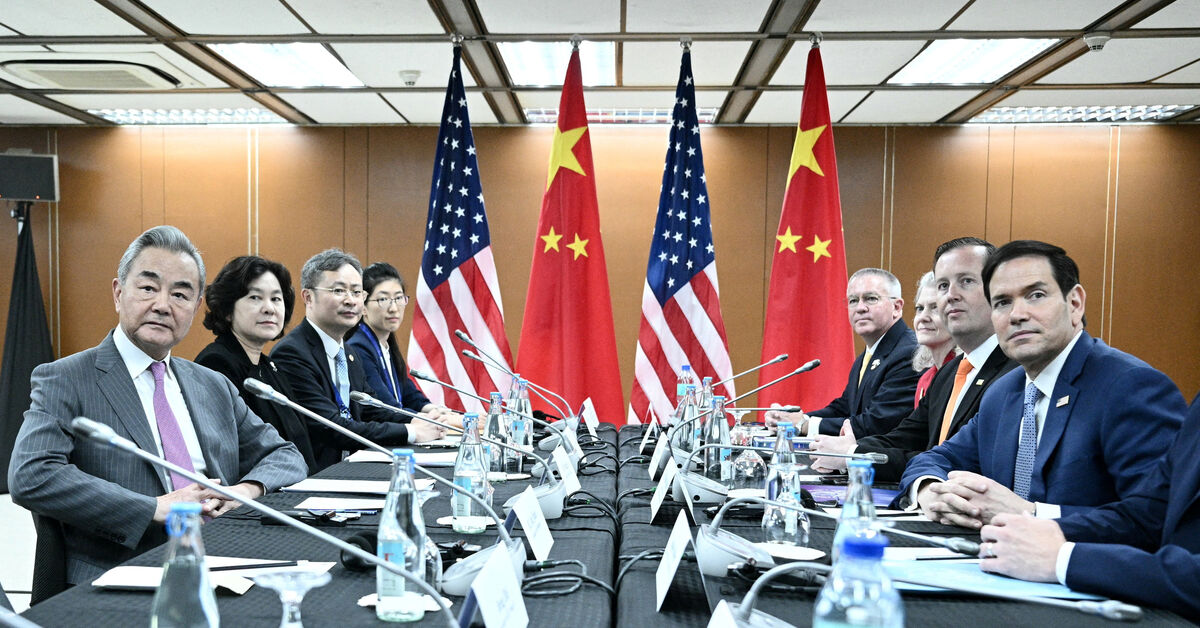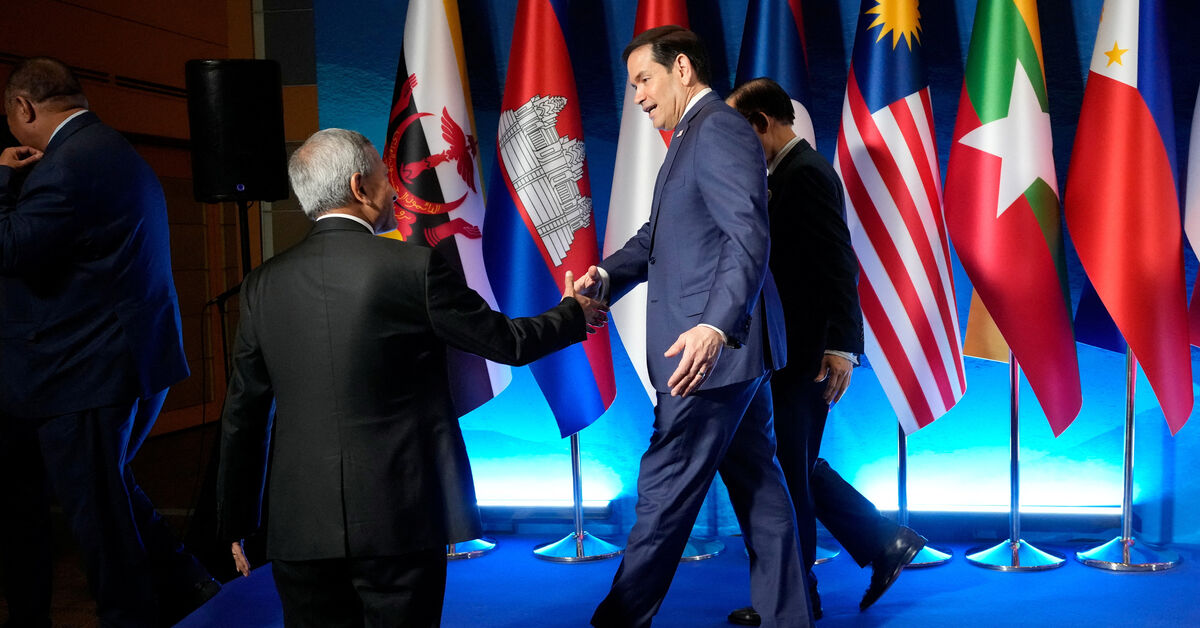
By Michael Martina and Nestor CorralesMANILA, July 22 (Reuters) - U.S. Secretary of State Marco Rubio and Chinese counterpart Wang Yi on Wednesday discussed a visit to the U.S. in September by Chinese President Xi Jinping during an Asian gathering where ministers voiced concern about the Iran war and South China Sea tensions.Rubio said he and Wang discussed at length the need to lay the groundwork for a "very positive visit" by Xi, and it was their job to manage the big differences between the two countries and ensure they did not get out of control.The broader ASEAN meeting in Manila comes amid a flare-up in the conflict between the U.S. and Iran, and while tension simmers between Beijing and close U.S. ally the Philippines over an incident in the South China Sea on Monday that led each to summon the other's ambassador.Meeting with foreign ministers of the Association of Southeast Asian Nations, who expressed serious concern about the Middle East war, Rubio put the blame squarely on Iran."The problem we're having right now is that they're not serious about talks," he said. "If they're serious, we're serious. If they're not, then we will do what's necessary to protect our interests, and also the interests of our allies."He stressed that Iran could not be allowed to control the Strait of Hormuz, as it could set a dangerous precedent for other parts of the world.'COMMERCE AS A GEOPOLITICAL WEAPON'His remarks follow his opinion piece in Philippine media on Tuesday that took aim at Beijing's conduct in the South China Sea, warning of "dire new threats" if those waters were to "fall under the control of a power willing to use commerce as a geopolitical weapon".Beijing claims sovereignty over almost the entire South China Sea via a line on its maps that cuts into the exclusive economic zones of Brunei, Indonesia, Malaysia, the Philippines, and Vietnam, and is at the centre of long-running disputes over a multitude of islands and features.Australia's Foreign Minister Penny Wong said Monday's altercation between China's coast guard and Philippine navy personnel in the South China Sea was risky and destabilising."The countries of the region have a choice to make about how we all respond to that," Wong told reporters.China's foreign ministry spokesperson Lin Jian hit back at Wong, saying Australia had no right to intervene in the South China Sea and that Beijing "urges relevant countries to stop stirring up tension and inciting confrontation".Canada's top diplomat Anita Anand called the maritime tension "troubling" and in an interview with Reuters said a negotiated settlement in the Middle East was crucial, as was freedom of passage through key waterways such as the Strait of Hormuz.Disputes between the Philippines and China have increased in recent years as Manila takes a bolder stance on the South China Sea, while pursuing closer defence ties with treaty ally the United States, plus Australia and Japan.RUBIO DUE TO MEET LAVROVChina's Foreign Minister Wang had said on Tuesday some elements of the Philippines' security apparatus had engaged in deliberate provocations that served interests of "external forces", and Beijing could work with ASEAN to "eliminate interfering factors".He met ASEAN counterparts on Wednesday and told them their mutual trust and respect was essential, and together they could get things done and "be the anchor for regional and global peace and development".Russian Foreign Minister Sergei Lavrov confirmed he would meet in Manila on Thursday with Rubio, who said he would discuss the Ukraine war with Lavrov, adding that Washington was looking to play a constructive role to end it.Rubio also joined counterparts from India, Australia and Japan for a meeting of the Quad grouping that Beijing has criticised as being Cold War-like.Rubio's meeting with Wang, which lasted about 90 minutes, came amid a fragile truce between the world's biggest economies thatcould be complicatedby President Donald Trump'saccusations of Chinese interference, which Beijing has rejected.Rubio said those allegations were not discussed and the two talked about trade, Taiwan and areas for potential cooperation ahead of Xi's Washington trip. (Reporting by Michael Martina, Karen Lema, Nestor Corrales, Mikhail Flores in Manila; Additional reporting by Liz Lee, Eduardo Baptista and Shi Bu in Beijing; Writing by Martin Petty; Editing by Christian Schmollinger, Clarence Fernandez and Alison Williams)
Rubio meets China's Wang at regional gathering where Iran war looms large
By Michael Martina and Nestor CorralesMANILA, July 22 (Reuters) - U.S. Secretary of State Marco Rubio and Chinese counterpart Wang Yi on Wednesday discussed a visit to the U.S. in September by Chinese President Xi Jinping during an Asian gathering where ministers voiced concern about the Iran war and South China Sea tensions.Rubio said he and Wang discussed at length the need to lay the groundwork for a "very positive visit" by Xi, and it was their job to manage the big differences between the two countries and ensure they did not get out of control.
731 words~3 min read