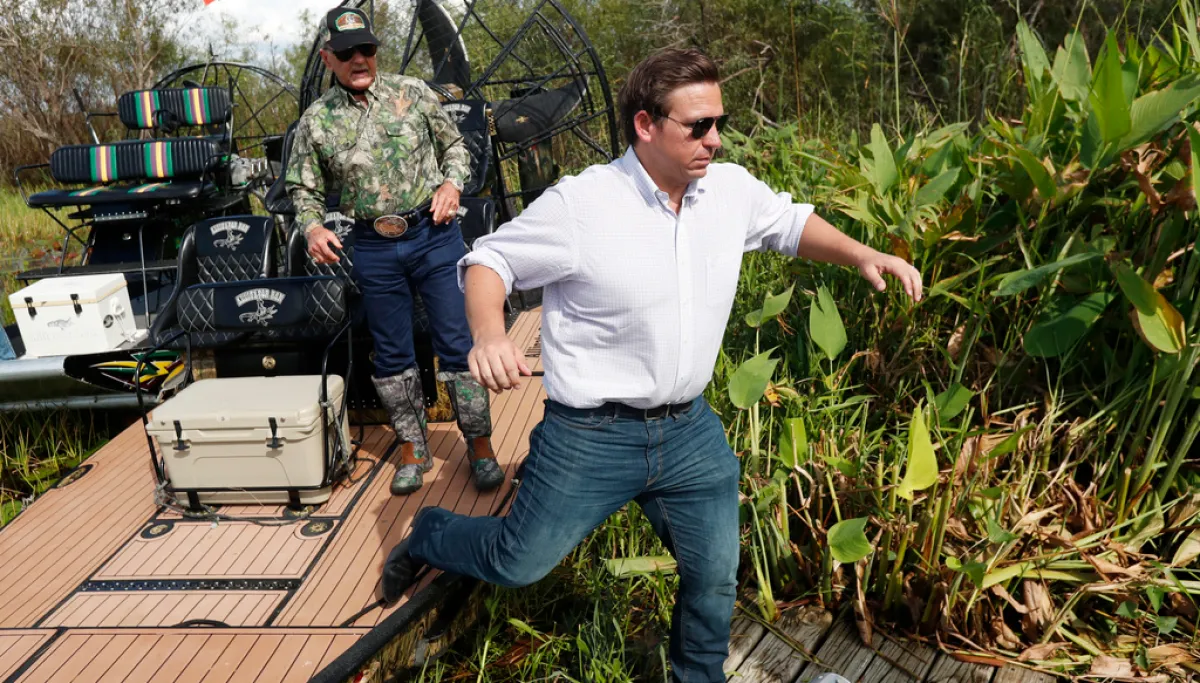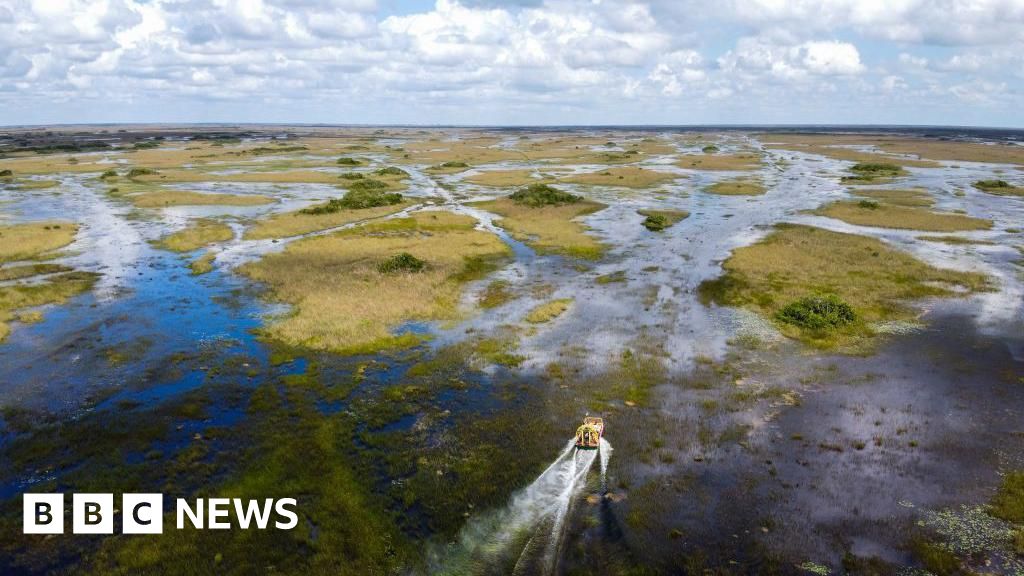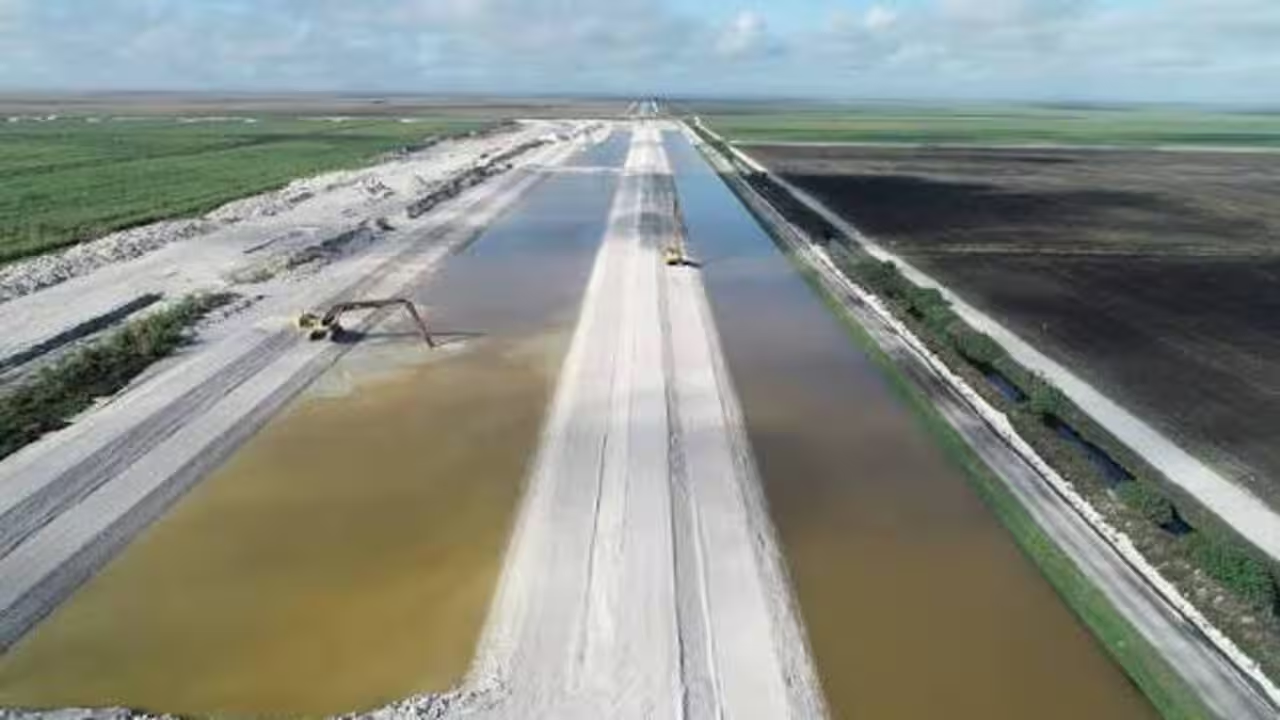
Groundbreaking occurred for the Everglades Agricultural Area Reservoir in February 2023. This large reservoir will store and filter water for Everglades restoration efforts. Image Credit: The Everglades FoundationIn February 2023, officials broke ground on the Everglades Agricultural Area (EAA) Reservoir south of Lake Okeechobee. When completed, the reservoir will store up to 240,000 acre-feet of water, or more than 78 billion gallons. According to the South Florida Water Management District (SFWMD), it will be the largest reservoir built specifically for Everglades restoration. The South Florida Water Management District has described the EAA Reservoir as the "crown jewel" of the Comprehensive Everglades Restoration Plan (CERP).Why restoring the Everglades mattersCanals, levees and flood-control systems that helped agriculture and urban areas expand across South Florida also disrupted the natural flow of water from Lake Okeechobee to Florida Bay. According to the US National Park Service, decades of drainage and water management significantly reduced the amount of freshwater reaching the Everglades, degrading habitats and affecting wildlife. The restoration effort aims to reconnect water flows that have been altered over decades.Why the EAA Reservoir mattersThe EAA Reservoir Project is being carried out through a partnership between the US Army Corps of Engineers and the South Florida Water Management District. According to the SFWMD, the project includes two major components: a 6,500-acre stormwater treatment area that filters water before it enters the Everglades, and a 10,500-acre reservoir capable of storing 240,000 acre-feet of water.The system will collect excess water from Lake Okeechobee during high-water periods, store and filter it, and then release treated water to the Everglades instead of into the Caloosahatchee and St. Lucie estuaries. When operational, the project is expected to deliver up to 470 billion gallons of clean water each year to the Everglades and Florida Bay while helping recharge the Biscayne Aquifer, a major source of drinking water for South Florida. The project aims to reconnect altered water flows and protect vital ecosystems and biodiversity. Construction proceeds toward a projected completion date of 2029. This initiative is a key component of the Comprehensive Everglades Restoration Plan. Image Credit: SFWMDA project years in the makingThe project was authorised through the Water Resources Development Act of 2000 in accordance with the Comprehensive Everglades Restoration Plan (CERP), according to the South Florida Water Management District. The project picked up steam after Florida’s passage of Senate Bill 10 in 2017 and subsequent approvals at the federal level in 2018 and 2020. Work on the 6,500 acres of stormwater treatment area commenced in April 2020.By January 2024, water began entering the treatment area. In July 2025, Florida and the US Department of the Army signed an agreement accelerating the project's construction timeline by five years, moving the target completion date from 2034 to 2029. Construction is to take place on the EAA Reservoir Inflow Pump Station that will move up to 3 billion gallons of water daily from Lake Okeechobee to the reservoir.Why scientists say it is importantScientists say restoring natural water flow will be crucial to protecting Everglades biodiversity. According to the United States Geological Survey (USGS), the Everglades support hundreds of native plant and animal species while helping supply drinking water to more than seven million South Florida residents. The agency also notes that the wetlands now cover only about half of their original extent.The new reservoir is expected to reduce harmful freshwater discharges into coastal estuaries, which can trigger algal blooms, damage seagrass beds and harm marine life. Scientists have also found that increased freshwater flow to Florida Bay may help restore salinity levels needed by numerous native species.What happens nextThe construction of the EAA Reservoir proceeds as the federal and state authorities aim to achieve the new projected completion date of 2029. While scientists claim that no single project will be able to fully restore the Everglades, the EAA Reservoir is supposed to be one of the largest ever implemented restoration projects. According to the US Army Corps of Engineers, the Comprehensive Everglades Restoration Plan involves over 50 restoration programs and 68 projects aimed at restoring the flow of water in South Florida's ecosystems.
In 2023, Florida broke ground on a 240,000-acre-foot reservoir south of Lake Okeechobee, the largest built specifically for Everglades restoration
In February 2023, officials broke ground on the Everglades Agricultural Area (EAA) Reservoir south of Lake Okeechobee. When completed, the reservoir will store up to 240,000 acre-feet of water, or more than 78 billion gallons.
681 words~3 min read