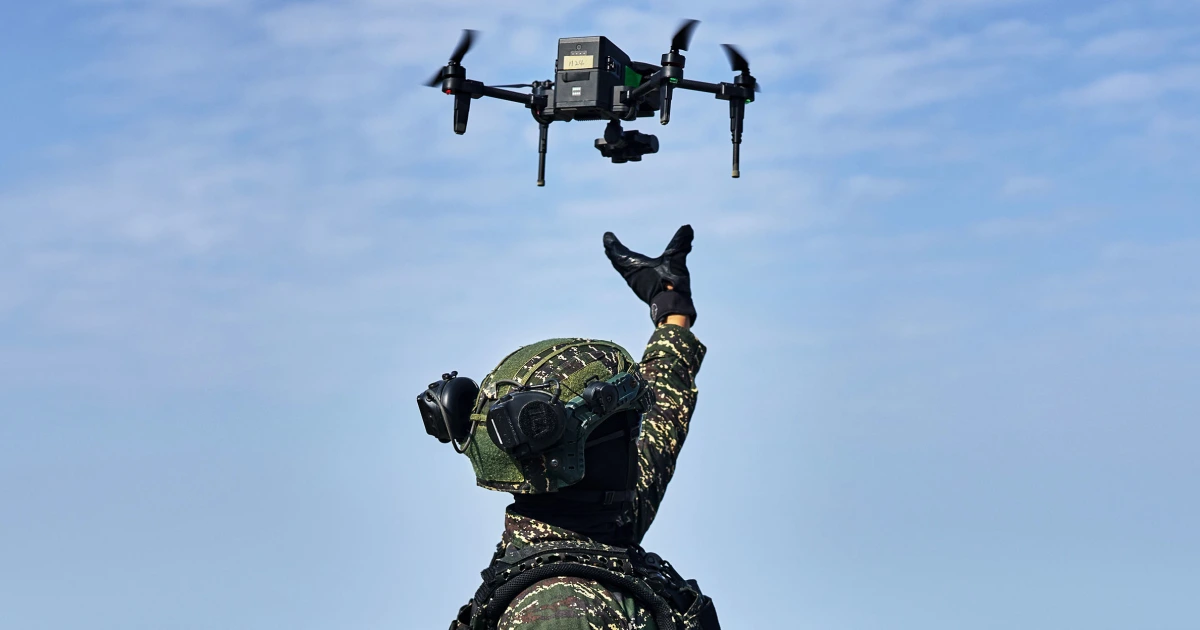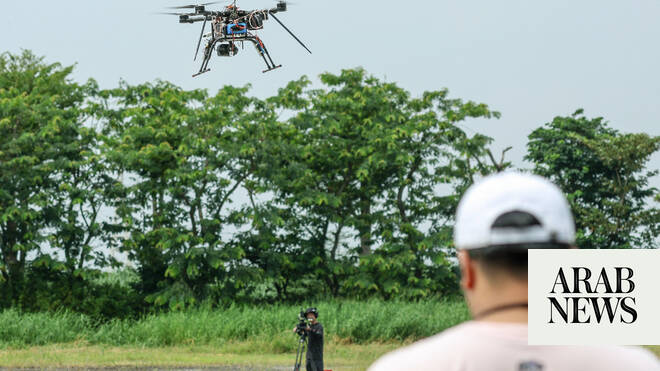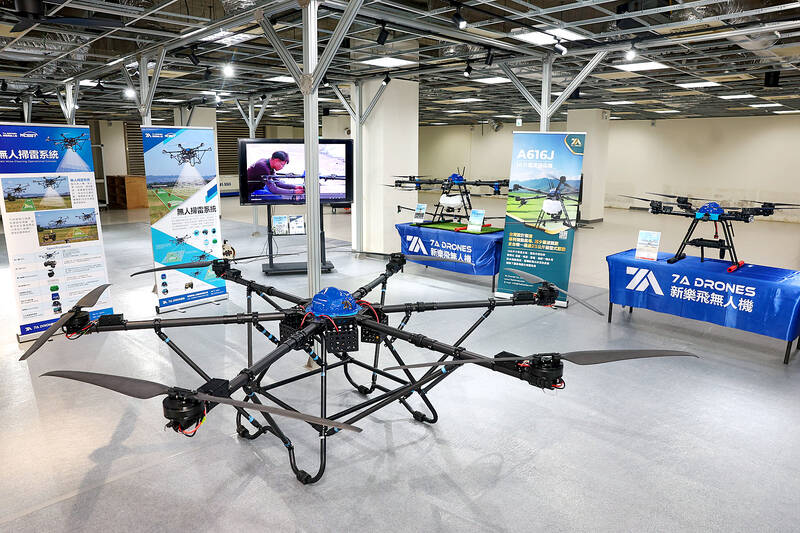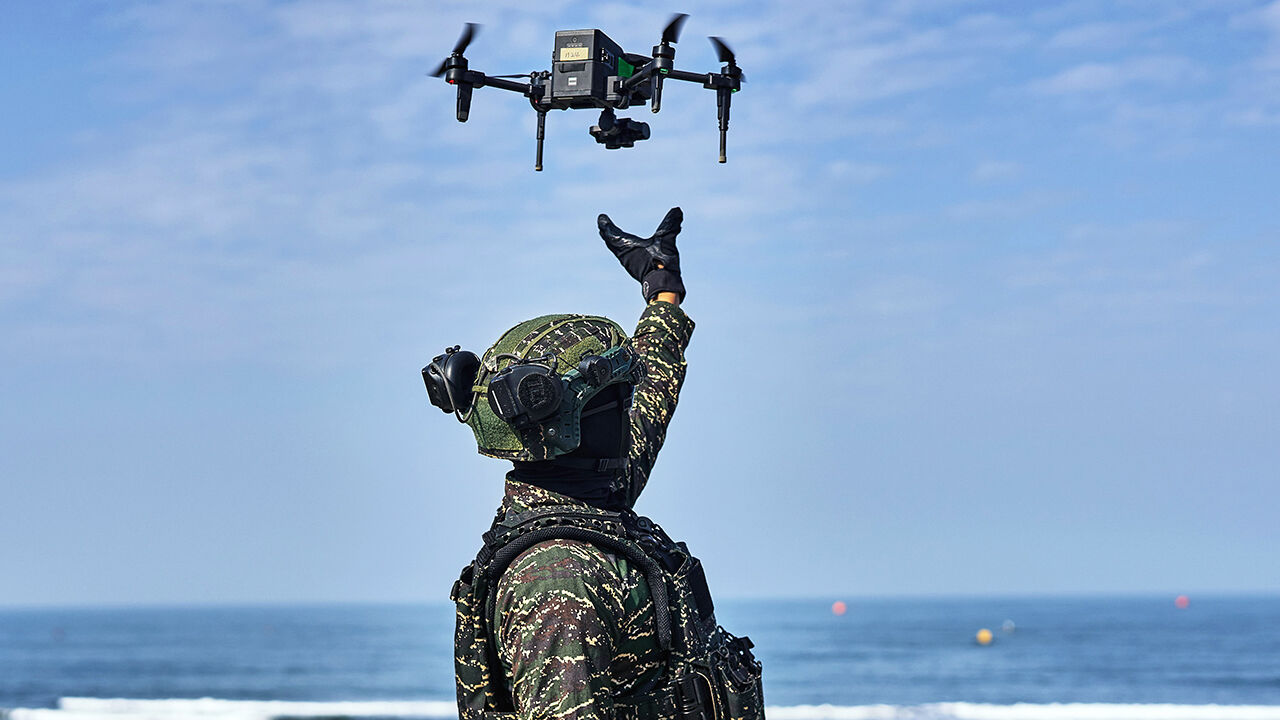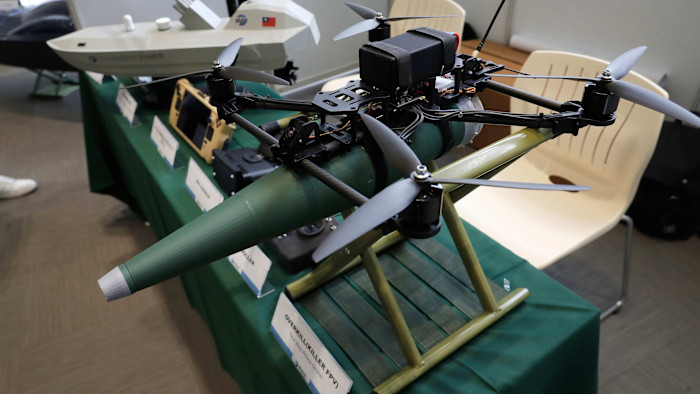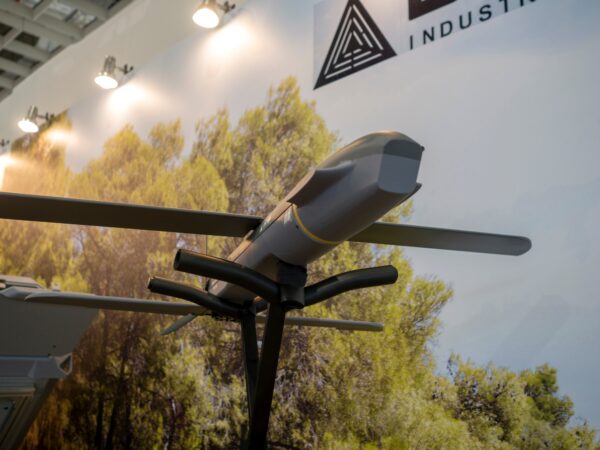
Taiwan’s government has made drone development and exports a national priority, with a particular emphasis on Taiwan’s role in the “non-red” supply chain: drones and components free of Chinese units. Taiwan’s Executive Yuan has framed this goal as part of Taiwan’s effort to become an Asia-Pacific hub for “democratic drone supply chains.” The policy reflects lessons from the Russia-Ukraine war, Taiwan’s own need to strengthen deterrence against China, and growing demand among countries and firms globally worried about the security risks of Chinese-made systems.
The logic behind this move is obvious: Chinese firms, especially DJI, still dominate the global commercial drone market, even as the U.S. Department of Defense has stated that DJI systems pose potential national security threats. Such security concerns have created opportunities for alternative suppliers. Taiwan’s “non-red” drones are often more expensive than Chinese competitors, but the market is beginning to emerge. Taiwan’s drone exports have surged in Poland and Czechia, with possible links to wartime usage in Ukraine. Recent trade data also showed a record sale of Taiwanese drones to Saudi Arabia.
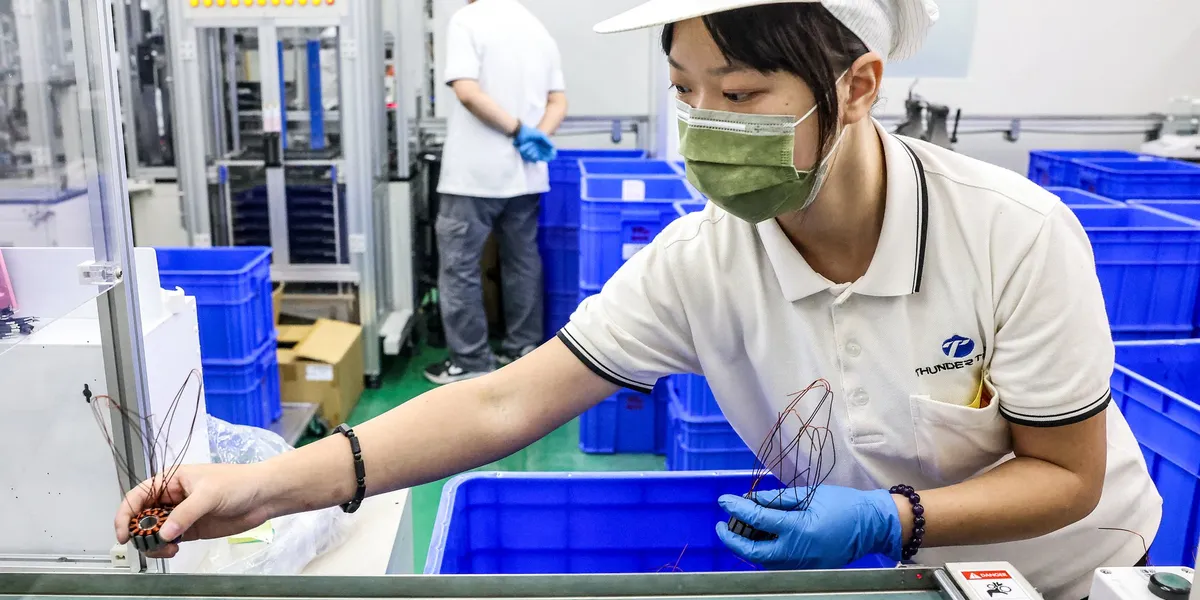
Taiwan has advantages in the global drone market. Its semiconductor, ICT, battery, and precision manufacturing sectors give it a strong foundation for drone production. Its small and medium enterprises can move and adapt quickly. Industry leaders and politicians increasingly speak of the sector as a possible “drone shield,” a next-generation complement to Taiwan’s “silicon shield.”