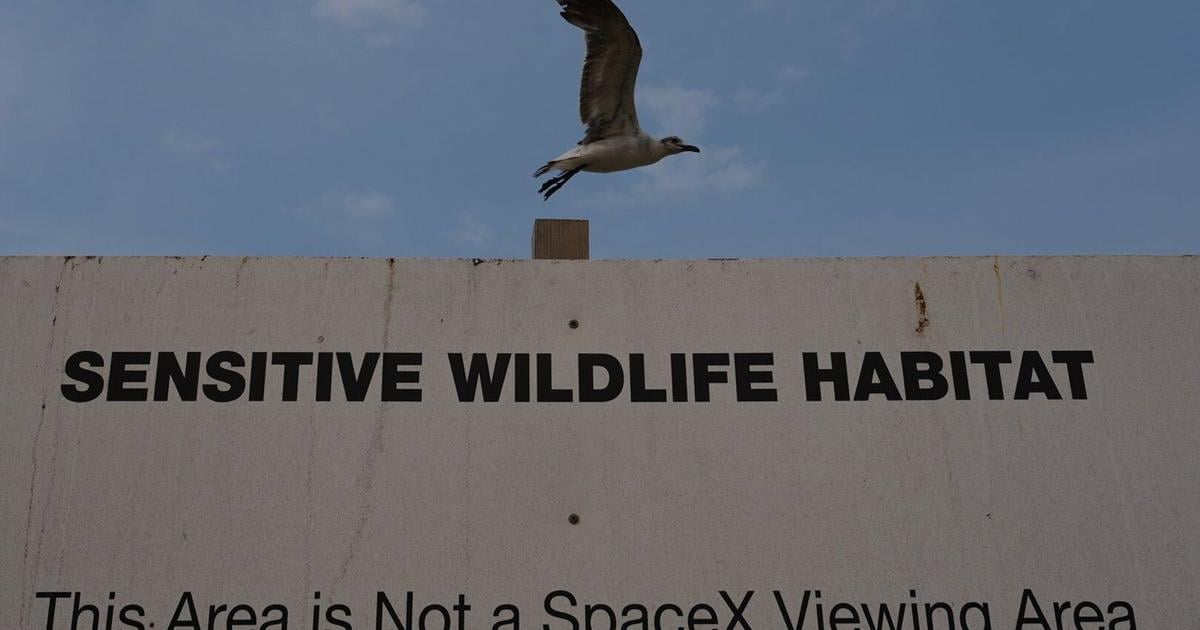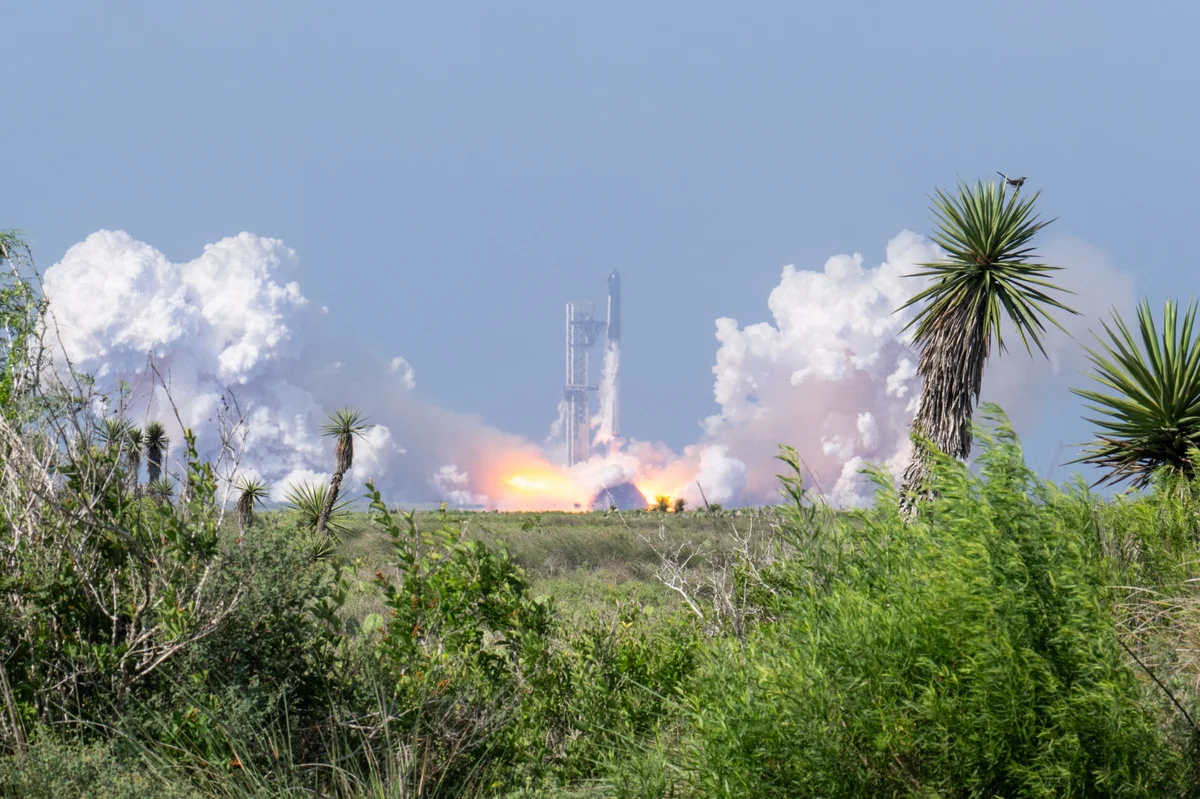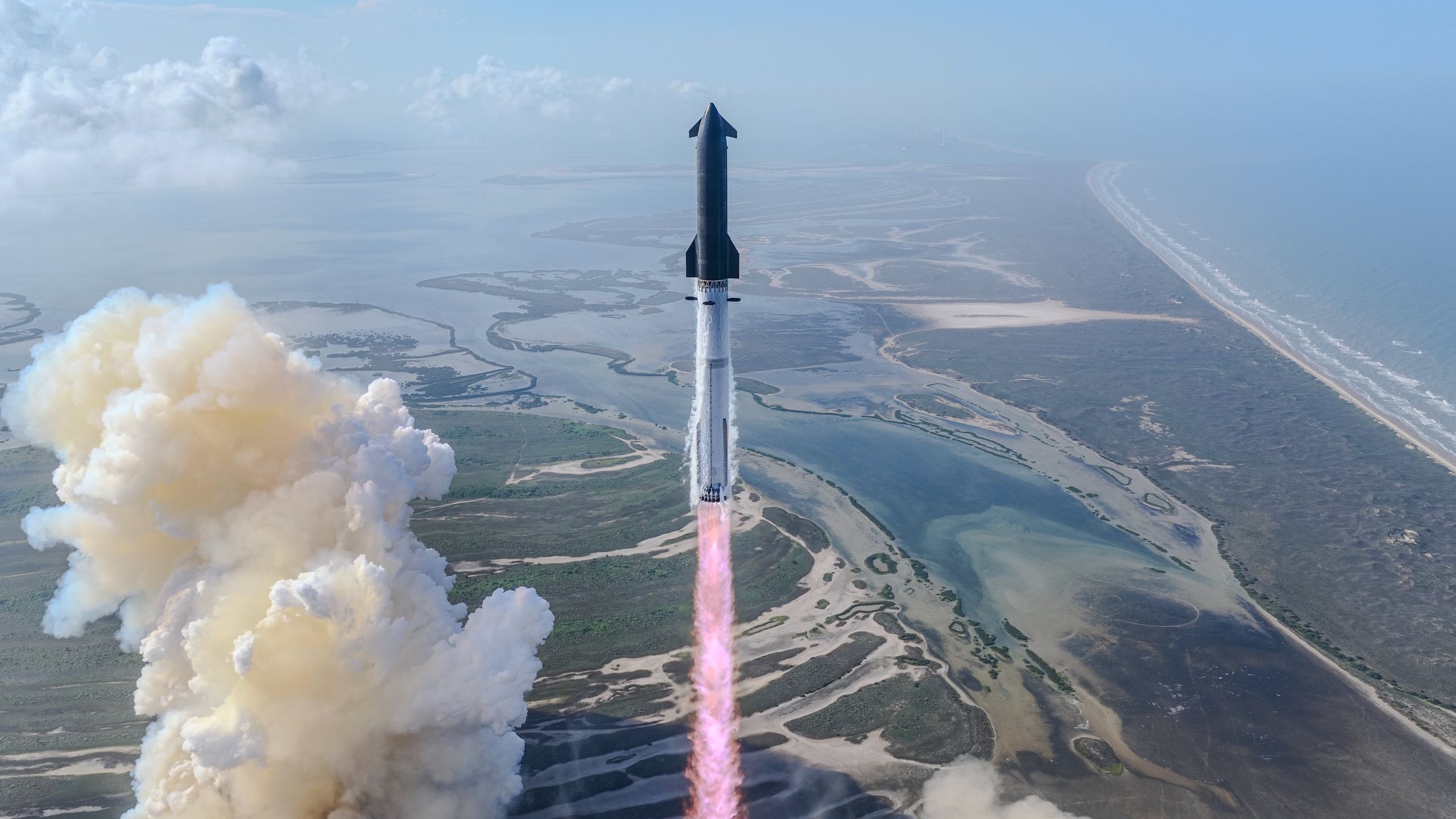
SpaceX's Starship megarocket launches on its 12th test flight, on May 22, 2026, from the company's Starbase site in South Texas. Starbase sits very close to the Lower Rio Grande Valley National Wildlife Refuge.
(Image credit: SpaceX)
The fight continues against SpaceX's controversial South Texas land swap.That deal, which the company made with the U.S. Fish and Wildlife Service (USFWS), gives SpaceX 727 acres (294 hectares) of public land that's currently part of the Lower Rio Grande Valley National Wildlife Refuge. In exchange, the company hands over 683 acres (276 hectares) of its territory in the area, not all of it contiguous, to the USFWS.Last month, a coalition of conservation and tribal groups sued the USFWS over the swap, saying it degrades the refuge and violates multiple laws, including the National Wildlife Refuge System Improvement Act of 1997. And yesterday (July 20), those groups filed an emergency injunction, asking a federal judge to stop the exchange until the courts can rule on the ongoing case."Federal officials are racing to fork over America's public lands to one of wealthiest corporations on Earth before the courts can even weigh in," Laiken Jordahl, national public lands advocate at the Center for Biological Diversity, said in a statement yesterday (July 20)."This refuge is one of the last places left for the public to enjoy nature in the Rio Grande Valley," Jordahl added. "Why should Texans be forced to surrender even more of their public lands to a trillion-dollar corporation? The court has to intervene now, because once these refuge lands are transferred to SpaceX, they’re gone forever."The land set to be transferred to SpaceX is near Starbase, the manufacturing and launch hub for the company's Starship megarocket. SpaceX sees Starship as transformational; it's the biggest and most powerful launcher ever built, and it's designed to be fully and rapidly reusable.