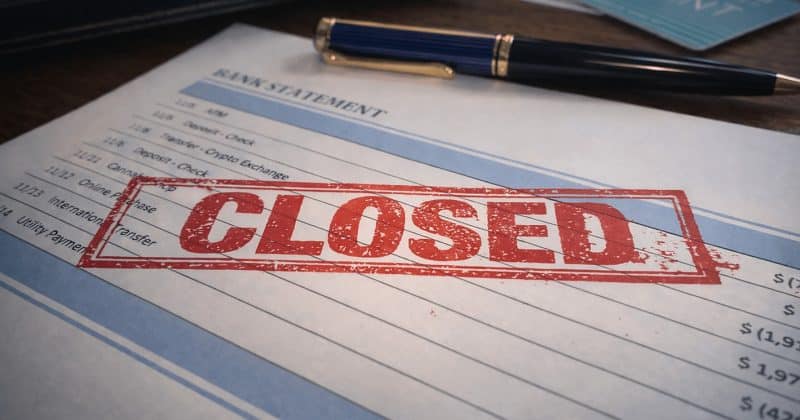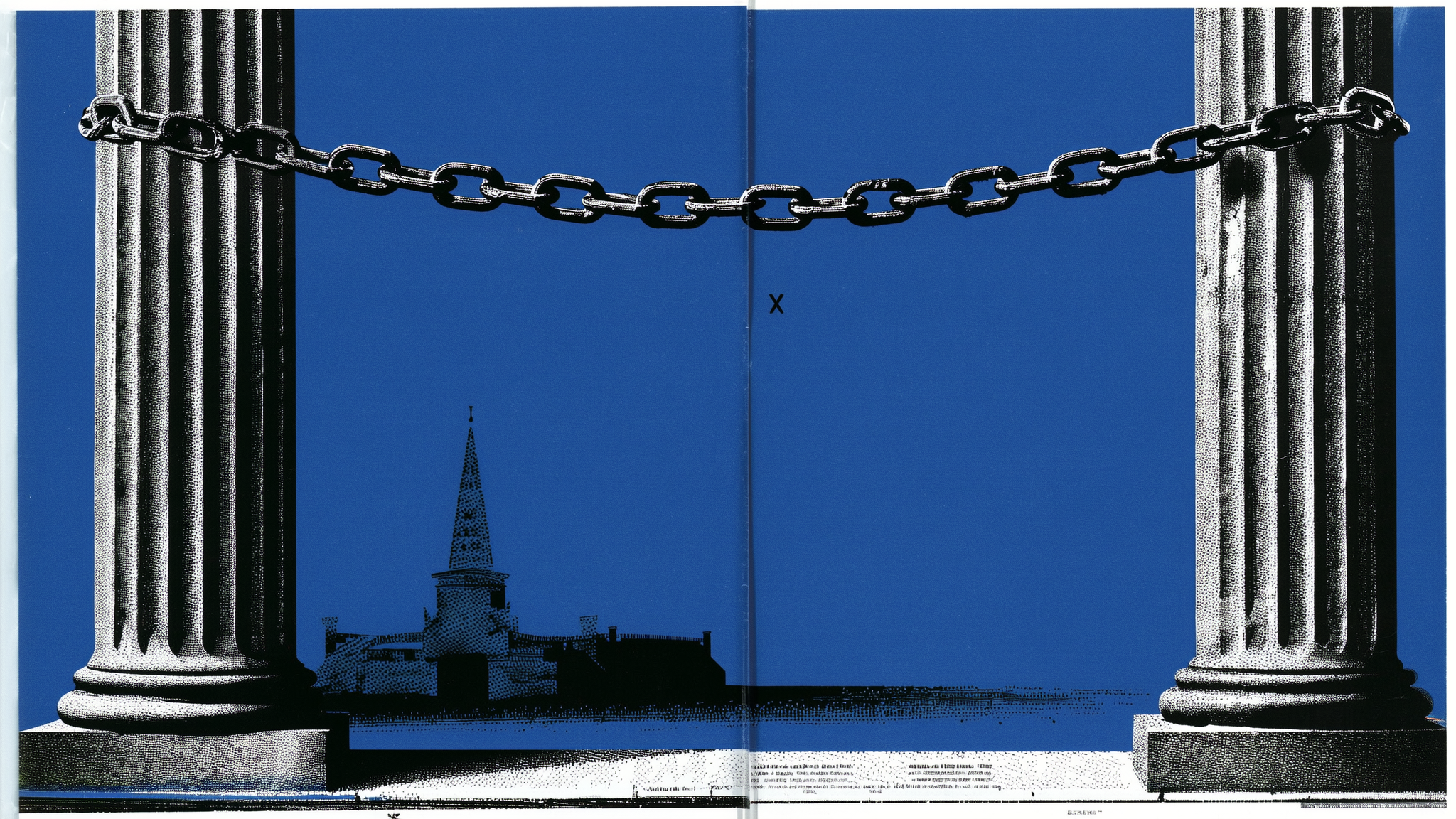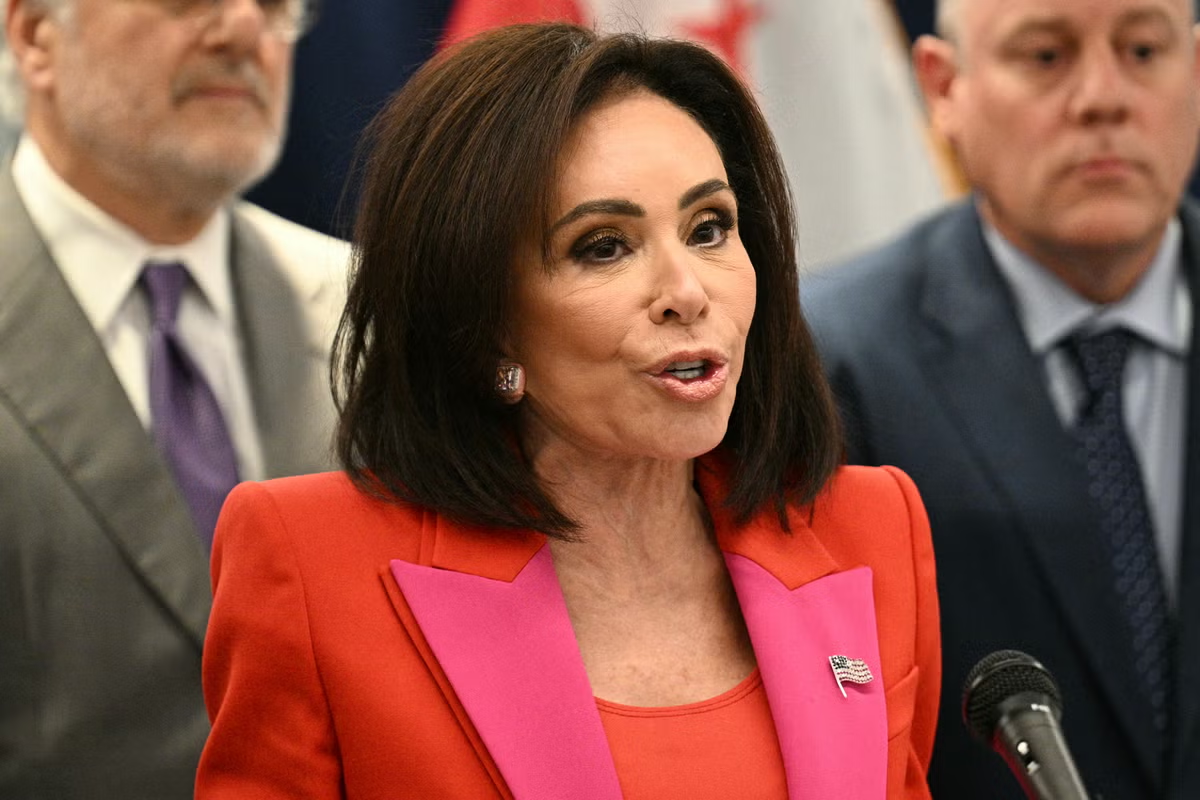
When a federal bank examiner leans on a bank to close a customer’s account and that closure destroys the customer’s business, the government has taken private property without paying for it. That is a distinct constitutional claim, separate from the shareholder duty-of-care questions now working through the courts, and on June 10, the Department of Justice handed future plaintiffs the discovery record they have always lacked.The U.S. Attorney’s Office for the District of Columbia, under Jeanine Pirro, subpoenaed JPMorgan Chase, Bank of America, and Wells Fargo, demanding the names of customers whose accounts were closed and the internal justification behind each closure. Pair that with the Office of the Comptroller of the Currency’s own December 2025 preliminary findings from its supervisory review of the nine largest banks, and with the OCC-FDIC joint rule stripping “reputational risk” from bank examinations, effective June 9. Three federal actions, in the same year, converged on one admission examiners spent a decade denying: banks were pressured to close accounts that had nothing to do with credit risk.I have spent 30 years structuring private credit for companies in distress, and I know the difference between a business that fails on its own arithmetic and one a functioning counterparty is ordered to kill. A bank that walks away from a borrower over legitimate underwriting concerns is managing risk. A bank that walks away because an examiner made clear that keeping the account would draw supervisory heat is the government reaching into a private contract and ending it, using someone else’s signature.
The government killed your business and made your banker hold the knife
A bank examiner's pressure that forces banks to close accounts is an unconstitutional taking — and new subpoenas may finally prove it.
899 words~4 min read