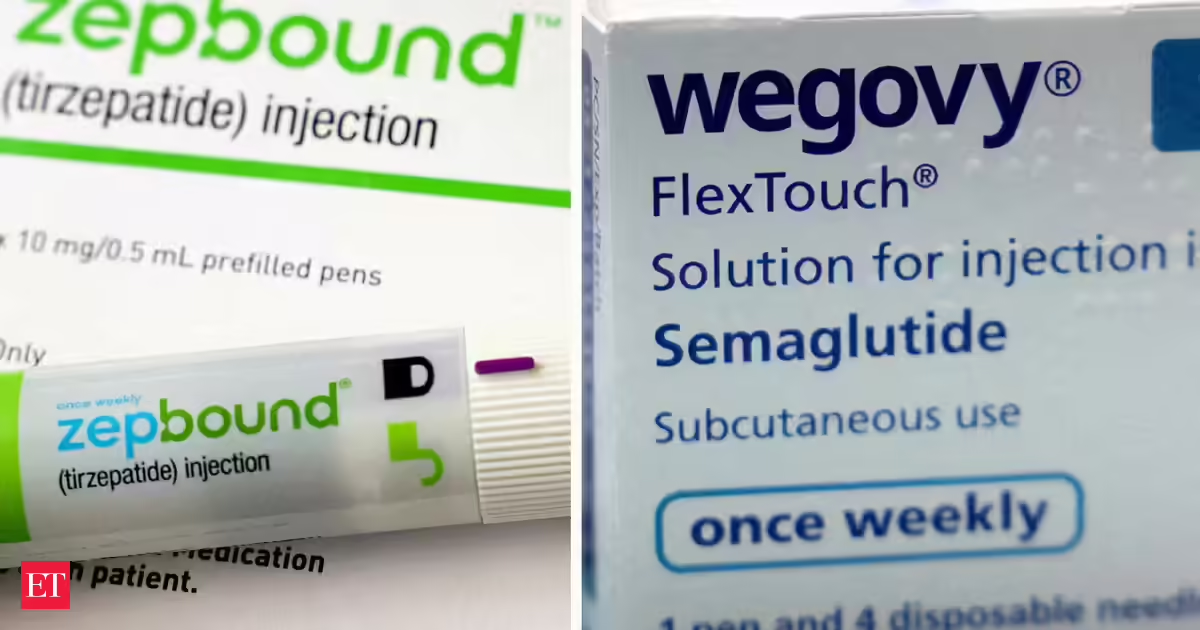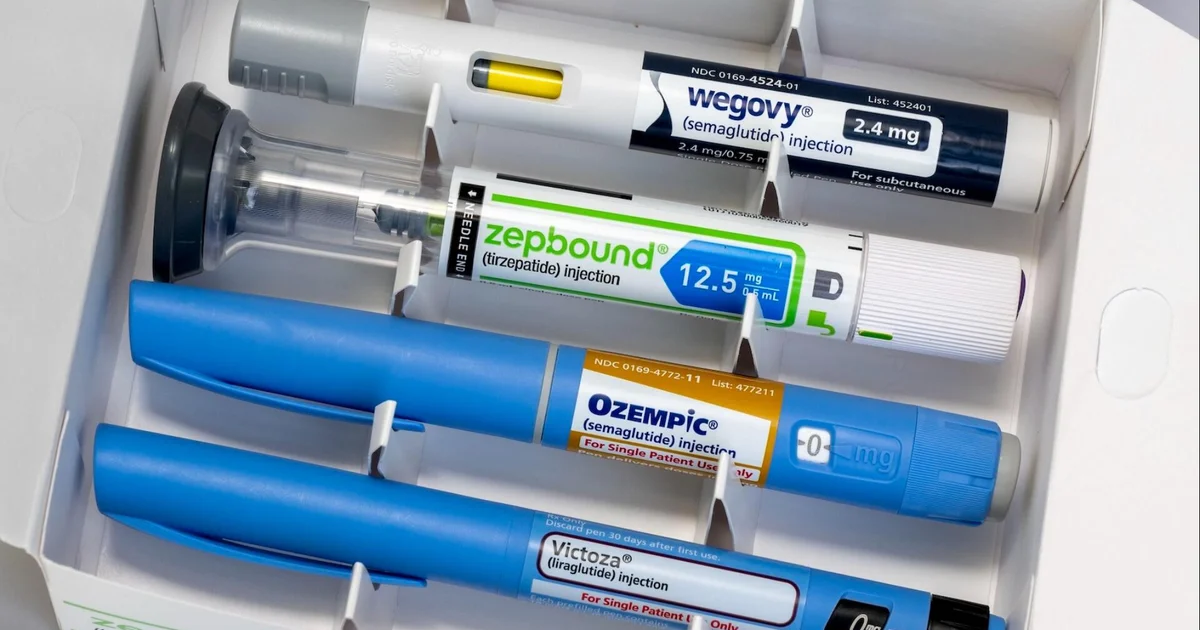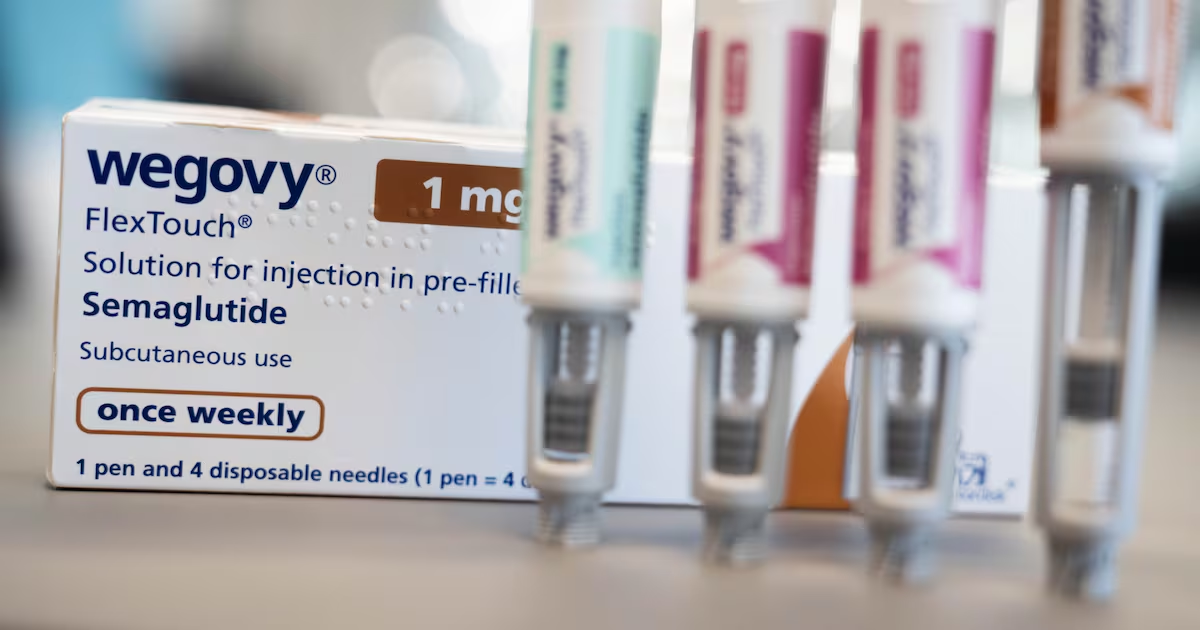
Novo Nordisk has accused arch-rival Eli Lilly of peddling false claims about its weight-loss products in advertising campaigns, marking the latest salvo in the battle for supremacy between the world’s biggest makers of obesity drugs.Novo Nordisk employs less than 500 people in the State while Eli Lilly employs over 3,500.Novo alleged in a lawsuit filed on Tuesday in a New Jersey court that Lilly was running an advertising campaign that was “deliberately false” and designed to mislead consumers over the “comparative efficacy” of the diabetes and weight-loss drugs sold by both companies.The Danish drugmaker’s claim argues that Lilly has been citing outdated clinical trial data to support claims that its obesity drug, Zepbound, delivered higher average weight loss than Novo’s competing product, Wegovy.Novo further alleges that Lilly’s ad campaign has falsely told patients that its diabetes medication, Mounjaro, was more effective than Novo’s Ozempic in lowering blood sugar levels.The claim comes as the two big pharma groups are rolling out oral weight-loss pills that could increase take-up of the treatments significantly.Will the State’s plan for the Carlton Cinema site revitalise O’Connell Street? Listen | 25:33Novo’s filing said Lilly’s ads for injectable products Zepbound and Mounjaro were “maliciously and deceptively false”, and they created the impression that the company had more effective diabetes and weight-loss treatments than its rival.Novo is seeking a permanent injunction barring Lilly from continuing to run the advertisements and a correction. Its filing also calls for “any and all of defendants’ profits” collected as a result of the advertising to be paid as damages.John Kuckelman, Novo’s general counsel, said that the group had sent a cease-and-desist letter to Lilly in April but Novo “did not get the courtesy of a response”.Kuckelman said Lilly instead added a “very small” disclaimer that the Wegovy 7.2mg injectable, the highest dose approved by the US Food and Drug Administration (FDA) in March, was not included in the trials claiming that Zepbound delivered superior weight loss to Wegovy. “You cannot use a misleading disclaimer to fix a misleading advertisement,” he said.Lilly said in a statement on Tuesday that it would “defend against this lawsuit vigorously” and said the trial results it was publicising in its adverts were the “gold standard for comparing medicines”.“Rather than compete on the merits of its products, Novo is asking a court to stop Lilly from communicating the results of that trial,” a spokesperson for Lilly said. “We stand firmly behind our advertising.”The legal claim, lodged in the US district court for the district of New Jersey, is the latest showdown between the two groups, the only companies with approved products in the blockbuster weight-loss market.Lilly has an edge over Novo in the weight-loss market across both diabetes and obesity drugs. But Novo has gained ground with its Wegovy weight-loss pill, which launched in the US in January before Lilly’s oral option became available to patients in April.The lawsuit marked a rare fight among top pharmaceutical companies over advertising claims, said Evan Seigerman, an analyst at BMO Capital. More often, pharmaceutical companies went to war over patent rights for drugs, he said.With its lawsuit, “Novo is trying to defend its territory and Mike [Doustdar] is under pressure to continue to do that,” Seigerman said, referring to Novo’s chief executive. There was not much at stake for either company in the outcome of the lawsuit. “I feel like it’s splitting hairs here,” he said, referring to Novo’s argument. – Copyright The Financial Times Limited 2026
Novo Nordisk sues Eli Lilly over ‘deliberately false’ weight-loss drug ads
Danish group claims rival used outdated data to support claims that its products were more effective than Wegovy
576 words~3 min read