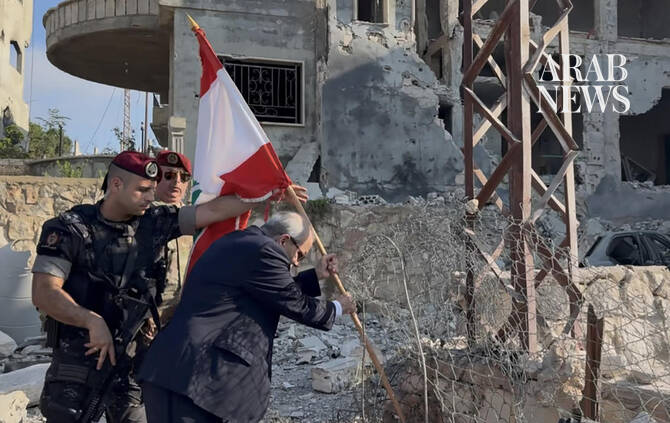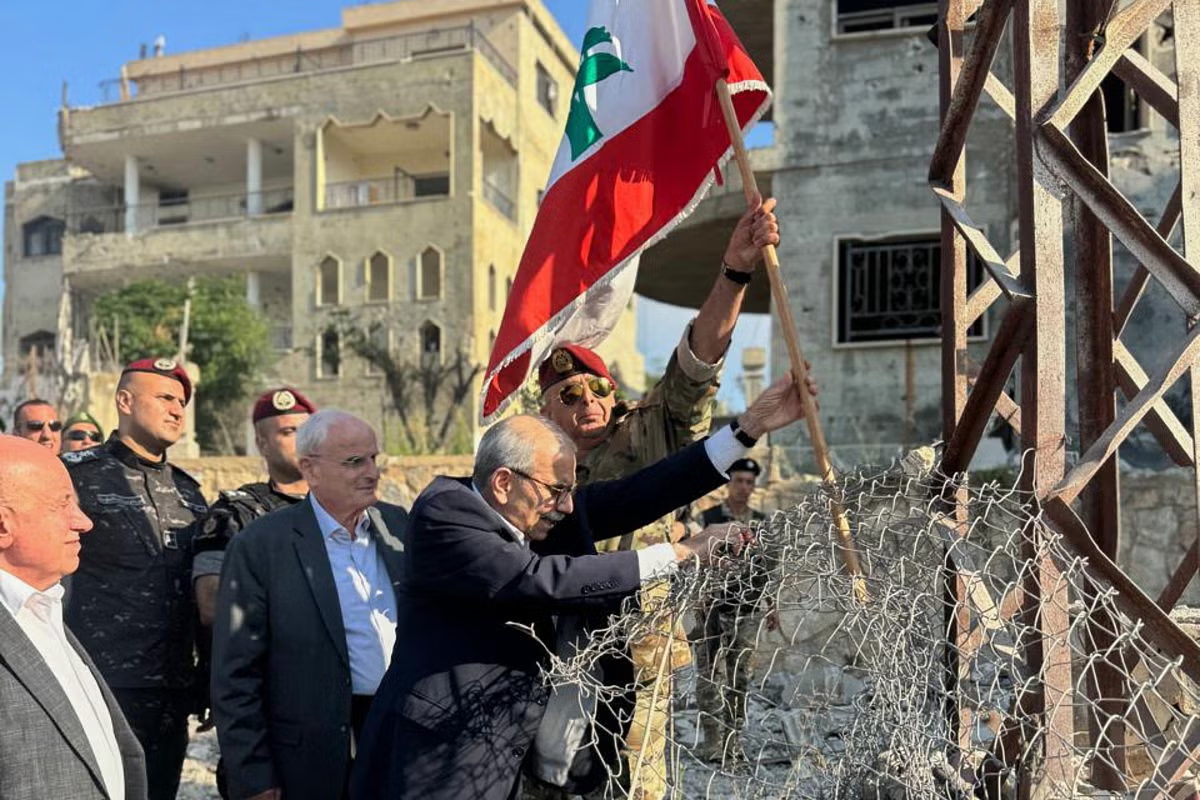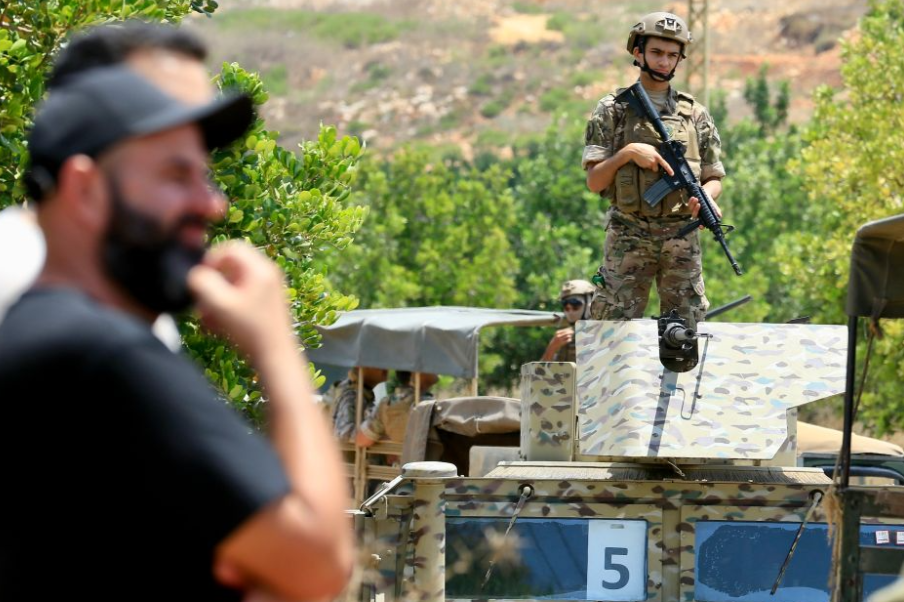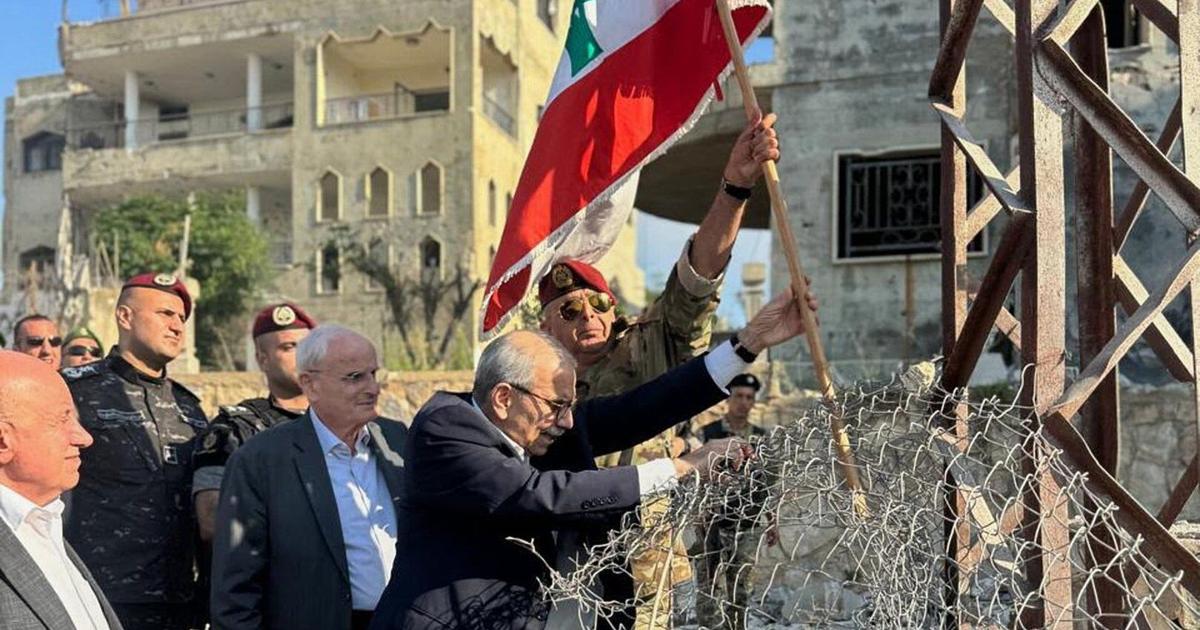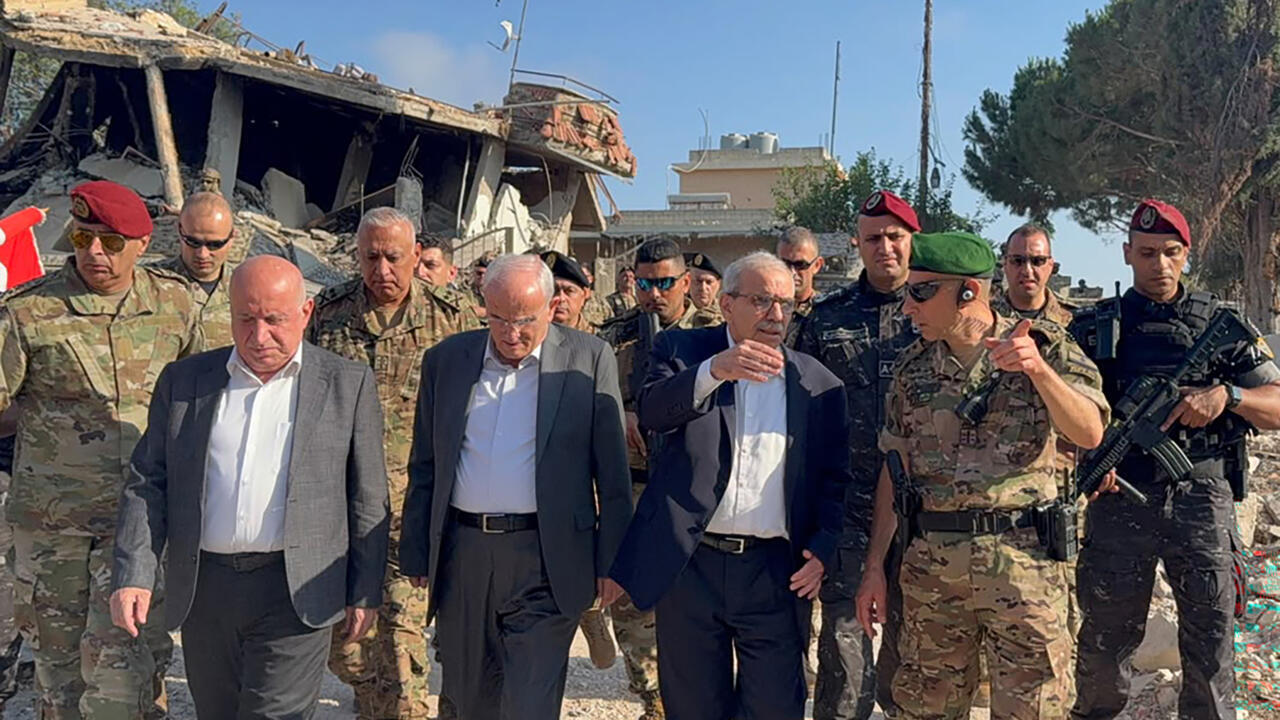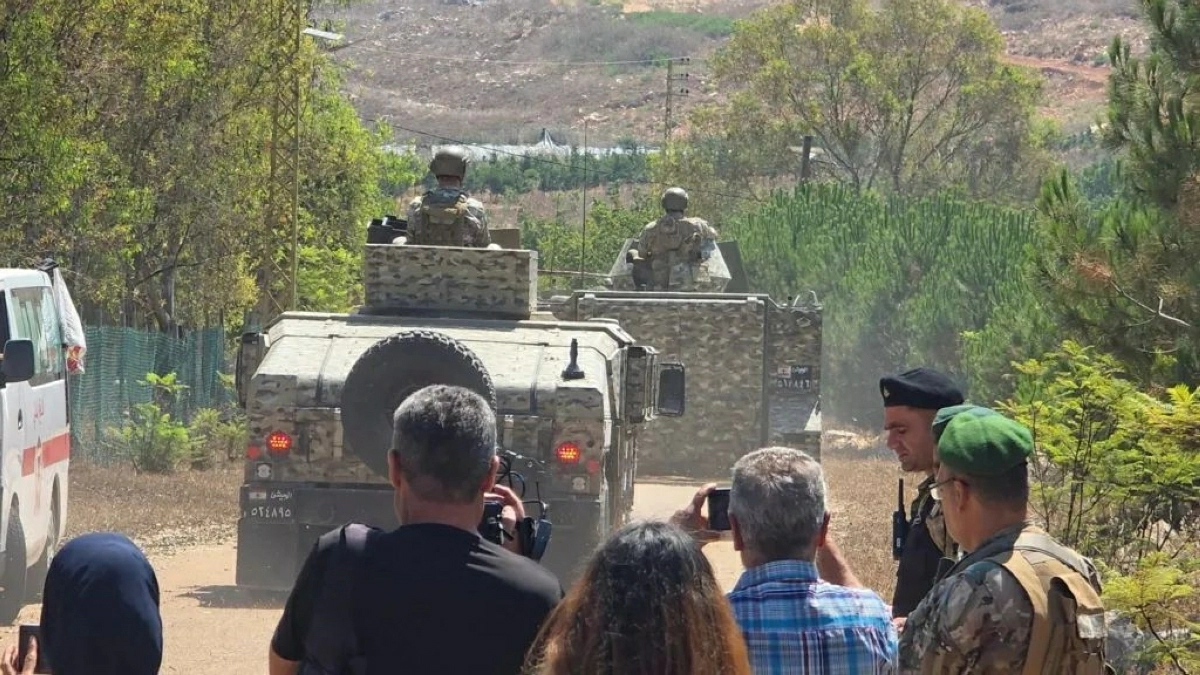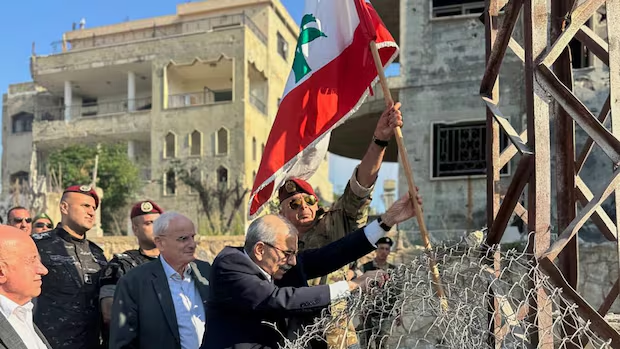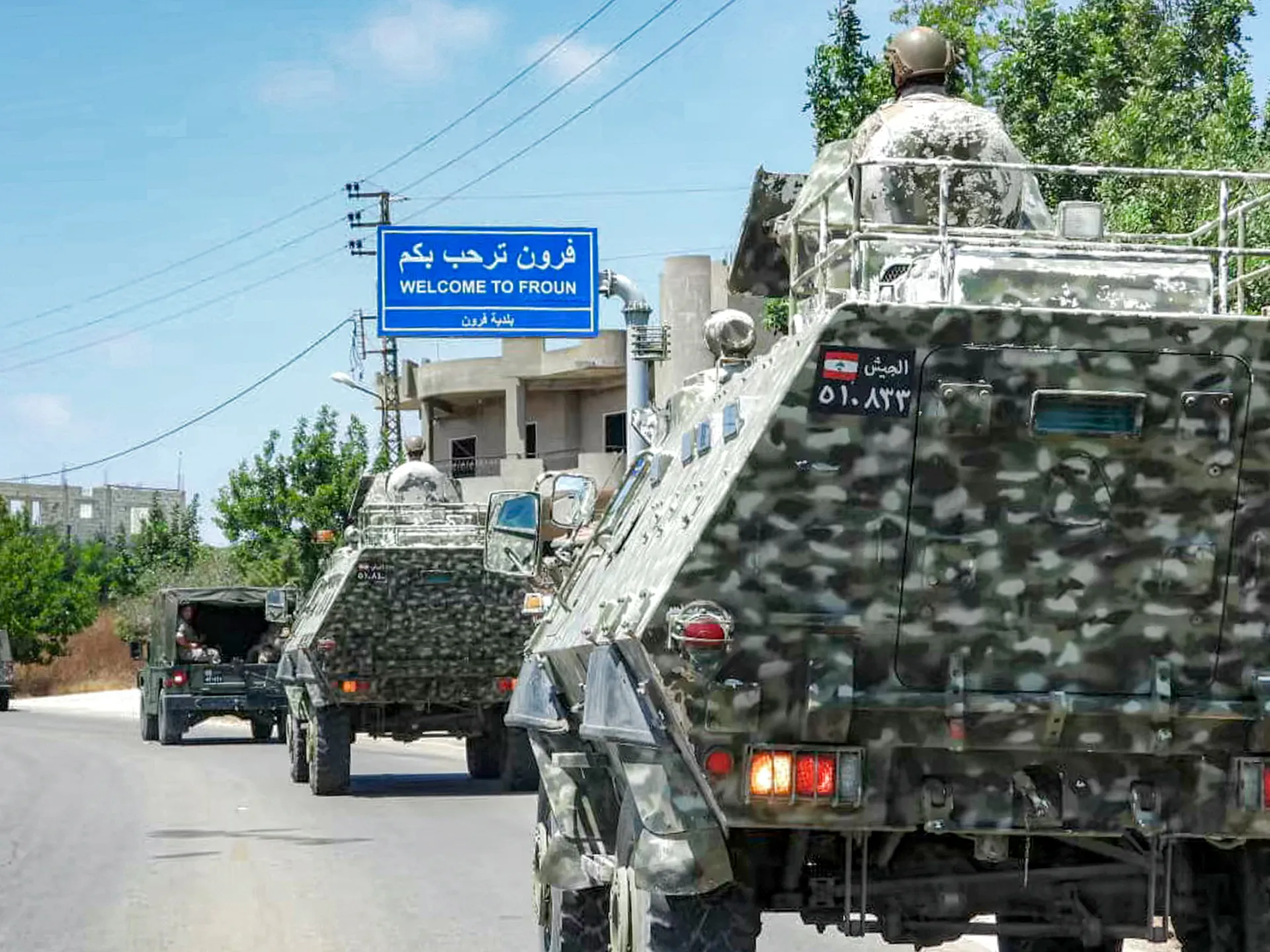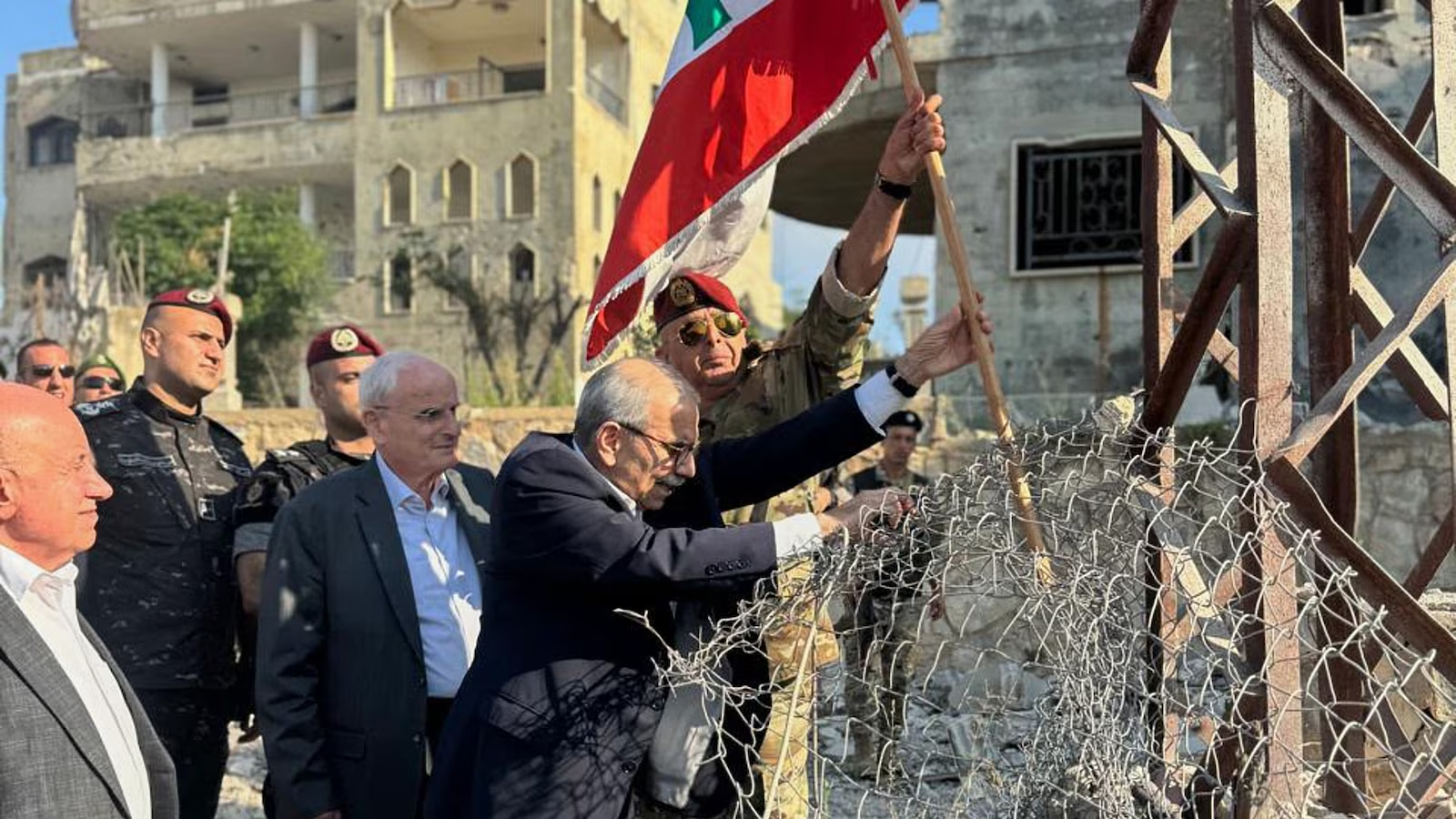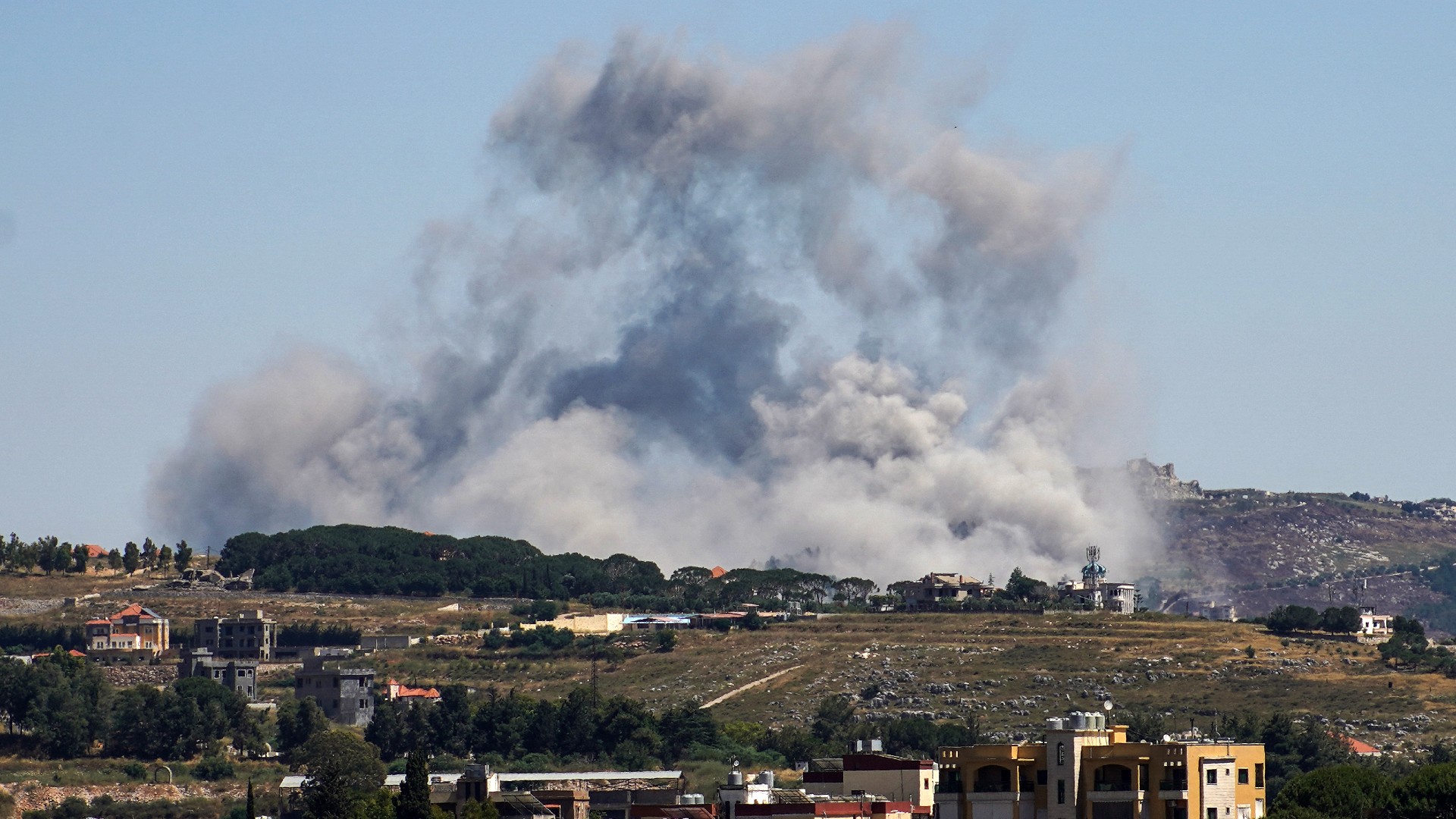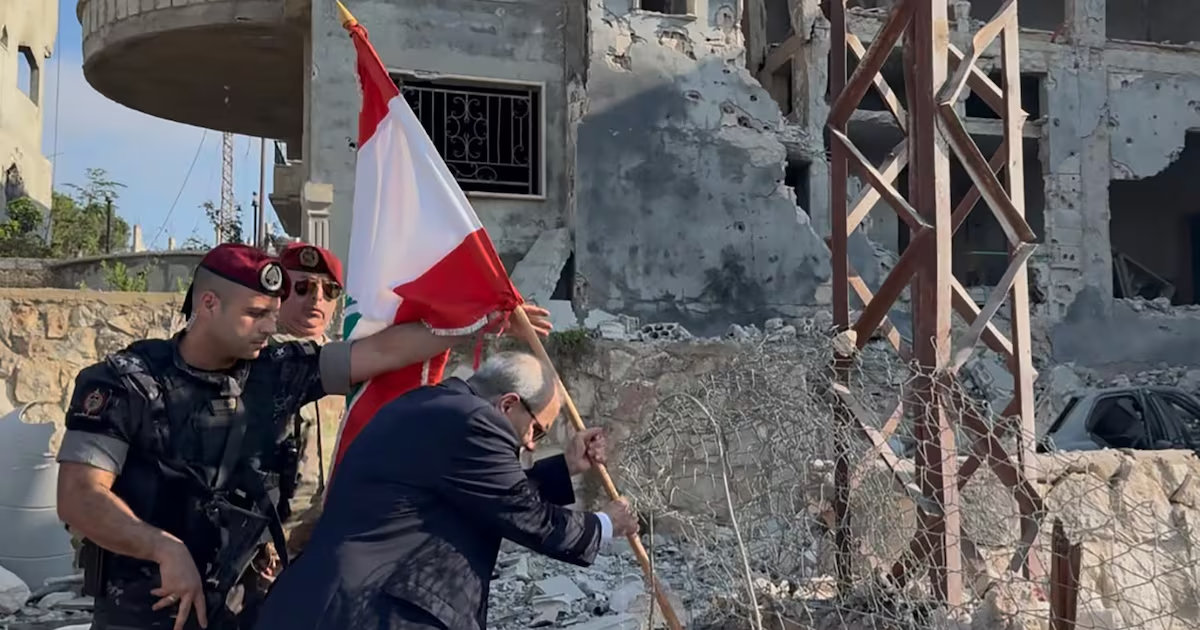
Lebanese Prime Minister Nawaf Salam has visited one of three initial US-designated pilot zones in south Lebanon, declaring the start of Israeli withdrawal from Lebanese territory.Mr Salam made the trip to Zawtar Al Gharbiyeh on Wednesday morning, one day after Lebanese troops entered the southern town and began demining operations following the drawdown of Israeli troops.During his visit, the Prime Minister planted a Lebanese flag amid the rubble in the town centre as a symbolic assertion of “the beginning of the Israeli withdrawal from our land”. He described the moment as one of “great political and moral significance”.“We have affirmed from the outset that our goal is the complete Israeli withdrawal from all our territories,” said Mr Salam. “What we are witnessing today is only the beginning but we are determined and steadfast, and we will continue to mobilise all our political and diplomatic efforts to secure a complete withdrawal from all Lebanese territory.”The Prime Minister also sought to reassure forcibly displaced residents of southern Lebanon, saying the government was dedicating state resources to enable their return to their home towns. Mr Salam said the Lebanese army and security forces had been deployed to protect returning residents, while authorities were working to reopen roads, clear rubble and restore essential services.He said “the return of life” to southern Lebanon was a “national objective to which the state was committed”. Zawtar Al Gharbiyeh had suffered extensive damage during fighting between Hezbollah and Israel, as well as mass demolitions carried out by Israeli troops during their occupation of the town.The southern community was the first to be transferred from Israeli to Lebanese military control under a “pilot-zone” scheme being trialled as part of a US-backed Lebanon-Israel framework agreement.Under the agreement, the pilot areas are intended to “serve as the mechanism for the phased and verified redeployment of Israeli forces and the deployment of the Lebanese Armed Forces” (LAF) in Israeli-occupied towns in southern Lebanon. However, the scheme has raised eyebrows among state officials and residents, who told The National that the two other pilot zones – Froun and Srifa – were already empty of Israeli troops. Israeli soldiers are present in Zawtar Al Gharbiyeh but only on the outskirts, they said.The LAF urged residents, who have been displaced for months, not to return until the security situation has stabilised. The LAF said on Tuesday that its units had come under fire from Israeli soldiers as they arrived in the town. “This aggression will obstruct the implementation of deployment steps,” it added.Lebanese troops are replacing their Israeli counterparts in designated pilot areas in south Lebanon. ReutersInfoThe LAF has been subject to repeated Israeli attacks since March 2, although it has stayed out of confrontations between Hezbollah and Israel and has not engaged Israeli forces in the conflict. At least 30 Lebanese troops have been killed by Israeli fire, according to official figures. Despite a US-brokered ceasefire in Lebanon that has largely halted the fighting, Israeli attacks on the country have continued. Lebanon's National News Agency on Wednesday reported Israeli air strikes on the southern town of Nabatieh, as well as overnight attacks on the villages of Kfartebnit, Baraachit and Haddatha.Lebanese President Joseph Aoun and President Donald Trump met in Washington on Tuesday, during which the US leader said he had “concrete plans” to help the Lebanese military assume control of areas in southern Lebanon previously held by Hezbollah.Mr Aoun was the first Lebanese leader to be invited to the White House since 2009. During his visit, he thanked Mr Trump for the “historic achievement” of signing the June 26 agreement between Lebanon and Israel.The framework deal to disarm Hezbollah and secure an Israeli withdrawal from south Lebanon was signed in Washington last month and publicly hailed as constructive. But it has raised concerns among diplomats, legal experts and civilians for its uncertain legal standing and the lack of any timetable for Israel to pull back its troops from Lebanese territory.
Lebanese PM hails 'beginning of Israeli withdrawal' from country in visit to pilot zone | The National
Nawaf Salam plants national flag in rubble of Zawtar Al Gharbiyeh in symbolic assertion of sovereignty
656 words~3 min read