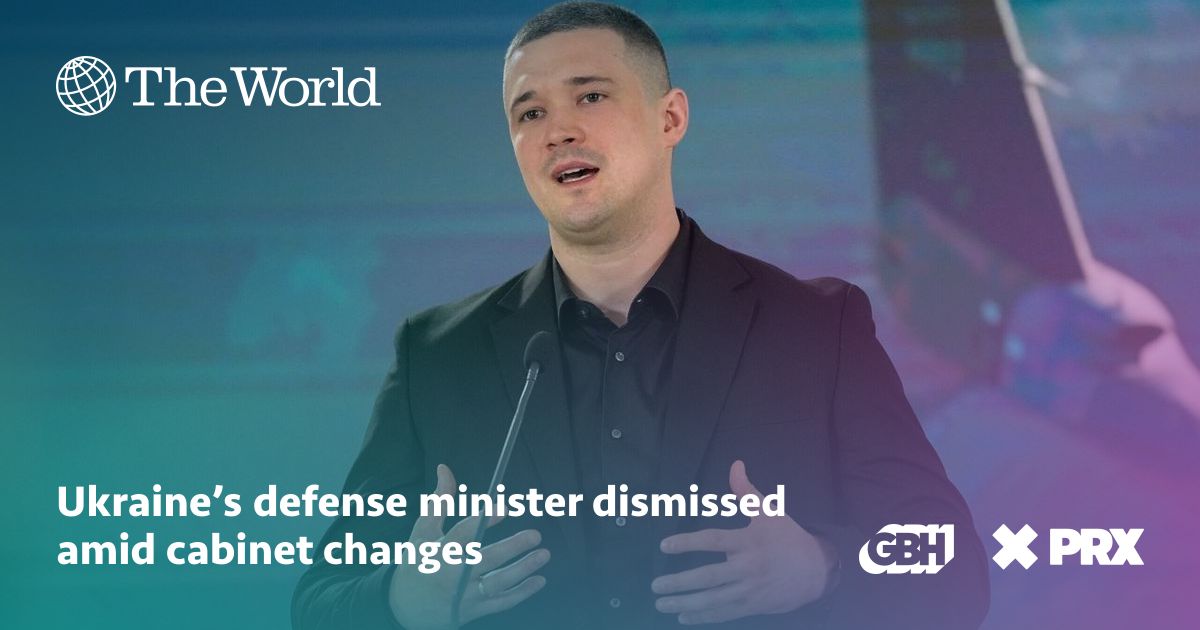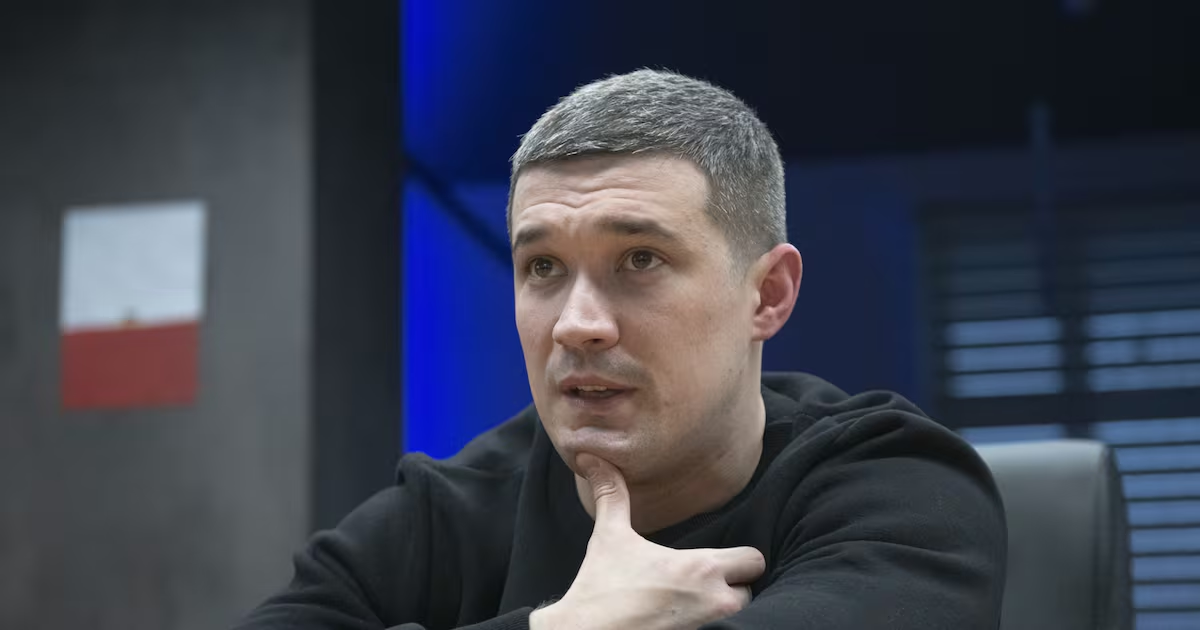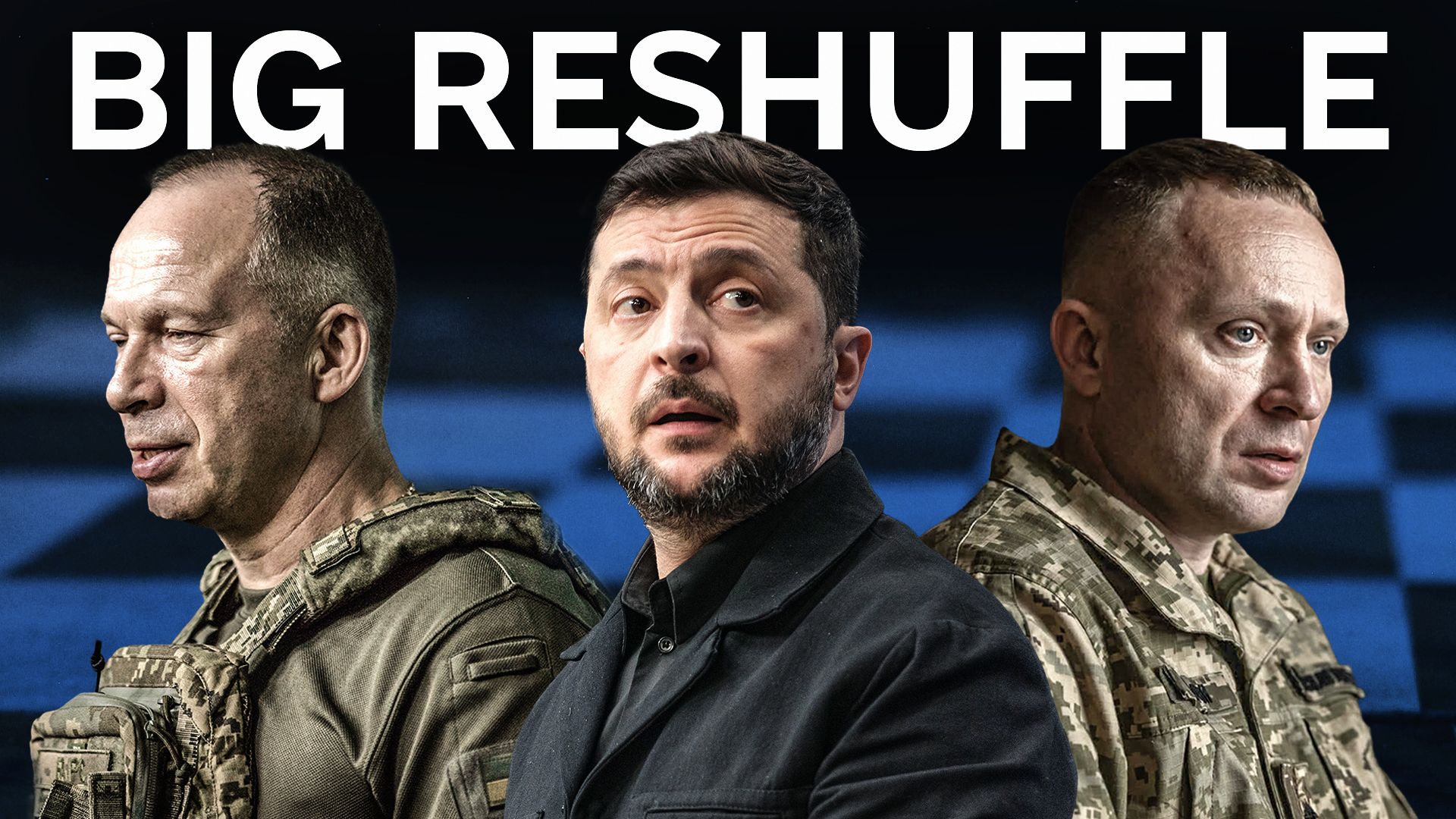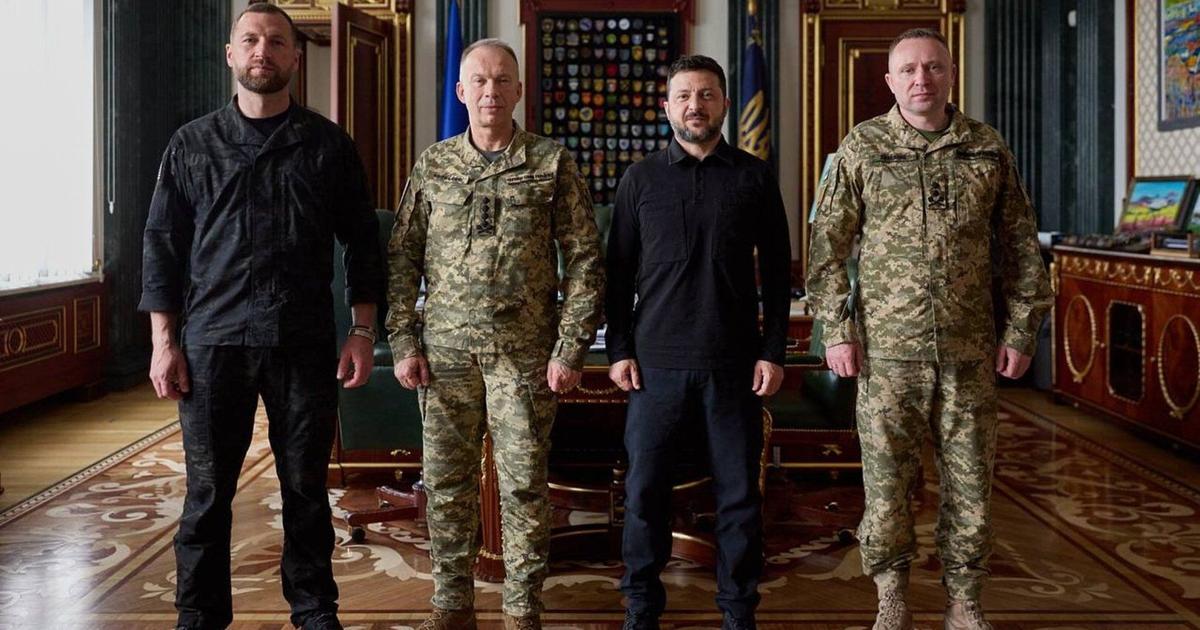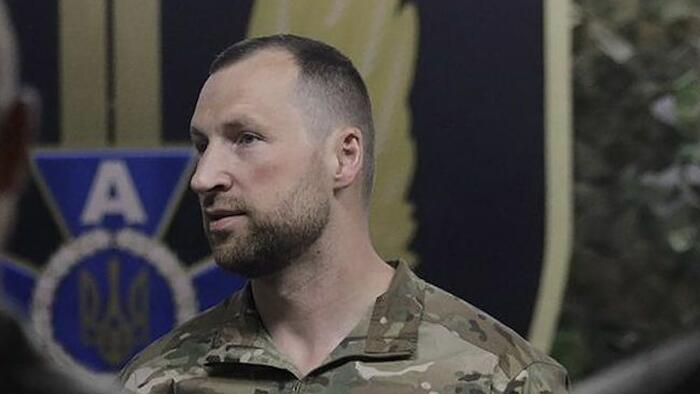
On today’s episode, Lawfare’s Ukraine Fellow Anastasiia Lapatina talks to Francis Farrell, a front line reporter at the Kyiv Independent, about the Ukrainian president’s decision to replace the country’s Minister of Defense, the mass protests it caused, and how the decision will impact the course of the war.Click the button below to view a transcript of this podcast. Please note that the transcript was auto-generated and may contain errors.Transcript
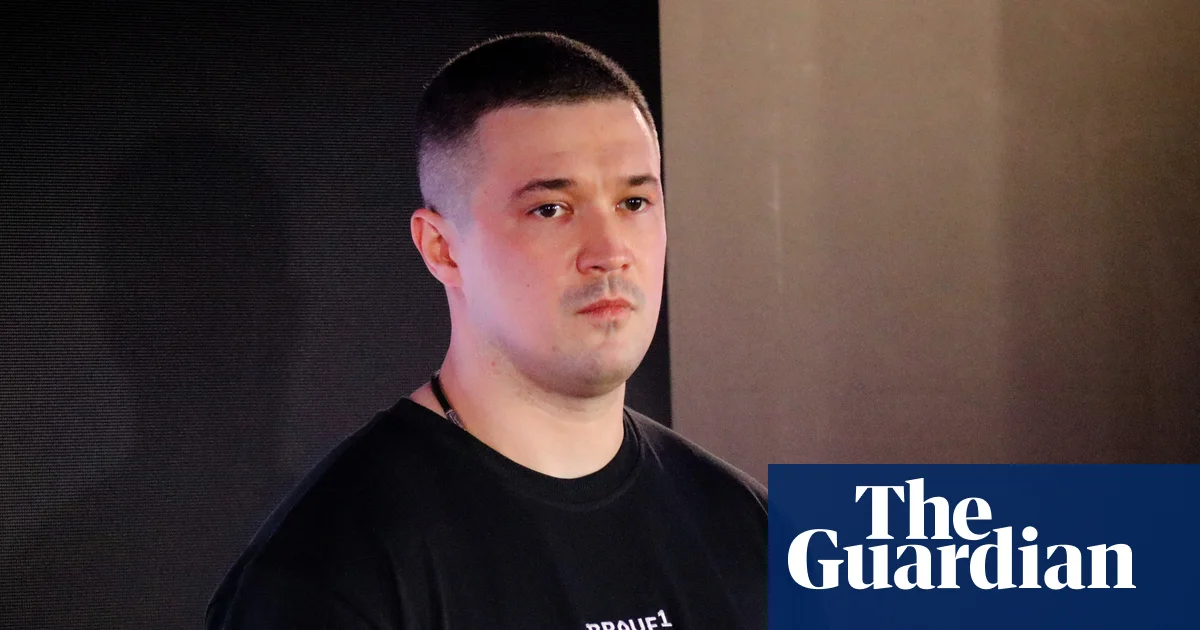
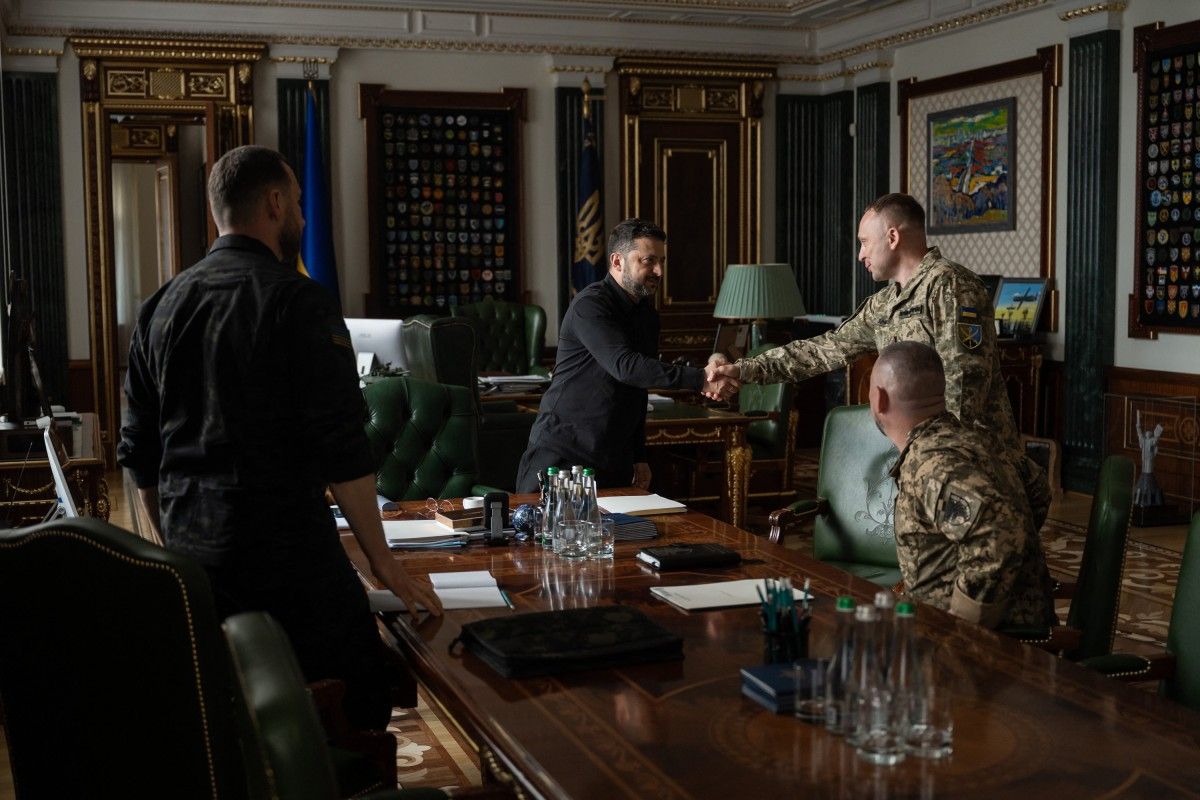
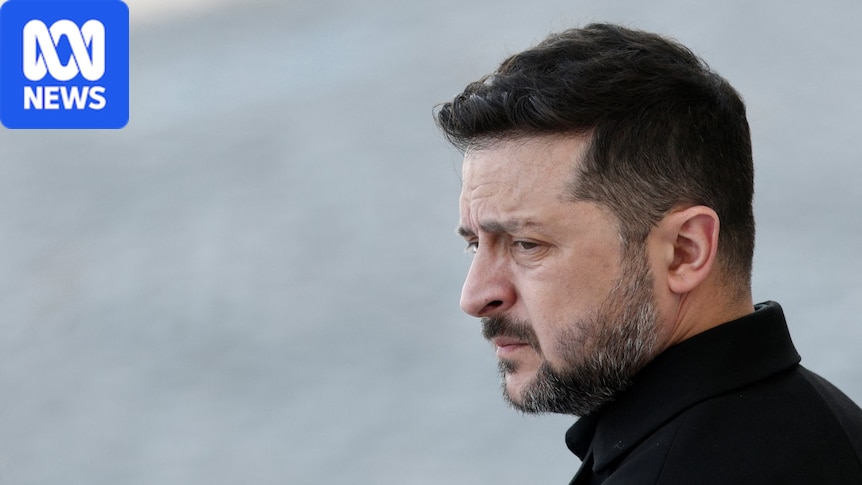
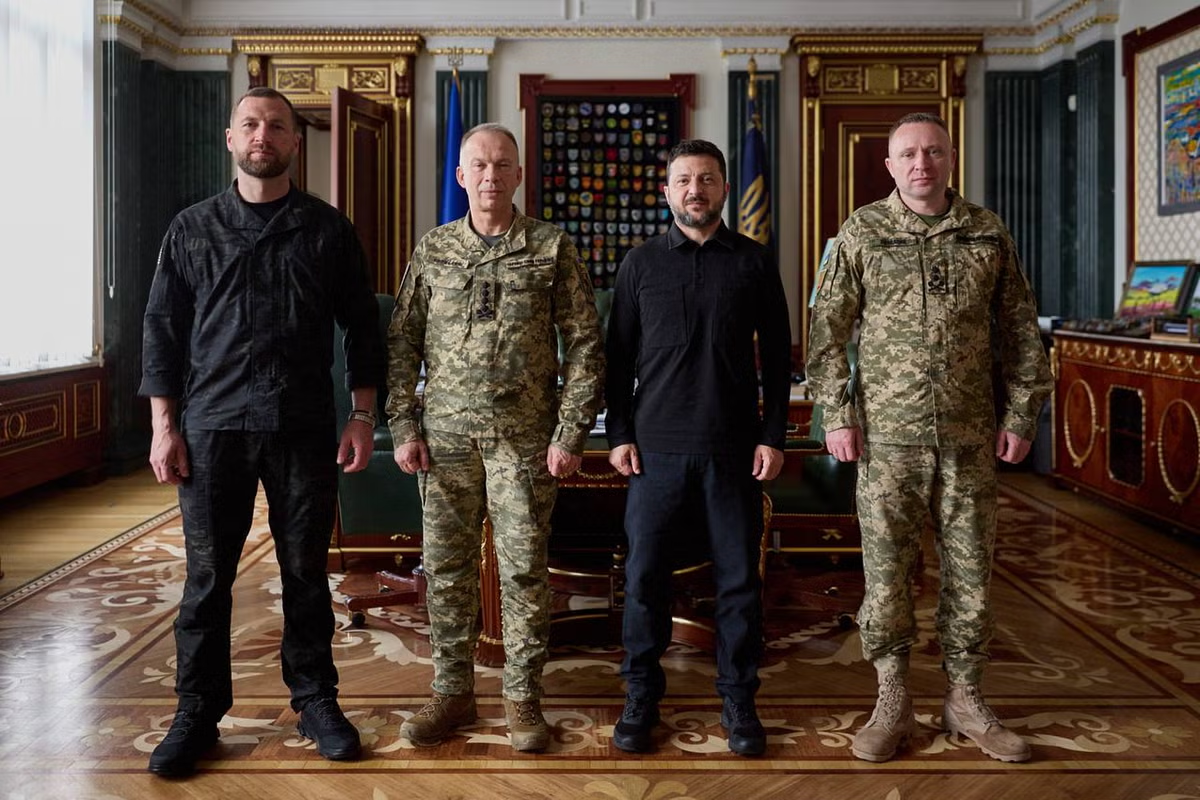
[Intro]Francis Farrell: Seeing that Zelensky actually sided with, with Syrskyi, under whom the, the war was, you know, not really going well, and pushing out the guy who was making all these changes was what caused this feeling of, of outrage and betrayal, not only among civil society, among civilians, thought leaders, but among the military as well.Anastasiia Lapatina: It's the Lawfare Podcast. I'm Anastasiya Lapatina, Ukraine fellow at Lawfare, with Francis Farrell, a frontline reporter at the Kyiv Independent.Francis Farrell: We, we've seen some of the generals that he's been, that he's been interviewing speaking to, that have been reported to be, you know, on the very short list of, of the candidates to replace Syrskyi. You know, some of these are known as being loyal to Syrskyi.Anastasiia Lapatina: Francis and I discuss President Zelensky's decision to replace Ukraine's minister of defense, why it caused mass protests across the country, and how this decision will impact the course of the war.Francis and I recorded this conversation on Tuesday, July 21st, just hours before news broke that Zelensky finally agreed to replace the commander-in-chief of Ukraine's armed forces, General Syrskyi. The fate of Mykhailo Fedorov, the former defense minister, remains unclear.[Main Podcast]So this story began on July 12th, when Zelensky announced on a Sunday that Ukraine will be changing its political strategy and, as part of that, reshuffling its cabinet, starting from the dismissal of the prime minister, Yulia Svyrydenko. And under Ukrainian law, the removal of the PM means the de- dissolution of the entire government. And when this happens, the parliament basically has to reappoint every single cabinet member, every minister again.And pretty quickly after that announcement, the Ukrainian media, including the Kyiv Independent, which is where you work, began reporting that Zelensky intended to replace Ukraine's minister of defense, Mykhailo Fedorov meaning that he wouldn't be reappointed, wouldn't be put forward for reappointment, which shocked the civil society, the media, and the expert community. There was a lot of chatter, you know, including in our sort of journalism circles because Fedorov is one of the most popular figures in Ukraine, and he was broadly seen as doing a great job as minister of defense.So then, as this chatter continued, three days later on July 15th, Fedorov confirmed his dismissal.He published a long statement sort of going through all of his successes at the job and some of the failures. And that, that confirmation caused such a firestorm of reactions that the next morning at 9:00 AM on a workday, a huge crowd of Ukrainians gathered near the president's office for a protest demanding that Fedorov be reinstated.And I was there that morning. A lot of your colleagues were there that morning. And I wanna just pause here and ask you, Francis, how did you react to that initial chatter about the Fedorov potentially being replaced. And were you surprised that this caused such a huge public reaction?Francis Farrell: Yeah, I mean, it's been a, a crazy, a crazy week. I remember, I think, just two days before the decision was actually made, I was talking to one of my editors, and she was saying that, you know, I was asking, "How are you?" And, and I was on vacation at the time, and she was saying that she was just knocked off her feet and in a really bad mood because she's, she'd started hearing the first rumors that Fedorov would be, would be dismissed.And I think, I think that already gives you a little bit of an idea of, of what this means to Ukrainians. And another little idea of what this means was from one of the posters I saw from the first days of the protests, which was saying, “but we had started to win the war.”And it sounds incredibly simplistic, but that's actually at the core of what this is about, because it's true that we are now summer 2026, the fifth year of the full-scale war, after many, many years where people kept telling us that, you know, time is on Russia's side. It's a grinding war. And now, you know, Trump's abandoning you as well. Therefore, you know, it's just we're barely holding on for survival. And now we're in a time where not only do we see these amazing deep strikes on Moscow creating a real strategic political pressure on Russia, we see the lockdown of logistics all across the occupied territories, including to Crimea. And we see almost no, you know, very, very little compared to last summer, for example, or the previous one, actual advances on the front line.And so Ukraine has put itself in the best strategic place in the war than it's been since, I would say, even, you know, autumn 2022 when they had just done a few very successful counter offensives. And that is, you know, that means absolutely everything for scenarios of ending the war, you know, putting that pressure on Russia to finally wind the war down. And Ukrainians understand, and we can get into why, is that so much of this can easily be traced to the leadership of Mykhailo Fedorov as head of the Defense Ministry, whether that's, you know, basically in drones and the drone program, both in offensive and defensive drones, in military reforms.And it was this positive trajectory, this kind of optimistic trajectory that we were on that was clearly connected to this one guy who was, you know, maybe he shouldn't be put on a pedestal, but he was a very unique and incredibly effective bureaucrat. And he didn't even have political ambitions. You know, he was very quiet politically. And we knew a lot about the positive changes he was bringing.And a lot of people you mentioned the conflict with Syrskyi, and we'll get into that. A lot of people understood that they would be clashing as soon as Fedorov came into power because they come from these very different schools of thought. But I think a lot of people hoped that at least, at, at least Fedorov would act as a counterweight to Syrskyi and his old Soviet style of, of waging war. And maybe with time, if he produced results, which he was doing, then Zelensky could see that it was Syrskyi that he needed to push out.So at that moment, when all of these factors combined, seeing that Zelensky actually sided with, with Syrskyi, under whom the, the war was, you know, not really going well, and pushing out the guy who was making all these changes was what caused this feeling of, of outrage and betrayal, not only among civil society, among civilians, thought leaders, but among the military as well.Anastasiia Lapatina: It's worth noting as well that Ukraine, of course, has this interesting, interesting reputation of being a country with, you know, a bunch of revolutions and a lot of protest activity. You know, in 2014, we had a Revolution of Dignity, and we overthrew Viktor Yanukovych. You know, the Ukrainian civil society is famously very active.But during the full-scale invasion, all of that protest activity has been kind of put under a lid because there was this understanding that the country has to stay united, and there was this sort of default trust in the government, and people swallowed a lot of corruption scandals. A lot of problems have been swept under the rug.And the first time Ukraine had mass countrywide protests during the full-scale war was actually last July, exact same month, which, you know, now, now is a cause for a lot of memes and, and jokes on the subject. Last July, there were the first mass countrywide protests since 2022, and it was about the government's decision to strip away the independence from Ukraine's anti-corruption infrastructure.But now a year later, people come out and protest again. And I think what's also important to mention here is that Zelensky, part of the problem is that Zelensky didn't actually explain his decision, which I think angered a lot of people, right? Because it felt like this was such a critical decision that was being made not only without any consultation with the public, despite the public's, you know, thinking, and the public's desire, and the public's support for Fedorov, but also without even an explanation of what Fedorov did or didn't do that necessitated his dismissal, right?And so eventually, you know, when the protests kicked off, Zelensky told the media and the lawmakers that the problem was that Fedorov didn't get along with General Oleksandr Syrskyi. Zelensky was pretty open about it, and basically that the minister of defense and the commander-in-chief were at conflict with each other. It was bad for the country. He could no longer mediate between them, and he had to choose a side, and he ends up seemingly choosing the side of Syrskyi. And this, as you've said, is at the heart of this whole saga, right? The conflict between Fedorov and Syrskyi and then subsequently Zelensky's response to that conflict.To understand all of this, though, we need to go back in history, and we need to explain to the audience who these two men are. As you've said, they come from two very different schools of thought, and, you know, their rise to power is very different. And I want to start with General Syrskyi. Tell me a little bit about his background, some of his achievements, and how he was appointed the commander-in-chief of Ukraine's Armed Forces.Francis Farrell: Yeah. So General Syrskyi, the, the man who has probably taken up a lot of my, my time and, and attention and, and, and feelings in the last two years because this has indeed been something I've focused a lot on in my reporting the leadership of the Ukrainian military, the command culture inside the, the Ukrainian military, and specifically the systemic problems that were basically undermining Ukraine's fight in this, in this war. Ukraine's attempt being mostly on the defensive to, to hang on against a, a numerically vastly superior opponent. But we'll get to that.Starting with Syrskyi, he, he's quite old and he's still a graduate of military academy in Moscow. He's actually Russian himself and a strange little side fact, I don't wanna get into conspiracy theories definitely don't wanna do that here, but his, his, he has, still has family in Russia. And he graduated from First Military Academy in Moscow and he was already serving in the Soviet Army and then throughout the history of independent Ukraine, he was climbing up the ranks in the Ukrainian military, which until 2014 was very much a kind of stagnant legacy institution of, of the Soviet military before that.But obviously he had he had a lot of military experience from the war in Donbas that started in, in 2014, Russia's proxy invasion. But he really came onto the scene at the beginning of the full-scale invasion when he was the leader of the defense of the Battle of Kyiv. And that is, you know, and that is no mean feat, the Battle of, of Kyiv. I guess even with all the events we've had in this full-scale war, it remains the most consequential because that was Russia's attempt to, to decapitate the Ukrainian capital in just a few days And, you know, while also attacking the country from, from three different sides, and that was a pretty monumental effort.And then he also led the counteroffensive in Kharkiv region that autumn. So in September, when Ukrainian forces broke through Russian lines and captured huge territories and, and hundreds of pieces of military equipment in northeastern Ukraine in what was still probably, you know, since the Battle of Kyiv, still probably the most impressive single military victory on the battlefield for Ukraine.And that's what Syrskyi is good at. He's good at old-school conventional tactics, you know, maneuver. You can imagine a guy with, with the tanks and the, the foot soldiers on the map and, like, breaking through here and out- outflanking there. That's what he's good at, but that's not what his job has been since becoming commander-in-chief.So he became commander-in-chief in January 2024, and if we rewind to that part of the war, this was after, you know, we had clearly understood that Ukraine's summer 2023 counteroffensive had failed pretty dramatically, and Russia was already attacking on several different fronts, especially in the Donbas. And the understanding was that, you know, there's not gonna be enough, enough strength for another counteroffensive, and it already went really badly. Now we're gonna be on a on a defensive posture. Strategically, it's our job to defend as efficiently as possible against an opponent which just has more and more manpower just coming in and in from, from Russians in, in depressed towns in Siberia signing their contracts.But this has not seemed to be a, a task that Syrskyi has been great at and we can get into the reasons why. First of all, I think there's a lot of issues with the personal kind of command culture that he basically propagates in his army. It's very, very Soviet, and for people maybe in the West who don't quite maybe know what I'm talking about immediately, if you've seen the amazing HBO miniseries “Chernobyl,” and you think about how the, the different bureaucrats and the local chairman and the council presidium politburo people are all talking about this disaster in the aftermath, and no one is taking responsibility. Everyone is saying it was his fault. No, no, no, that's not happening. Reality was being denied. That is a little bit getting at this Soviet culture that is also, you know, it's very much present, probably worse in the Russian military but also in the, in the Ukrainian military.And just to give you an example of what that looks like, that looks like basically everyone along the command chain trying to avoid responsibility and a very centralized top-down kind of style of, of command. So if we imagine, let's say, a part of the front line with, with a village and Syrskyi and the general staff are giving orders to the commander to, to hold this village. But they're running out of people. They've been holding this village for, for weeks now, and they're running out of infantry to, to hold it with. And maybe there's a river behind the village, and they say, "Can we retreat to that river? That's where we'll be, you know, better at defending." And there is the order, "No, you, you have to hold that village." "But we don't have any more people to hold that village with." “No, you just have to keep holding the village.”And, and so eventually they lose that village, but they, the commander doesn't tell the general staff about this because they're worried about punishment. So this is again part of the Soviet system. It's all about lies. And then suddenly the, the brigade to the left of the village has, is not being told that they've lost that village because the, the brigade didn't tell the truth, and suddenly they have Russians coming in from their flank. And that's how you lose way more manpower than you need to. That's how you create chaos on the front line. That's how-Anastasiia Lapatina: Am I right in understanding that you're describing an extremely typical scenario for Ukraine? This is not a one-off, this is common, right?Francis Farrell: Yeah, this is a completely, you know, placeholder kind of situation. And add on that, that this can happen on a larger scale as well, you know, with entire cities that, that, with orders to hold entire cities even though there's no one left to hold them, and they're being surrounded on three sides. But there's just this order from the top, and if you don't do it, then you're gonna be punished, so you lie and say that you've done it, and so on, and so on.You know, this, this all leads to, as I said, excess losses, and that's exactly what Ukraine should be trying to avoid in an attritional war against an opponent with a lot more people. Not just because Ukraine actually cares about its people, unlike Russia, which uses their soldiers as single-use kind of assault troopers, but also because that's not a way to, to win the war, holding onto every village until the last man and hoping that Russia somehow runs out of steam first.Anastasiia Lapatina: I remember when he was just appointed, immediately I've heard a lot of people in the military or adjacent to the military calling him a butcher, saying that, "Oh, this is gonna be horrible for the military because he has this reputation of being a butcher." Did that prove, like, the right initial reaction and the right assessment?Francis Farrell: Yeah, I mean, if we're talking about a Ukrainian commander being called a butcher, I, I, I do wanna say that that's, you know, it's, it's a very emotional, and black and white, and a horrible thing to, to, to just throw around, and it gives a certain picture of the Ukrainian military that puts it somewhere near the Russian military, which it isn't.But if those allegations are being flown around, you should look at why that is. And, and this, this is getting down to, to what I was talking about. You know, in general, again, that's no way to, to have a strategy against a, a numerically superior opponent. And a lot of people, you know, point out that we don't really understand what Syrskyi's strategy is. It, it really is, you know, in an interview, he said, "My strategy is the defense of Ukraine," and that's really what it seems like.And a good example is the Kursk incursion into Russia where, you know, he did this really well-planned kind of tactical breakthrough across the state border and, and took quite a bit of land, but then there was no plan for, for what to do with that. It in fact, it only made the defense of Ukraine more difficult because Ukraine's military that was already short on manpower and already overstretched was now defending a lot more territory in an area which was, you know, surrounded on three sides. It had terrible logistics, and over the next seven or eight months, they slowly lost that territory, took more losses than they should have, retreated a lot later than they should have, and it, it just didn't bring anything.Anastasiia Lapatina: We should probably mention also the assault forces that he, were created under his initiative. Is that right?Francis Farrell: Yeah, and this is what I was gonna get to. I think the thing that has really escalated the criticism o- over the last year has been the way that he has prioritized and kind of given this privileged status to a, a small handful of units that were separate assault regiments or, or battalions, and have now been expanded to practically the size of, bigger than even a brigade or sometimes an even entire corps.So the most notorious unit is the 425th Assault Regiment. It's known as Skelia, and it has received, you know, while ordinary brigades are, are screaming for just, you know, maybe 50 extra infantrymen per month, it receives about 1,000 extra infantry per month. And what it does with those people, who are often, you know, the lowest of the low in terms of the, the quality of these mobilized recruits, we've had, not only just hearsay, but an actual, a big investigation with a lot of testimony talking about many cases of abuse, violence really inhumane conditions inside the base of this unit.And then, of course, on the battlefield, because they keep getting more and more people, and they've been given orders by Syrskyi to just, you know, attack here and here and raise a Ukrainian flag here or there, which is something the Russians do a lot, they take huge losses. And again, when we're talking about excess losses, all of these things do so much harm in terms of exacerbating not only the manpower crisis for the army on the battlefield, but the tensions in the whole country around mobilization.Because we've have had forced mobilization in Ukraine for, for a few years now. It is the biggest source of internal political tension i- in the country. And basically leading the military in a way where they're being abused in training, and they're being lost a lot more on the battlefield than necessary does so much harm to the trust between the state, which is doing this mobilization for the sake of this existential war, and the society, which, you know, doesn't want to capitulate to Russia, but is not happy with, with what's going on, not only with people being dragged on off the street, but then, you know, how they're actually being used.Anastasiia Lapatina: A common comeback I kind of hear from people who maybe support Syrskyi, you know, some of the leadership of these infamous assault units, for example, is that, you know, “oh, you know, these civilians, these journalists who are talking about all of this don't really know what they're talking about, right? They're not, they're not fighting. They're not on the front line. They don't understand the full picture,” and thus their criticism of the general is unwarranted.You, of course, travel to the frontline, you know, at least every month. You're there all the time. It's actually kind of hard to catch you in Kyiv to do these recordings. You speak to, you know, an infinite number of soldiers and commanders. Would you say that everything you've just described is also how people inside the military feel about Syrskyi?Francis Farrell: Yeah, I mean, there's no kind of black and white answer, but on the whole, those of, of, those of the commanders who are trying to think about strategy as well, those are the commanders who, who have been on the wrong end of these orders, you know, which are impossible to fill out, for exam- to, to carry out.You know, battalion commanders, you know, being told at a point where they've got no more infantry and they're being attacked on, on two different sides and they're being told by the general staff, "Find some infantry," you know, "Transfer your artillery people, your drone pilots, your drivers to infantry and, and attack up the middle." Just, you know, basically suicidal orders, and any attempt at pushing back on that is, is only responded with, "No, carry it out or you'll be punished, you'll be court-martialed, you'll be investigated." And so there are a lot of these horror stories.At the same time, of course, Syrskyi has set up a system with a lot of loyal people in high places, a lot of loyal commanders of the, the corps or of large brigades. You know, he changes brigade commanders a lot. If one brigade is, is losing territory, instead of, you know, finding out what were, what were the issues about what happened there, usually just switch the brigade commander.Another thing is that I would say a lot of commanders understand that they have to, you know, kind of make their compromise with Syrskyi and the leadership. The military, you know, it's not a democracy. It's a, it's a hierarchy and you can't just be, you know, speaking out and rebelling whenever you want. And basically they, they're not happy about how the, the military's being led, but they, you know, they, they don't speak out against him, and they just focus on trying to, to make their own, you know, their own part of the frontline a- as, as strong as they can and make do.Anastasiia Lapatina: Okay. So, on one side of this conflict, you have this old Soviet-minded general, and on the other side you have someone radically different because Fedorov is really, could not be more different from Syrskyi. I guess the only kind of interesting similarity between them in that is that, and we, and we'll talk about this more later on, is that both of them actually have been really loyal to the president, which makes this whole saga, you know, extra interesting to analyze.So Fedorov, he built a career in IT and in marketing, and in 2019 when Zelenskyy was running for president, Fedorov was actually in charge of Zelenskyy's online campaign, of his online comms. He ran his social media, and it, I think it's fair to say that he very much helped Zelenskyy win the election in a landslide.So then, Zelenskyy becomes president, he wins, and he gives Fedorov the job of Minister of Digital Transformation, which is a new job essentially created for Fedorov. Zelenskyy creates this new ministry, and tasks Fedorov with reforming the bureaucracy of the Ukrainian government services, something similar to DOGE maybe for the American audience, except I think, you know, subjectively in the Ukrainian example, it actually worked really well.Francis Farrell: I think DOGE was all about just, like, chainsawing the bureaucracy, and did they create anything good? I don't know.Anastasiia Lapatina: Okay. This is a rabbit hole we should not go down to, Francis.Francis Farrell: Yeah.Anastasiia Lapatina: But Lawfare has had an immense amount of coverage on it, so-Francis Farrell: Okay.Anastasiia Lapatina: Our, our audience is all caught up on that chainsawing. Anyway, at the point that Fedorov becomes the Minister of Digital Transformation, this is kind of astonishing, but he's only 28 years old. How old are you, Francis?Francis Farrell: 29. What have I achieved in life?Anastasiia Lapatina: Yeah, I mean, I'm 25. What have either of us achieved? So Fedorov becomes minister, and for the next seven years, until January of 2026, he has this kind of unprecedented, amazing track record at the ministry, which kind of functions as, like, its own little standalone bubble within the Ukrainian government.He launches a number of broadly successful and popular reforms. He doesn't really get involved in any corruption scandals, which is very, you know, very astonishing for a Ukrainian public official. There are very little, you know, there's, there, there's a very small number of Ukrainian officials who can, who can really walk out of the Ukrainian government unscathed. And he, he's one of them.He survives several government reshuffles without losing his job, and then when the full-scale invasion begins in 2022, he starts pivoting to the defense sector, as many others in Ukraine do. So Francis, could you describe some of those defense-related projects that Fedorov starts working on before he's ultimately appointed as the minister of defense in 2026?Francis Farrell: Yeah, sure. So, I mean, it started, if we go, if we go all the way back to 2022, I think it's worth remembering that the war looked completely different to what it does now. It was mostly a conventional war of, of artillery and tanks and, you know, howitzers, mortars and armored vehicles. But people understood that drones, you know, were on their way, and they would be a game changer, and especially on the Ukrainian side, that they needed to leverage technology as much as they could to stay in the fight against, once again, an opponent with so much more manpower and firepower.And so Fedorov, you know, made the first, he kind of drove the first steps in that direction in terms of centralizing, innovating, and, and scaling up the integration of drones from the, the defense tech side, you know, to help the military. Because until then, you know, there were no, there was no procurement of drones. The military just, you know, random groups of soldiers started using them, paying for them themselves.And so he started with this kind of Army of Drones project, which was an easy thing that everyone could donate to, and that was a nice brand that they could, you know, talk about promoting and getting funded from partner countries. In the meantime, and connected to that was the United 24 fundraising and media platform, which was alre- which was initially, you know, very much about supporting this Army of Drones project, but very quickly it, it started to grow and become more mature.And that's where another quite famous brand for anyone who's focused on defense tech in Ukraine is the Brave1 Innovation Cluster. Which is once again a, a government kind of initiative from the ministry to bring together innovators, defense tech producers, to connect them with foreign partners, to help fund promising ideas. And so on and so on.Anastasiia Lapatina: This is still from the Ministry of Digital Transformation, right?Francis Farrell: Yeah. But the most important thing which people actually don't really know too much about because it's not in it doesn't come under this nice brand like Army of Drones, is the fact that he, through the Ministry of Digital Transformation, he was also kind of overseeing a different government agency called the State Service of Special Communication, and this agency was in charge, I mean, an initiative in a plan kind of dri- driven by Fedorov, in charge of procuring drones for the military.And so in charge of basically working between the military and this completely new ecosystem of Ukrainian defense producers, which were just, you know, shooting up out of nowhere. Some of them really good, some of them kind of dodgy or corrupt, and, and creating basically from scratch an infrastructure where the state would procure these drones with big contracts that would allow these producers, the good ones, to scale up production and really, you know, provide drones, high quality drones to the military in a centralized and kind of organized way.Because if we remember people maybe who followed the war, they had this image of these drones which were being, you know, assembled by volunteers in their garages, and that's how the plucky Ukrainians were fighting. That's actually a, a terrible way, you know, to win a war in the long term. You need industry, you need scaling up, you need everything to be organized, to be optimized, driven by data, basically doing everything to tighten the feedback loop between producers and the military, and this is what Fedorov's initiative here was all about.And this was actually the, you know, in the context of this was where I met Fedorov, my only time actually meeting him, but he hosted an off record for journalists in late 2024. And he decided to host it at one of the factories of one of the biggest drone producers that had gotten a lot of these contracts. And I visited, and, you know, this I think maybe even more than almost any frontline visit, this was, like, the moment which, which changed everything for me in terms of understanding how war was changing. Just seeing this factory which was producing up to 4,000 drones per day.Anastasiia Lapatina: Wow, that's an astonishing number.Francis Farrell: And, and that was around the time that Ukraine was struggling to get shells, and people were talking about, you know, oh, this new European factory is gonna build 2,000 shells per month. And here I was in a, in a kind of old warehouse in Kyiv in a place that was making 4,000 drones per day.Anastasiia Lapatina: Yeah, it's, it's, it's really worth remembering. Sorry, I'm, I'm, I'm gonna interrupt you for a second. But it's worth remembering that you know, we all think of drones as being, like, the game changer of the war in Ukraine and, and ultimately the future of warfare, but there was a time not so long ago when this wasn't yet the case, right?There was a time when this technology was just originating, and there were a lot of skeptics, and people didn't really know what it was. And, and there were some people sort of driving that change, and Fedorov was very much one, one of those early pioneers of that technology in a way, right?Francis Farrell: Yeah. And as I mentioned with the volunteers in their garages, a lot of, a lot of the initial advancement in drones was kind of just out of necessity because, you know, Ukraine just didn't have enough shells, and they, you know, with the shells that they had, they just couldn't stop Russian advances.But in the meantime, Russia was also, you know, moving forward with drones and, and some of, you know, they've also done their own innovations which Ukraine has copied, like the fiber optic drones. But when we're talking about a war at this scale against an enemy that, you know, has its issues but is also not standing in one place, that's, that's exactly what was needed at the time.And it ended up being a very nice transition for him going from that to, to the Defense Ministry because in that flexible role as minister for digital transformation, and you could see the way, you know, just looking at him, the way he talks about all these different initiatives. He just has this drive to kind of put his nose in all kinds of different places and processes that might not necessarily immediately fall under his portfolio, but he'll do it anyway, and he'll gather data. He'll try and solve a problem and just optimize anything he can get his hands on.Anastasiia Lapatina: There was also that very kind of flashy moment in the beginning of the full-scale invasion when Fedorov tweeted at Elon Musk, right, asking him to activate Starlink over Ukraine. Of course, we now know that Starlink played an extremely crucial role in the in the war you know, helping Ukrainian forces.And then Fedorov became Minister of Defense in, I think, January 2026. At that point, reportedly, he's been eyeing that post for, for a very long time. He, he really wanted that job. He finally got it. I remember initially people in my bubble, you know, journalists, analysts, people adjacent to the military soldiers were very happy because he had a very good reputation.One of the first things he did, correct me if I'm wrong, but was also again related to Starlink. He asked Starlink to basically, like, basically introduce mandatory registration for every single Starlink terminal operating in Ukraine, which basically meant that now the Russians could no longer use it because the govern- the Ukrainian government had to manually approve every, every single terminal, and it really affected everyone. Like, literally myself included. My, my terminal shut off for just one day.And that had a huge effect on the battlefield, right? A huge positive effect, and I, it really worked. It, it crippled Russian battlefield communications. And I remember thinking, like, this was such an obvious, easy fix. Like, why did it take a new minister of defense to come up with that idea and, and, and do that outreach? I mean, why couldn't the previous minister, you know, Rustem Umerov or the guys before him do that?But anyway, Fedorov spent only six months on the job. What is his track record? I mean, we've already said a lot of good things, but let's get into some details. Like, what has he been able to achieve in this short amount of time?Francis Farrell: Yeah, I do wanna just quickly pause on Starlink because again, it's difficult to really measure, you know, all of the factors that go into, you know, this general feeling of the needle shifting to- towards Ukraine and the tide turning in Ukraine's favor this year. But from all of my conversations with, with military and with top analysts, everyone says that that has been, like, probably the single biggest game changer this year on the battlefield.In fact, I was out there on the front line when that happened, and I was still driving around burned-out trucks on key logistics routes, like, over 50 kilometers back from the front line that had started being hit by Russian drones using Starlink. In the same way we've now seen Ukrainian drones do the same thing to Russian logistics really far behind the front line.And we were there when, when it happened, and immediately the commanders that we were talking to, we were texting them and they were saying, "You know, the Russians are panicking. You know, their communications are not working. Their unmanned ground vehicles are not working, and now they can't do these mid-range drone strikes like they were doing before, and Ukraine can."And now this is, like, such a clear technological edge that Russia simply, like, they're trying different things, and maybe with time they'll get close to some kind of alternative, but it's just impossible to, to even like, overstate how crucial it's been on the battlefield this year.Apart from that we've seen a lot of interesting things. We've seen Fedorov being really interested in the manpower question, which I think was part of what really escalated his feud with Syrskyi. He conducted an audit of losses, which is the opposite of what the general staff under Syrskyi has, has been doing. So he actually understanding like, you know, where are we losing people? What are we losing people because of? And, you know, how could we lose less people? It seems like a kind of obvious thing to think of, but it's the, what, what the, the general staff was, was ignoring.He put forward a kind of a system to make sure every brigade has at least a standard like base quantity of drones that they're getting. Fedorov is famous for the gamification system, where the most effective units get more drones, which has its own, you know kind of logic to it because, and I've seen that on the battlefield, because elite units are, are so much better at solving all the problems, they should get more drones. But it's also important that every unit has a base amount that they can actually continue their work with.And he tried to do that with manpower as well, with the actual replenishments that we were getting, that they were getting. But that's again, where he comes into, into contact with Syrskyi and his, his plans for, again, prioritizing the assault forces.One of the things that Federov did just about a month before he was fired, and this was actually less popular among the military, but once again, you can see the logic. He introduced new contracts, a new system of contracts under which you could sign these fixed-term contracts, and if you were an infantryman or an assault soldier, you would actually be earning about, I think, five times as much as the, what they were currently earning as combat pay.And basically, the idea of making the infantry and assault soldiers, you know, they, they should feel that they're, they're the elite. They should feel that they're doing the most dangerous job and that they should be compensated accordingly. And if you think about that philosophy of reform to what was going on in the assault forces, again, it's completely, like, it, it, it cannot coexist.Anastasiia Lapatina: It's also worth mentioning that this is such a touchy subject and such a sensitive, you know, issue to address, and no one wants to take responsibility for this issue.And you can criticize, you know, Federov's attempt as much as you want, and people have, and he's admitted openly many times that not everything was perfect in, in the reform that he's put forward. But I think it, it was f- it's fair to say that he came to the job and he wasn't scared to tackle that issue. If anything, he was enthusiastic about finally doing something about it, even if it's imperfect, even if it needs to be perfected, you know, in the process of talking more to military leaders, more to the society. He was still trying to address it, and I think that, you know, that deserves praise.Francis Farrell: Yeah, and that's why when, you know, we heard reports you know, very reliable reports coming out that one of the justifications internally that Zelensky had for dismissing Federov was that he failed with reforming mobilization and reforming the, the kind of recruitment officers who are, you know, taking people off the streets, which isn't even his responsibility.They wo- they fa- work under the command of the ground forces. And mobilization and this whole, like, you know- drafting of people on the streets, that's something that nobody has wanted to touch, not the military, not the Defense Ministry, and especially not the president for the last two years as it's becoming, you know, as it's become the most, you know, difficult internal issue because it's so politically controversial and sensitive.And Fedorov, you know, was trying slowly, you know, by, and, and, you know, he wasn't getting in necessarily to the, to the, the meat of the actual, you know, taking people off the street part, but he identified that it was the conditions of these people in the military, you know, in training, in their actual combat units, and their, their pay and that kind of thing that was gonna be crucial to at least alleviating the manpower crisis going forward.He also tried to have an emphasis on, on foreign recruitment, and every step of the way also have an emphasis on, you know, letting drones do the assaulting instead of people, which is something, you know, it's, it still seems like future war stuff, but we are slowly moving in that direction. But it's not something that the general staff has ever showed much interest in.Anastasiia Lapatina: Probably the, the single biggest reason why Fedorov has been so popular in recent months is because he's, I think, widely credited with Ukraine's successes with its drone strikes particularly the middle strike campaign that's hitting Crimea, that's hitting occupied Ukrainian territory and crucial logistical routes there. Can you talk a little bit about Fedorov's efforts there and, and you know, some of the results of that work?Francis Farrell: Yeah. So Fedorov has been, again after, you know, building on his, his close relationships with Ukraine's top drone units that have been, you know, built up through his time as minister for digital transformation you know, where he led this gamification system and really pushed forward the, the advancement of the unmanned systems forces.He's since been, been working with them on basically giving the best drone units, especially those focusing on middle and deep strikes. So middle strike is, like, maybe, I would say, 50 to, to 100 miles, and then deep strike are the ones that are going deep into Russia, hitting refineries, and so on.And together, those, those two components, and Fedorov pointed out that the military was just focused on the front line, but these two components are what can bring real strategic pressure, asymmetric pressure on Russia. You know, it's one thing for Russia to be, you know, moving slower on the front line, but if they can't supply Crimea with, with fuel or, or any other supplies, or if they're having a fuel crisis across the whole country, that is what can change Moscow's calculation in terms of maybe ending the war. And that is called strategy, and that is something that, again, the general staff under Syrskyi doesn't seem to have really had.And Fedorov, you know, he, he, there was already a deep strike program, but he understood, "Okay, this is the time to push forward with this now,” so he, he kind of made some really big procure- procurements for the middle strike and the deep strike drones. Worked closely with, with people like you know, the people at Palantir to, to optimize, you know, the, the deep strike program, which requires a lot of data and optimization and, and doing things intelligently, which I don't really have expertise on technically, but we saw the results of it.And, and the thing is that the, the results that we've seen, not only the middle strikes, the Crimea, the, the, the logistics lockdown, but also the deep strikes, these all fit perfectly with Zelensky's plan of pushing Russia to the negotiation table by autumn this year. He's talked about it. He's talked about this, like, 40-day kind of political and military push on all fronts. And, you know, Zelensky's actually become very popular. His popularity has, has bounced back up after these corruption scandals in, in many ways thanks to Fedorov's work.Anastasiia Lapatina: Right. And this sort of strategic thinking that Fedorov has had has been kind of part of the problem in terms of his relationship with, you know, Syrskyi and other generals because I've, I've, there has been reporting that the general staff perhaps was not very happy with him taking the initiative on all of these things, and kind of frustrated that, you know, the Minister of Defense has a job and that doesn't actually include all of these sort of strategic actual war fighting battlefield things, and sort of, you know, have been pushing him to stay in his lane and, and not get involved.But he wanted to get involved anyway, and, and you could argue whether, you know, whether that's kind of a civil military relations conflict, and maybe Fedorov was actually stepping on somebody's toes. But the, at the end of the day, I think it's fair to say that it was working. He may have not been following his protocols and his job description exactly to, you know, to the, to, you know, word for word, but, but what he was doing, whatever it is that he was doing, it was working. And you're right that it did help Zelensky's popularity.In fact, so much so that hi- his ratings started going up, and he actually held some meetings with other government officials planning on potentially holding an election in the fall, which is a ludicrous idea for a variety of reasons. And there, I've written about this for Lawfare. The Kyiv Independent has covered it at length. But regardless, yes, this, you know, the fact that Fedorov has been such a loyal soldier of Zelenskyy's for so long hasn't really publicly clashed with him ever. Even, even, even now, and we'll get to this, a few hours into, into the first day of the protests on July 16th, Fedorov actually organized a press conference, and it was quite an event. In fact, Francis, I think you said on your social media, I, I saw this, that this press conference was a turning point in this whole saga. E- e- explain what happened there and, and why do you think it was so important.Francis Farrell: Yeah. So Fedorov, you know, called the media to Kyiv to, to basically tell his side of the story. I wasn't there in Kyiv at the time, but I was, I was watching it live. And he didn't attack the president for, for the decision, but he was just explaining, you know, first what they've achieved in six months at the Defense Ministry, but then, you know, going straight for the guts and, and explaining that, yeah, the conflict with Syrskyi was the main issue here.And he, he laid out, I think, an 11-point list of the, the systemic problems in the military that he identified, which of course are all basically very closely connected to Syrskyi's leadership. You know, just a few quotes from that list. “No one is held responsible for anything,” “Isolation and toxic treatment of those who deliver results,” “It's impossible to carry out any systemic project because you'll be blocked,” and “constant dishonesty.” You know, I mean, he, he didn't hold back.And basically, what that did was make it very clear for everyone in the country that, yes the conflict with Syrskyi was the problem. Syrskyi was trying to push Fedorov out, which Fedorov said directly. He said the general gave him an ultimatum. And what that did was it meant that the protest movement, yes, they wanted Fedorov back, but it made it very clear for everyone, you know, what the real problem was and, and then, you know, immediately in the f- in the next few days, especially as, you know, some other people who are more like Fedorov's allies, like the very famous volunteer Serhiy Sternenko had a big live stream where he, you know, gave his own personal rant about Syrskyi.And people kind of started to understand that, you know, with this huge cabinet reshuffle and this understanding of this huge, you know, conflict, you know, just somehow magically reversing everything and bringing Fedorov back to the post of defense minister, they, they want that, but that's not the core issue here. The core issue is-Anastasiia Lapatina: And it's not enoughFrancis Farrell: And it's not enough. The core issue is Syrskyi and the way he's been leading the, the military. And what's interesting is that, you know, all of this criticism of Syrskyi had been there in the information space for years. It had been building up slowly. You know, there were these famous faces that, that, that had a lot of public trust, like Starenko, who was criticizing him quite often.But this was really just the turning point and the breaking point, and everyone understood that, you know, that's what needed to be gotten rid of first. That's almost the bigger problem because that's about our mentality, that's about our strategy, that's about the values that govern how Ukraine is, is, you know, pursuing this war. And people feel that, you know, if, if the school of war that is embodied by Syrskyi wins out and leads this country, then it's gonna lead us into a, a dead end or, or perhaps, perhaps even destruction.And so now the, the protests have been all, you know, really focused even almost more so on Syrskyi than on Fedorov. I was there last night. There was more chants against Syrskyi than for Fedorov. And, and simultaneously we've seen a lot of military speaking out, speaking out, not just ex-military who kind of, again one of the, a former serviceman who started the protests, but a lot of acting, you know, military, you know, kind of breaking the rules basically and saying, "Syrskyi can F off, proudly signed," so on and so on.And this kind of flash mob of, of rebellion and of course lawmakers, thought leaders, civil society. The only thing missing really compared to last year's anti-corruption protests are the, the, the foreign European partners. They've been pretty quiet. We don't know what pressure they've been putting on behind the scenes, probably not too much.But, you know, it looks like it, since then, since that moment of that press conference and the change in focus, the, the movement has now, you know, gained I think critical mass. We've seen Zelensky basically holding several meetings per, per day with top generals and trying to find a way out. But there's been more and more kind of anonymous reports basically that the plan is indeed to eventually dismiss Syrskyi, which is again a testament to Ukraine as a democracy with strong free- freedom of expression and civil society even in wartime having this ability to hold power to account.Anastasiia Lapatina: Fedorov was actually remarkably, kind of composed in a way at that press conference, and I mean, in, in one way he very much, you know, went all out against Syrskyi. I mean, he said, for example, one quote, "Instead of thinking about how to asymmetrically defeat Russia, he," meaning Syrskyi, "thought about how to split the country, and this is a big problem." And there are so many quotes like that, that you could pull from that press conference.But at the same time he did not say anything negative about the president, and if anything, he highlighted the fact that he has always been in the president's corner, he's been the president's ally, he's been a part of the president's team, and that also the president has supported his work at the Ministry of Digital Transformation. And they've had this good relationship, and it is true, they genuinely, as far as we understand from the reporting available, they've had a really good, close relationship for many, many years.And I, I, I think this conflict is quite personal for both of them as well. It's being reported that they're talking, they're having ph- you know, calls and meetings every day. They're talking a lot about how to find a way out of this problem.At the same time, you mentioned anti-corruption protests, and this is another thing that I think absolutely has to be mentioned. One of the biggest achievements, I think, of Fedorov's tenure as minister of defense was his attempt to reform the military procurement process, and to actually enforce completely transparent tenders and you know, public procurement for everything that, you know, goes to the front. All of the drones, the, the shells, ammo, whatever, whatever you can think of.It is a billion, many, many billions of dollars kind of industry, and it is no secret that it's not only extremely lucrative, but also extremely corrupt. Again one of those kind of open secret kinda things in Ukraine, and Fedorov has tried, it, it, it, it's been widely reported that he's, he's done a lot to make sure there was no corruption at the Ministry of Defense and no corruption in the public procurement when it comes to the military.And obviously that has caused immense problems for, you know, all of the suppliers who enjoyed, you know, various links to people making the decisions at the General Staff and in the Ministry of Defense under previous ministers. And so I think we, we shouldn't kid ourselves thinking that that wasn't part of Zelenskyy's calculation. I think the corruption component of it, and Fedorov trying to clear the defense sector of corruption, was absolutely a part of the problem.And I, I, now I- I'm just very curious about what's gonna happen in the future, because you said that, yes, there is a plan allegedly, reportedly, to dismiss Syrskyi many other commanders are being floated, including some of the famous ones like the, you know, the head of the 3rd Army Corps, Belitsky, and other commanders. But what's gonna happen if Fedorov doesn't come back to the Ministry of Defense?And I'm also curious what's gonna happen with the societal anger and the frustration. What are your thoughts? I, I know this, we're recording this, we're recording this on July 21st, Tuesday. This is gonna run tomorrow and Wednesday. It's gonna be a full week. Are you expecting personnel decisions by the end of this week?Francis Farrell: Yeah, so it's interesting with the protests because the guy who was leading, who first announced the protests, who I think decided he was the de facto leader of the protest movement, which I don't necessarily agree with, but he came up with a plan that M- yesterday, on Monday, was the kind of last kind of reminder protest that “you better do the right thing, Zelensky.” And he gave the president, again, I don't know why he has the right to do this, but he gave the president a deadline of Friday to simply (a) get rid of Syrskyi (b) return Fedorov which is, sounds very, very simple.And basically there are no, there are gonna be no protests for the rest of the week until Friday, and if it doesn't happen then, he said there'll be, you know, a constant protest movement, constant pressure.The danger now, I think, is that Zelensky is still trying to find a kind of sneaky way out of this in the sense of we, we've seen some of the generals that he's been, that he's been interviewing speaking to, that have been reported to be, you know, on the very short list of, of the candidates to replace Syrskyi. You know, some of these are known as being loyal to Syrskyi, and some of them are barely known at all, but definitely just, you know, kind of placeholders that have been put there in the General Staff by Syrskyi.And in the meantime, we have heard reports that Fedorov has been offered, you know, all kinds of different positions, that he'll be a presidential advisor or he'll, he'll be this kind of floating persona in the National Security and Defense Council where he'll be allowed to, you know, put his, put his nose in, in everything. Well, that was the, the offer anyway, but he rejected those offers and he said, "No, no, I, Defense Ministry, you know, being at the core of what's going on and actually having the real power is to, to, to bring reform is where I need to be, otherwise I'm not taking any other offer."So I think, you know, Zelensky is kind of looking for a way to, to kind of make everyone just settle down and, and find a way and maybe even, you know, satisfy some other political allies who had some corrupt schemes going on. That's speculation, to be honest.But I, I think now, again, the, the situation has reached critical mass. I think Syrskyi definitely has to go, and if it's one of these no-name generals who's just an ally of him, the people won't accept that. And once that happens, and once we really feel that there is a, a change in, you know, there, there's the beginning of a change top-down in the culture of the General Staff which most people are hoping for a general called Mykhailo Drapatyi who used to be ground forces commander and was trying to do a lot of reforms there before he was pushed out allegedly again because of conflict with Syrskyi.So the idea is if maybe he can come in, which is, you know, he's what people want the most, then there's no Syrskyi, there's no conflict, and Zelensky, obviously he's going forward with the cabinet reshuffle, but he can slowly, you know, walk back the, the dismissal of Federov and just maybe bring him straight back to his position as defense minister. That would be ideal, but that requires that pressure not to, to, to start letting go right at this critical moment.Anastasiia Lapatina: Well, Francis, we will stay in touch with you as things progress, and we will have you back on for an update on the situation very soon. Thank you so much for coming on.Francis Farrell: I hope the situation will be better than it is right now. Thank you. Good to talk to you.[Outro]Anastasiia Lapatina: The Lawfare Podcast is produced by the Lawfare Institute. If you want to support the show and listen ad-free, you can become a Lawfare material supporter at lawfaremedia.org/support. Supporters also get access to special events and other bonus content we don't share anywhere else. If you enjoy the podcast, please rate and review us wherever you listen. It really does help.And be sure to check out our new other shows, including Rational Security, Scaling Laws, Allies, The Aftermath, and Escalation, our latest Lawfare Presents podcast series about the war in Ukraine. You can also find all of our written work at lawfaremedia.org. The podcast is edited by Jen Patja. Our theme song is from Alibi Music. As always, thanks for listening