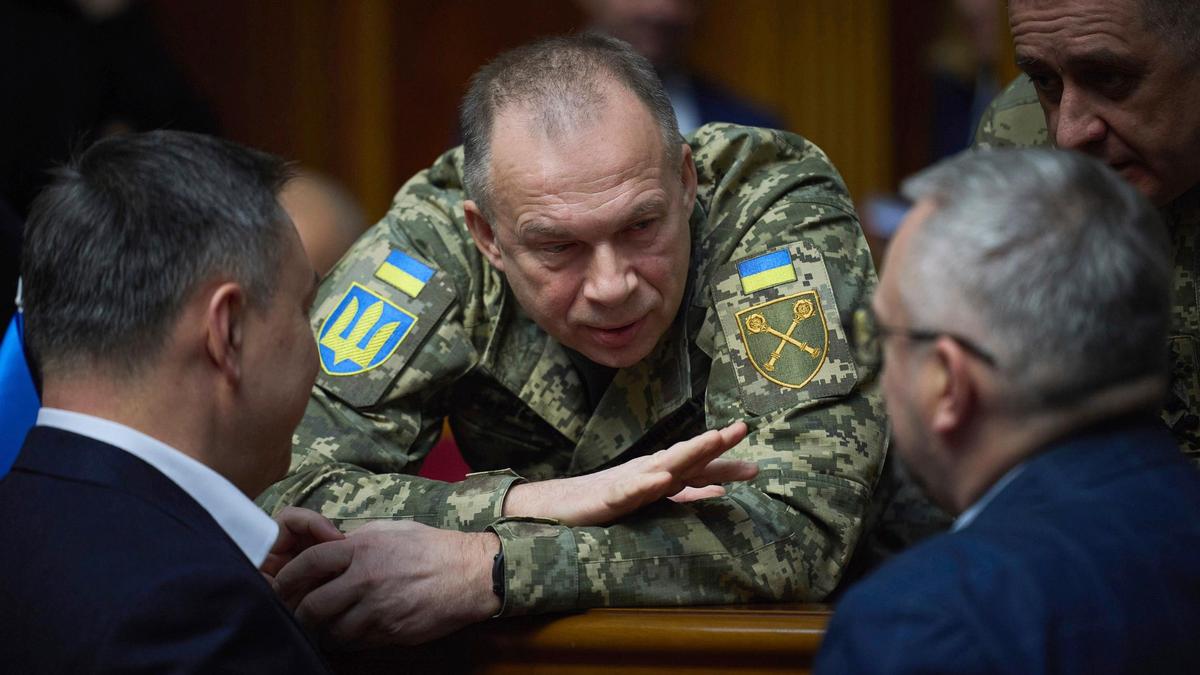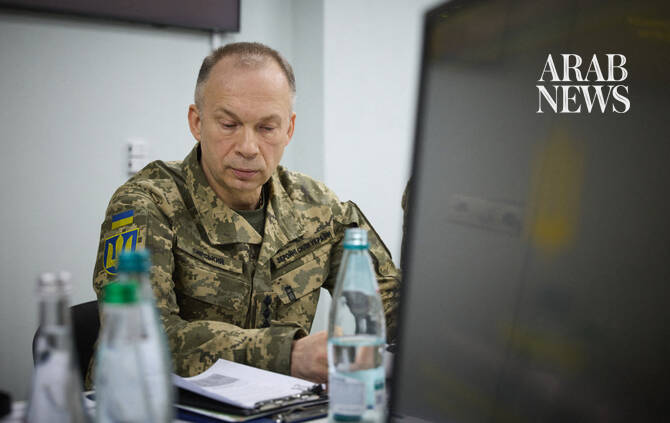
For a war imposing such radical change on the battlefield, the retention of 60-year-old Oleksandr Syrskyi as Ukraine’s top commander had become an anomaly. That’s not ageism, but a reflection of the recently sacked Ukrainian military chief’s mindset.
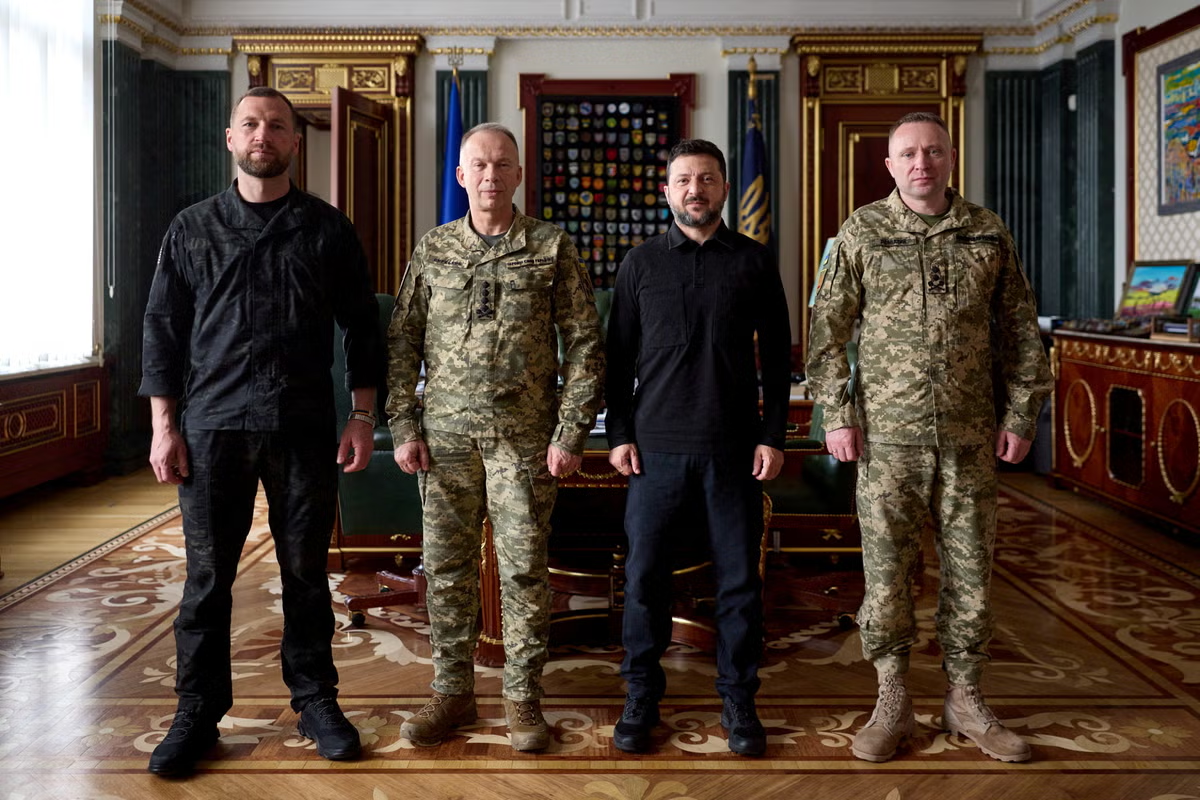
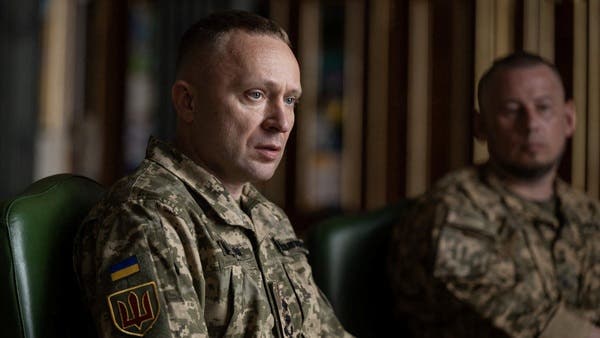
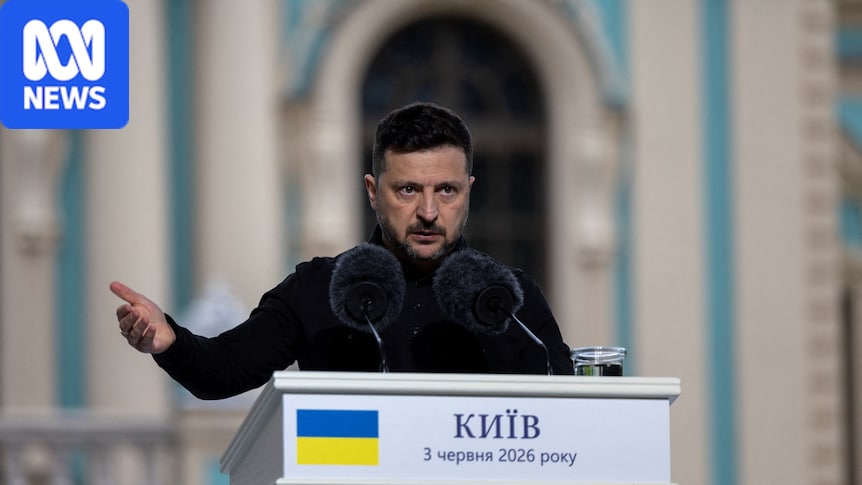
In this light, President Volodymyr Zelensky’s decision Tuesday to replace Syrskyi with 43-year-old Mykhailo Drapatyi – a younger general from a newer generation of military leaders – seems perhaps overdue.
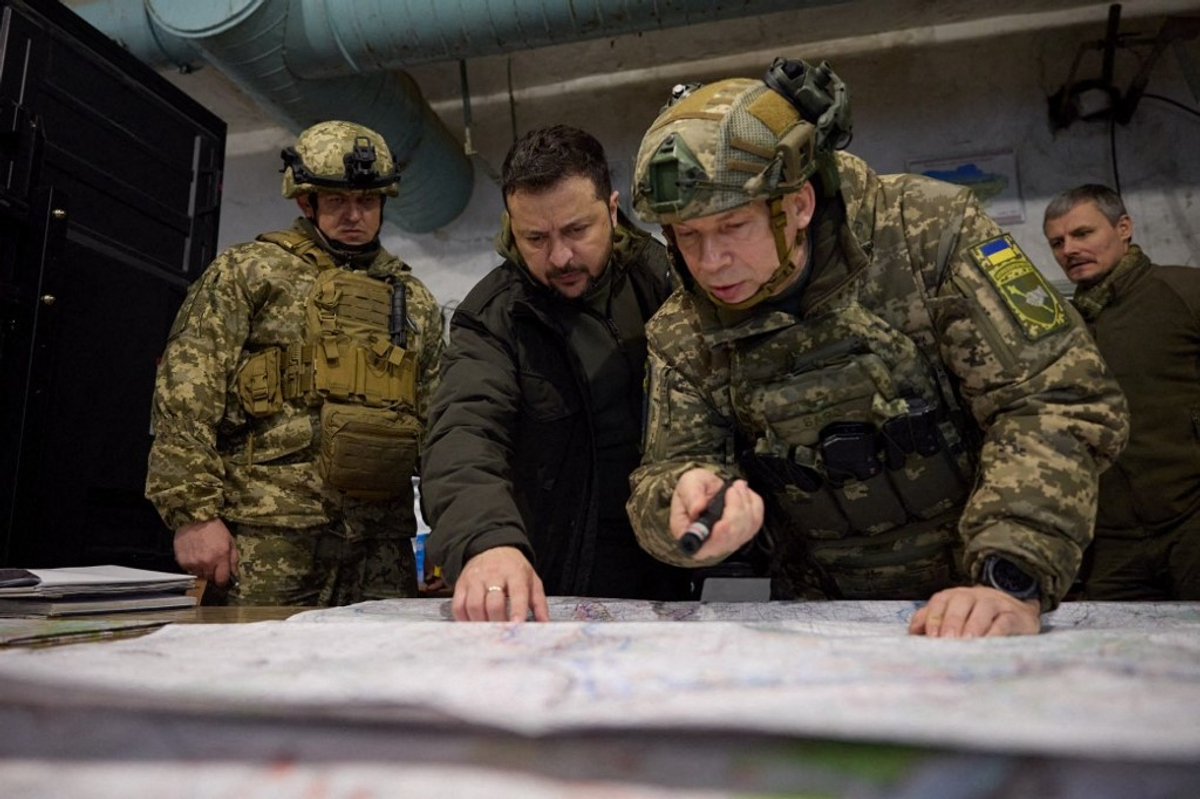
Syrskyi was a creature of the Soviet era, and brought to the first years of the war a dogged, brutal persistence, coupled with flourishes of strategic brilliance. He suited Ukraine’s initial need to match, and occasionally outwit, a larger, bloodier enemy. The defense of Kyiv in 2022, the rapid recapture of Kharkiv region later that year, and the sudden invasion of Kursk – Russia itself – in 2024, all are to his credit.
But his leadership was also marked by tremendous losses in Ukraine’s ranks. And ultimately, the same political infighting and naked ambition that led to his rise would lead to his downfall.
Syrskyi got the job after the 2023 counteroffensive failed, and the-then top commander, Valerii Zaluzhnyi, was moved to London as Ukraine’s ambassador. Many analysts suggest the failure stemmed from Syrskyi convincing Zelensky that a simultaneous push against the eastern city of Bakhmut and the Zaporizhzhia front in the south would split Russia’s defenses. Instead, it split the strength of Kyiv’s much vaunted summer push, which failed.