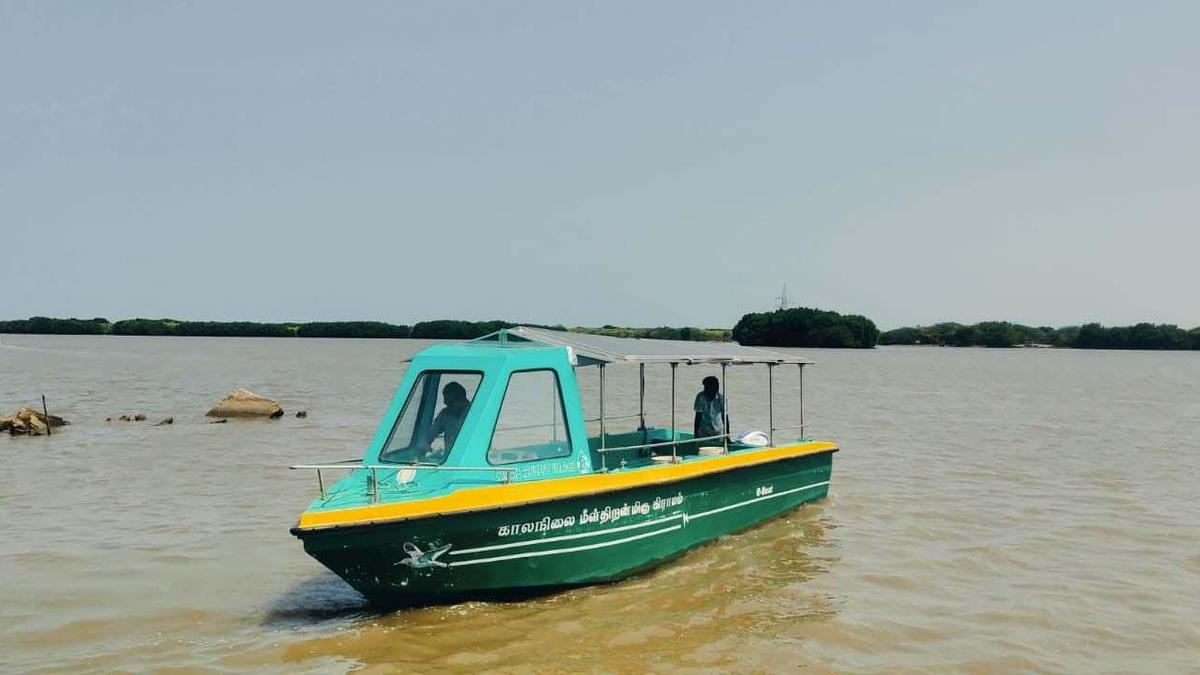
A solar-powered e-boat cruising through the Mangrove creeks of Pichavaram near Killai in Cuddalore district
| Photo Credit: Special Arrangement
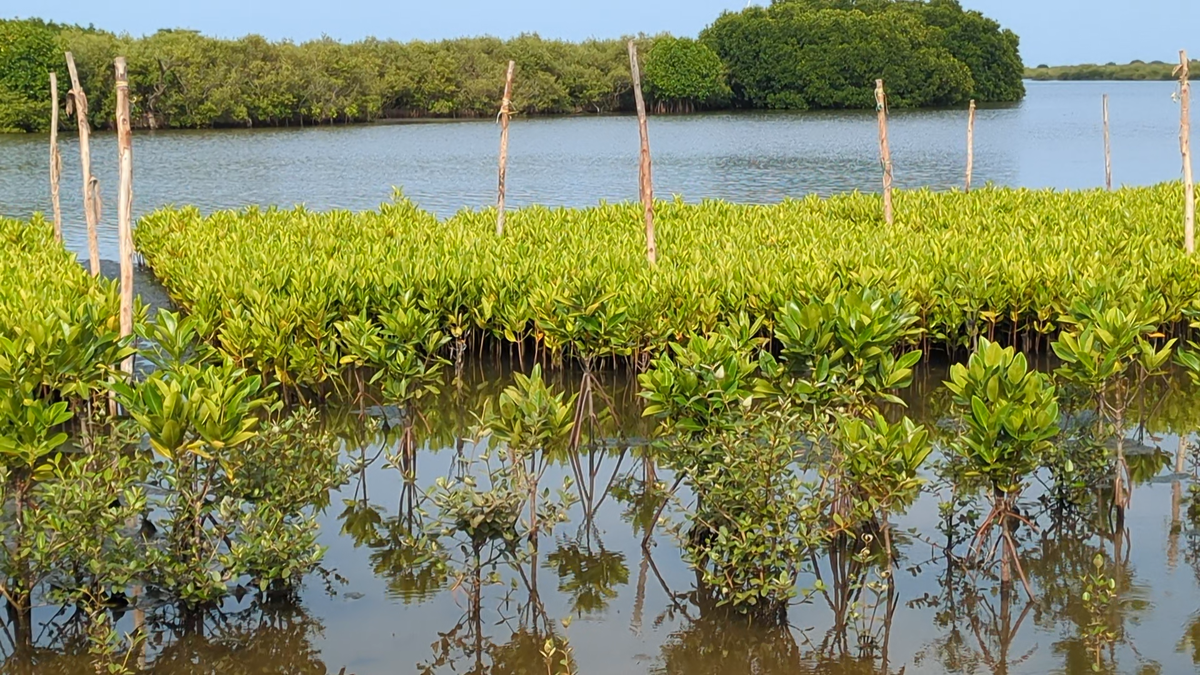
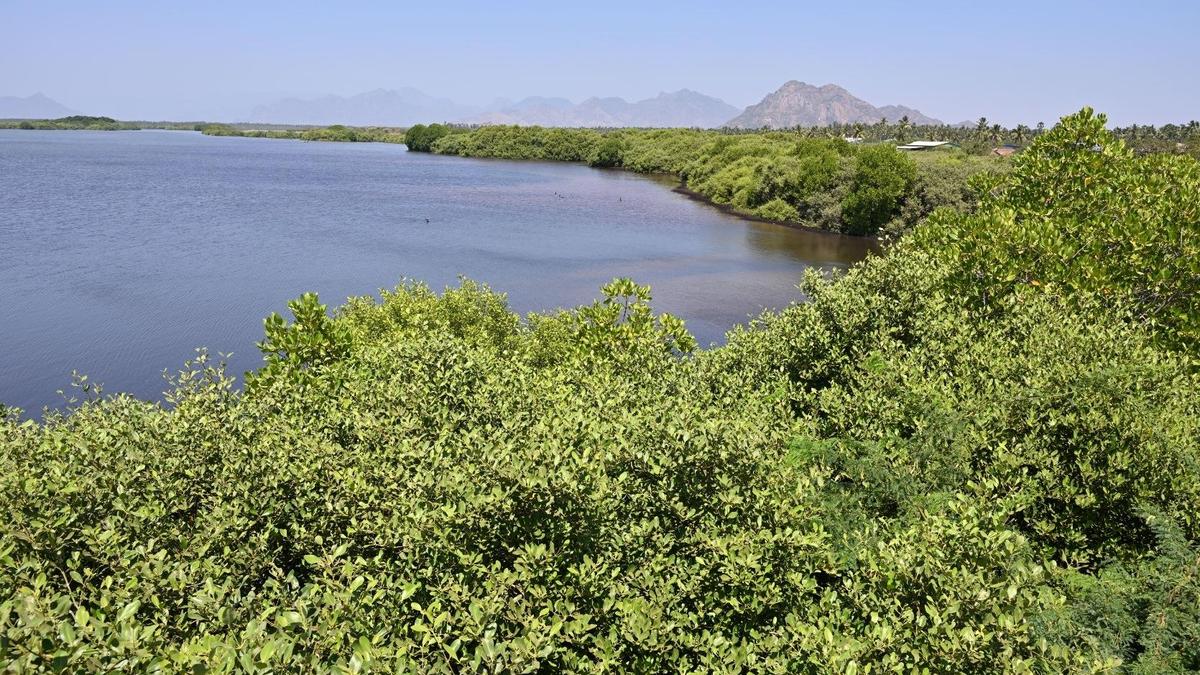
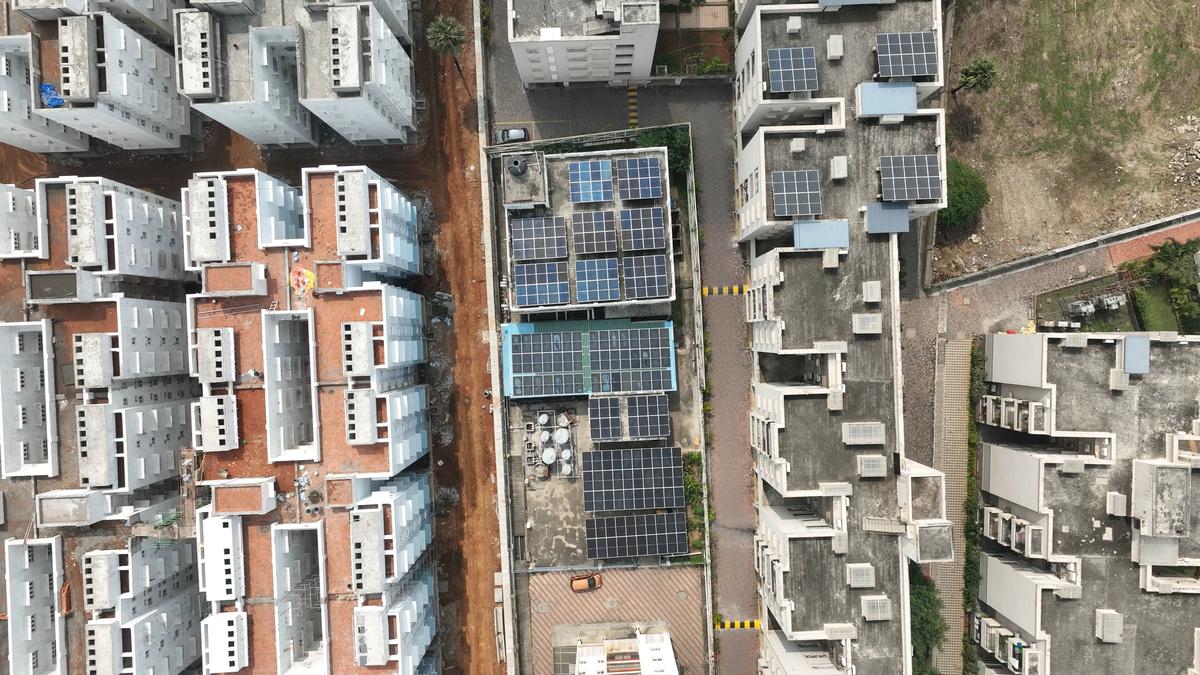
From a solar-powered e-boat cruising through the maze of mangrove creeks in Pichavaram and honey produced through scientific beekeeping in the same ecosystem, to hybrid solar power systems installed at government buildings that reduce electricity consumption and the desilted waters of the Buckingham Canal that strengthen the health of the local ecosystem, these interventions now define daily life in Killai, Tamil Nadu’s first fully operational Climate Resilient Village (CRV).Implemented under the Tamil Nadu Climate Change Mission (TNCCM) of the Department of Environment and Climate Change, Killai has transformed a climate-vulnerable coastal settlement into a working model of how ecosystem restoration, renewable energy, and community-led action can jointly address cyclones, sea-level rise, saline intrusion, coastal erosion, and biodiversity loss.Among 11 Climate Resilient Villages identified by WRI India in collaboration with the Department of Environment, Forests and Climate Change, Killai is the first where the CRV framework has been implemented.Executed at a cost of ₹230.15 lakh through the District Climate Change Mission (DCCM) and Corporate Environmental Responsibility (CER) funds, the project has turned Killai into a benchmark for coastal climate adaptation in the State.Buckingham Canal restorationAt the heart of the initiative is the restoration of the 3-km stretch of the Buckingham Canal. The desilted canal has improved tidal water exchange, enhanced mangrove restoration, reduced plastic accumulation, and strengthened the health of the coastal ecosystem.“Improved hydrological connectivity has enhanced wetland health, strengthened fish breeding habitats, and contributed to the ecological restoration of the Pichavaram mangrove ecosystem. Extensive mangrove planting has reinforced the natural coastal defence against cyclones and storm surges, enhanced biodiversity and carbon sequestration, and secured livelihoods for fishing communities that depend on robust coastal ecosystems,” says S. Manivel, Green Fellow, Department of Environment and Climate Change.Killai’s climate-resilient infrastructure is visible in its energy choices. A hybrid solar power system now runs the Pichavaram Boat House, while government buildings including the Panchayat office in Killai, the community centre at Thalapathy Nagar, and the Range Forest Officer guest house host solar rooftop systems and cool-roof interventions. These measures have cut greenhouse gas emissions, improved energy efficiency, and demonstrated practical climate adaptation solutions for public infrastructure, Mr. Manivel said.Sustainable eco-tourismA solar electric boat has also been introduced at Pichavaram. Powered entirely by renewable energy, the e-boat provides emission-free, low-noise transport through the mangrove creeks, reducing fossil fuel dependence and protecting the fragile wetland while promoting sustainable eco-tourism.“The initiative not only promotes sustainable eco-tourism but also demonstrates how clean energy technologies can be integrated into nature-based tourism without compromising ecological integrity,” an official said.Community participation has been placed at the centre of the initiative through the Green School programme, which promotes environmental education, tree planting, waste management, and biodiversity conservation among students, creating awareness of climate change and environmental stewardship.According to Cuddalore Collector Sibi Adhithya Senthil Kumar, “The Climate Resilient Village initiative represents a shift from conventional development towards an integrated model that combines ecosystem restoration, renewable energy, biodiversity conservation, sustainable livelihoods, and community-led climate action. The experience of Killai demonstrates that locally driven, science-based interventions can effectively enhance resilience while improving environmental quality and livelihood security.”As Tamil Nadu continues to strengthen its climate action agenda, Killai’s Climate Resilient Village offers a scalable model for the remaining Climate Resilient Villages across the State. The initiative is expected to guide future climate adaptation planning by demonstrating how environmental conservation, clean energy, and community participation can together build resilient coastal communities in the face of a changing climate, he added. Published - July 22, 2026 05:23 pm IST