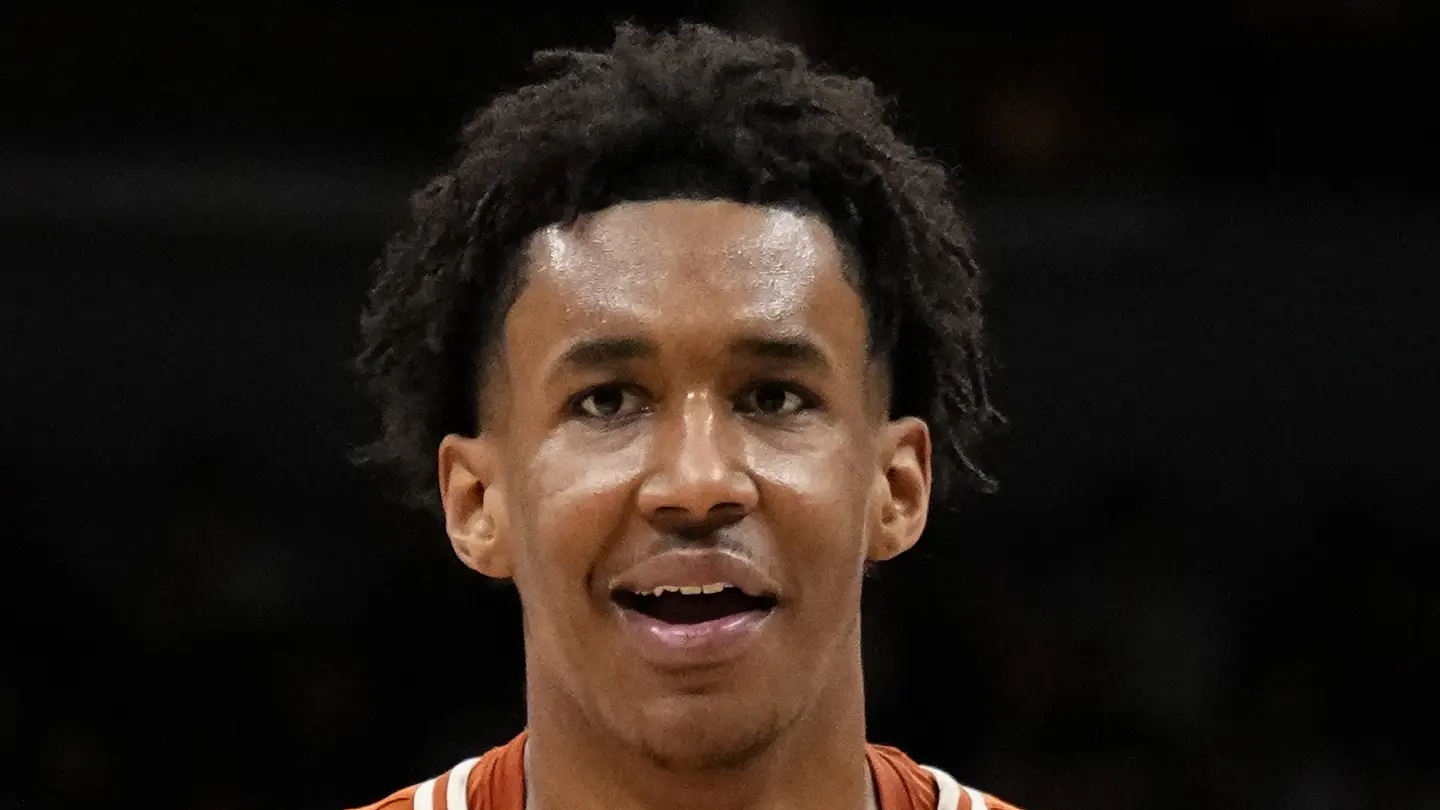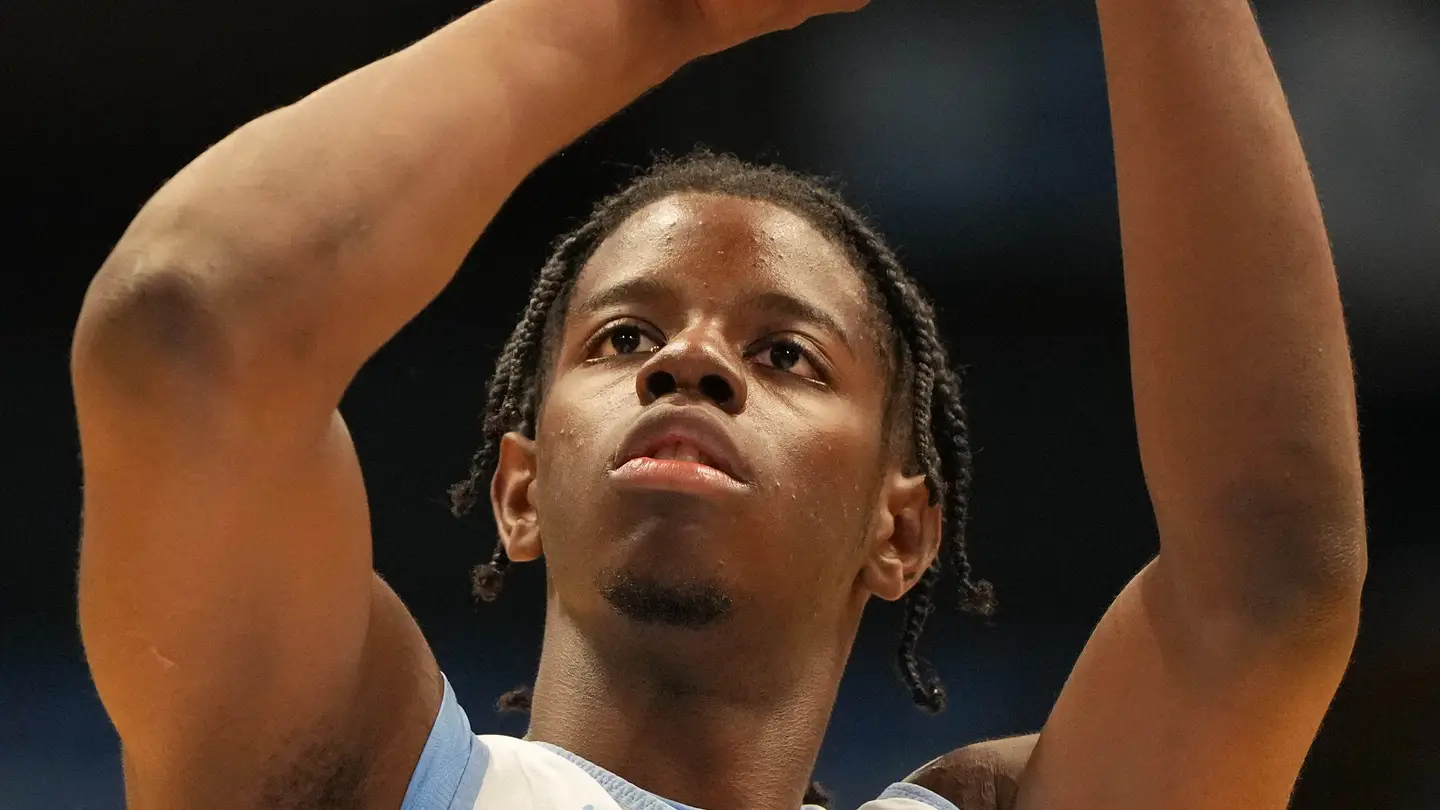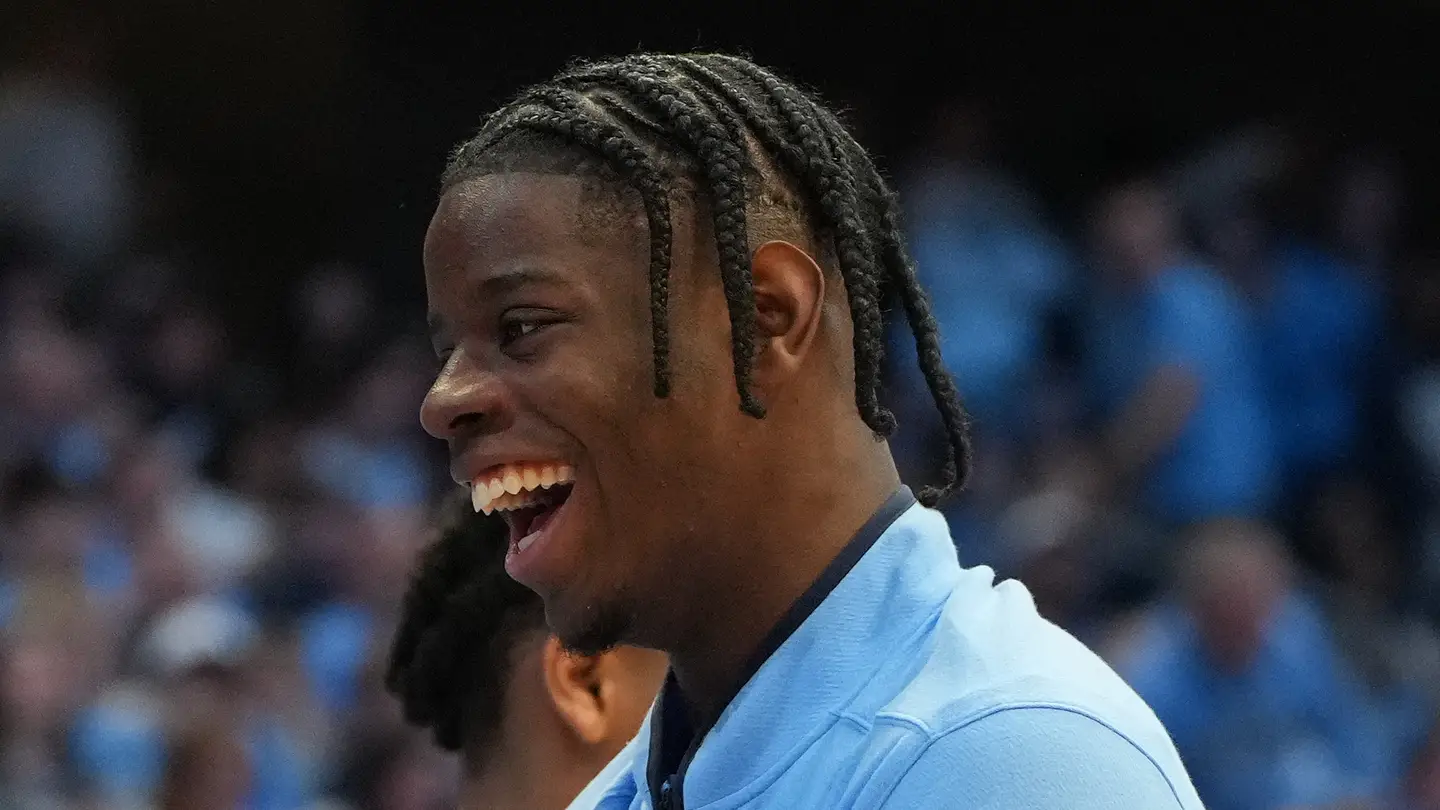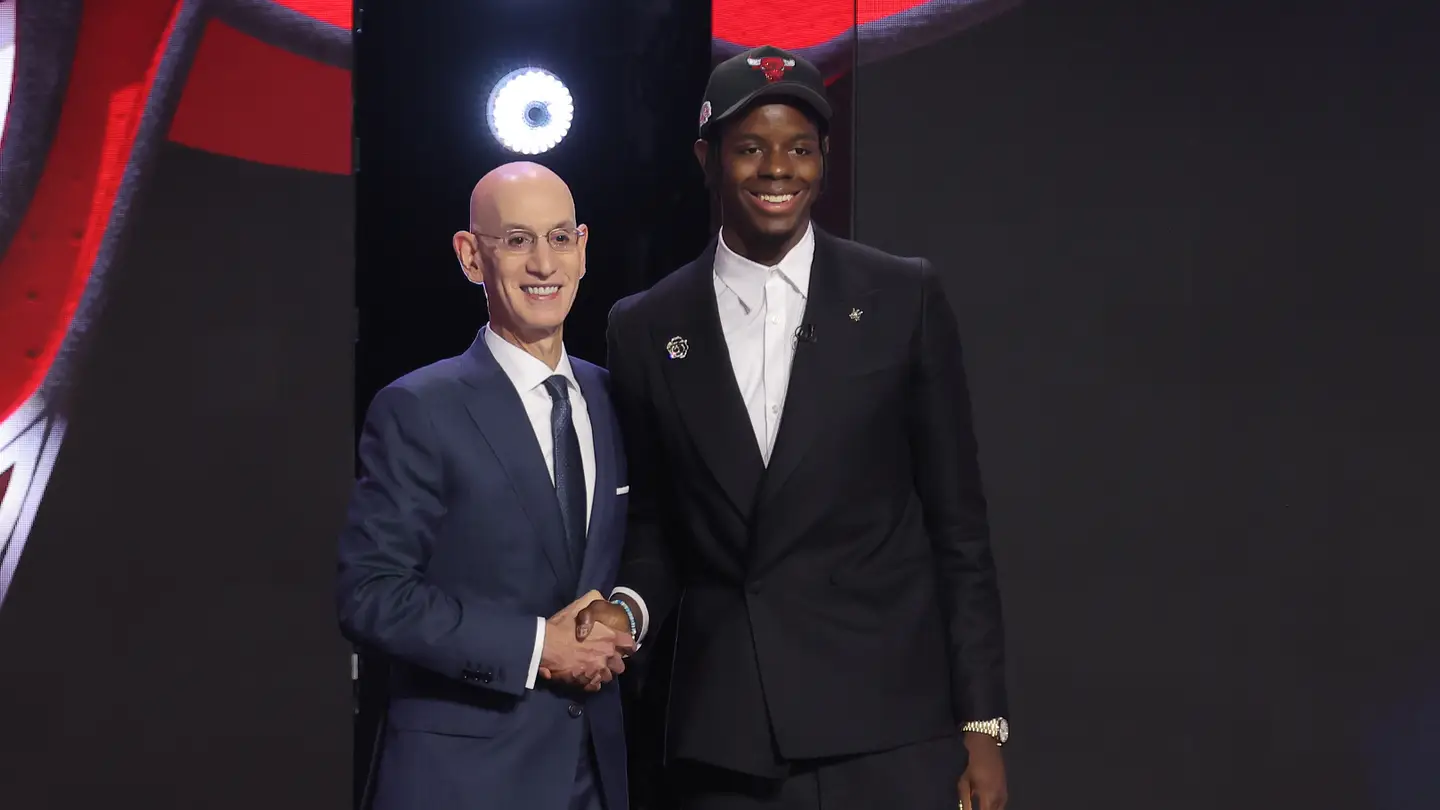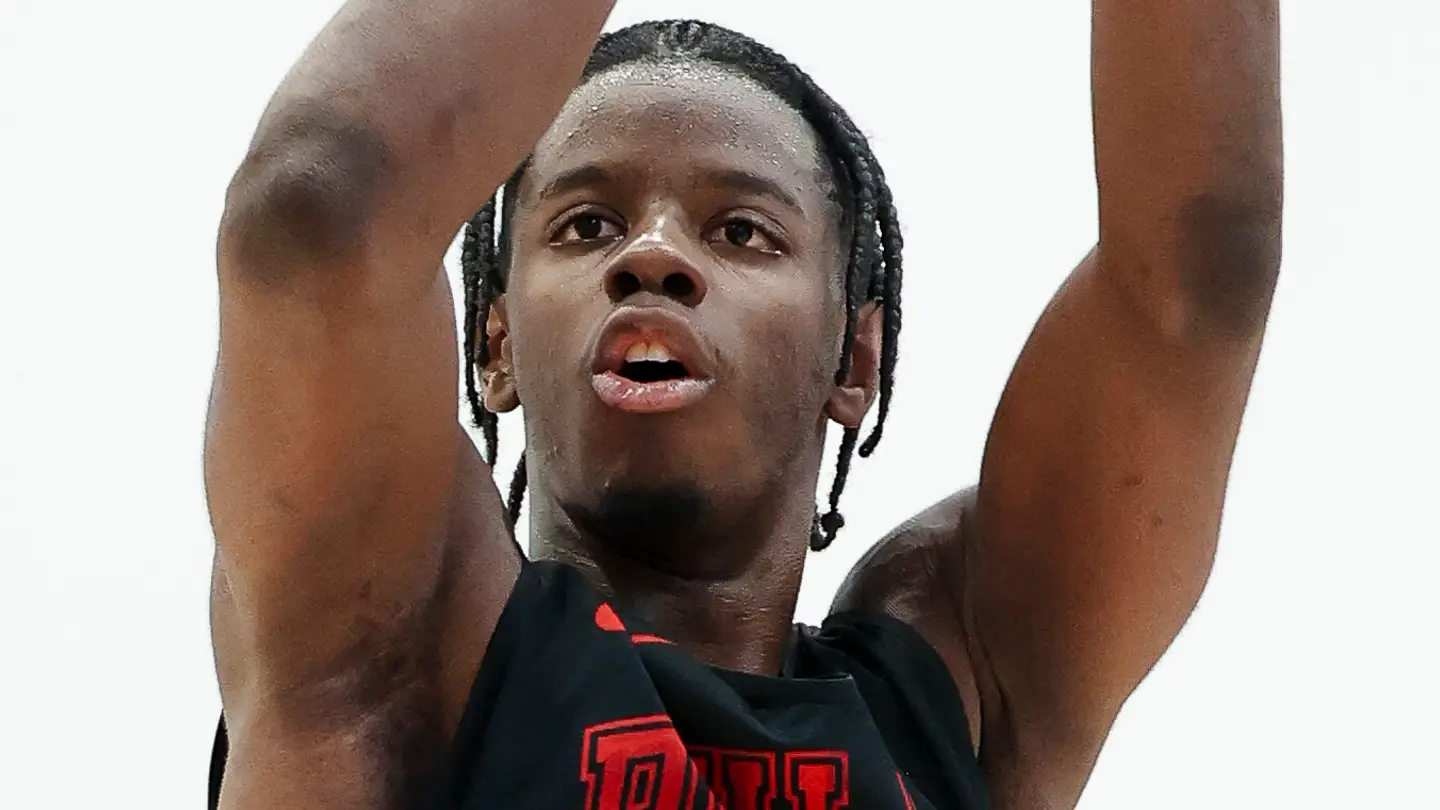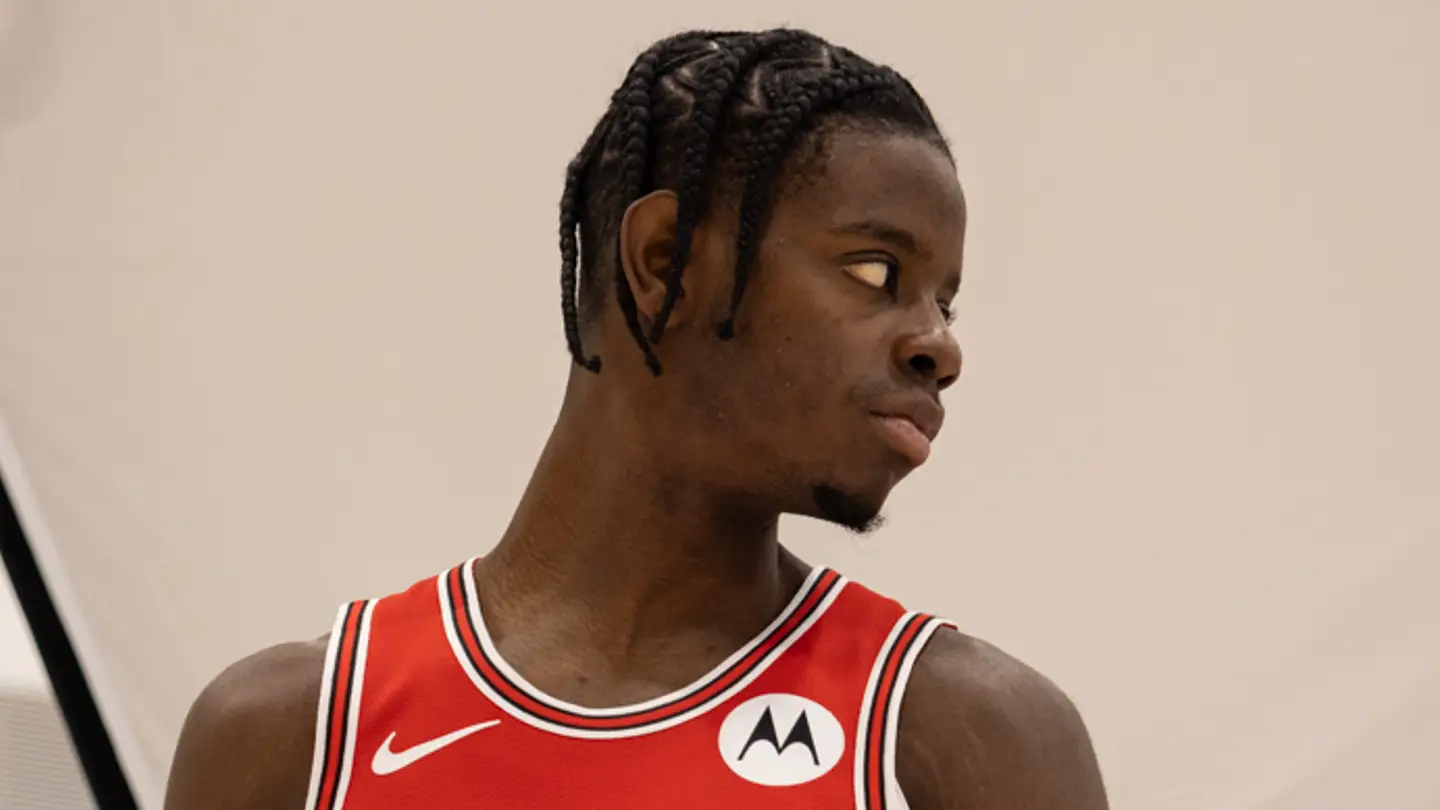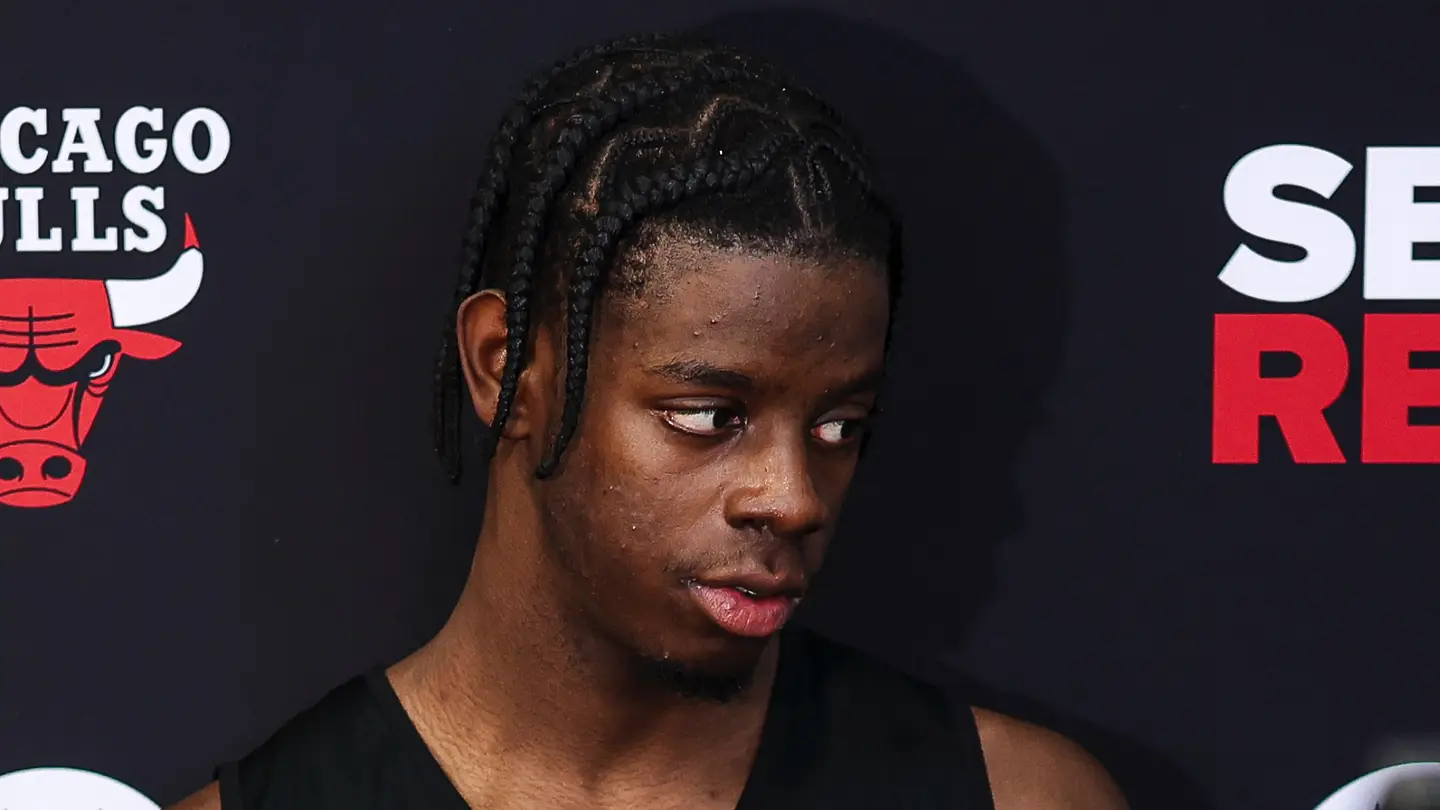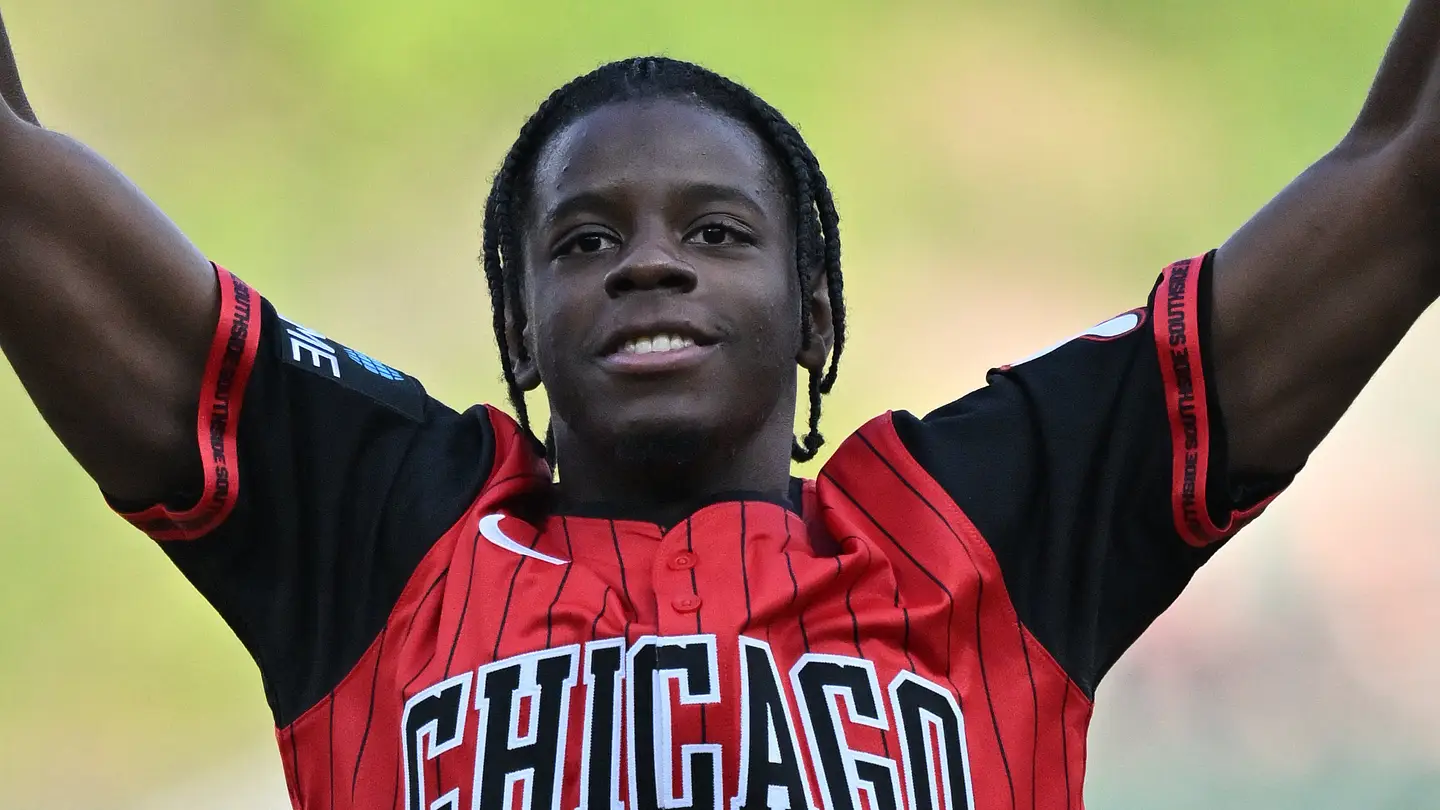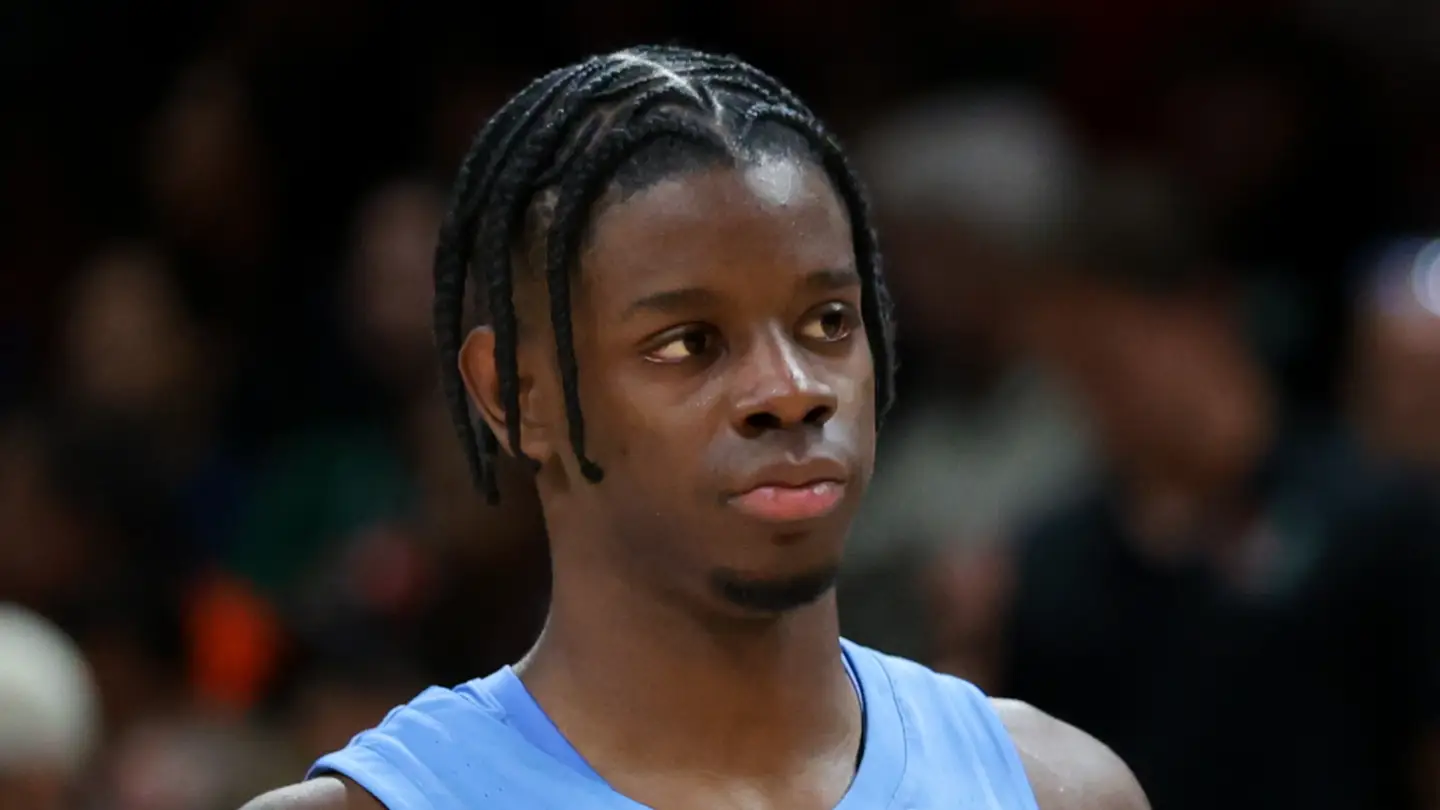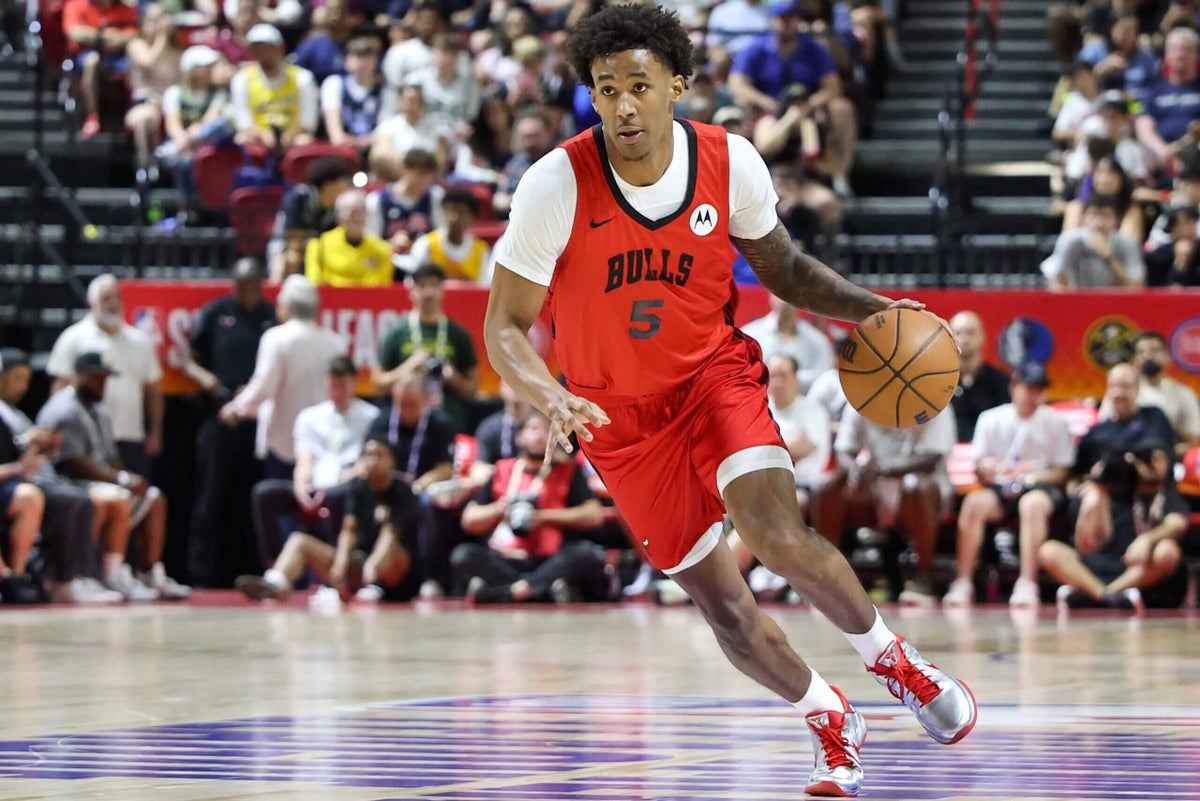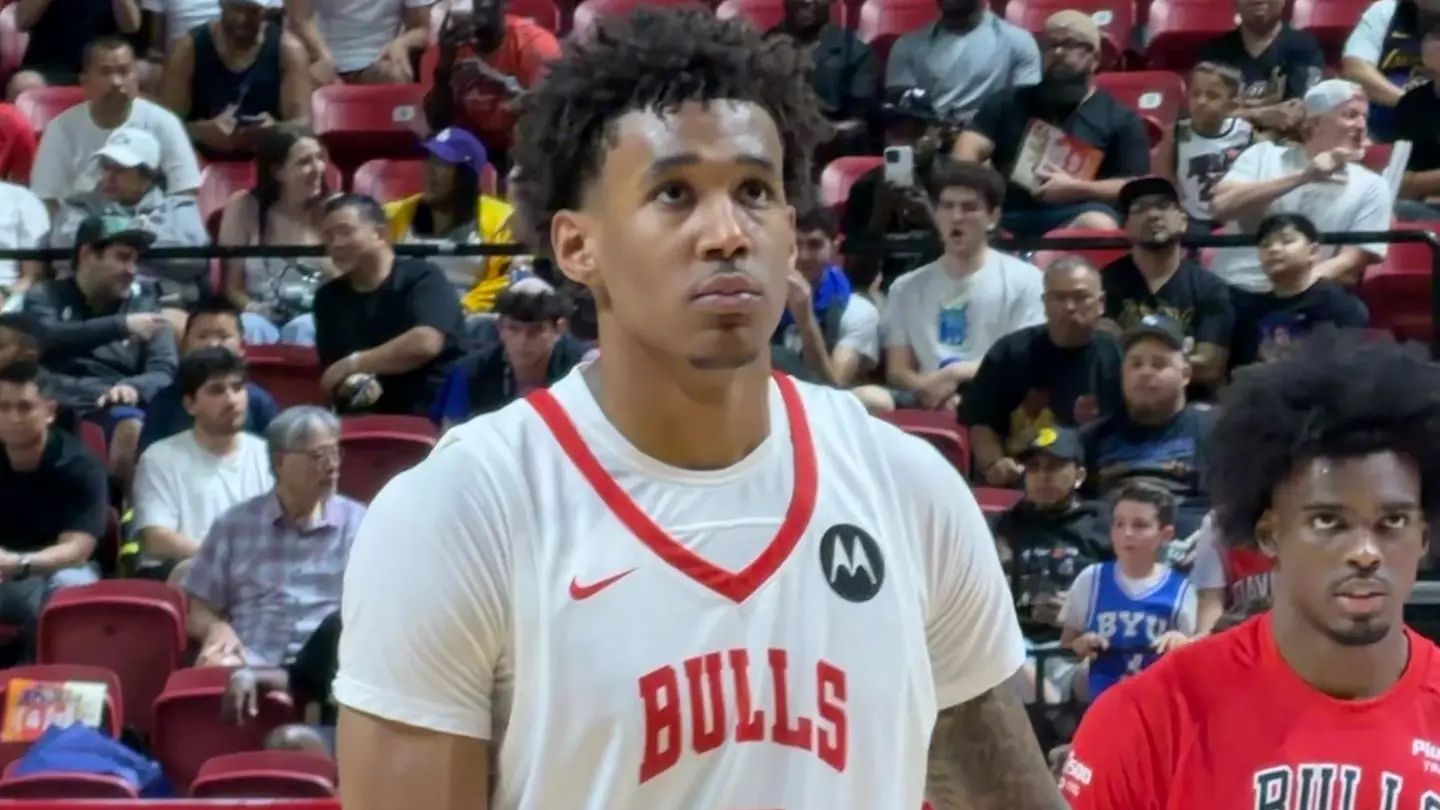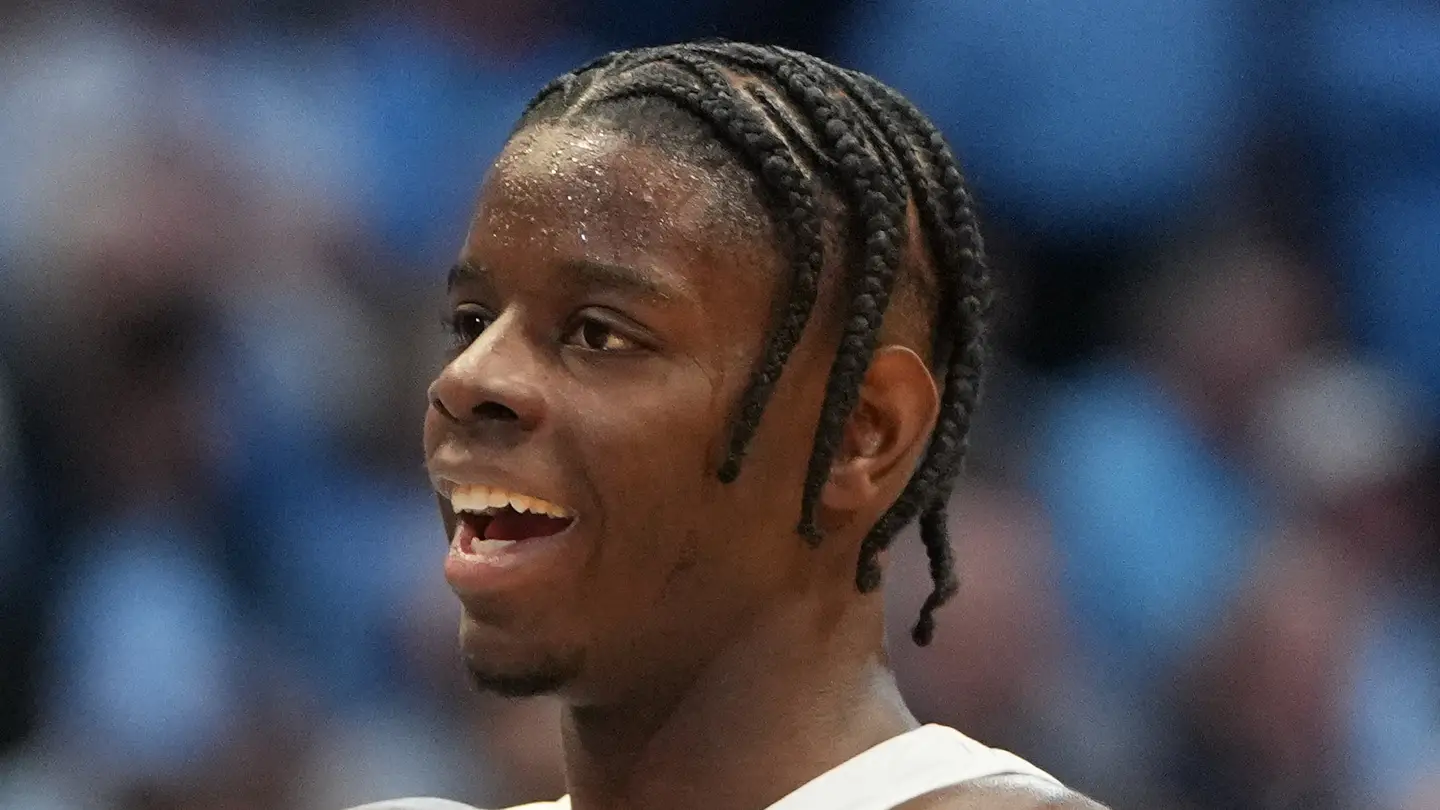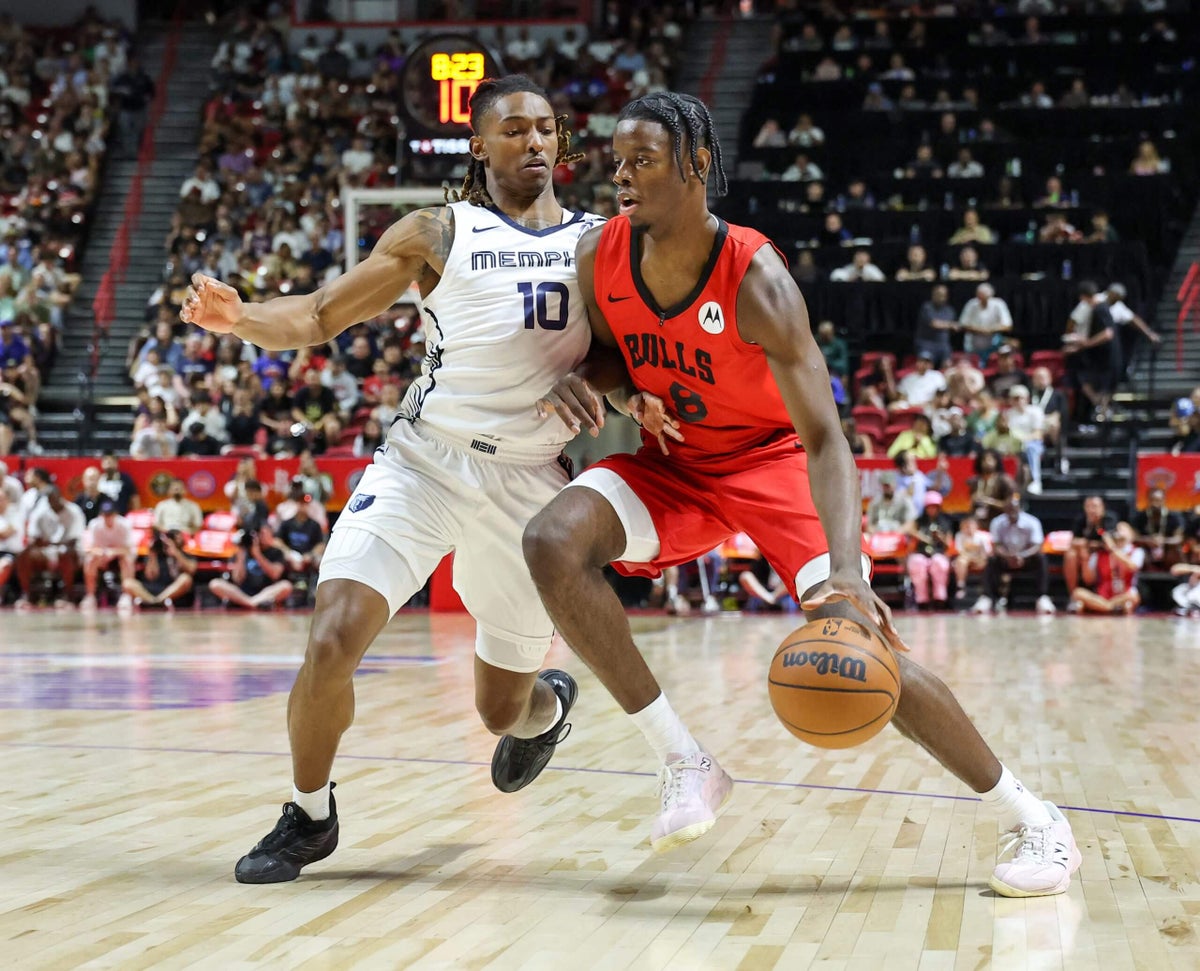
Those 11 days when the NBA lives in Las Vegas come with a warning: Don’t overreact to what you see in Summer League.There’s a fine line between level and ludicrous inside the Thomas & Mack Center, and yet Chicago Bulls rookie Caleb Wilson’s performance seemed to make so many in the gym abandon those unbreakable summer-league laws. Qualities and attributes that weren’t on his college tape surfaced. Things that existed on the scouting report were prominent on this stage.Nothing stunned NBA personnel in the building more than Wilson’s willingness to shoot off the dribble, particularly from 3. It’s fair to assume that Wilson, who made just seven of his 27 3-point attempts at North Carolina last season, produced an aberration in his Vegas debut, making seven of 11 from 3 with several stepbacks. But his trigger carried over into the remaining slate.The confidence was palpable, through heat checks and dry spells. For a franchise yearning for a true superstar, many whispered of Wilson’s potential. It affirmed those who believed in him and encouraged those who were rigid in declaring him the fourth-best prospect in the draft to reconsider.Watch This: Caleb Wilson shows off the athleticism on both ends Wilson averaged 23.5 points, 7.3 rebounds and 2.5 blocks while shooting 50 percent from the field and 42 percent from deep. He was named to the All Summer-League First Team on Tuesday.His four games weren’t perfect. His dynamism didn’t propel the Bulls to a winning record, while his readiness to shoot pull-up 3s grew into a thirst that often became his preferred method of bailing Chicago out of unbearable stretches of offense. His standstill shot might be an immediate issue, and at 6-foot-10, his handle is loose for the creator he aspires to be. On the defensive end, he sometimes lost sight of assignments. And his touch from the free-throw line, compared to his other shots, felt outright confusing.But there was much more to salivate over.Wilson’s Bulls didn’t win much, but it felt like he squeezed what juice he could, conjuring three-level buckets inside a grotesque half-court offense without any remarkable playmaking. He got greedy with pull-up jumpers, but he’s a self-proclaimed rhythm shooter. And he’ll need to improve his ballhandling if he wants to create above the arc and operate in the pick-and-roll. But he still got to so many of his spots, and anything inside 10 feet is grounds for him to reach the rim like an Olympic vaulter.Of course he loses track of defensive assignments at 20. Not many chase and erase shots like he did after being plucked.The free throws? A work in progress, which is tolerable given the obscure, experimental rule used in Vegas by the league that awarded a single free-throw regardless of a shot attempt. Wilson is not lacking self-awareness, and he claimed he’s shot somewhere between 2,000 and 2,500 jumpers daily since the predraft process.The buzz around Wilson didn’t just come from games, either. Players expressing their competitive nature can feel trite but Wilson speaks of basketball like an obsession, like other NBA players do this as a side hustle. He cried before his debut, having been deprived of action for five months. While other high draftees shut down in Vegas after two or three games, Wilson texted lead Bulls decision maker Bryson Graham requesting permission to play in Game 3, the second night of a back-to-back.“I feel like I’m different than all of them,” Wilson said, asked why he wanted to play so badly. “Not to say they don’t, but I enjoy basketball. I love this s—.”By the end of it, there was widespread speculation about whether Wilson could be the one to help fish the Bulls out of irrelevance — as close to a consensus as one can reasonably reach in this kind of setting.Essengue still needs timeAs last year’s No. 12 pick told reporters earlier this month, Noa Essengue is regaining his feel for the game after a shoulder procedure that sidelined him for the majority of his rookie season.He’s recalibrating, adjusting to the pace, the physicality and the skill level. Essengue has grown at least an inch since being drafted, though his Vegas stint didn’t demonstrate that he’s settled into his frame.Too often, it felt like he had little control of his body. With the ball in his hands in the open floor, he could be clumsy and awkward. Without it, banging underneath the rim, Essengue was pulled and thrust almost anywhere his defenders wanted.By Game 2, Essengue was benched to begin the second half because coach Tiago Splitter “wanted more from him.” He didn’t start Games 3 or 4 and was in major foul troubleThe defensive flashes remained. There were times he surprisingly did a nosedive into plays or near the glass, a trait that earns him at least a couple deflections a game. But this Bulls frontcourt is congested with players who are almost all further along.Despite Splitter’s Vegas decisions, it feels like there’s a runway for Essengue to play this season if he can earn it. Between Essengue, Leonard Miller and Patrick Williams, the backup minutes among the forwards feel up for grabs — even if Miller showed promising flashes late season, and the Williams Project has endured longer than Chicago construction. Essengue, though, will undoubtedly spend time in the G League again this season.Swain’s forgettable four gamesWilson, at No. 4, felt obvious. Dailyn Swain, at No. 15, was a dart thrown in hopes of hitting a specific archetype: A multi-positional defender who can handle marvelously for his size, create advantages off the dribble and perhaps eventually serve as some level of playmaker, and an additive, connective player for a playoff team.Luckily for Swain and Chicago, there is time before the Bulls return to that level. It’s well documented that Swain’s summer league was forgettable; he shot just 4 for 31 in four games and did a lot of overthinking along the way. The summer-league roster construction, bereft of adequate playmaking, was hardly helpful to his case. Splitter turned up the heat on the vision of Swain being on the ball as soon as Game 1.Swain struggled, but he and the Bulls both learned about each other.The discovered how he can best create his advantages, and the possible distance between him and the dream of him as primary ballhandler. Swain learned that Splitter was willing to throw him in the fire and keep him there. He also was reassured about what the organization thinks his ceiling can be.Swain should be expected to spend some time with the Windy City Bulls, but not because of how underwhelming he looked in July. If he’s there, it will be for the same reasons the Bulls started him in the backcourt in Vegas: to help him improve as a decision-maker and get him reps as a primary ballhandler.His processing speed wasn’t ideal in summer league. But this regime certainly isn’t going to strip him of the opportunities to improve his reads because of a few games in July.
Bulls summer-league review: Caleb Wilson shines, while Dailyn Swain needs work
In addition to Wilson and Swain, second-year forward Noa Essengue didn't show much in Vegas while coming back from a shoulder injury.
1,167 words~5 min read