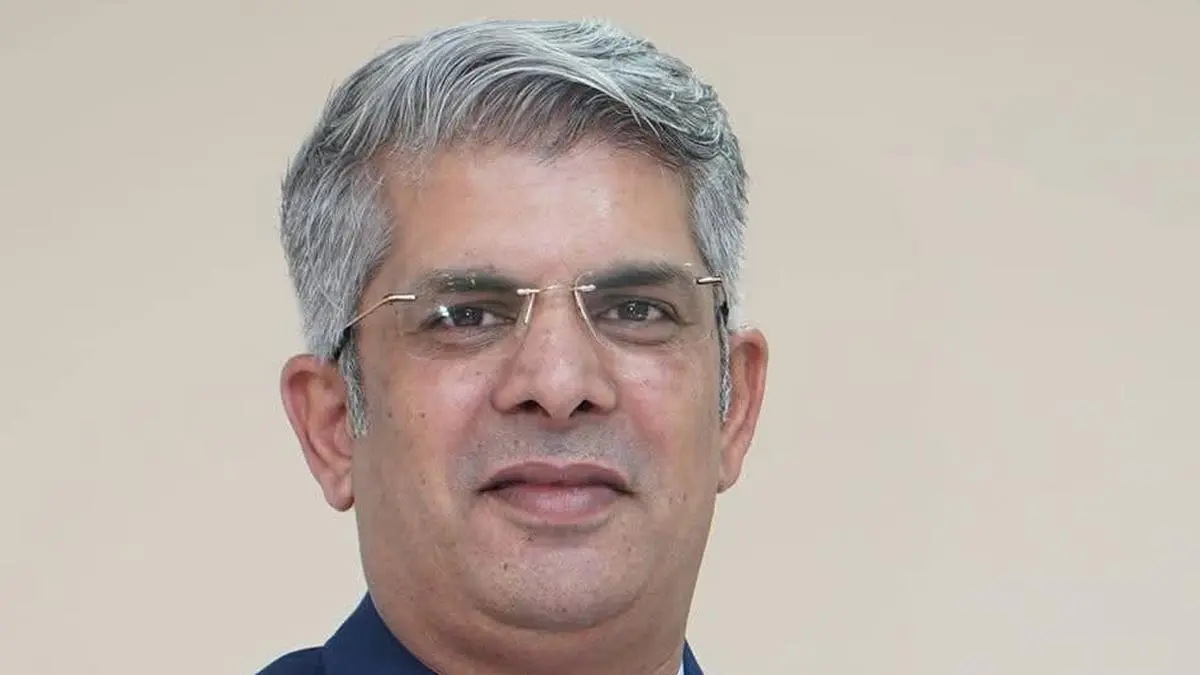
Narendra Kumar Bharindwal., President, Insurance Brokers Association of India (IBAI)
India’s insurance broking industry has grown from virtually zero at the turn of the century to more than 840 brokers, accounting for a 42 per cent share of general insurance gross written premium and a distribution network extending deep into smaller cities. As the Insurance Brokers Association of India (IBAI) marks its 25th anniversary, businessline spoke to its president, Narendra Kumar Bharindwal. He says proposed distribution reforms must preserve the commercial viability of intermediaries if India is to improve insurance penetration and protect policyholder returns. Any reform that makes distribution unsustainable will directly impact insurance penetration. Excerpts:How has insurance broking evolved over the past 25 years?It has been a remarkable journey. The industry has grown to more than 840 brokers, directly employs nearly 50,000 professionals and supports over 15.5 lakh point-of-sale persons. Brokers now account for about 42 per cent of general insurance gross written premium and are also the fastest-growing distribution channel in life insurance. The grant of perpetual licences is a significant ease-of-doing-business reform, though we await the regulator's final data framework.As head of an apex body of brokers, how do you assess the insurance industry’s growth since liberalisation?It had witnessed significant transformation. General insurance premiums have risen from about ₹10,000 crore in 2001 to ₹3.36 lakh crore in 2025-26. The market has expanded from four public-sector general insurers to around 64-65 life and non-life players. Products have also become more sophisticated. Motor policies now offer covers such as return-to-invoice, while health policies increasingly cover advanced procedures, including robotic treatment and CyberKnife therapy.Of late, there has been a greater concern and scrutiny of commissions. Is that justified?Singling out commissions does a disservice to the wider distribution fraternity. The regulatory architecture has shifted from commission caps to an overall expenses-of-management framework, giving insurers greater flexibility in designing distribution strategies. The debate should therefore examine total expenses, not isolate one component. Distribution requires capital, technology, training and last-mile capacity; making it unviable will directly hurt insurance penetration.