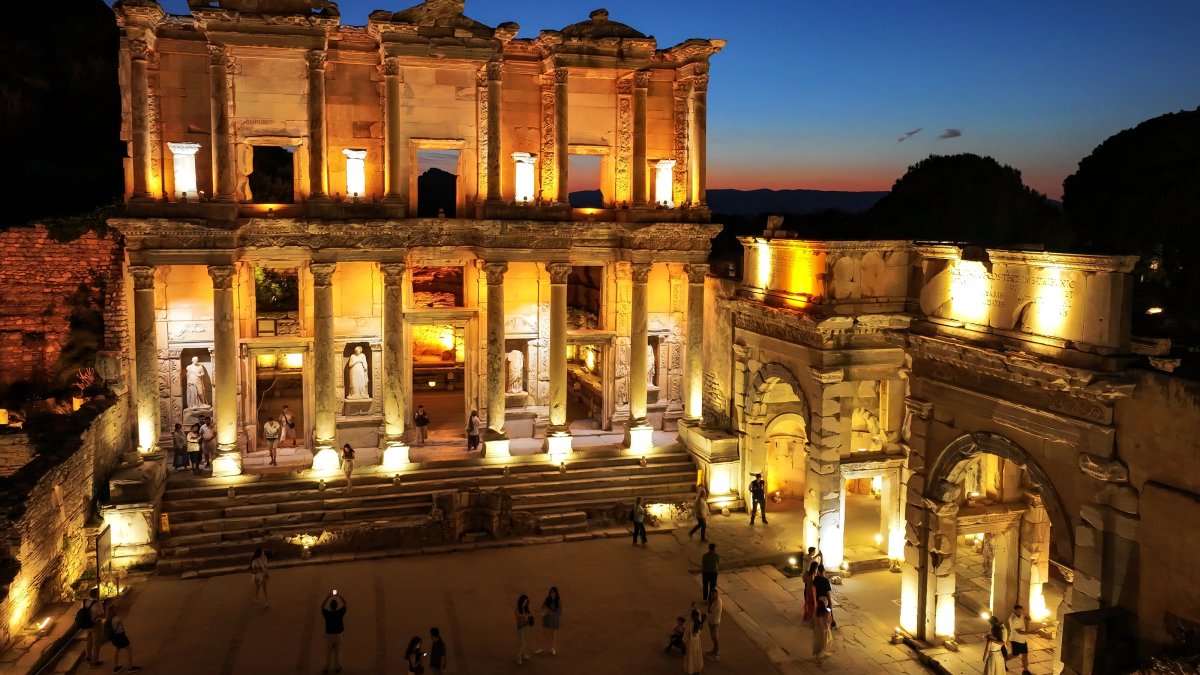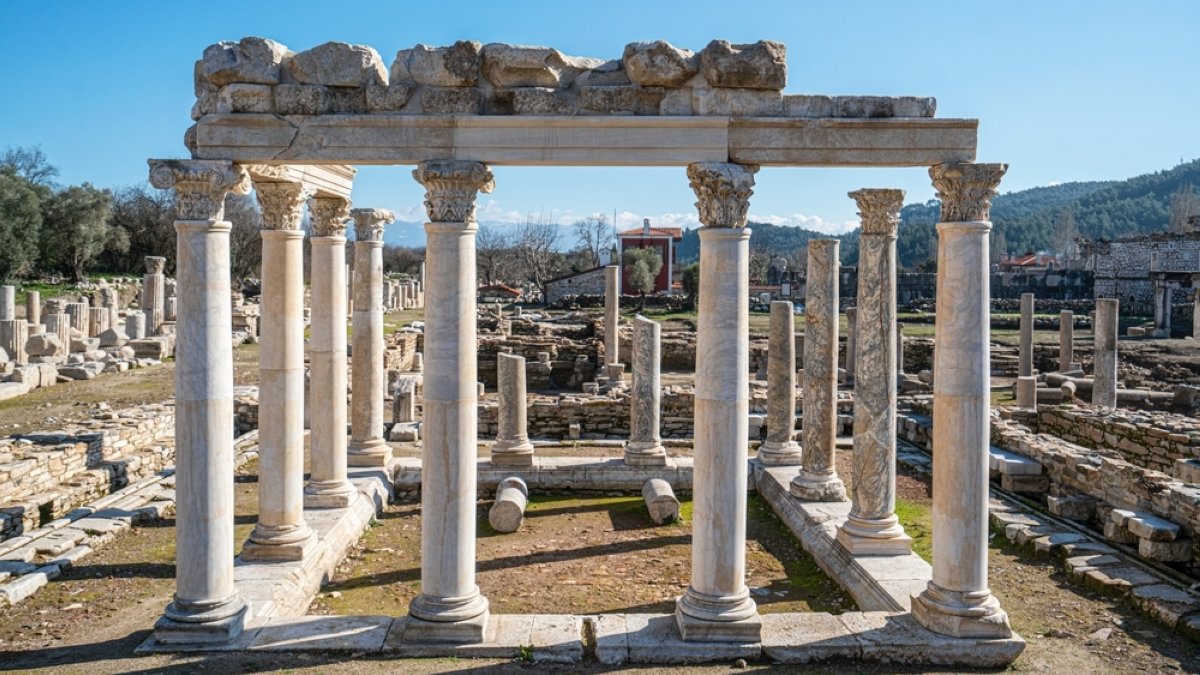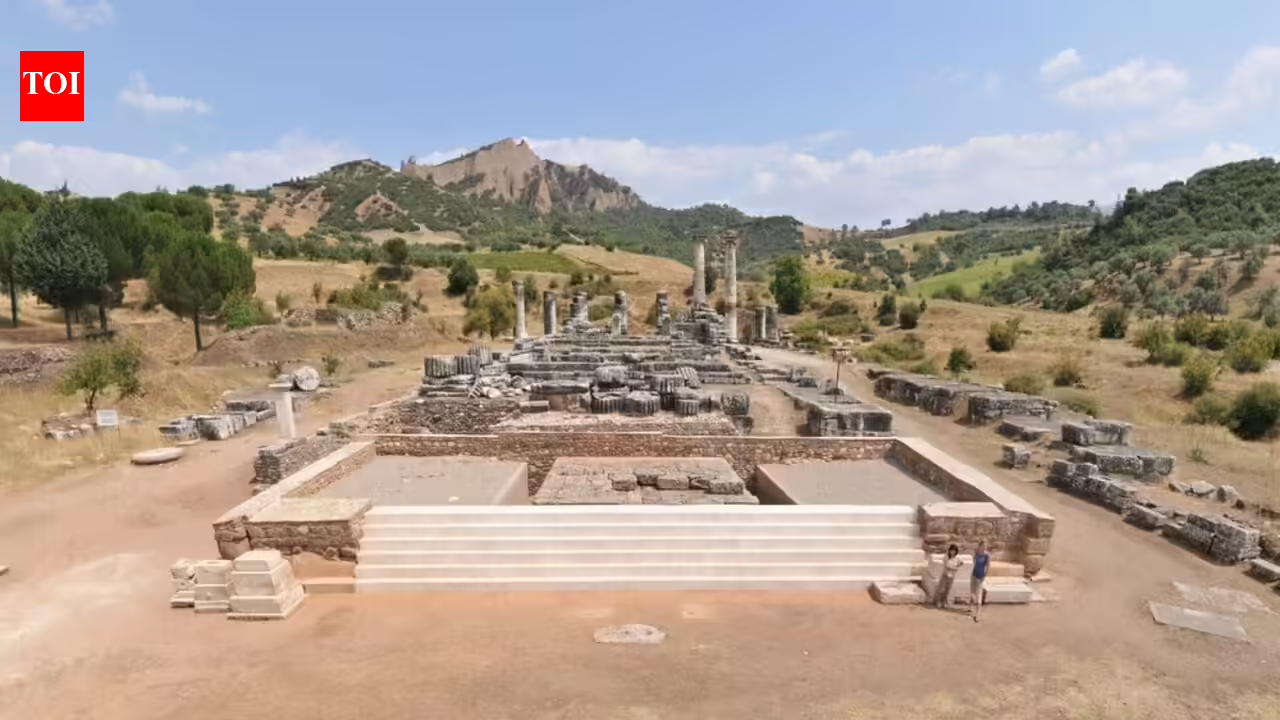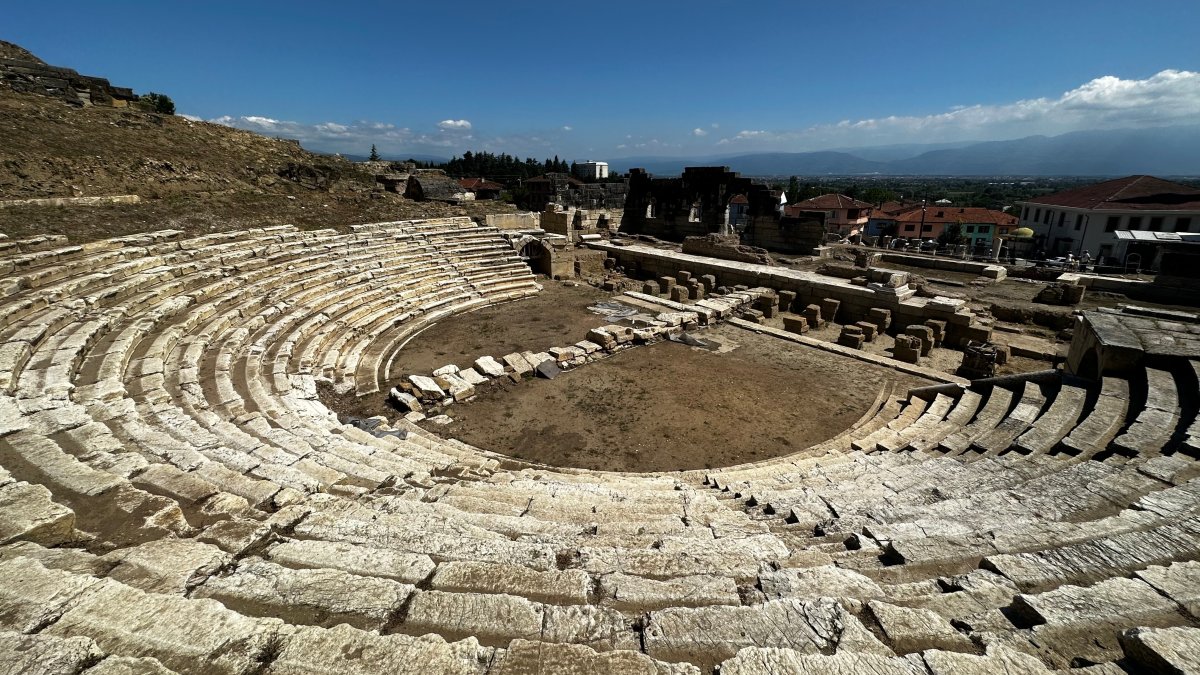
Excavations at the ancient city of Prusias ad Hypium in Türkiye's northwestern Düzce province, also known as the "Ephesus of the Western Black Sea," are expanding as restoration work planned to begin later this year aims to reveal more of the site's original appearance and boost cultural tourism.
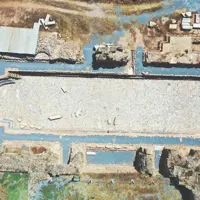
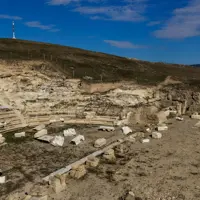
Archaeological work has been carried out for about seven years under the direction of the Konuralp Museum, with permission from the General Directorate of Cultural Heritage and Museums and support from Düzce Municipality. This year, the excavation area has been expanded from about 4,000 square meters (43,055 square feet) in 2019 to 6,500 square meters.
The site contains remains from the Roman, Byzantine and Ottoman periods. Significant discoveries include a marble head of Medusa, a head of Alexander the Great, a statue of Apollo, a lion mosaic, a Byzantine water reservoir and an Ottoman bathhouse, all of which have been added to Türkiye's cultural heritage inventory.
A mosaic found in the ancient city of Prusias ad Hypium, Düzce, Türkiye. April 7, 2024. (Shutterstock Photo)
In addition to excavations, lifting and conservation work will continue this year. Restoration, scheduled to begin by the end of the year, is expected to help present the ancient city in a form closer to its original state and contribute to the development of history and cultural tourism in the region.