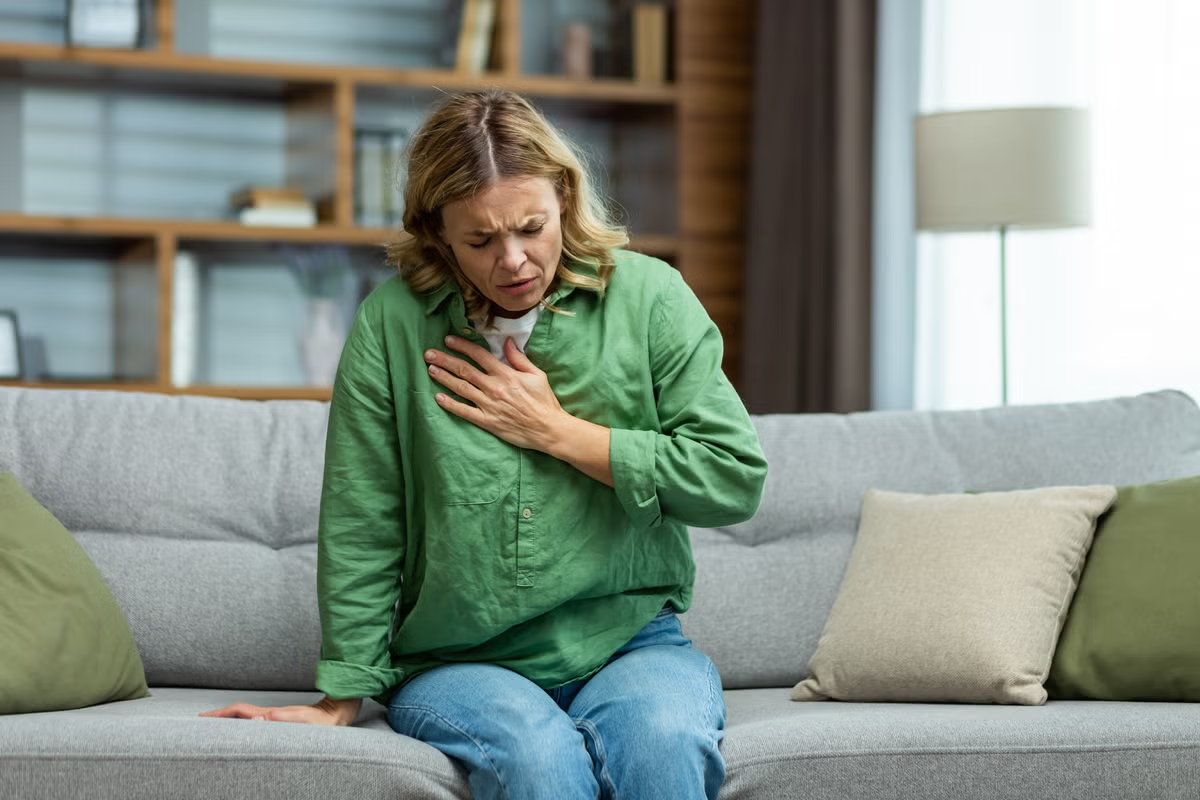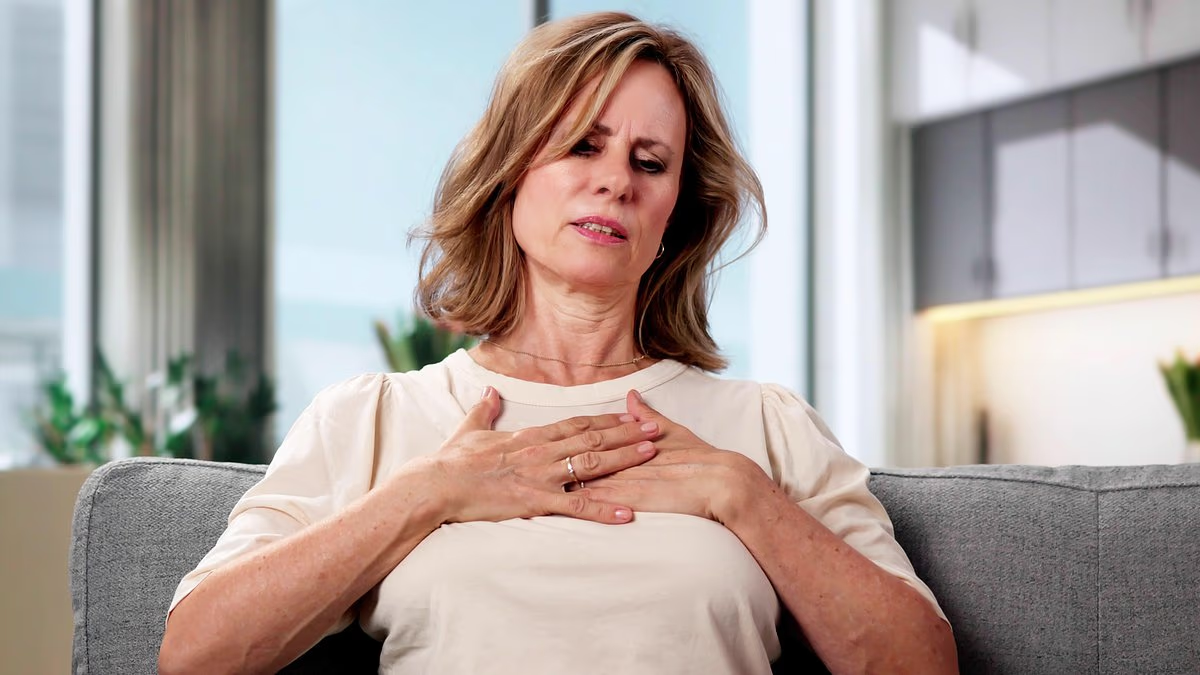
Experts have warned that symptoms of menopause may be masking the signs of deadly 'broken heart syndrome' – a little-known condition that can trigger stroke.While the feeling of a racing heart is associated with the hormonal change, it is also a red flag for the life-threatening disease that damages the organ's muscle, and doctors say is underdiagnosed. Scientists warn that the symptoms of 'broken heart syndrome' – officially known as Takotsubo syndrome – can also mimic a heart attack, leading to further confusion among medics. In a fresh warning, Dr Benedicta Quaye, anatomy lecturer at Lancaster University, warned that heart palpitations 'should not automatically be attributed to hormonal changes'. 'New, persistent or worsening palpitations should be assessed by a healthcare professional,' she wrote in The Conversation.'Palpitations that do not go away or occur with chest pain, shortness of breath, feeling faint or fainting require urgent medical help.' She added that, because Takotsubo and a heart attack can look 'almost identical' at first, patients are often given the wrong treatment.'The acute episode can cause heart failure, blood clots, stroke, shock or cardiac arrest,' she said. Broken heart syndrome is a real, little–known condition that can be life–threatening – and older women are most at riskThe condition causes a sudden, usually temporary, change in the way part of the heart muscle contracts limiting the organ's ability to pump oxygen around the body.In many cases this does not lead to permanent damage. But in some, it can cause severe muscle weakness leading to a host of complications including stroke, heart failure, irregular heartbeats and even deadly cardiac arrest – when the heart suddenly stops beating.The syndrome can be triggered by intense emotional stress such as financial worries or the loss of a loved one.In one previous case, researchers found that a mother developed the condition after an emotional argument with her daughter.However, it can also be brought on by physical injuries, surgery or serious illness. Experts have said the condition has shown the 'strongest interaction' between mental and physical health that they have ever seen.But many women may be living with broken heart syndrome without even realising it.The condition is rare – affecting around 5,000 people in the UK, and Dr Quaye suggests the majority of patients are women aged between 67 and 70. This means most diagnoses are made in postmenopausal women, although experts say it can also occur before menopause.According to the British Heart Foundation (BHF), only recently was broken heart syndrome distinguished as a separate problem to a heart attack.A heart attack, which strikes someone in Britain every five minutes, occurs when the heart muscle cannot receive oxygen because blood flow is blocked by a narrowed or clogged coronary artery.The most common cause of this is coronary artery disease, when cholesterol and fatty substances build up in the arteries, restricting blood flow to the heart. Heart attacks have been associated with perimenopause because hormonal changes can contribute to rising cholesterol levels. Menopause also causes levels of oestrogen – one of the body's main female sex hormones – to fall.
Warning over 'broken heart syndrome' that haunts menopausal women
Anatomy expert Dr Benedicta Quaye has said that having heart palpitations may actually be a sign of the little-known, life-threatening condition.
839 words~4 min read