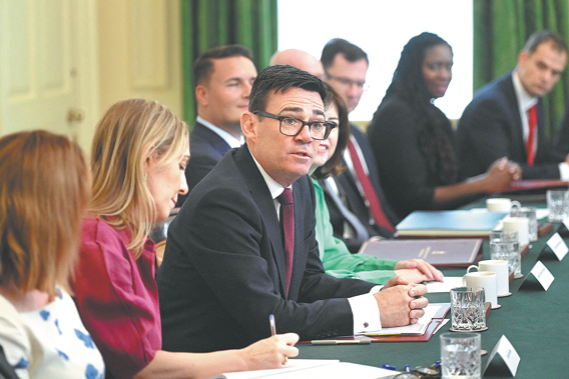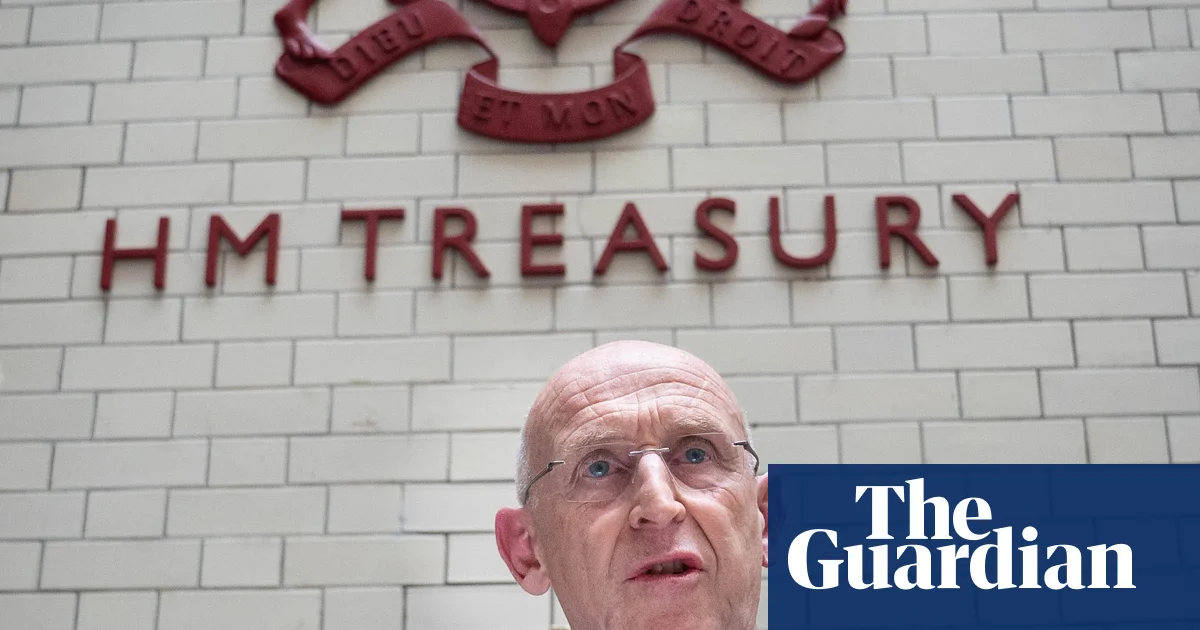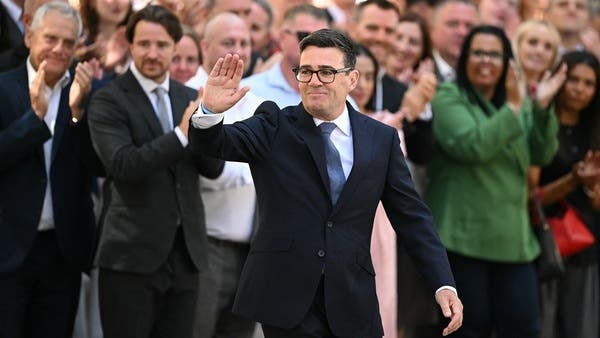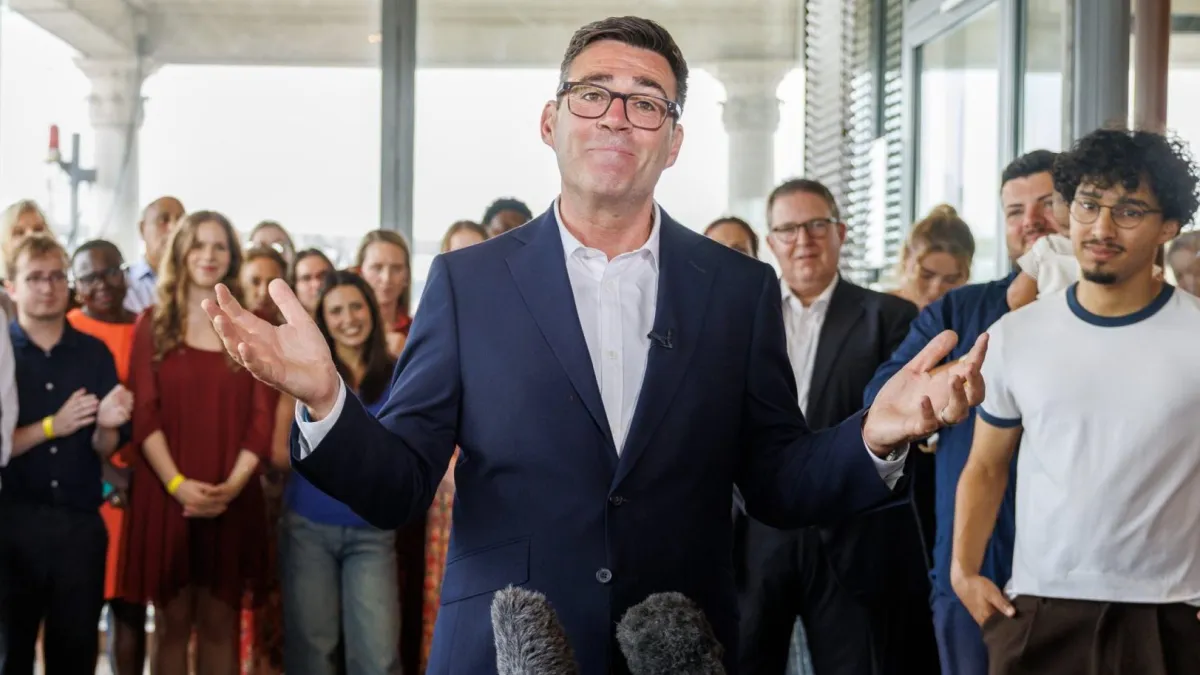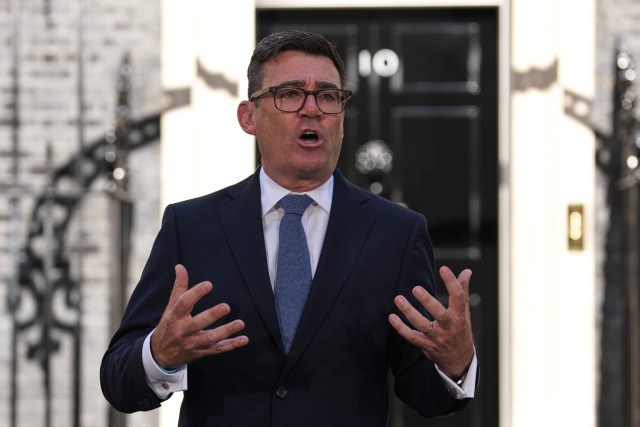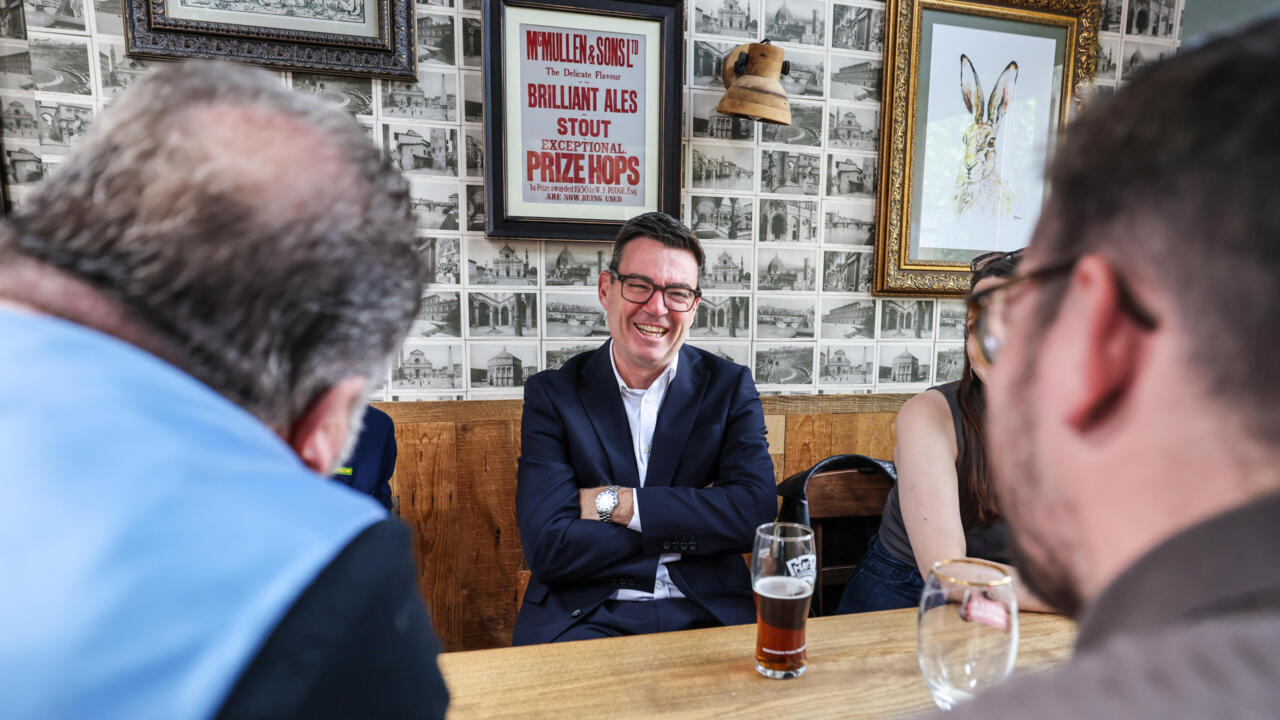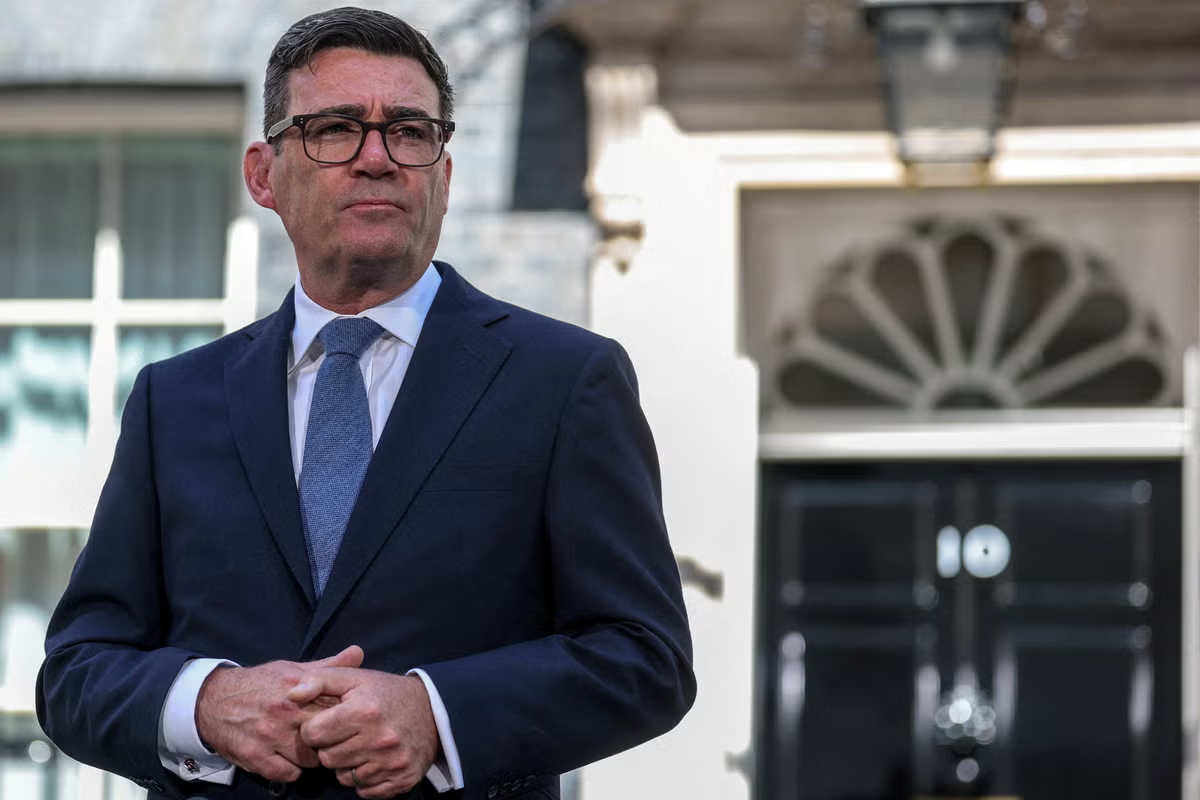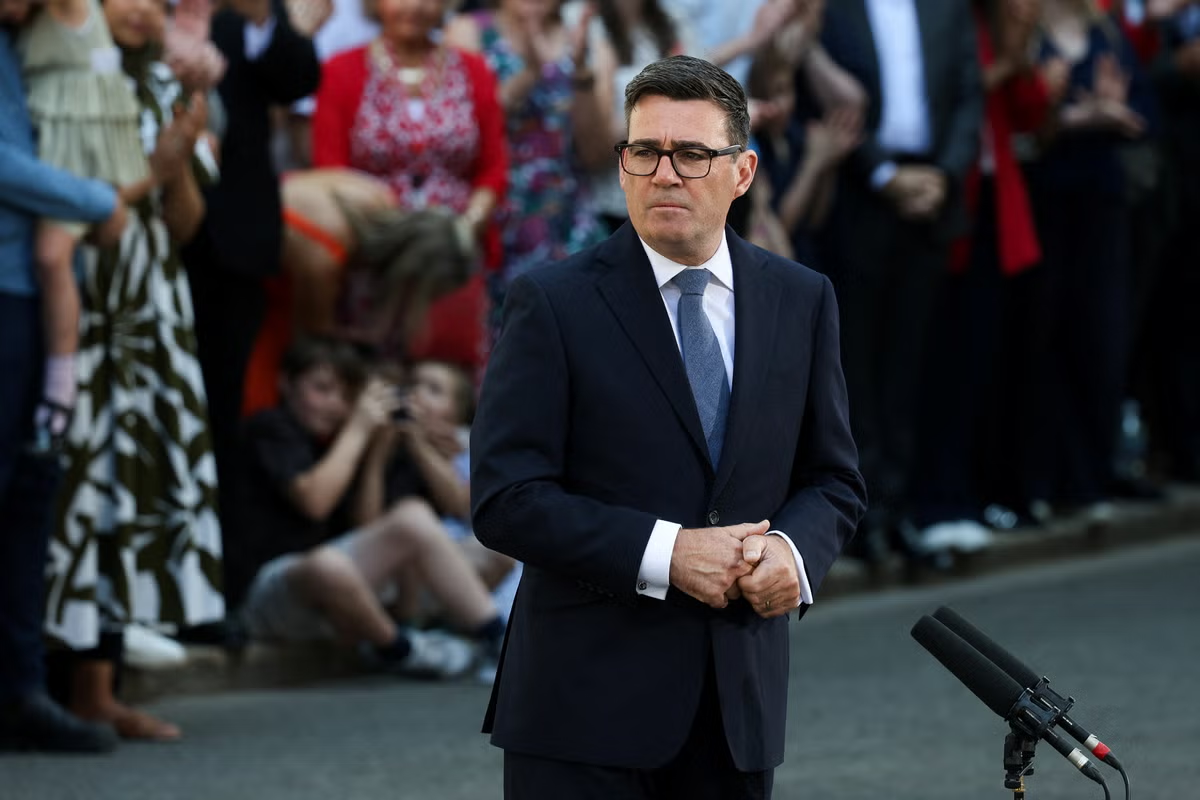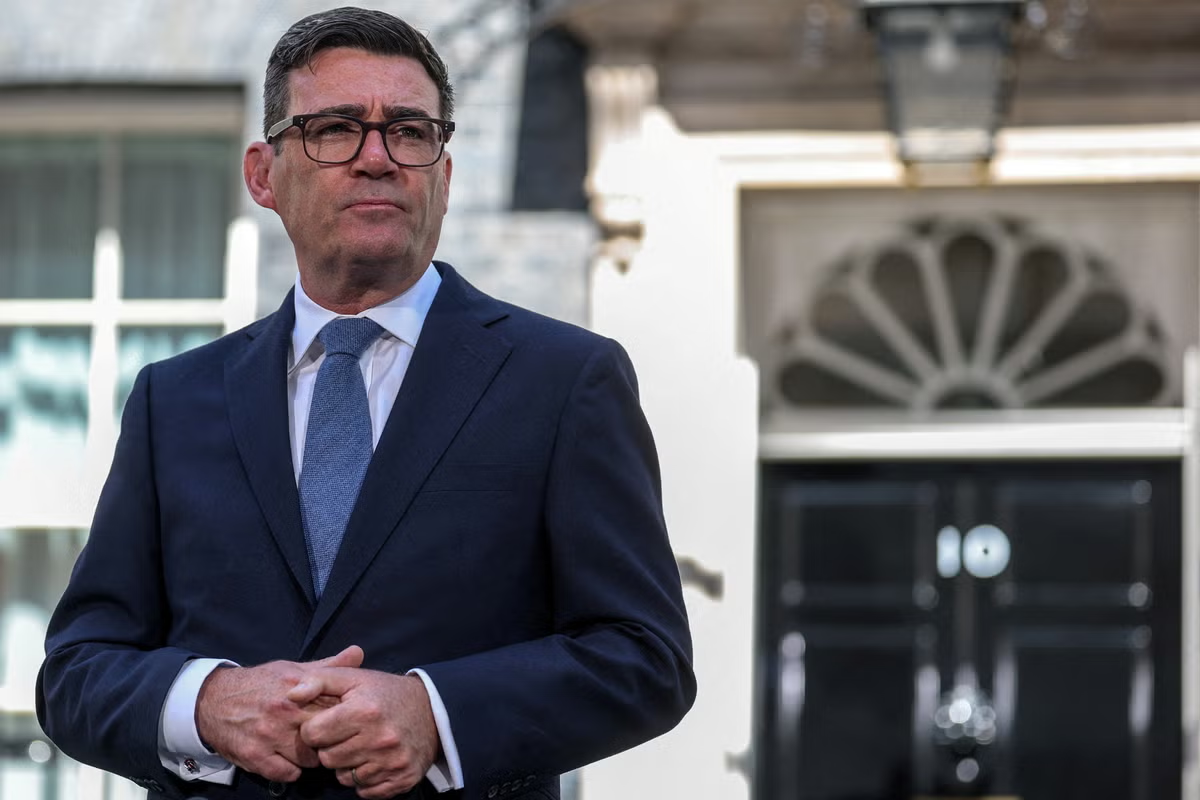
Andy Burnham has begun his first week as Britain’s new prime minister with a flurry of policy pledges, predominantly aimed at lowering everyday living costs for households.Speaking to his newly assembled cabinet for the first time on Tuesday, he told them this will be a “cost of living government”, which was followed by several announcements aimed at easing the financial burden on people across the country.In his inaugural speech after becoming prime minister on Monday, Mr Burnham laid out a bold vision to undo economic policies brought in by the Thatcher administration in the 1980s and bring forward “the biggest changes in the last 40 years”.Speaking to his newly-assembled cabinet for the first time on Tuesday, Mr Burnham told them they his will be a “cost of living government” (PA Wire)But his first policy pledges in government has focused firmly on the short-term, with cost of living measures that are set to take effect by the start of next year.It remains to be seen exactly which of the sweeping policy pledges Mr Burnham made on the campaign trail will form his early priorities, with experts warning that costing pressures may make some difficult to fulfil in the short-term.Here are the policies that have been confirmed or suggested by the Burnham government so far:ConfirmedEnergy bill VAT cutOne of Mr Burnham’s first moves was to scrap VAT on household electricity bills from October, expected to cut £45 from the average household’s energy bills.The Treasury said the VAT cut would cost around £850m this financial year and would be funded by cancelling the government’s planned Digital ID programme.However, the Office for Budget Responsibility (OBR) highlighted in November that the cost of the Digital ID scheme was “unfunded”, as it was based on savings from departmental budgets not yet identified.Bus fares cappedThe £2 bus fare cap has been reinstated, Mr Burnham announced on the third day of his premiership, reversing the decision to increase it by his predecessor Sir Keir Starmer.The £2 bus fare cap has been reinstated, Mr Burnham announced on the third day of his premiership (PA Wire)Reinstating this maximum fare will partly be funded by switching grants for international climate projects to repayable loans instead.Mr Burnham said: “Good, affordable transport links are an essential. No-one should be priced out of those and left behind.”A plan to end rough sleepingMr Burnham used his inaugural speech on Monday to say that his “first instruction” will be to “end rough sleeping in our country.”In further details set out by Number 10, £340 million funding was announced to go towards acquiring suitable homes, identifying those most in need and starting to provide housing and support “without delay”.The funding will provide 1,200 homes and intensive support for at least 3,000 long-term rough sleepers over a five-year period, the government said.Number 10 NorthOne of Mr Burnham’s flagship proposals was the creation of an outpost of Downing Street based in Manchester, dubbed “No 10 in the North”.The operation is “not a gimmick” he said on Tuesday, adding that staff are already working from the new base.“This includes staff from Manchester and those who have come in from around the country,” he added.The government has not shared where the operation is located yet, but it is widely thought to be Heron House, in the city centre. Mr Burnham’s spokesperson says he intends to work from the location for one day a week.PlannedUnfreezing tax personal allowance – U-turnShortly before becoming prime minister, Mr Burnham indicated he would take action on the income tax personal allowance freeze at £12,570 that has been in effect for five years, and was extended by Rachel Reeves last year.New chancellor John Healey and with new energy secretary Miatta Fahnbulleh Andy Burnham’s first cabinet meeting at 10 Downing Street, 21 July 2026 (AFP/Getty)The issue is “the thing I heard most on the doorsteps” in Makerfield, the former mayor told The Times over the weekend.But Mr Burnham said on Monday that any change to the freeze would be “difficult given the financial circumstances in which we find ourselves”.Devolution and public controlMr Burnham has long been a champion of devolution, having called for it to go further repeatedly during his time as mayor of Greater Manchester.Speaking outside of Number 10 on Monday, he criticised political power in Britain becoming “centralised”, and added that he plans to “take power out of here, and carry it into every postcode in the land”.This will entail putting essentials “under stronger public control”, he said, which he has suggested in the past includes sectors like water, transport and housing.More detail on these plans will likely be revealed in the coming weeks, due to the longer-term nature of the policies. Returning minister Angela Rayner will be central in the delivery of these plans as she is reappointed housing secretary.Business rates rebalancedBefore becoming prime minister, Mr Burnham has pledged to cut business rates for pubs by 20 per cent, and lift the threshold at which other small businesses pay rates.He said: “Our high streets matter to me because they matter to the people who live here. I want to make sure that these family-owned businesses, as the heart and soul of this country, are protected and given the chance to thrive.”The former mayor has signalled that he may look at hiking business rates on the large warehouses – like the ones operated by retail giants such as Amazon – to pay for the changes.
All the policy pledges Andy Burnham has made since becoming prime minister
The new prime minister has promised sweeping changes
899 words~4 min read