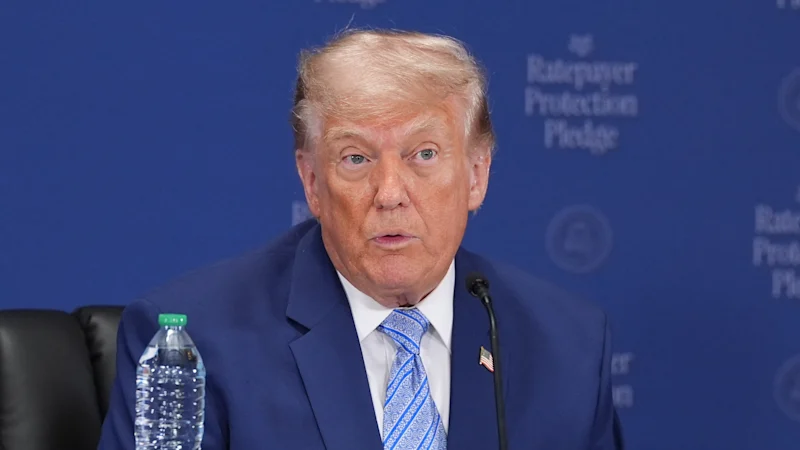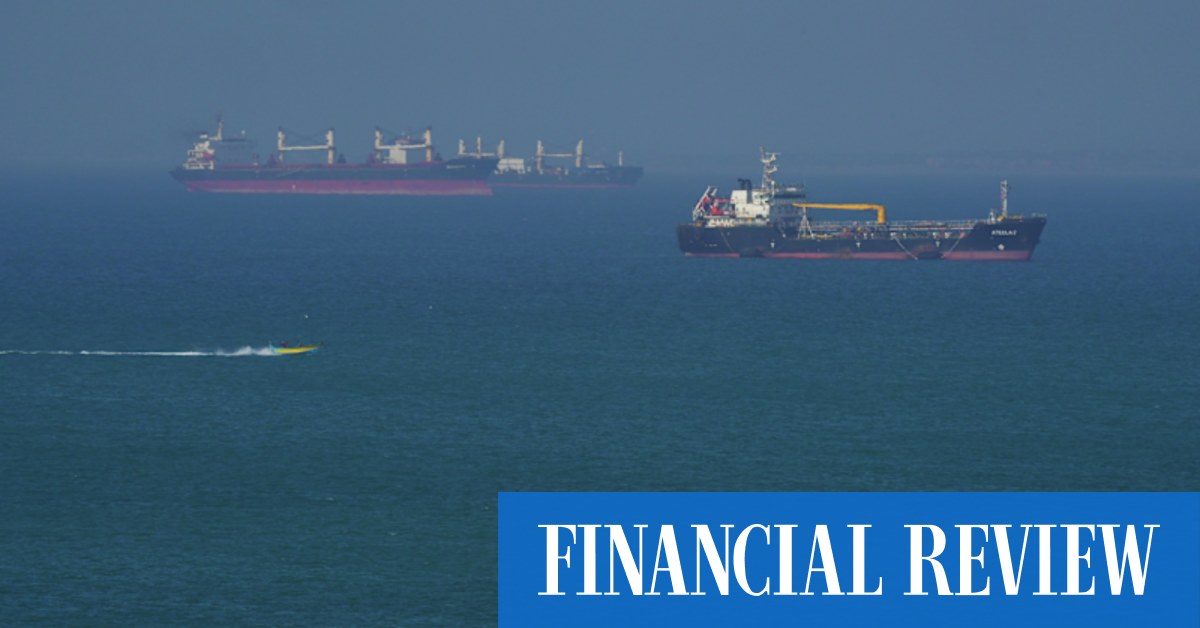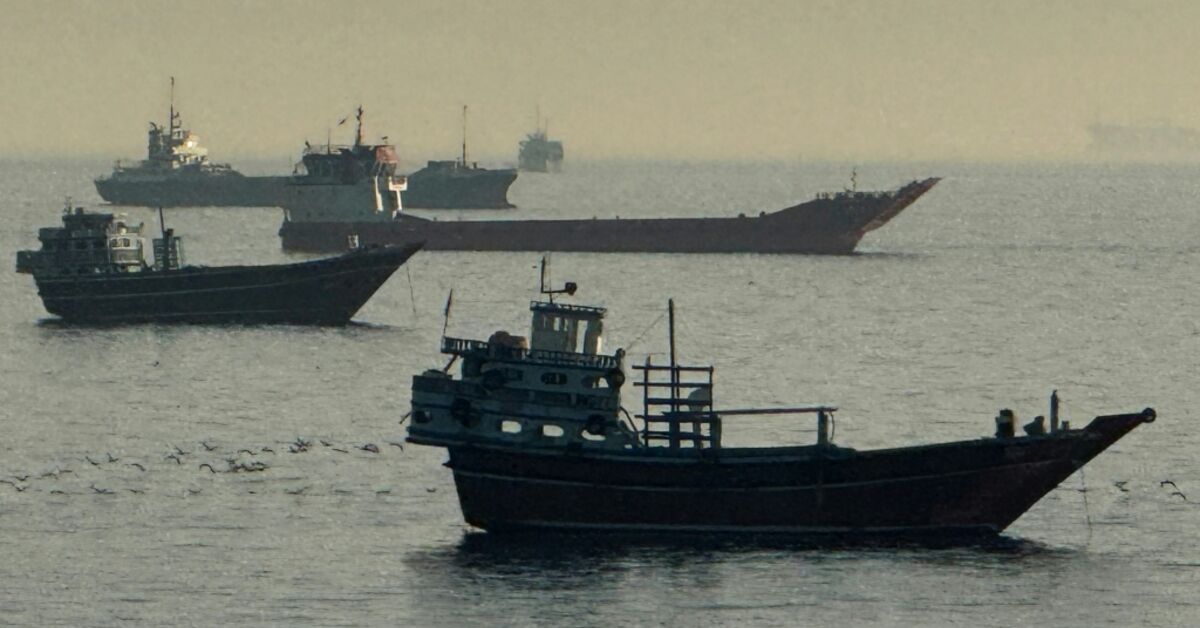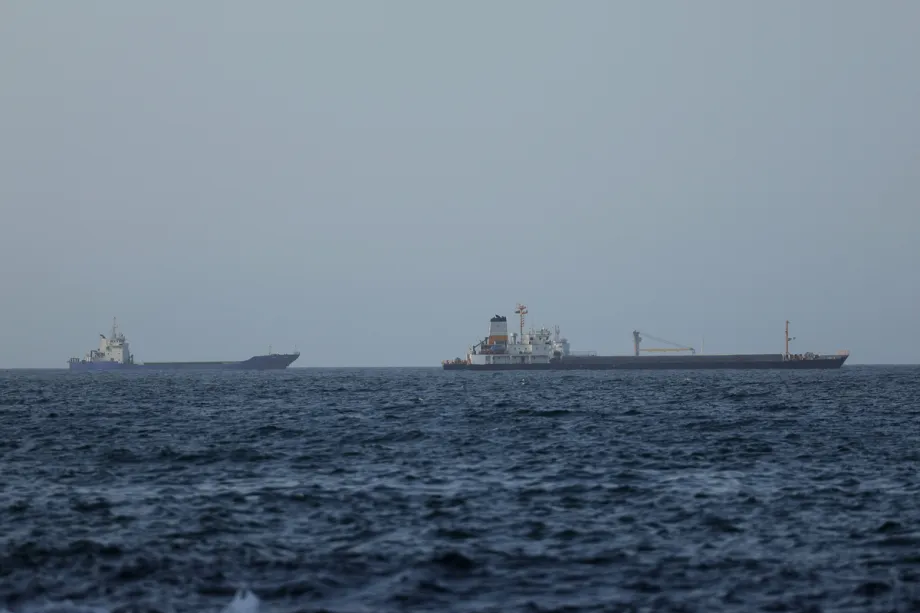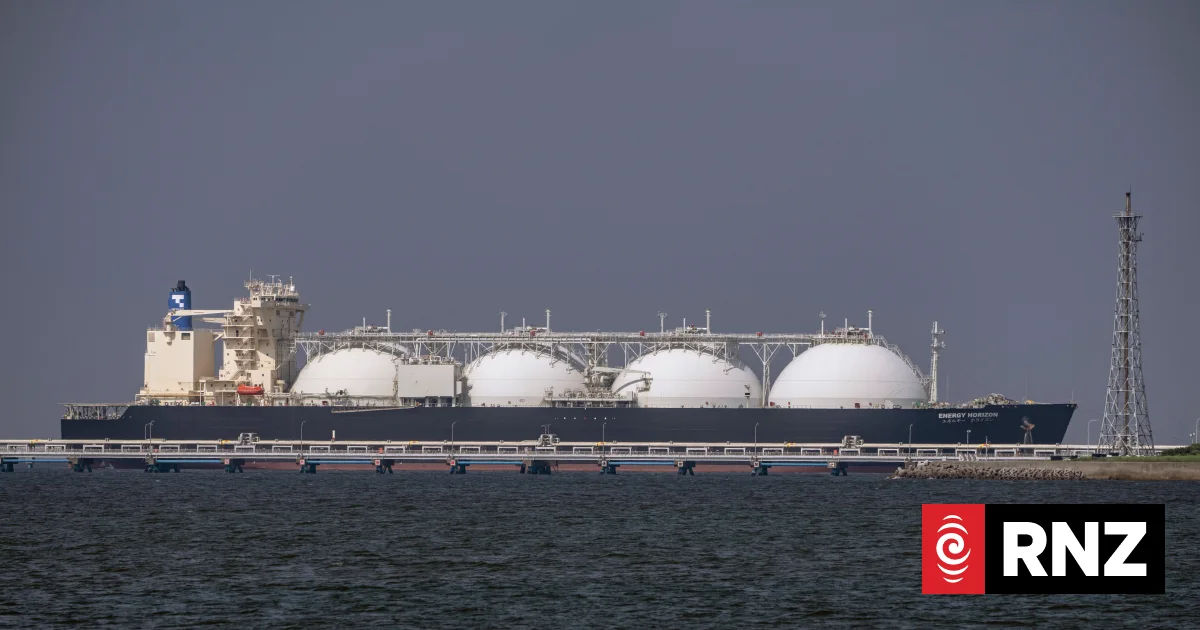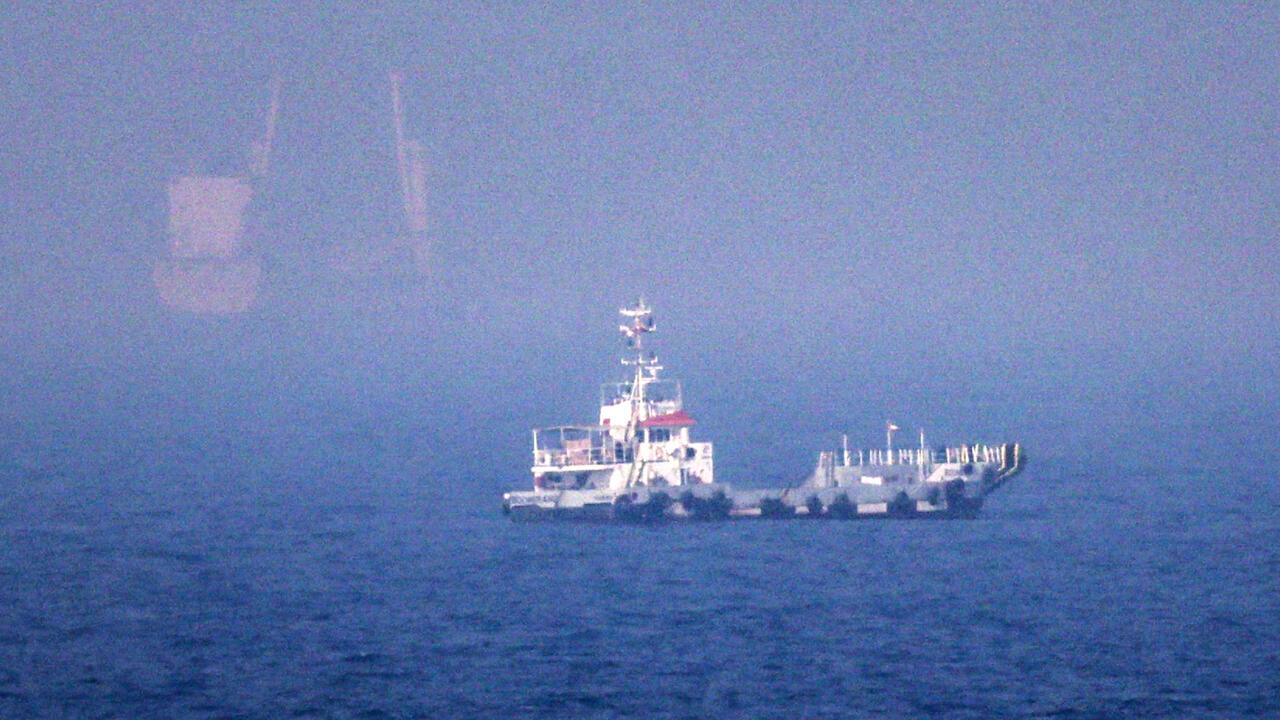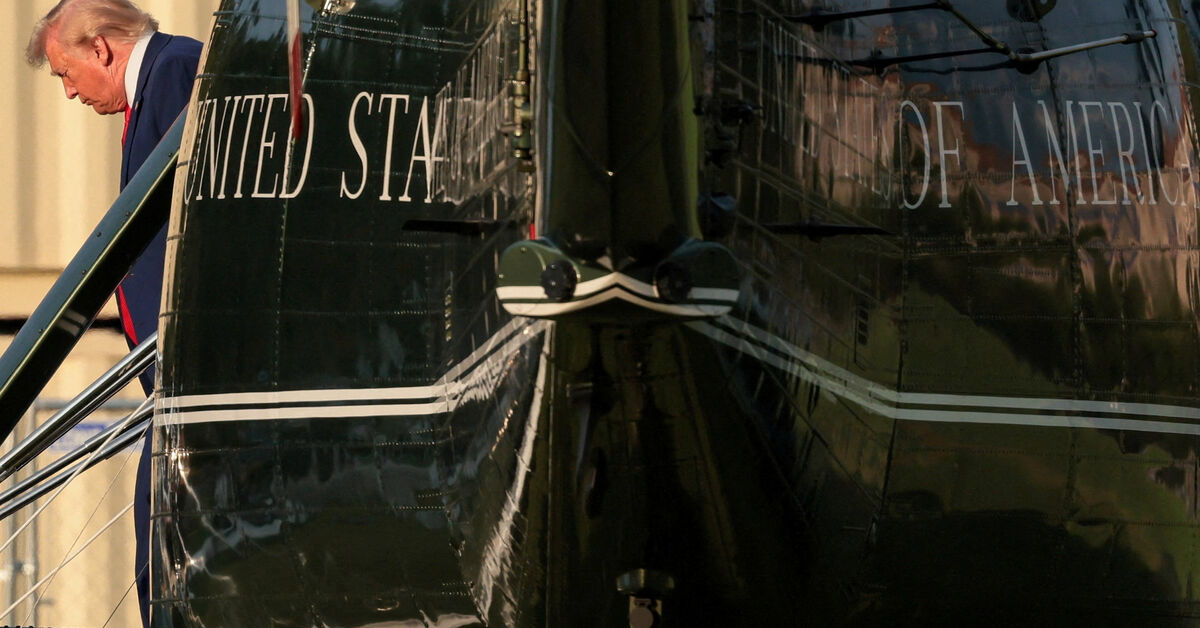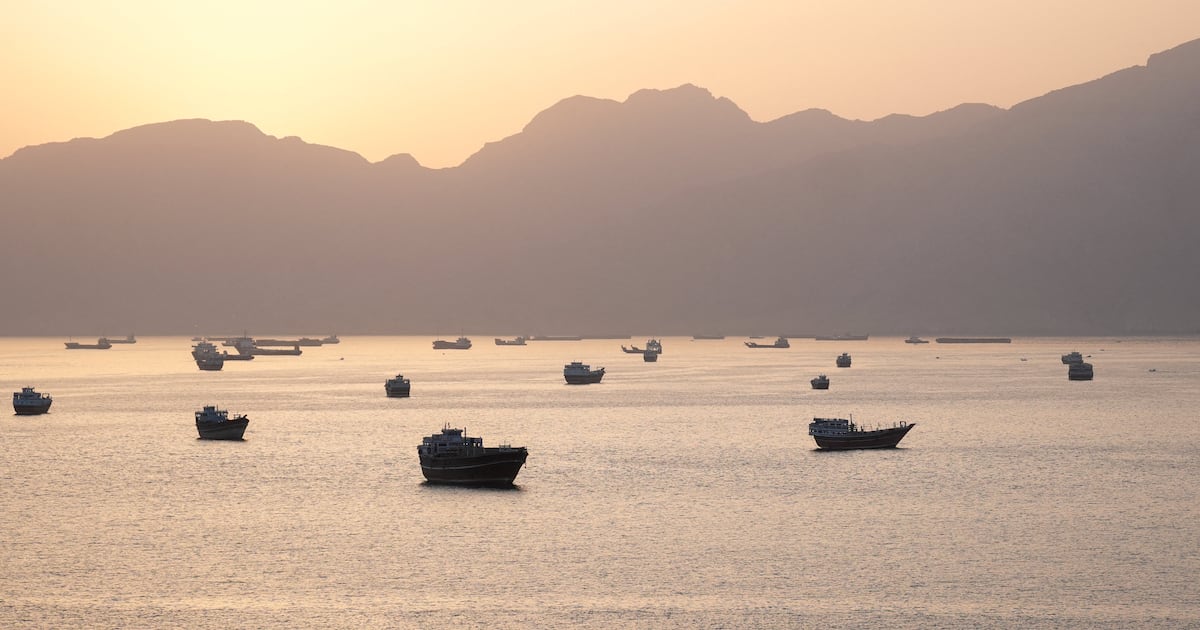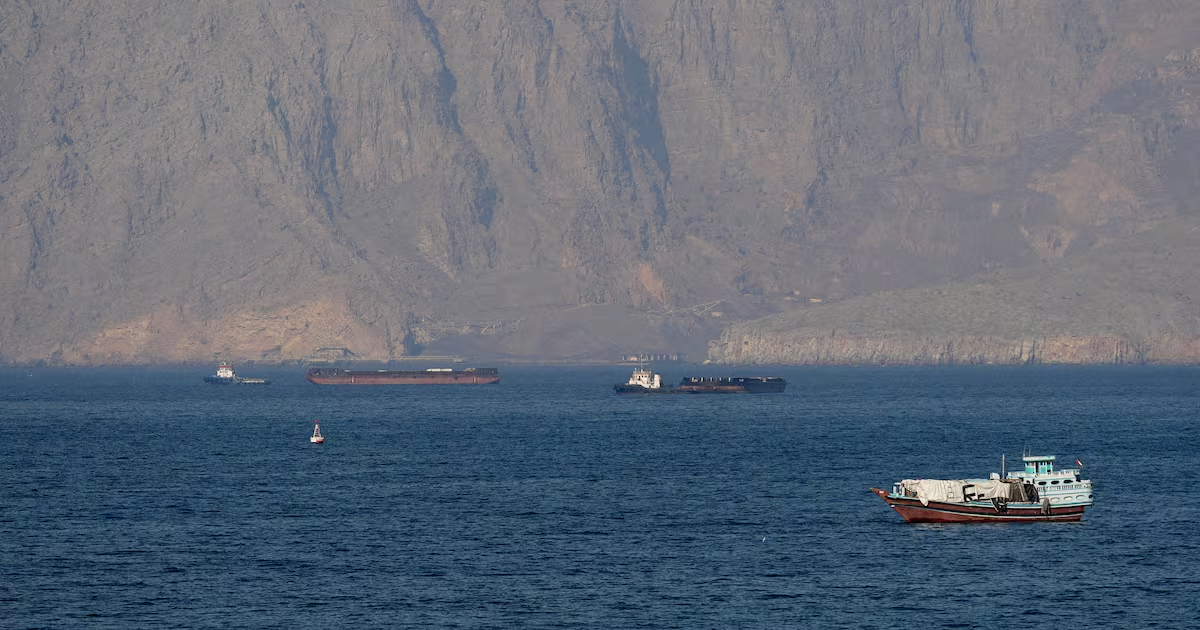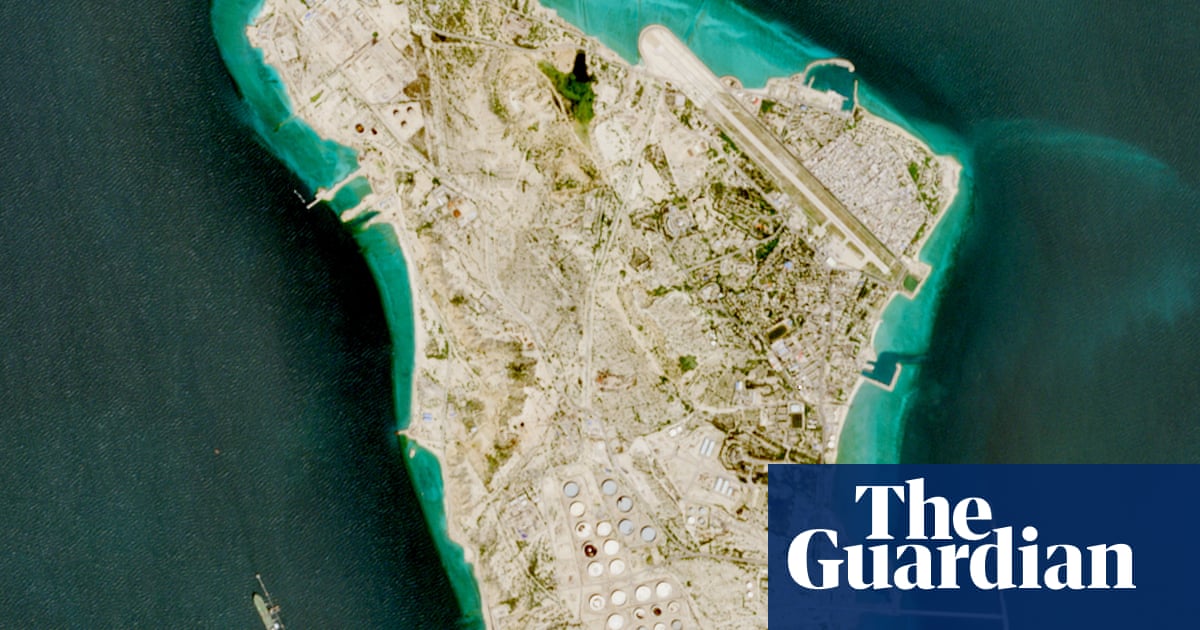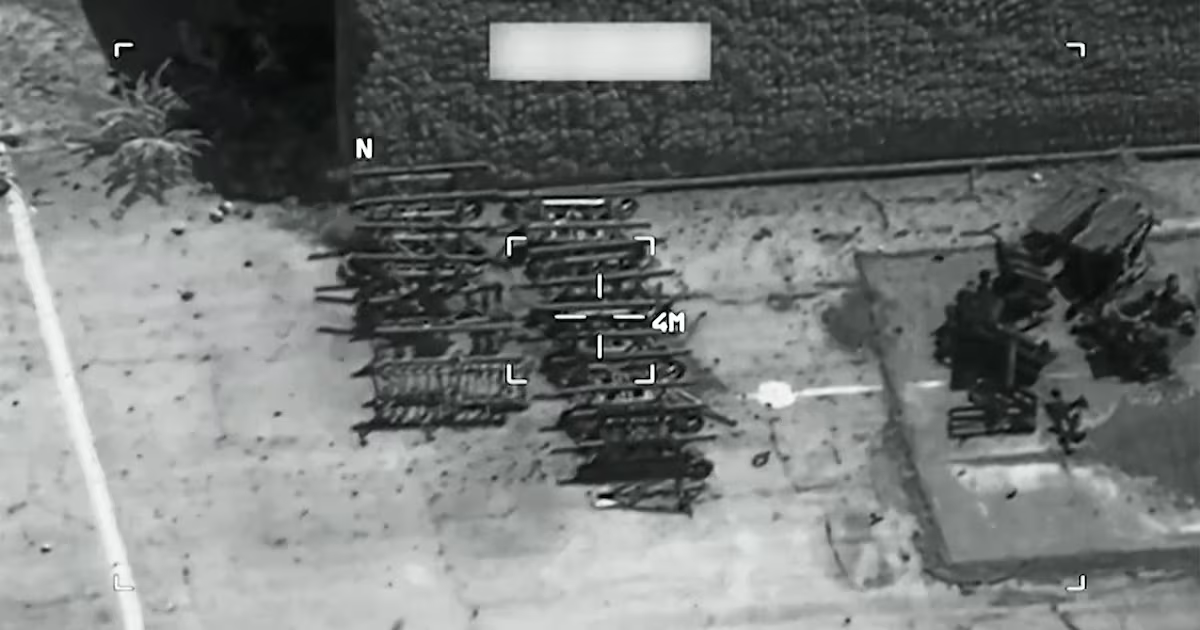
Oil prices surged on Wednesday as US President Donald Trump played down potential talks with Tehran and Houthi threats forced oil tanker U-turns in the Red Sea, stoking fears of global energy supply disruption.Brent, the benchmark for more than two thirds of global oil, climbed nearly 4.12 per cent to a six-week high of $94.76 a barrel at 1.30pm UAE time. US gauge, West Texas Intermediate, advanced 4.35 per cent to $88.01 a barrel. Both benchmarks have risen sharply this week, with US military strikes on Iranian targets and Iran's retaliatory attacks on American interests in the Middle East carried out for an 11th straight night.Mr Trump played down hopes of immediate talks with Iran to find a diplomatic solution to the conflict that has once again embroiled Gulf nations and the broader Arab world. He claimed Iran was “desperate to meet” for talks but said the US was not interested. Play02:29Iran conflict risks new Red Sea crisis as oil supplies tightenHe instead threatened to accelerate the war with a bunker-busting attack Iranian nuclear facilities. Referring to Pickaxe Mountain, a fortified underground site near one of the country’s primary nuclear enrichment plants, Mr Trump said the US military would be “hitting that area pretty soon and very heavily”. Iran has said it is not interested in negotiations with the US. Khatam Al Anbiya Central Headquarters, the country's main operational command, said the regime would view any attacks on Iran's nuclear sites as an expansion of the war in the region.Red Sea disruption While the vessel traffic in the Strait of Hormuz has reduced to a trickle after several Iranian attacks on oil tankers in recent days, the Houthi rebels' declaration of a “maritime embargo” against Saudi Arabia has exacerbated fears of disruption to global energy supplies. The militant group has threatened to hit Saudi ships and has warned global shipping operators not to load or remove cargo at Saudi ports.Five tankers loaded with Saudi oil turned round in the Red Sea on Tuesday, a day after the Houthi rebels announced a “maritime embargo” against Saudi Arabia. Four of the tankers, which were carrying millions of barrels of oil to markets including China and India, had been heading for the Bab Al Mandeb but changed course towards the Suez Canal. A fifth turned back in the Gulf of Aden.“The rally was driven by continued US strikes on Iran, President Trump’s renewed threats of broader military action and Houthi [threats of] attacks on shipping in the Red Sea, alongside recent tanker attacks near the Strait of Hormuz,” said Soojin Kim, Dubai-based research analyst at Japanese lender MUFG.Play01:09What's happening in Bab Al Mandeb?The widening geographic scope of crude supply disruption suggests oil prices will increasingly be driven by global transport risks, “leaving the market vulnerable … if geopolitical tensions persist”, Ms Kim said.War premium Oil prices gave up all the war premium this month and traded below $72 a barrel as the US and Iran worked on a permanent peace deal after agreeing to a 60-day ceasefire last month. However, the retaliatory strikes, triggered by Iranian attacks on commercial vessels in the Strait of Hormuz, have sent prices higher. Brent could rally to more than $120 a barrel by the fourth quarter of this year if supply disruption continues, Goldman Sachs said.However, that is not the base-case scenario and the bank expects Brent to trade at $80 a barrel in the fourth quarter and $75 next year after expected de-escalation. Still, the risks to the forecasts are “tilted to the upside” given shipping disruption in Hormuz, as well as potentially in the Red Sea, analysts including Daan Struyven said in a research note.
Oil prices hits six-week high on Hormuz and Red Sea supply disruption fears | The National
US President Trump plays down prospect of peace talks with Tehran and threatens to blow up Iranian nuclear sites
610 words~3 min read