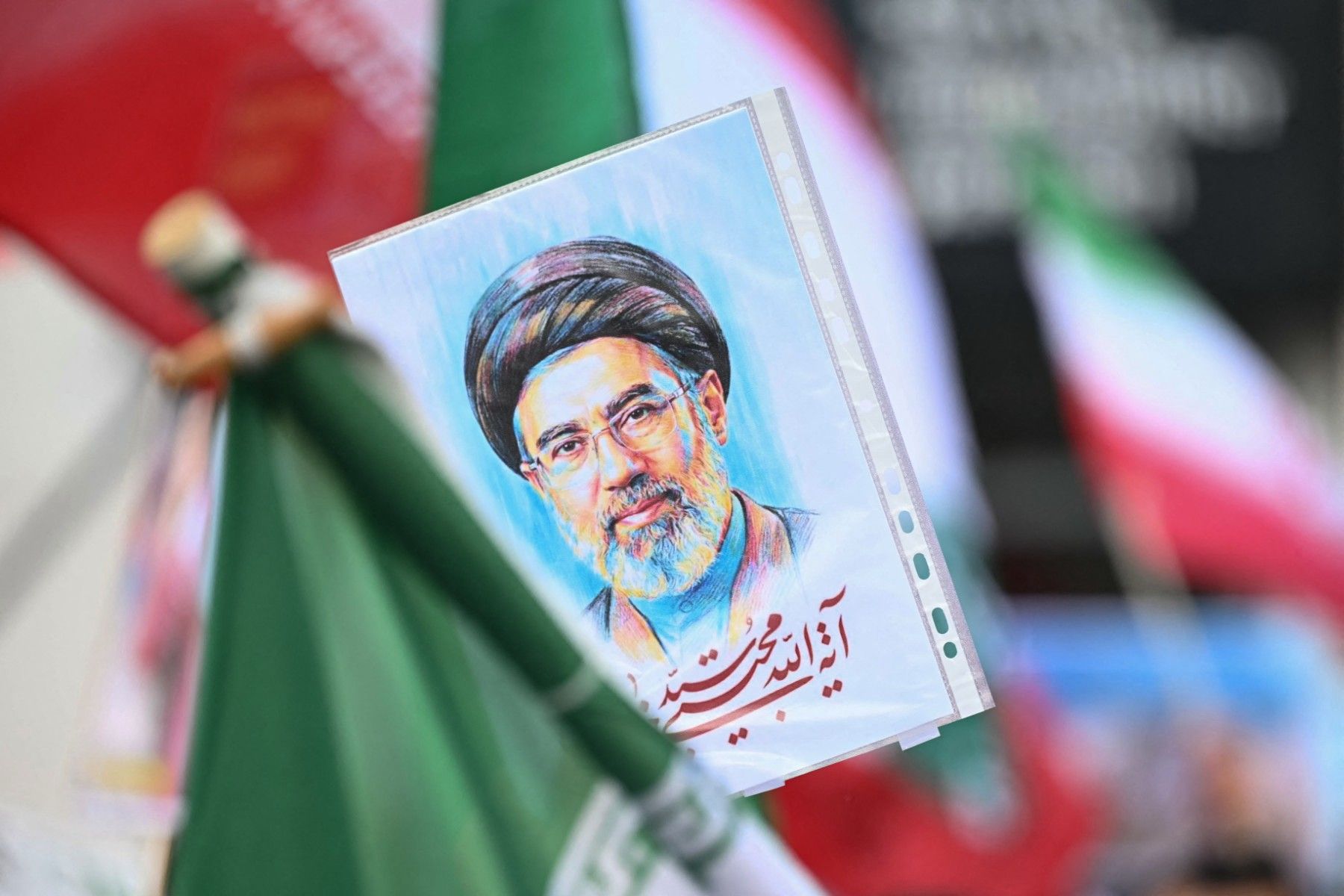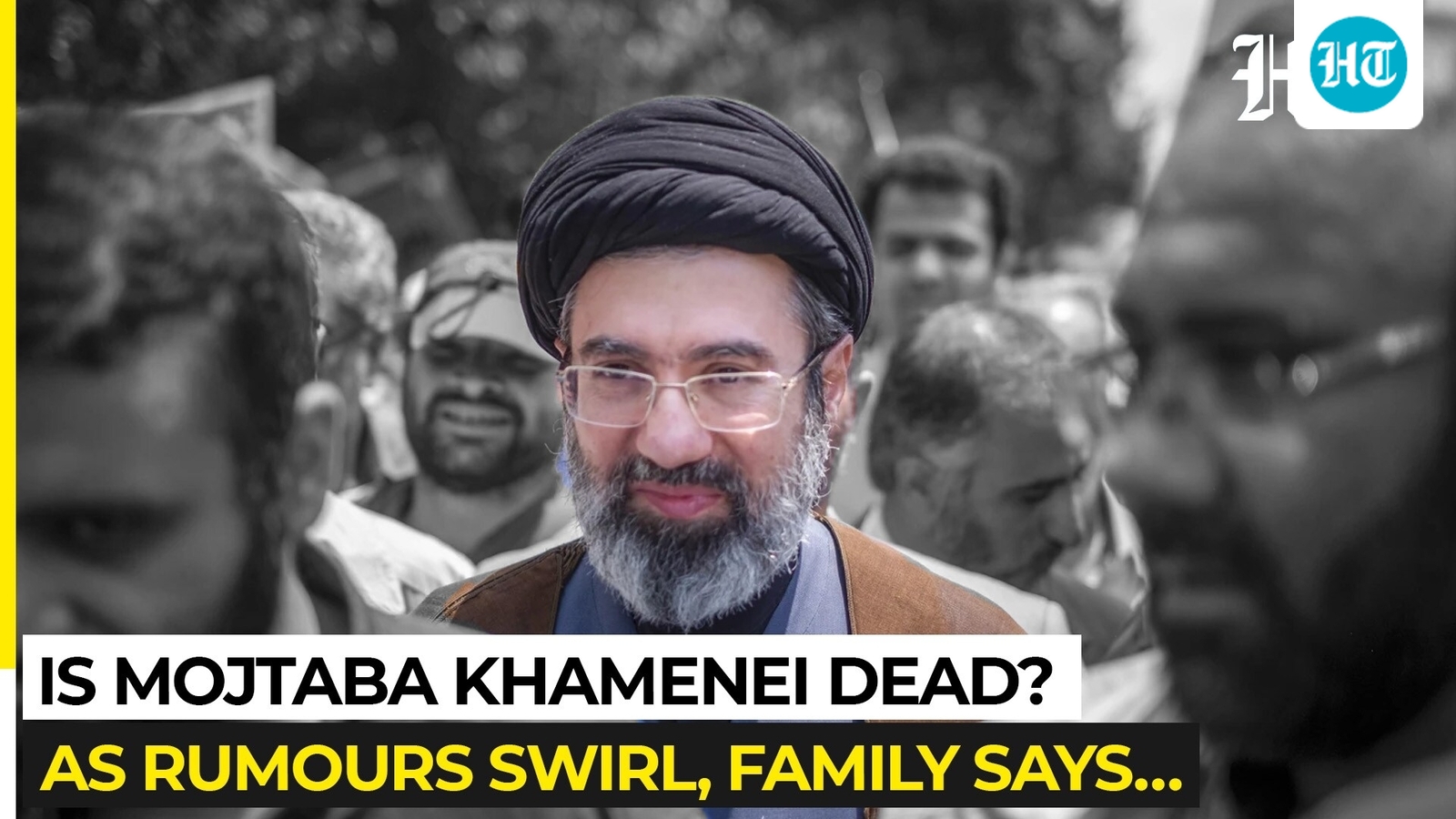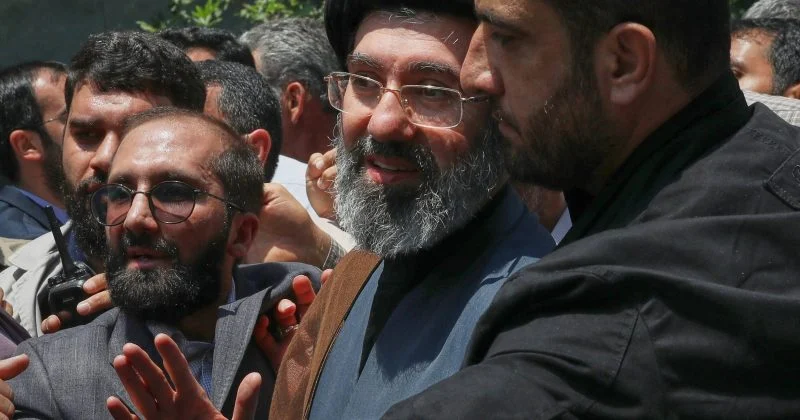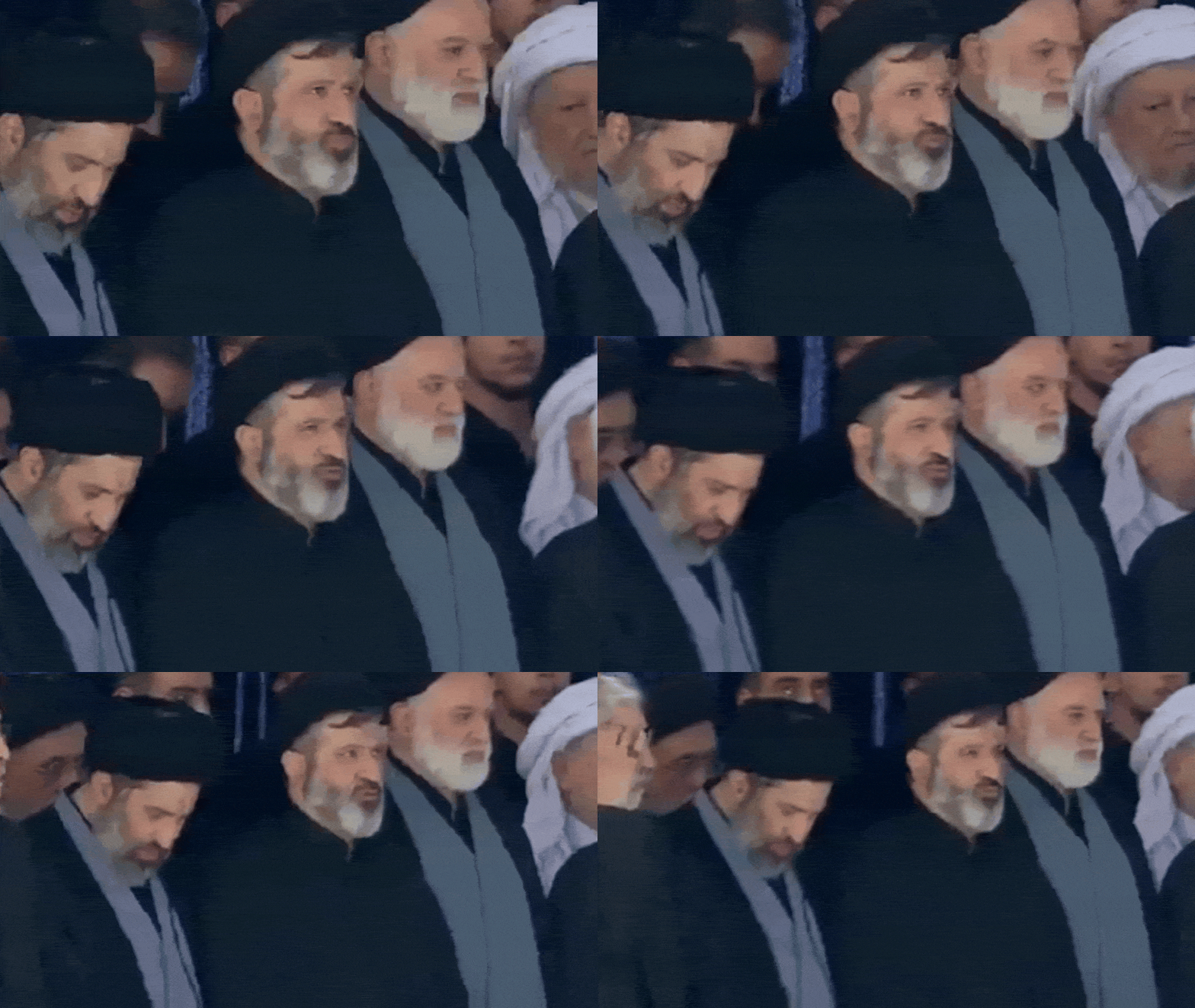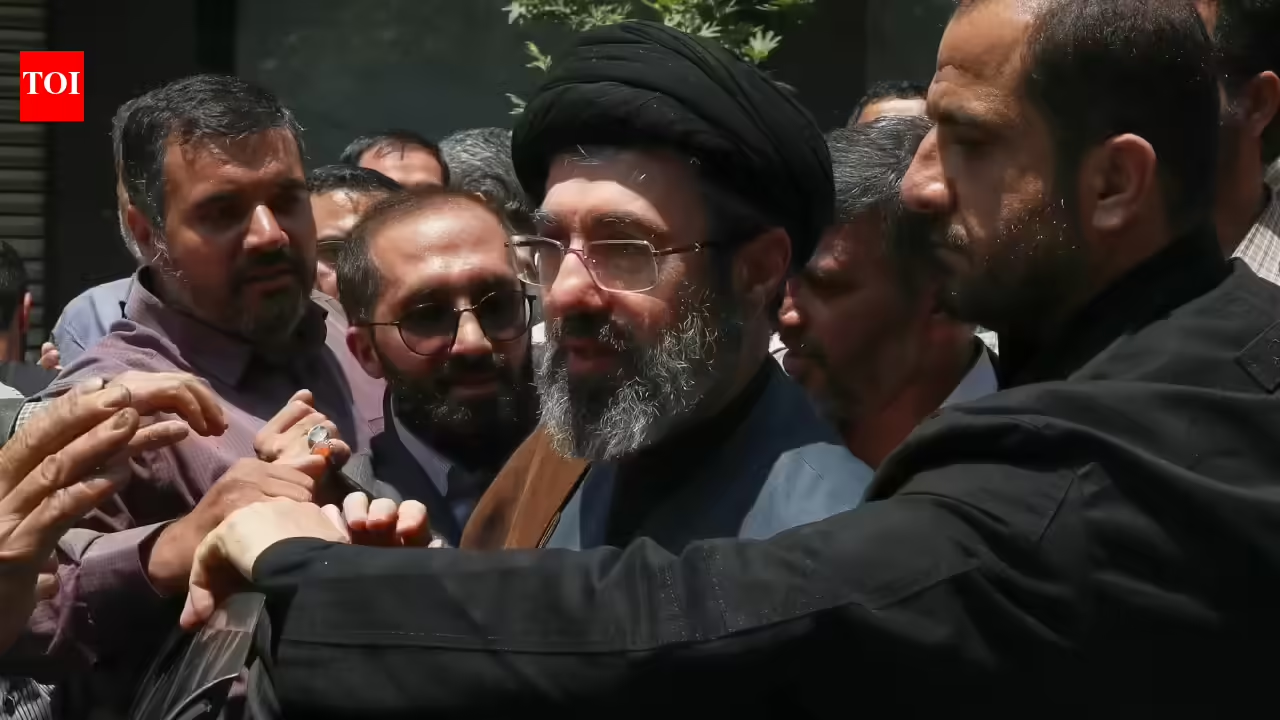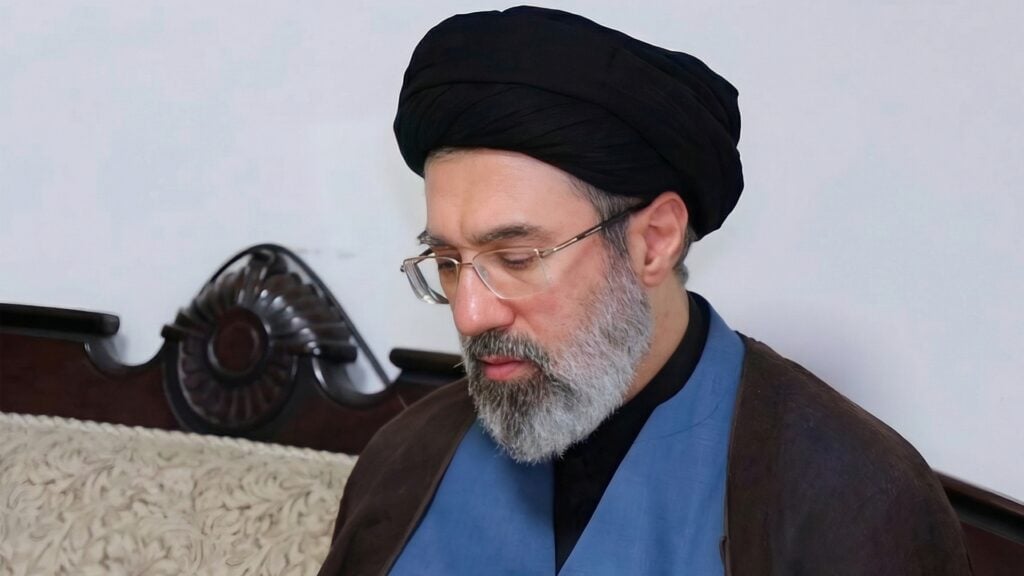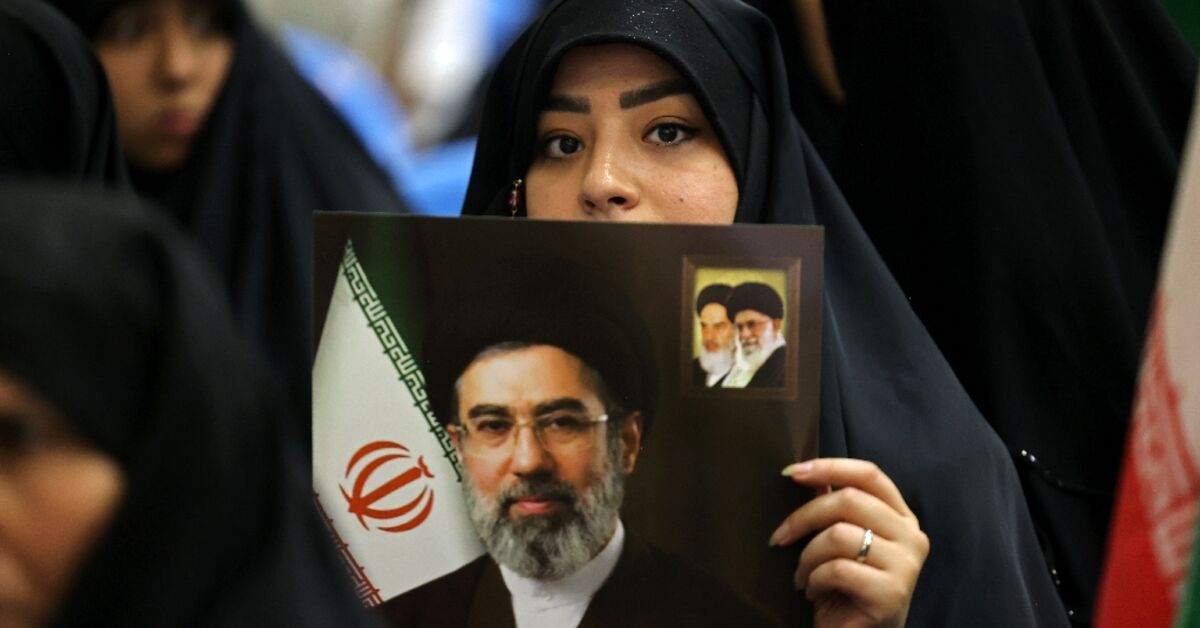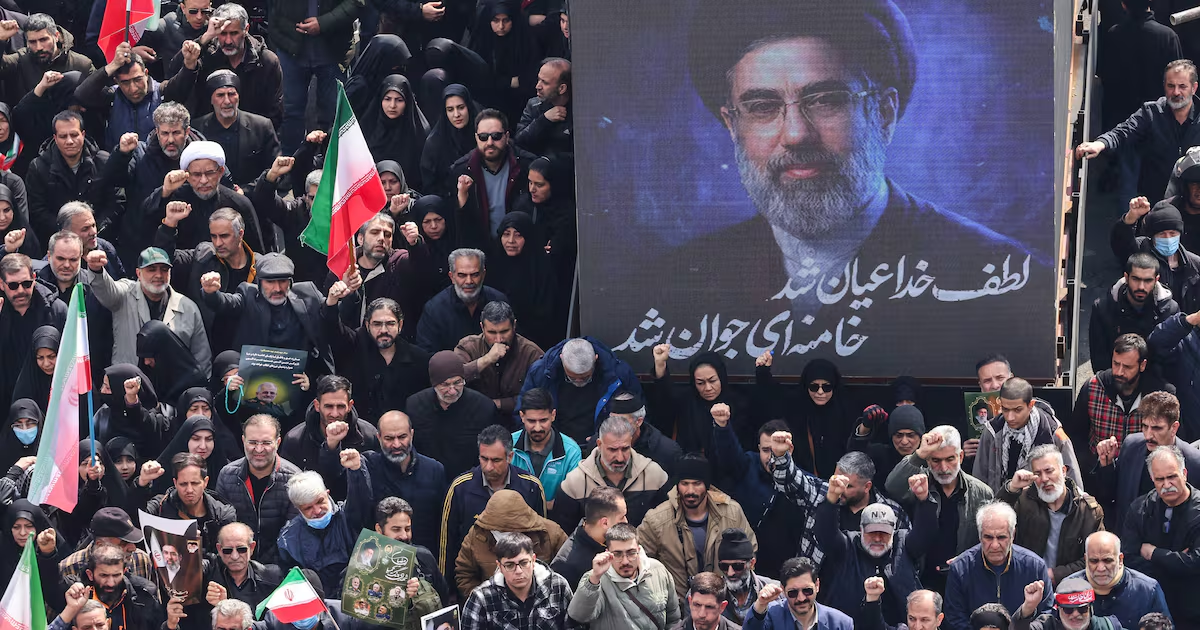
Iran's new supreme leader Mojtaba Khamenei has not been seen in public since he was chosen to succeed his assassinated father in March. After staying out of sight during Iran's vast public funeral for his father, the younger Mr Khamenei has failed to quell speculation about his health and whereabouts. President Masoud Pezeshkian sought to portray normality this week, telling a group of industrialists of "increased communication and greater access to our beloved leader" as he dictates Iran's war policy. It followed a less helpful intervention by Foreign Minister Abbas Araghchi, who told an Iranian journalist he had never met Mr Khamenei. After Mr Khamenei's election, state media read out a "first message" to the nation and now frequently reports on missives attributed to him. But his face is not seen and his voice not heard, leaving questions open about his health. Mr Khamenei's absence from view has led to speculation that he is incapacitated or is in hiding to avoid his father's fate. Israeli Defence Minister Israel Katz has said that any new leader would be an "unequivocal target". US President Donald Trump claimed this month that Mr Khamenei was "90 per cent gone", without elaborating. Other US officials have said he was injured in the strike that killed his father. In Iran, officials insist Mr Khamenei is alive and in charge after surviving the US and Israeli onslaught that killed his father and wife. Three people close to his inner circle told Reuters in April that Mr Khamenei suffered severe facial and leg injuries in the attack. The New York Times earlier reported that Israeli military officials had come to a similar conclusion, saying Mr Khamenei was believed to have suffered leg injuries. Yousef Pezeshkian, son of the Iranian President, claimed on social media to have information from "friends who were in touch" with Mojtaba Khamenei. "I heard about Mr Mojtaba's injury. I asked friends who were in touch. They said that by the grace of God, he is safe and there is no problem," said the younger Mr Pezeshkian. Mojtaba Khamenei, seen here in 2019, was elected to succeed his assassinated father by an 88-member Assembly of Experts. ReutersInfoBut Iran's official news agencies, which provide a near-constant stream of updates and propaganda, have stayed silent on Mr Khamenei's whereabouts. They have not published any images of the new leader, even as he receives pledges of loyalty from Iran's political and religious elite. Most of his messages suggest he wants to take a hard line against the US and Israel, and ensure the Islamic republic keeps control over maritime traffic in the Strait of Hormuz.The uncertain leadership has frustrated US leaders unsure of who to negotiate with. Mr Pezeshkian and top negotiator Mohammed Bagher Ghalibaf have defended the interim deal signed last month, in the face of criticism from hardliners eager to avenge Ali Khamenei's death. Ali Khamenei made occasional appearances at the time of last June's 12-day war, although close analysis of the images raised questions about his whereabouts. In peacetime, he regularly appeared in public. He was killed in an air raid on February 28 – without, according to the Israeli military, having made use of an underground bunker prepared for him in Tehran. Mojtaba Khamenei was elected to succeed him by an 88-member Assembly of Experts. With top generals also killed, Iran's troops have turned to a "mosaic defence" strategy that devolves power to local commanders, raising further questions about how much authority Mr Khamenei is exercising. The confusion was made clear in March when Mr Pezeshkian said forces had been ordered to stop attacks on neighbours unless Iran was attacked first. Drone and missile strikes on Gulf countries continued regardless.
Where is Mojtaba Khamenei? Iran's leader offers ‘more access’ … but foreign minister has never met him | The National
New supreme leader has not been seen in public since succeeding his father, Ayatollah Ali Khamenei
616 words~3 min read