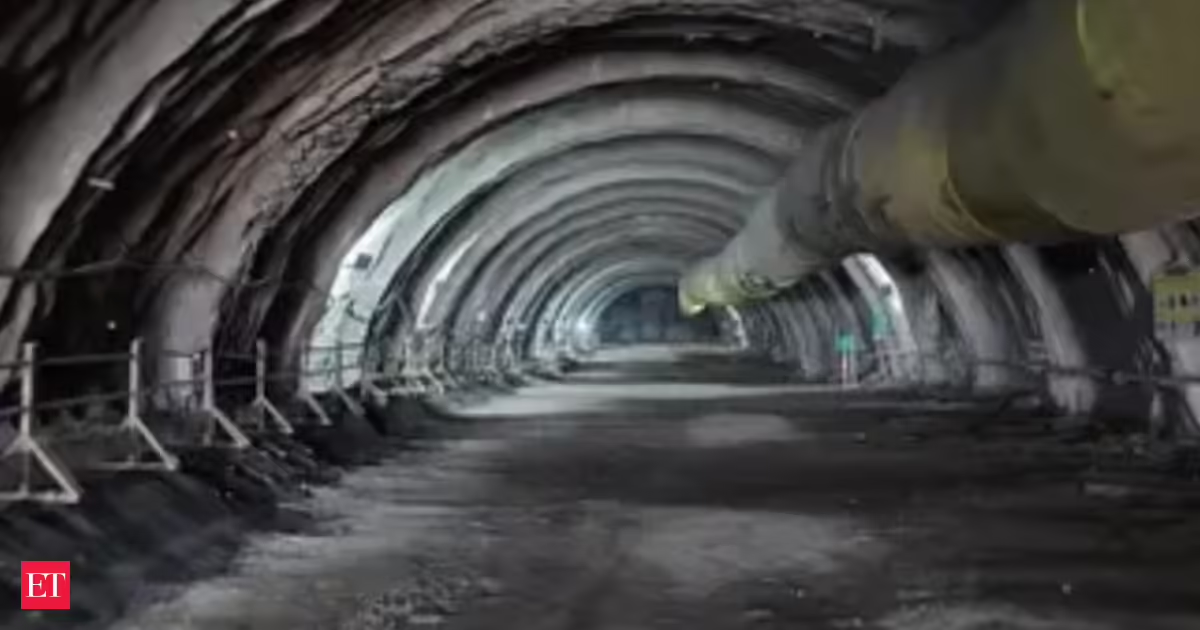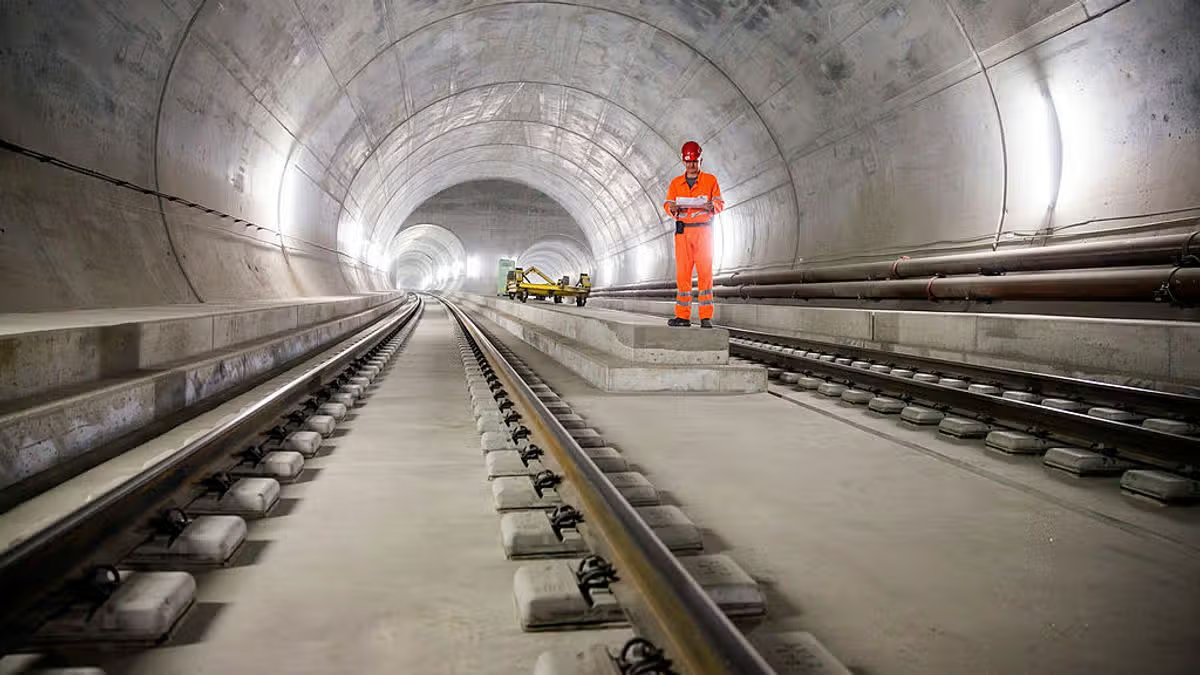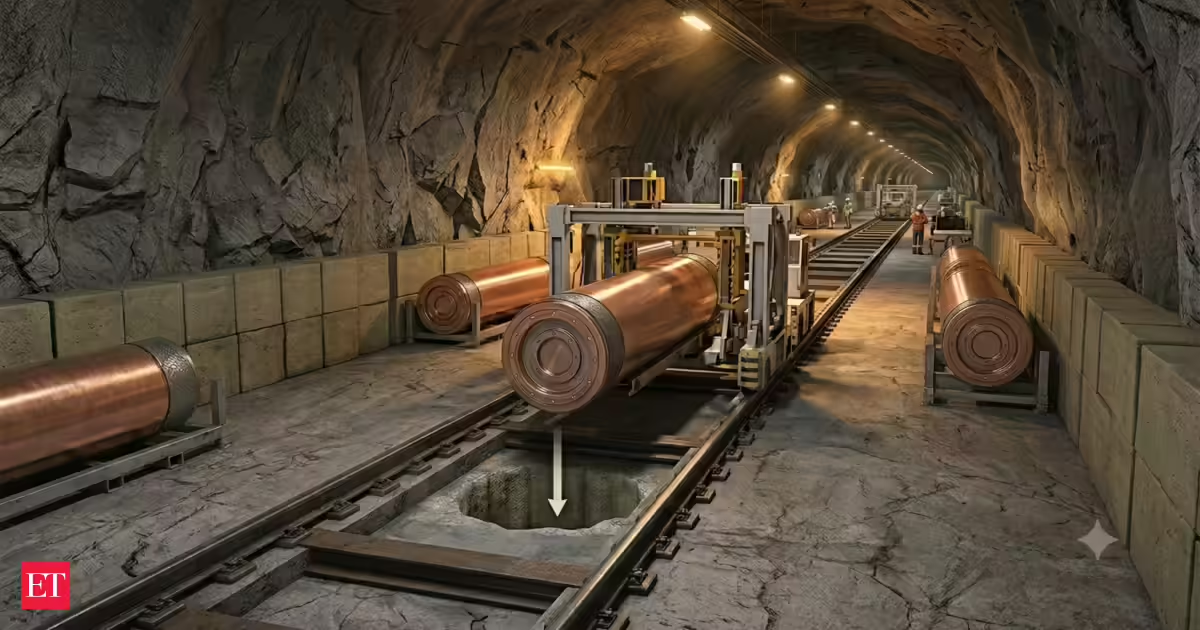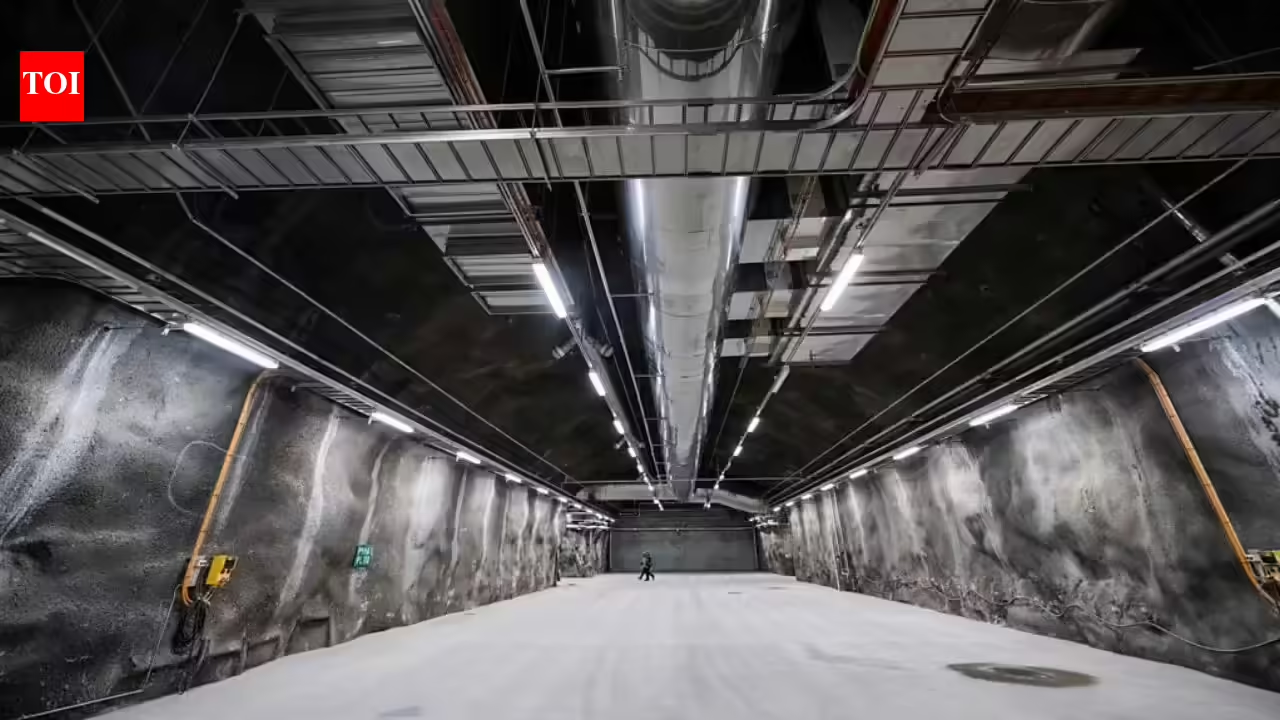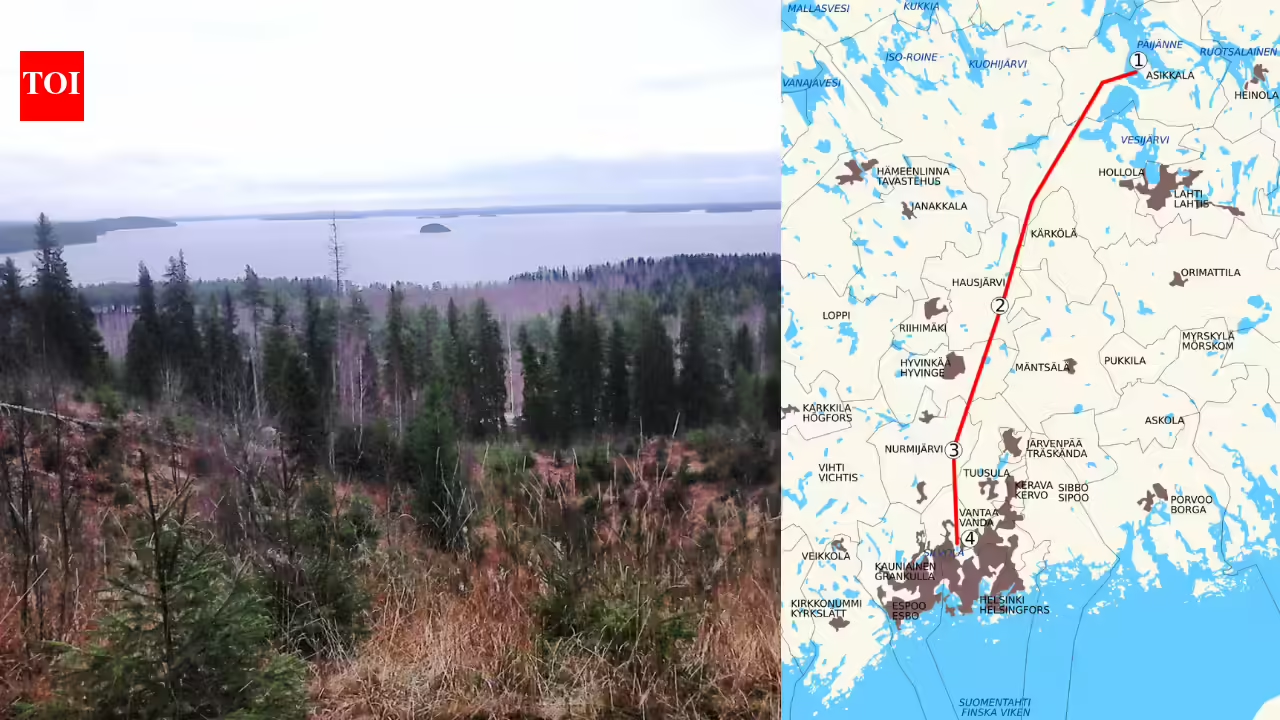
L: Asikkalanselkä in Lake Päijänne, where the tunnel starts ; R: Map of the Päijänne Water Tunnel | Wikimedia CommonsResidents across the Helsinki metropolitan area turn on their taps without seeing the extraordinary route their drinking water has taken. Before reaching homes, schools and businesses, the water spends about nine days flowing through the Päijänne Water Tunnel, a 120.3-kilometre passage carved deep into Finland’s granite bedrock. Stretching from Lake Päijänne to the capital region, it is one of the world’s longest continuous rock tunnels and has quietly supplied southern Finland with fresh water since the early 1980s. According to Helsinki Region Environmental Services (HSY), the tunnel delivers raw water to treatment plants serving more than one million people, making it one of the country’s most important pieces of infrastructure despite remaining almost entirely hidden underground. L: Asikkalanselkä in Lake Päijänne, where the tunnel starts ; R: Map of the Päijänne Water Tunnel | Wikimedia CommonsBuilt to secure Helsinki’s future water supplyBy the 1960s, planners had begun searching for a more reliable source of drinking water as Helsinki’s population expanded and nearby rivers became increasingly vulnerable to pollution and seasonal fluctuations. The solution lay more than 100 kilometres away at Lake Päijänne, Finland’s second-largest lake, known for its exceptionally clean freshwater. Construction of the tunnel began in 1972, requiring engineers to blast through solid crystalline bedrock while maintaining a gentle gradient that would allow water to travel largely by gravity. According to HSY, the tunnel was completed in stages and became fully operational in 1982, creating a dependable connection between the lake and the capital region without relying on extensive pumping systems. At its deepest points, the tunnel runs nearly 200 metres below the surface, protected from weather, surface contamination and most external disruptions.Gravity does almost all the workUnlike conventional pipelines that depend heavily on pumps, the Päijänne Water Tunnel functions much like an underground river. Water enters the tunnel near Asikkala and gradually moves south through the rock before arriving at the Pitkäkoski and Vanhakaupunki water treatment plants, where it undergoes purification before entering the public supply. According to the Tampere University publication, Finland’s drinking water is drawn primarily from high-quality surface water and groundwater sources, with utilities placing strong emphasis on long-term protection of catchment areas rather than relying solely on treatment technologies. The slow, gravity-driven flow means the water typically takes about nine days to complete its underground passage, a pace that reflects the tunnel’s carefully engineered slope rather than any mechanical delay. Silvola reservoir, where the tunnel ends | Wikimedia CommonsHidden infrastructure that rarely makes headlinesDespite its size, most visitors to Helsinki never realize that one of the world’s largest underground water systems lies beneath central Finland. Regular inspections, maintenance work and occasional repairs are carried out through access shafts and service tunnels positioned along the route, allowing engineers to monitor the structure without interrupting water supplies. According to HSY, the system has undergone modernization over the years to strengthen reliability and prepare for future demand, while retaining the original concept of transporting raw lake water through bedrock before treatment. The tunnel has also attracted international attention from engineers studying large-scale water transfer projects because it combines natural gravity, stable geological conditions and long-term operational resilience in a single system.The Päijänne Water Tunnel was never built to become a tourist attraction or an architectural landmark. Its success is measured differently. More than four decades after entering service, it continues to move millions of litres of freshwater every day without most consumers giving it a second thought. Hidden beneath forests, lakes and towns, the tunnel remains one of Finland’s quietest engineering achievements, carrying one of the country’s most valuable resources through rock before it finally emerges from a kitchen tap.
Helsinki’s tap water crawls for nine days through a 120-kilometre tunnel blasted into solid bedrock: One of the longest tunnels on Earth, hidden entirely underground
Residents across the Helsinki metropolitan area turn on their taps without seeing the extraordinary route their drinking water has taken. Before reaching homes, schools and businesses, the water spends about nine days flowing through the Päijänne Water Tunnel, a 120.3-kilometre passage carved deep into Finland’s granite bedrock.
622 words~3 min read