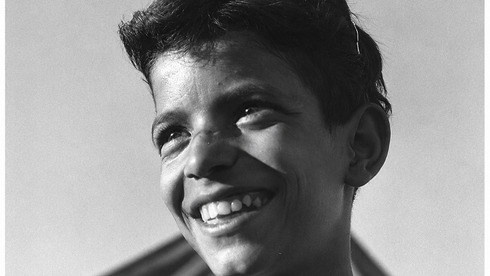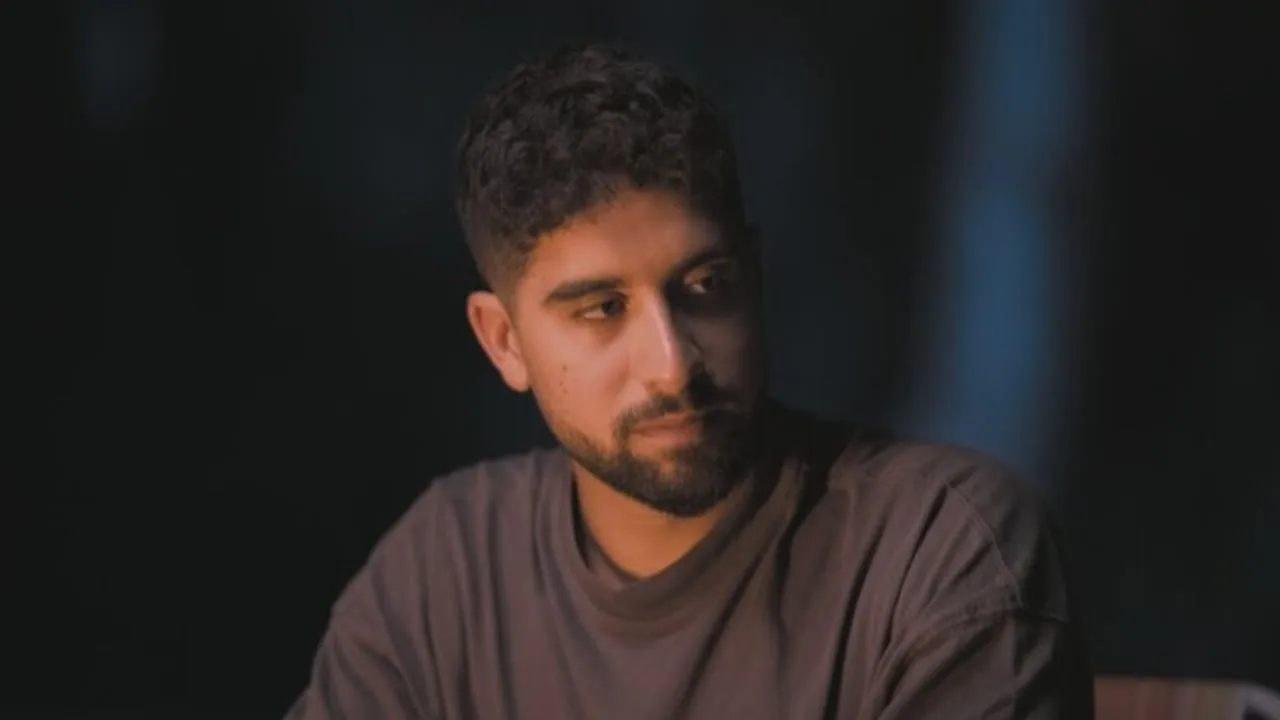
Yossi Ghinsberg | Wikimedia CommonsWhen Yossi Ghinsberg stumbled out of the Bolivian Amazon after nearly three weeks alone, he was exhausted, severely malnourished and struggling to walk. The young Israeli backpacker had survived relentless tropical rain, swollen infected feet, insect bites, starvation and the psychological strain of believing he might never be rescued. What began as an adventure through one of South America’s most remote rainforests in 1981 would become one of the world’s best-known survival stories. Ghinsberg later chronicled the ordeal in his memoir Jungle: A Harrowing True Story of Survival in the Amazon, which inspired the 2017 survival film Jungle, starring Daniel Radcliffe. According to the official movie tie-in edition published by Skyhorse, Ghinsberg survived for weeks alone after a rafting accident separated him from his companion deep inside the Bolivian rainforest. Yossi Ghinsberg | Wikimedia CommonsA dream expedition into the Amazon quickly turned into a nightmareGhinsberg had been travelling across South America when he met American backpacker Kevin Gale and Swiss schoolteacher Marcus Stamm in La Paz, Bolivia. The trio later joined Austrian adventurer Karl Ruprechter, who claimed he knew an unexplored route through the Amazon where they could meet Indigenous communities and search for hidden gold. Although the expedition sounded exciting, conditions deteriorated rapidly as food became scarce and disagreements emerged over the difficult terrain. Eventually, the group split into two teams. Ruprechter and Marcus continued on foot, while Ghinsberg and Kevin attempted to travel downstream on a handmade raft. The plan ended in disaster when powerful river currents smashed the raft apart, throwing both men into the water. Ghinsberg managed to reach shore, but Kevin disappeared downstream, leaving him convinced he was completely alone in one of the world’s largest rainforests. With no map, survival training or reliable food supply, he began an ordeal that would test both his physical endurance and mental resilience. According to the publisher’s synopsis of Jungle, Ghinsberg survived by improvising shelter, searching for food and continuing through the jungle even as his feet deteriorated from constant exposure to water and mud. Aerial view of the Amazon rainforest | Wikimedia Commons Hallucinations, infected feet and an unwavering search for rescueAs the days passed, Ghinsberg’s physical condition worsened dramatically. His feet became badly infected after constant immersion in water, insects covered his body with bites, and exhaustion made every step through the dense rainforest increasingly painful. He later described experiencing vivid hallucinations brought on by hunger, isolation and fatigue, at times imagining a companion walking beside him and holding conversations simply to keep himself focused. Meanwhile, Kevin Gale had survived the rafting accident and eventually reached safety. Refusing to accept that his friend had died, Gale persuaded local fisherman Tagore Vaca to mount one final search along the river. The decision proved lifesaving. Nearly three weeks after they became separated, the rescue party heard movement near the riverbank and found Ghinsberg alive but severely weakened. He later recovered and shared his remarkable experience in a memoir that introduced millions of readers to his story of survival. The adventure later reached an even wider audience through Greg McLean’s 2017 film adaptation, with Daniel Radcliffe portraying Ghinsberg. Reviewing the film, RogerEbert.com noted that it closely follows the real expedition, including the rafting accident, Ghinsberg’s weeks alone in the jungle, and the hallucinations and exhaustion he endured before rescue. Ghinsberg’s survival story remains one of the most extraordinary documented wilderness ordeals of the modern era. More than four decades after the expedition, it continues to fascinate readers and audiences not simply because of the dangers he faced, but because it demonstrated how determination, improvisation and hope can sustain a person even in one of the planet’s most unforgiving environments.
Meet Yossi Ghinsberg, the 22-year-old backpacker who survived nearly three weeks alone in the Bolivian Amazon: An ordeal of floods, hunger and hallucinations that inspired a Hollywood film
When Yossi Ghinsberg stumbled out of the Bolivian Amazon after nearly three weeks alone, he was exhausted, severely malnourished and struggling to walk. The young Israeli backpacker had survived relentless tropical rain, swollen infected feet, insect bites, starvation and the psychological strain of believing he might never be rescued.
614 words~3 min read