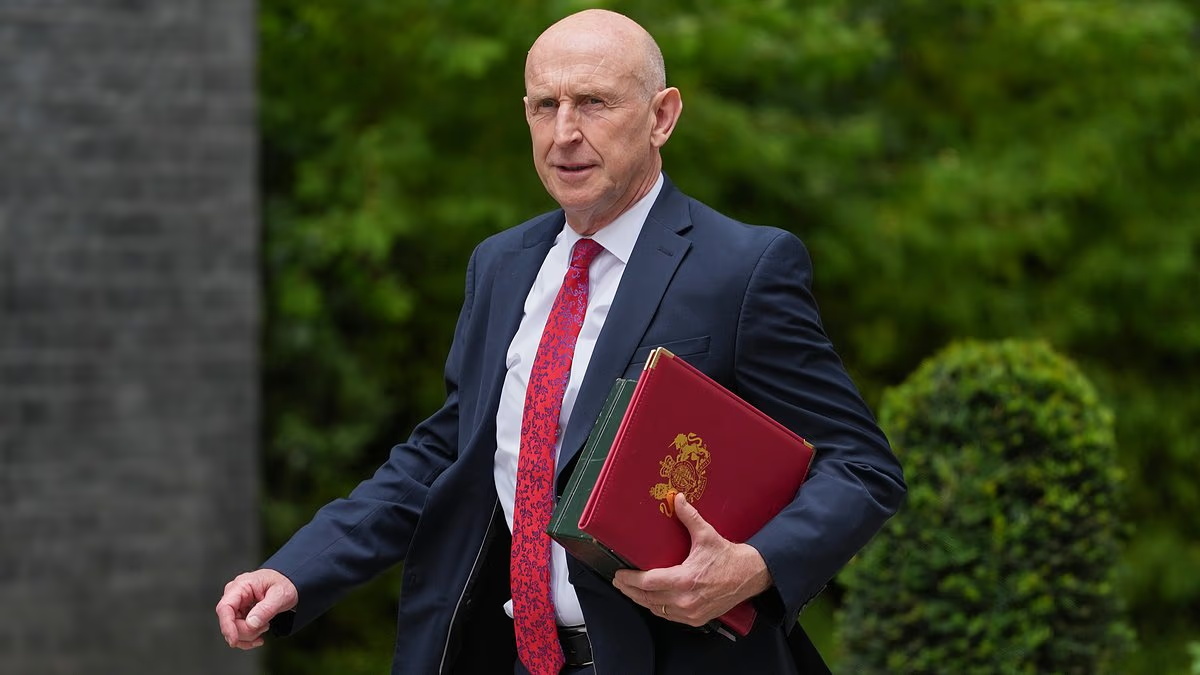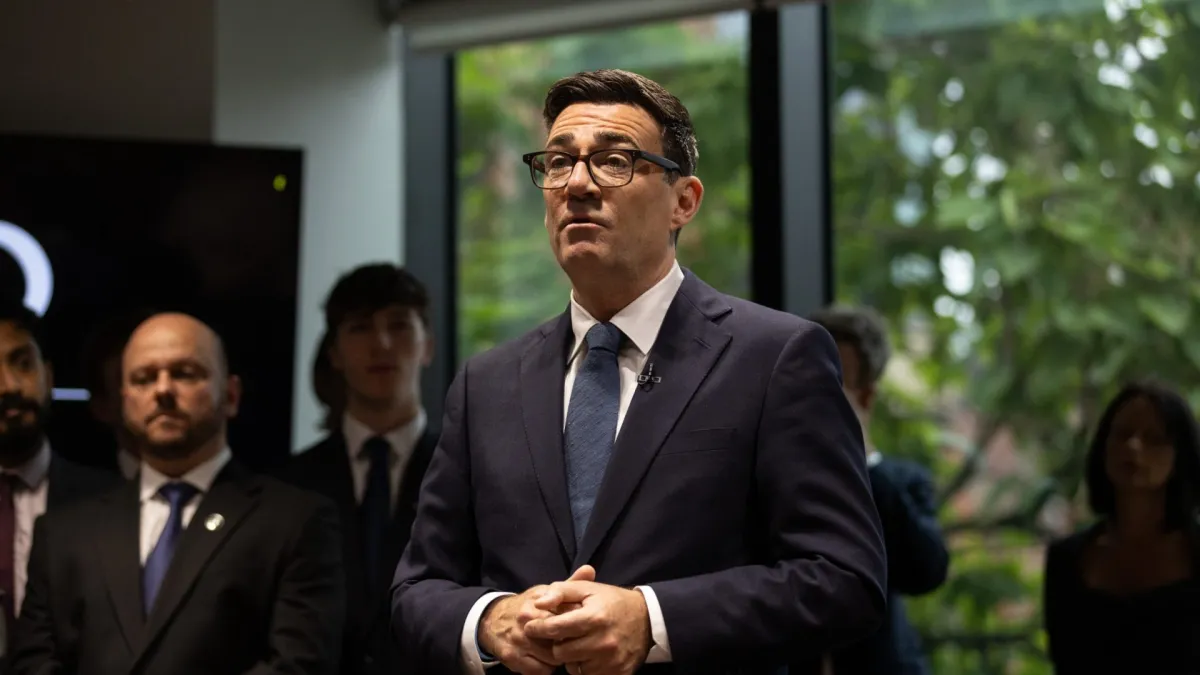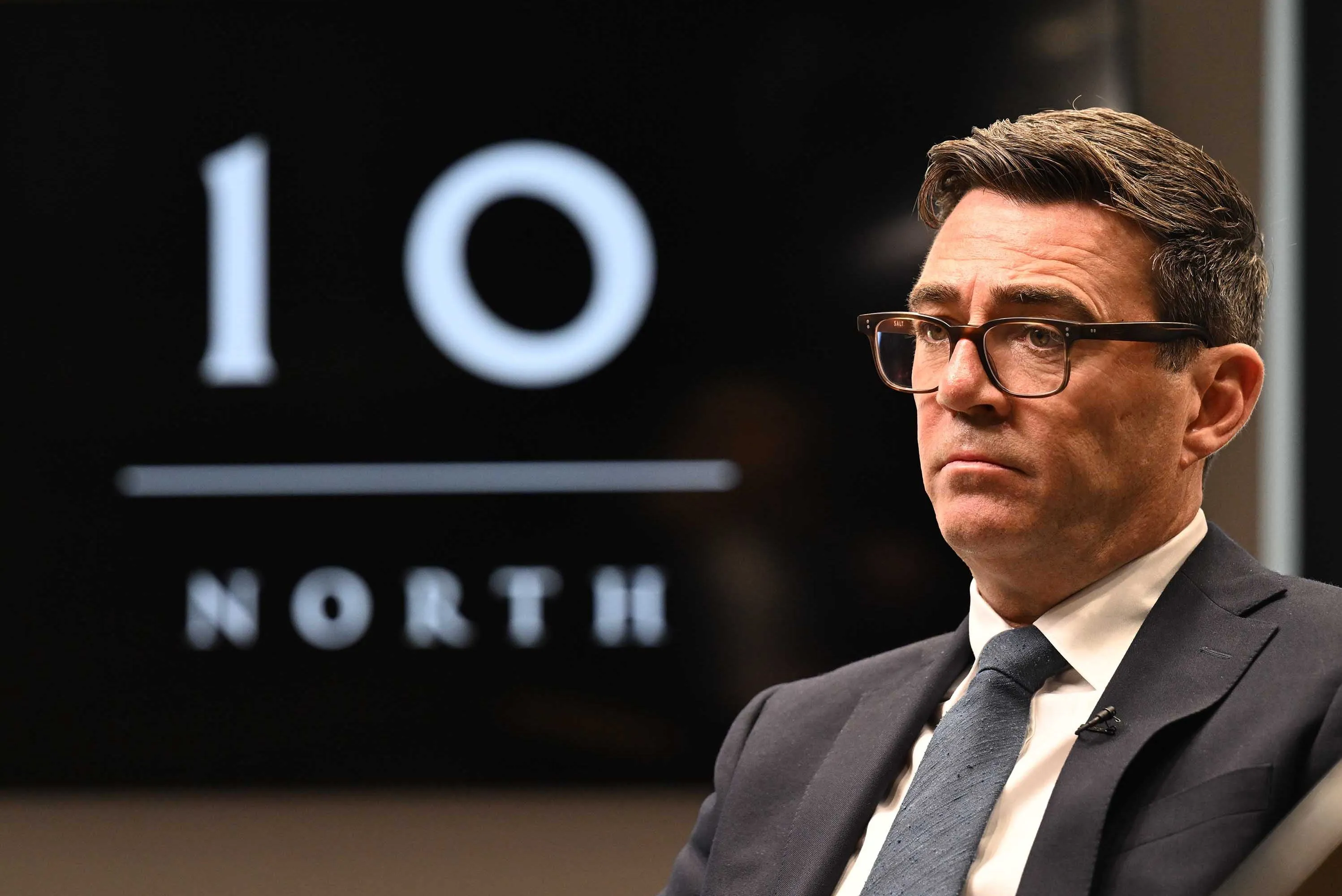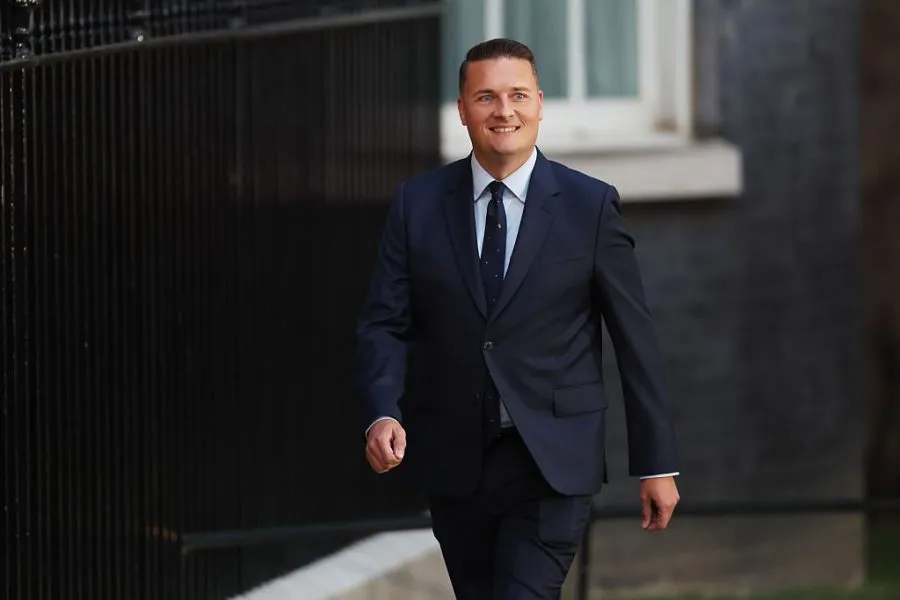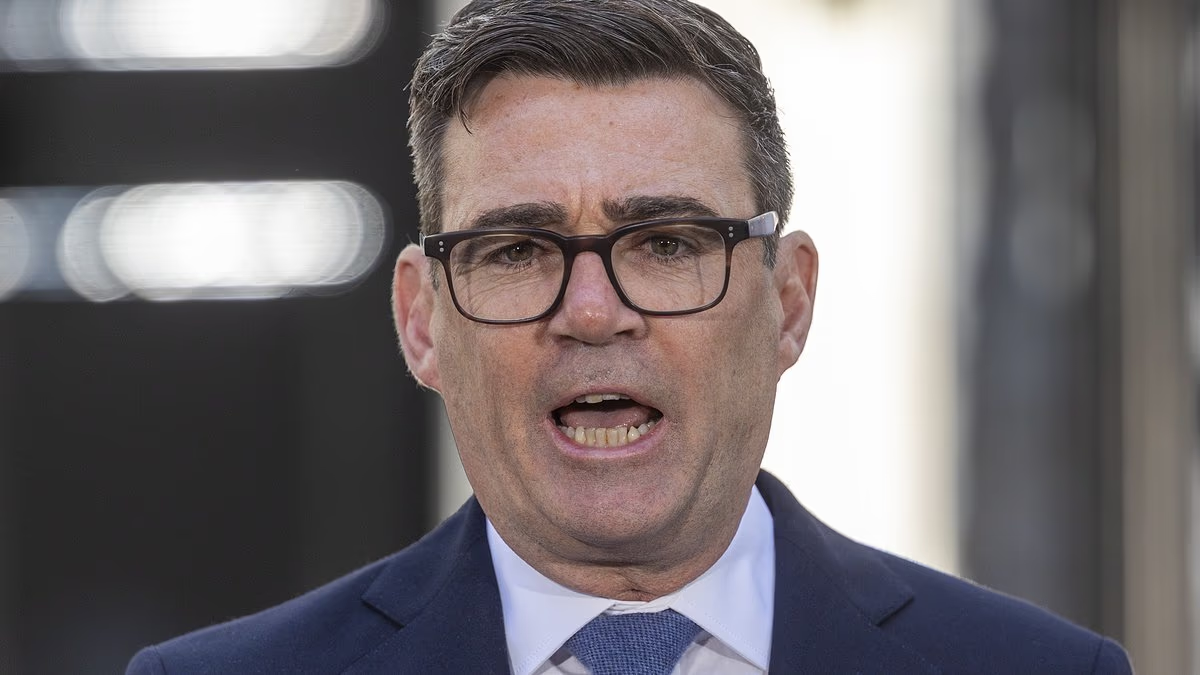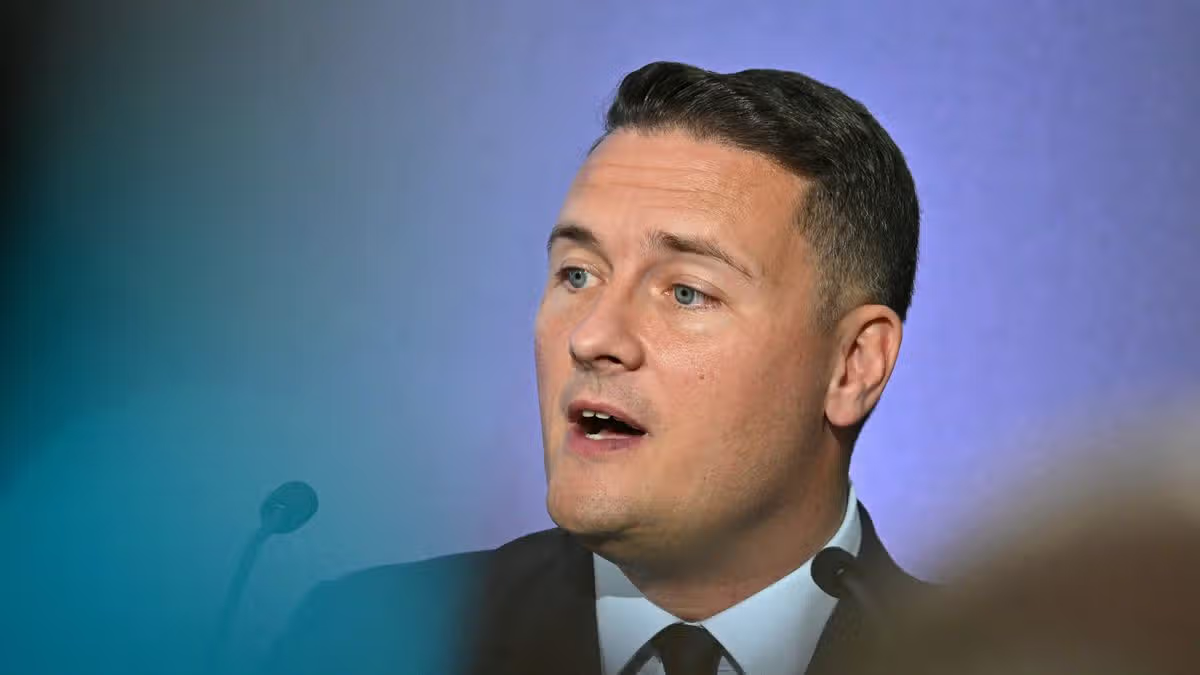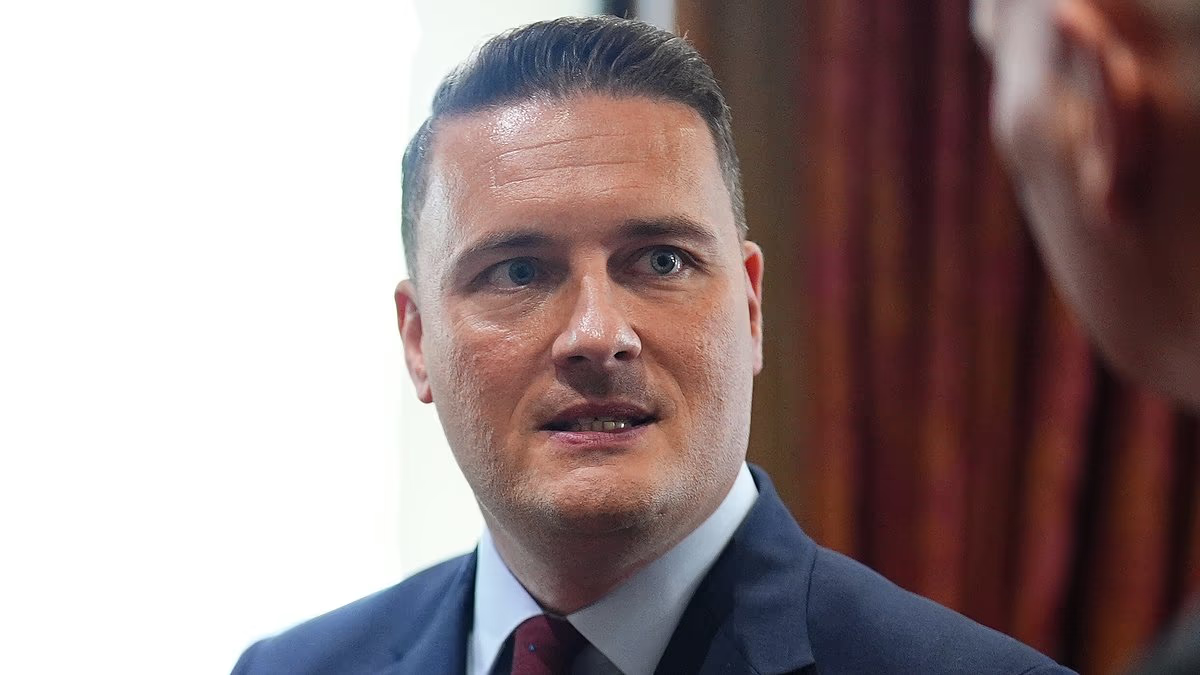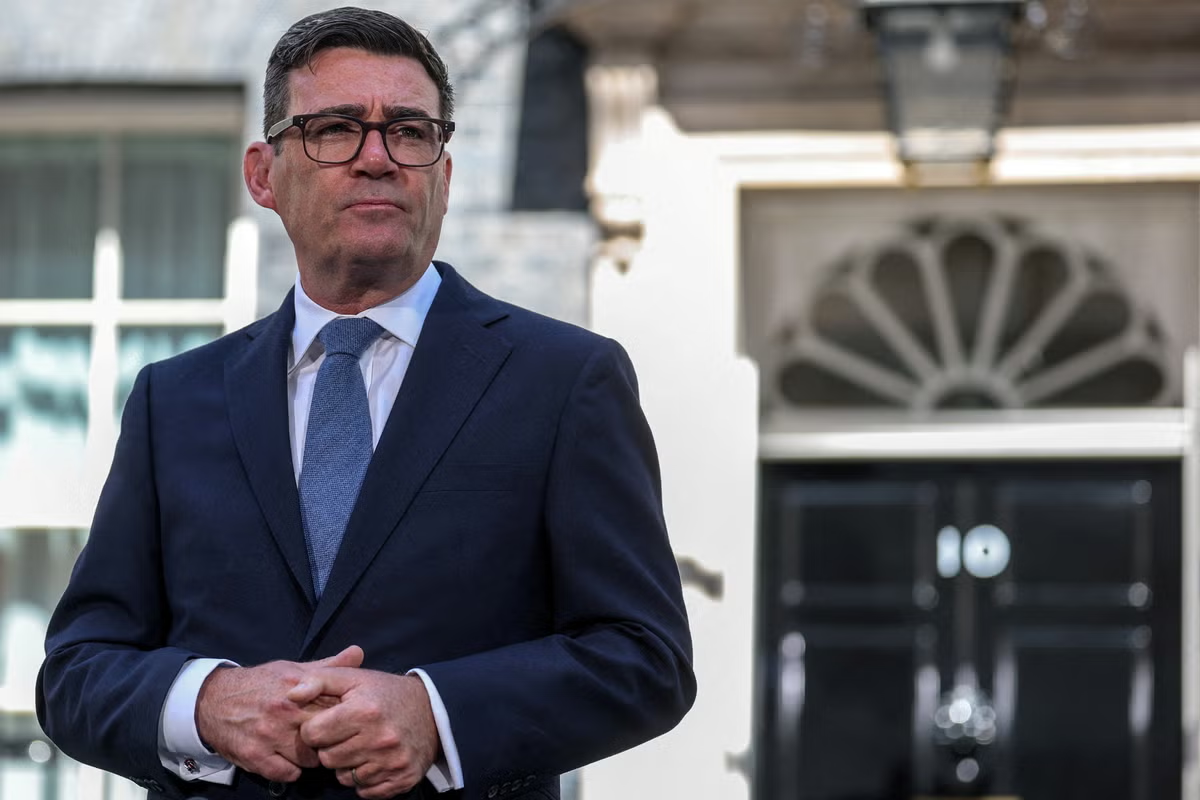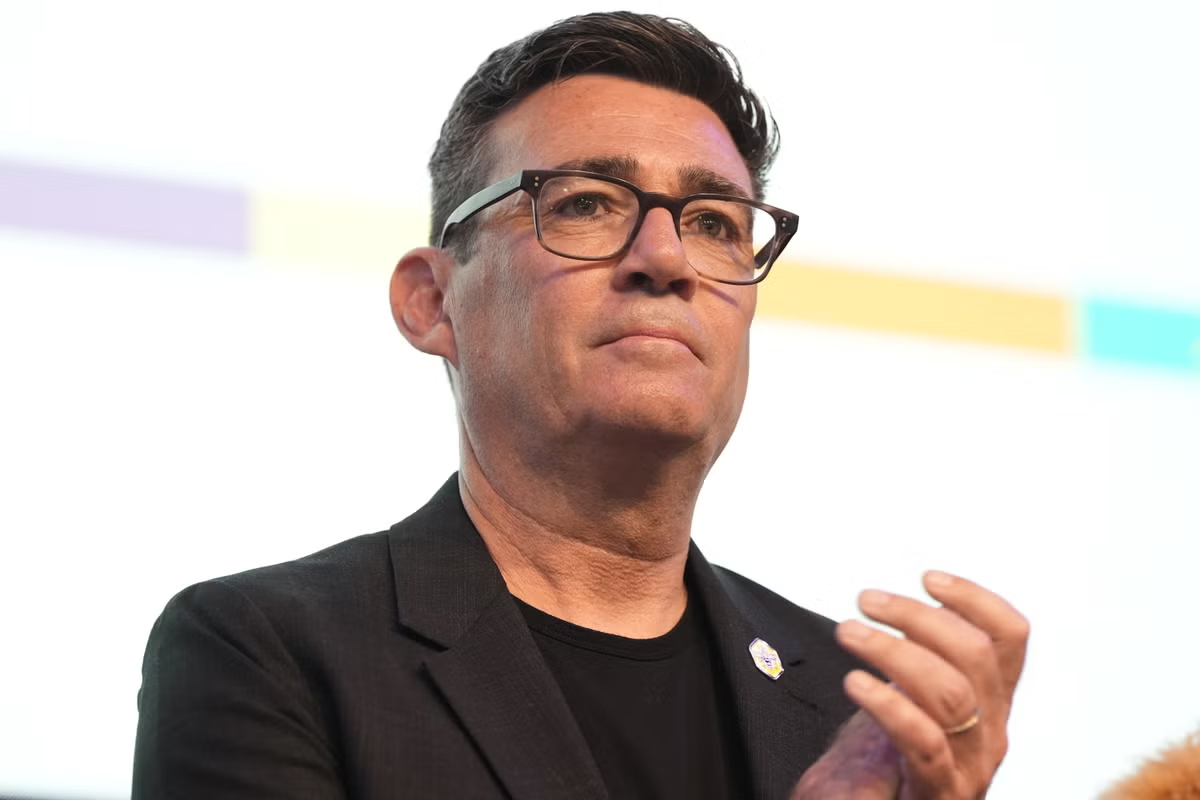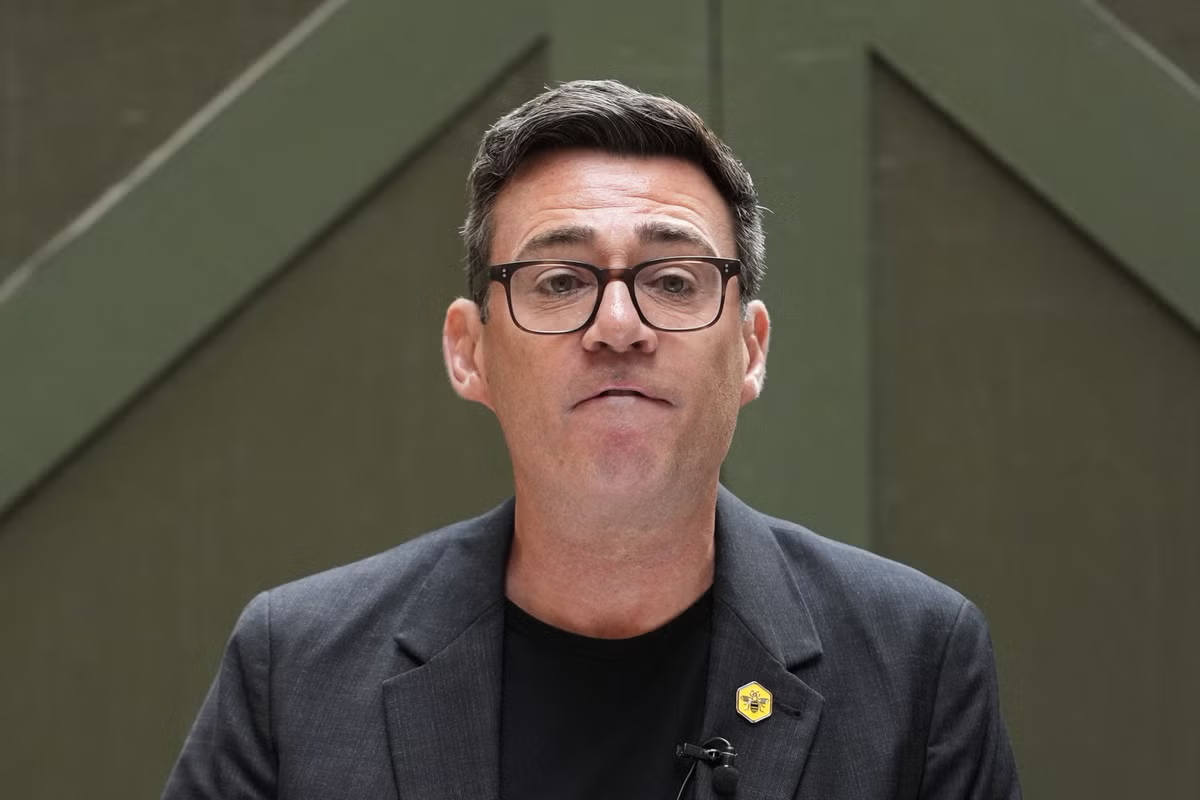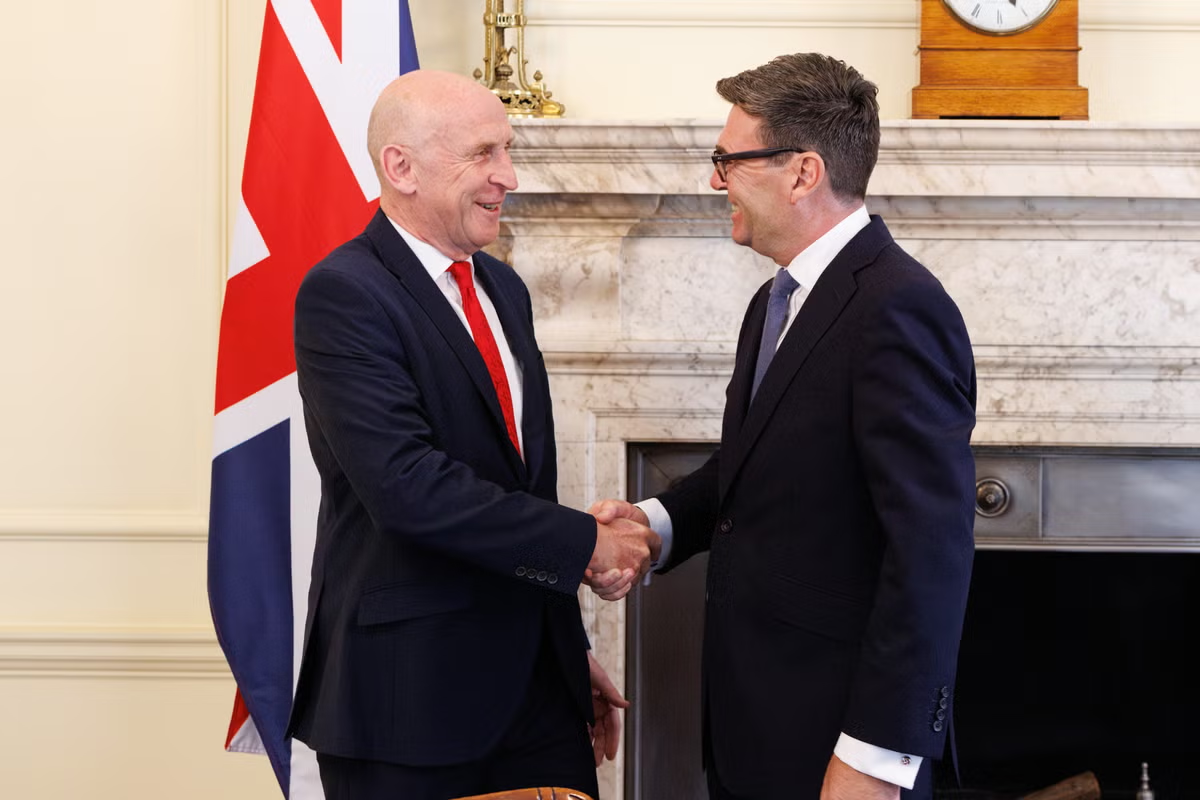
Jump to contentThank you for registeringPlease refresh the page or navigate to another page on the site to be automatically logged inPlease refresh your browser to be logged inAllNewsSportCultureLifestyleNew prime minister Andy Burnham has not committed to increasing defence spending to 3 per cent of GDP by 2030, a target previously advocated by his new chancellor, John Healey. John Healey, who resigned as defence secretary in June over insufficient military funding, had pushed for defence spending to rise to 3 per cent of GDP by 2030, up from the planned 2.7 per cent. The government is not considering 'defence bonds' – borrowing specifically for the military – as a solution to fund higher defence spending, despite Healey having previously indicated he would consider them. New defence secretary Wes Streeting signalled that spending could increase under the new government but also stopped short of committing to the 3 per cent target. Mr Streeting affirmed Britain's commitment to international obligations, including spending 3.5 per cent of GDP on defence by 2035, and emphasised reindustrialisation, innovation, and supporting the armed forces. In fullAndy Burnham fails to commit to Healey’s 3 per cent defence spending demandMore bulletinsThank you for registeringPlease refresh the page or navigate to another page on the site to be automatically logged inPlease refresh your browser to be logged in
Will Andy Burnham commit to key defence spending demand?
Jump to contentThank you for registeringPlease refresh the page or navigate to another page on the site to be automatically logged inPlease refresh your browser to be logged inAllNewsSportCultureLifestyleNew prime minister Andy Burnham has not committed to increasing defence spending to 3 per cent of GDP by 2030, a target previously advocated by his new chancellor, John Healey. John Healey, who resigned as defence secretary in June over insufficient military funding, had pushed for defence spending to rise to 3 per cent of GDP by 2030, up from the planned 2.7 per cent. The government is not considering 'defence bonds' – borrowing specifically for the military – as a solution to fund higher defence spending, despite Healey having previously indicated he would consider them. New defence secretary Wes Streeting signalled that spending could increase under the new government but also stopped short of committing to the 3 per cent target. Mr Streeting affirmed Britain's commitment to international obligations, including spending 3.5 per cent of GDP on defence by 2035, and emphasised reindustrialisation, innovation, and supporting the armed forces. In fullAndy Burnham fails to commit to Healey’s 3 per cent defence spending demandMore bulletinsThank you for registeringPlease refresh the page or navigate to another page on the site to be automatically logged inPlease refresh your browser to be logged in