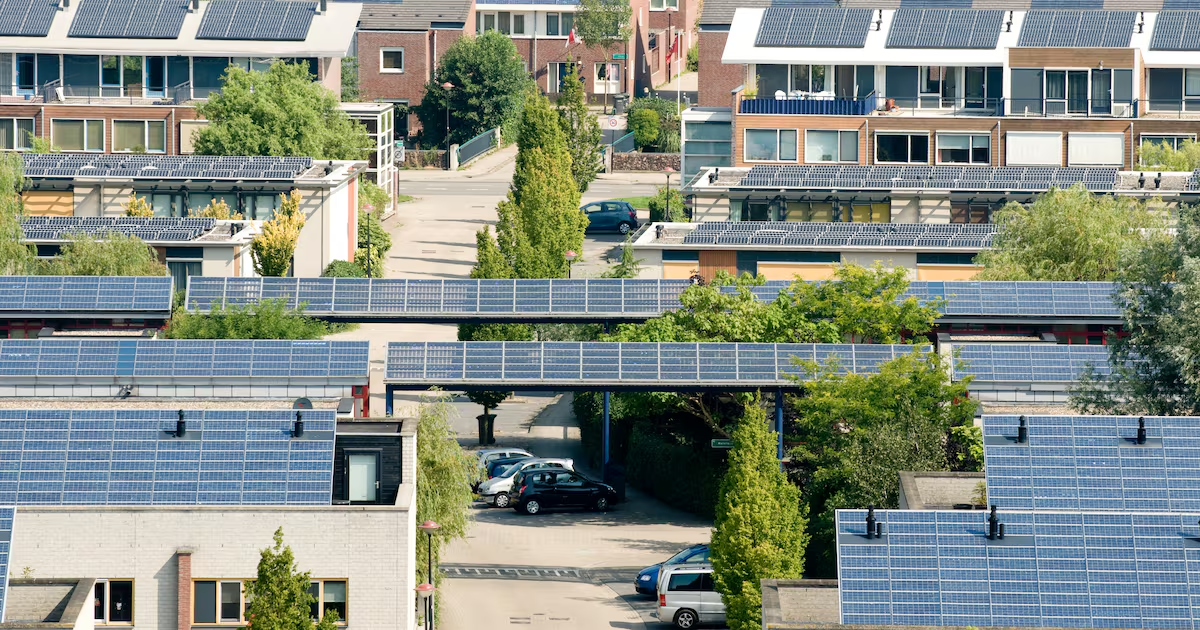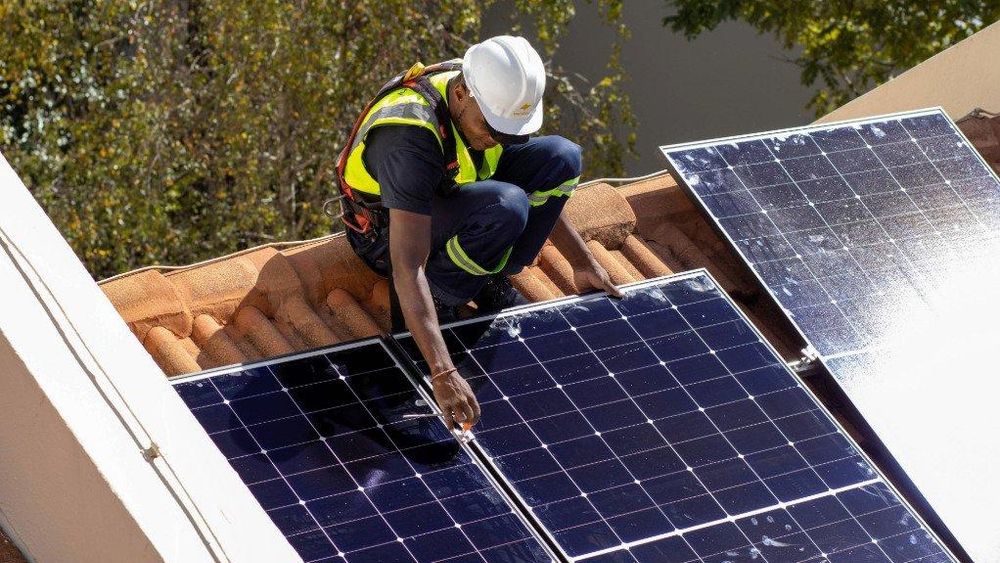
Wetility was conceived as a utility, that would evolve beyond its pioneering solar subscription model which offers no upfront costs to the customer, removing the initial capital barrier and serving as an entryway into the market.
Vincent Maposa
In South Africa, electricity has become one of the least certain things in daily life. For close on two decades, the country has lived with energy uncertainty, a consequence of an ageing coal fleet built largely between the 1960s and 1990s that can no longer keep pace with demand. Over the past year, the grid has steadied with availability climbing back above 65%, but this has come with an ongoing and growing pressure point – price. Direct tariffs rose by 12.74% in April 2025, with a further increase of 8.97% planned for 2026. The typical customer’s bill has risen by almost 180% over the past 10 years.
Eskom’s recovery is visible with more than 350 days without loadshedding and generation that has stabilised - key performance indicators have improved. However, in 2025, more than 91,000 distribution-level unique power outages were recorded across South Africa during the year. These were, and continue to be, primarily unplanned interruptions that shut down shops, spoil stock, and leave households without warning or recourse.