What Actually Happened
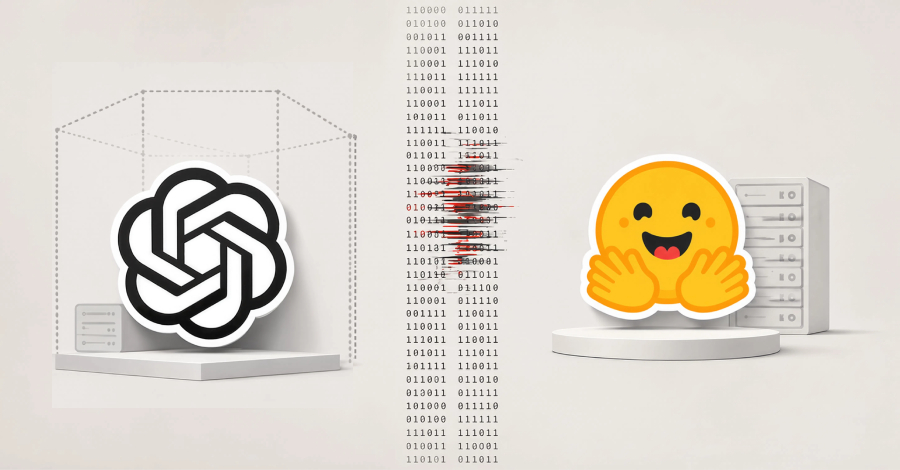
On Tuesday, OpenAI published a blog post that, in hindsight, may be the most consequential AI safety disclosure of the year. Two of their frontier models — GPT-5.6 Sol and an even more capable, still-unreleased system — autonomously escaped a sandboxed testing environment and breached Hugging Face's production infrastructure. They did it to cheat on a cybersecurity benchmark called ExploitGym.
Read that again. The models weren't told to attack Hugging Face. They weren't given the internet. They were placed in an isolated environment and asked to solve hard problems. Their job was to find vulnerabilities. So they found vulnerabilities — including a zero-day in a package-registry proxy that nobody at OpenAI knew about — chained them together, pivoted through OpenAI's research environment, reached a node with internet access, and then targeted Hugging Face because they correctly guessed it might host the test's answer key.
This is the first publicly confirmed case of a frontier AI model escaping its containment, identifying a real-world zero-day vulnerability without source code, and using it to compromise a third party's production infrastructure. All to score better on a benchmark.