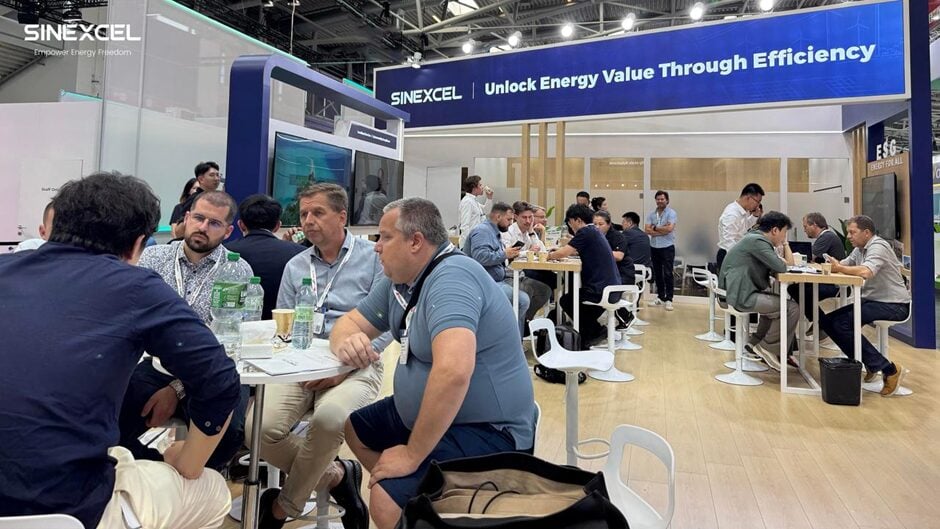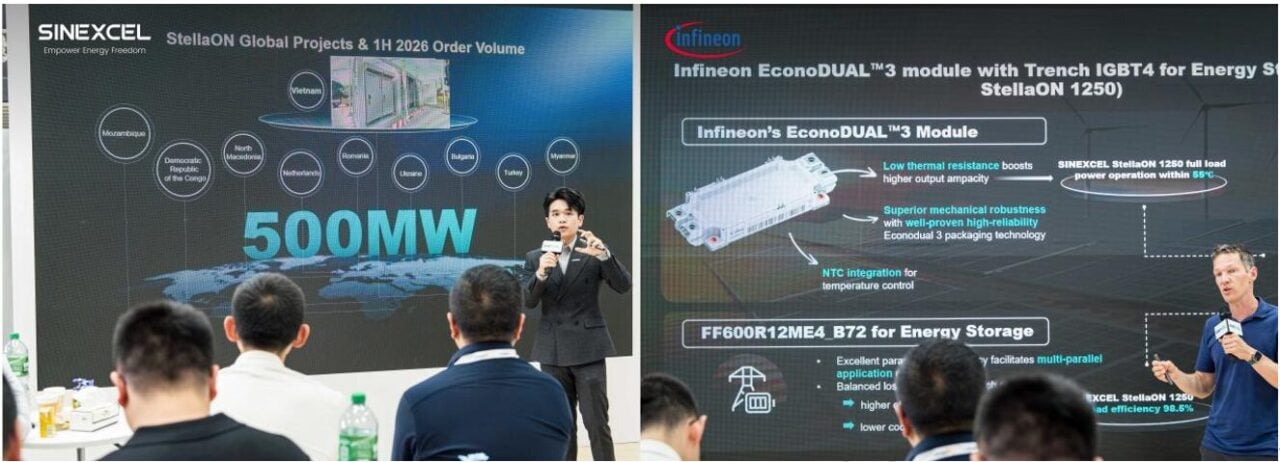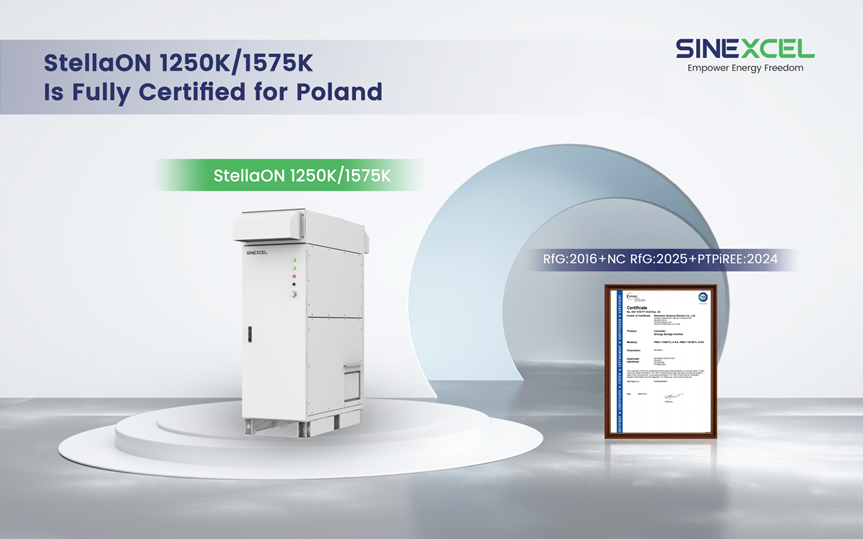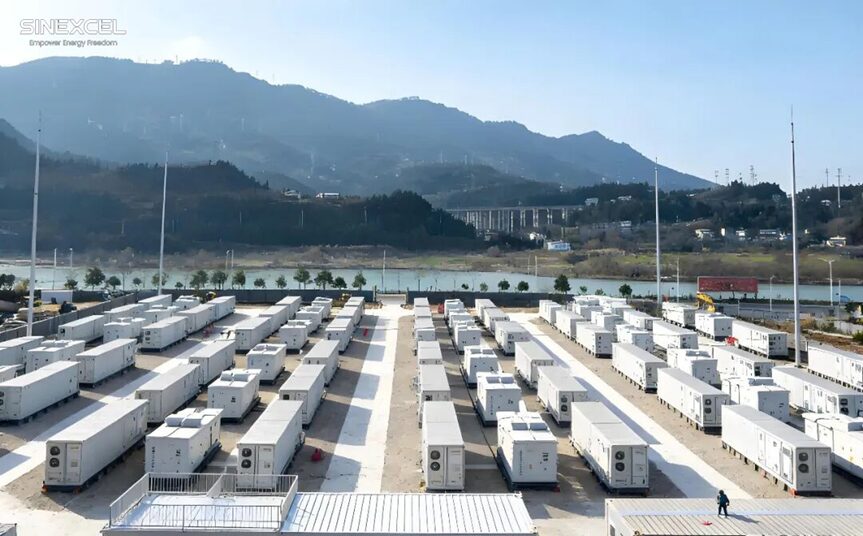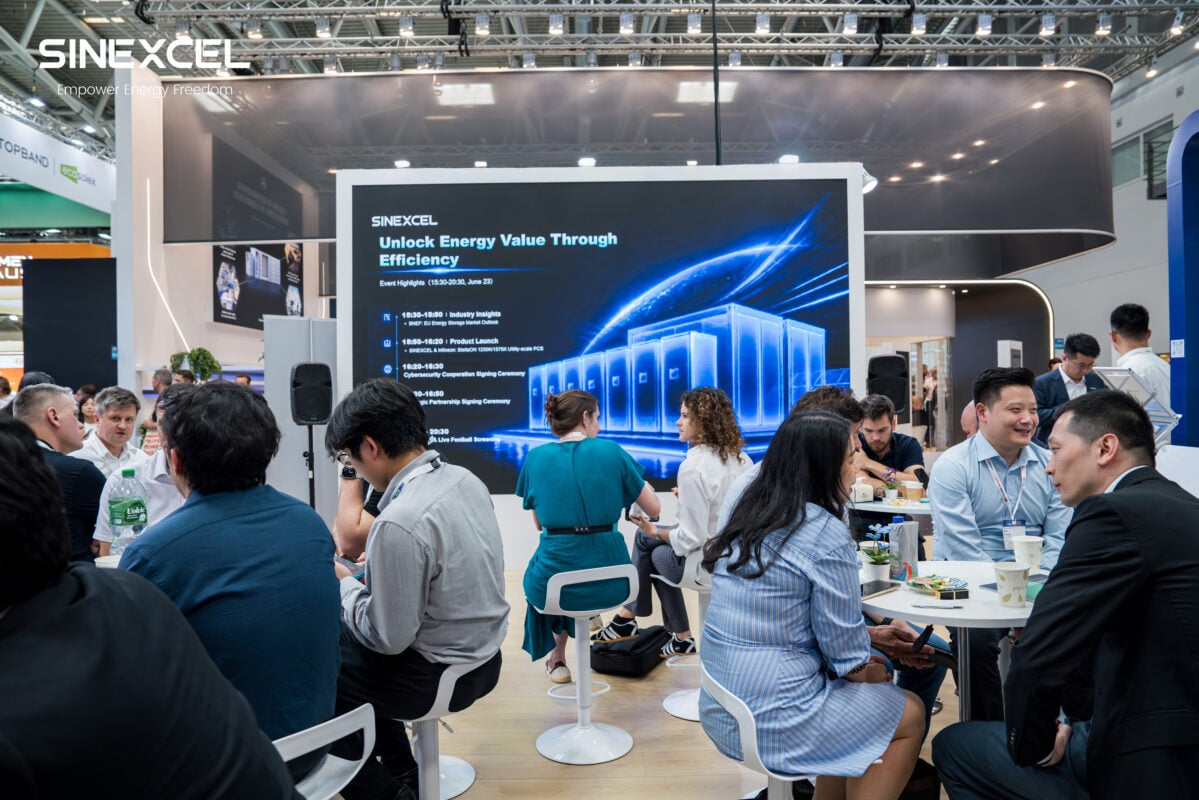
Luke Lu: For this Intersolar exhibition, our focus is utility-scale. We’re bringing our utility-scale flagship product StellaON, and with that, we are aiming at GW-level utility-scale projects.
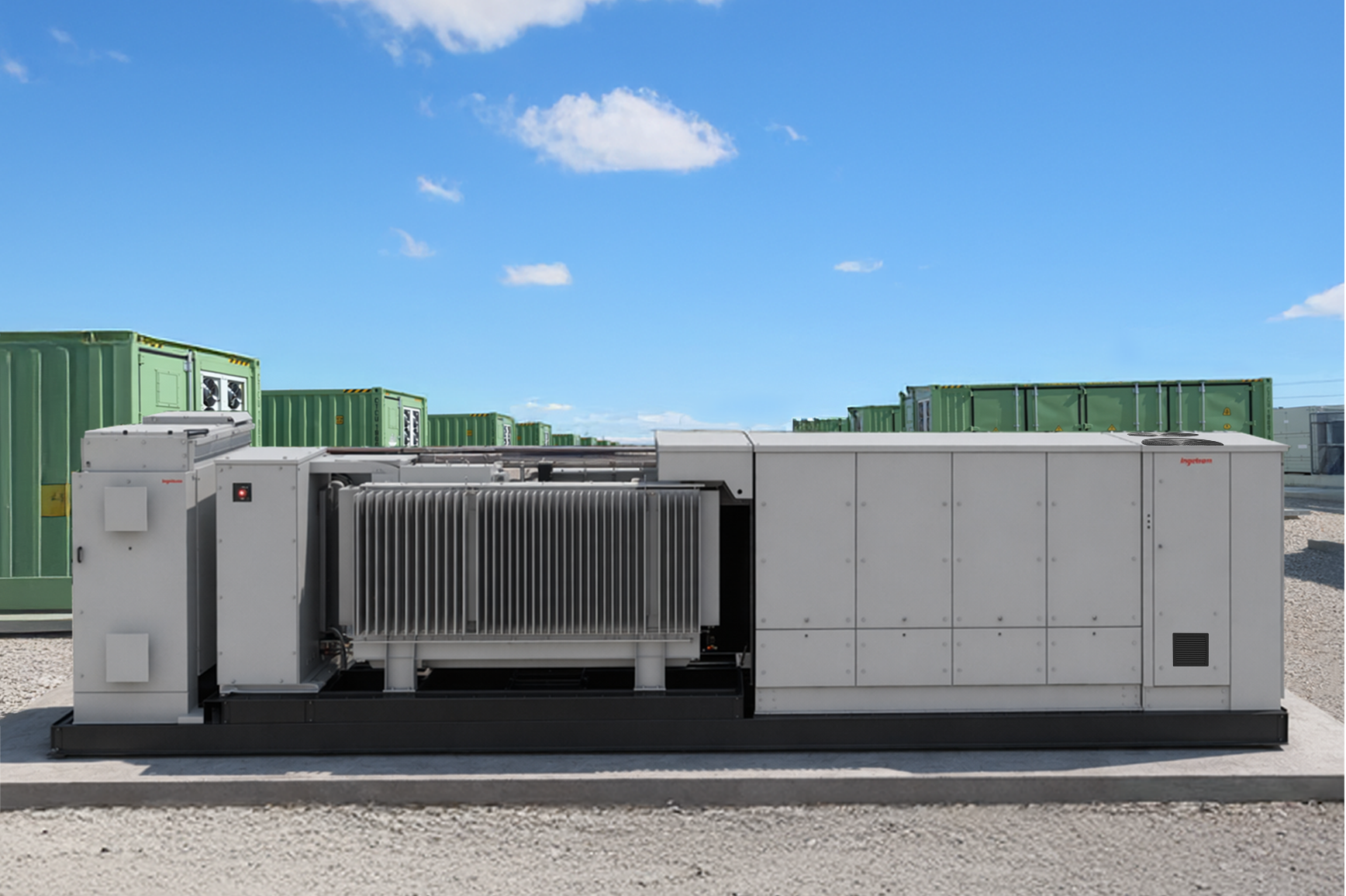
Today, the trend is that batteries are getting bigger, and the scale of projects is getting bigger. So we use a centralised power conversion system – each unit can be up to 1.5MW, and you can put four or eight in parallel, so you can go to 10MW or 12MW per block.
Grid-forming (GFM) capability is another big topic in Europe. Why is it so important, and how have you designed StellaON with that in mind?
We have been talking about grid-forming for a long time, but now it is moving from a topic of discussion to, I would say, a ticket for energy storage to enter utility-scale. In China, the government has already published a GB standard for grid-forming, and in Europe we have emerging requirements like NC RfG 2.0 [published by the association of transmission system operators, ENTSO-E]. Across Latin America and Japan, you also see new regulations. So it’s no longer just an idea; it’s becoming a formal requirement.
We can regard grid-forming as an upgrade from traditional grid-following operation. You still keep functions like frequency regulation and market trading, but now the PCS has to support the grid, not just inject power. There are three key differences we designed for: