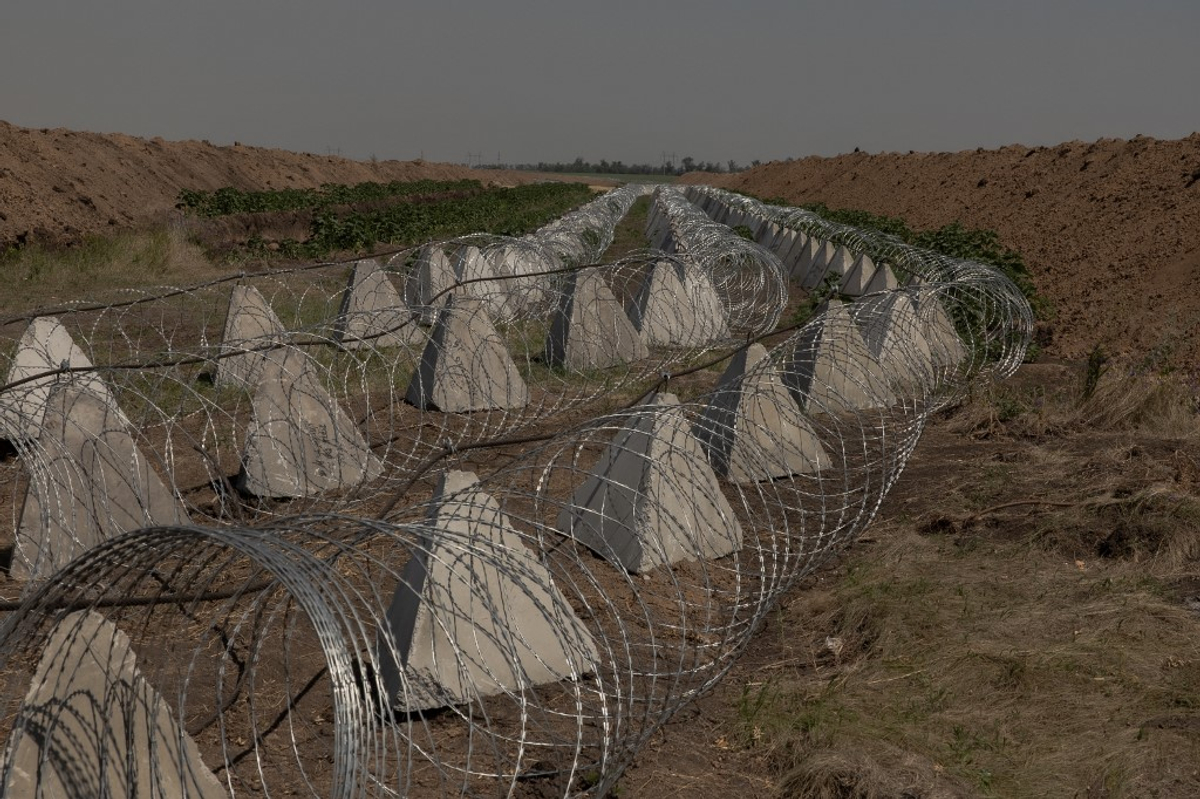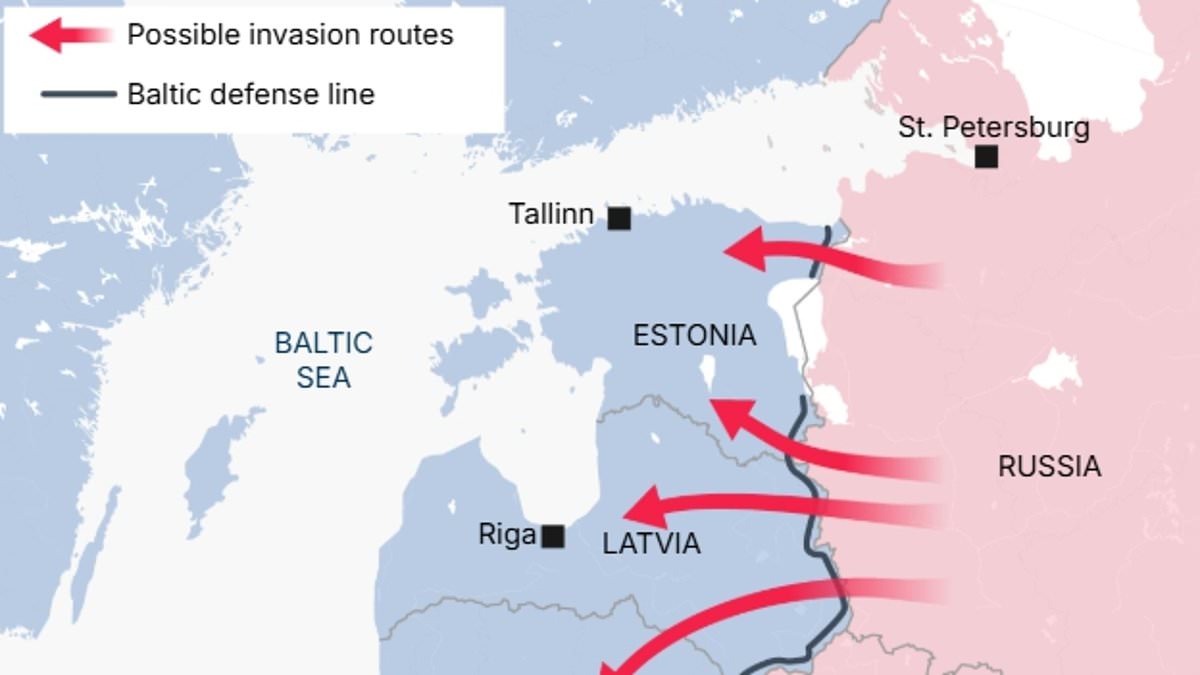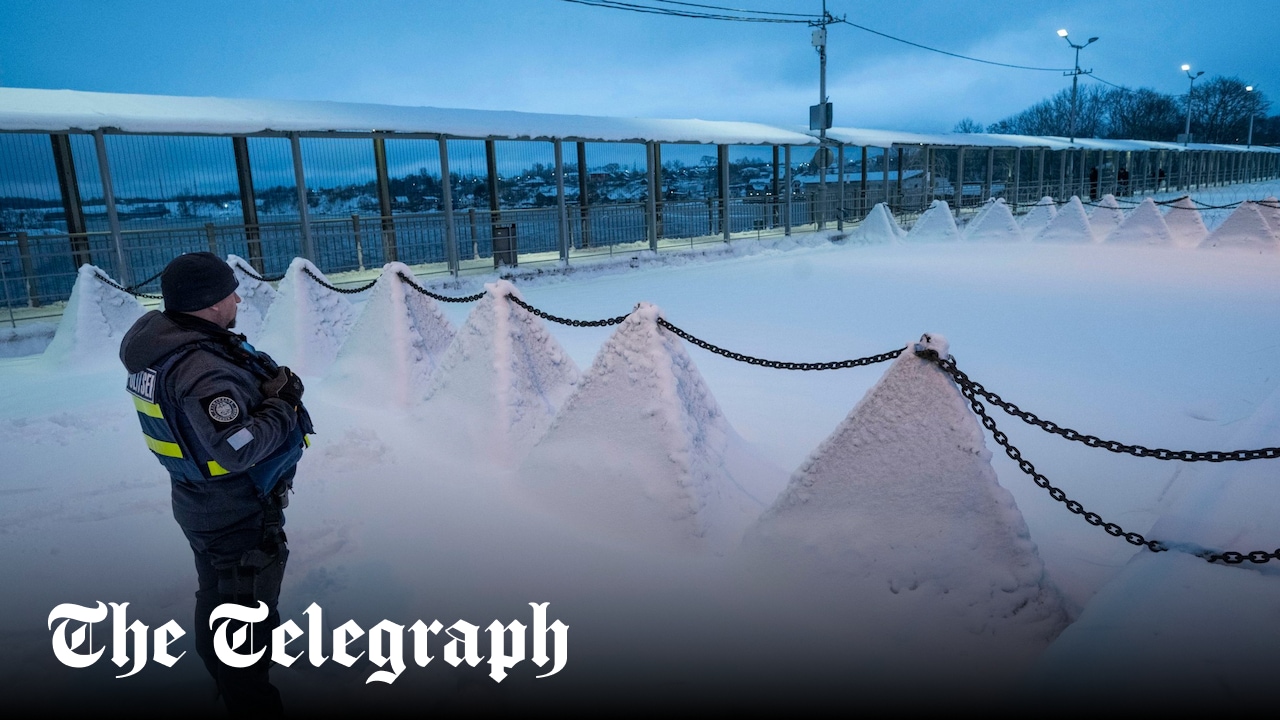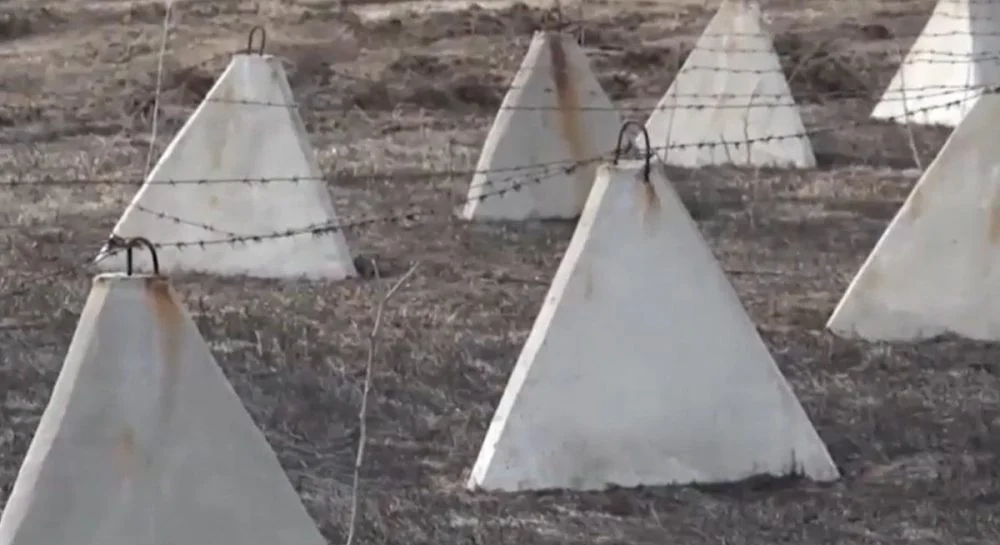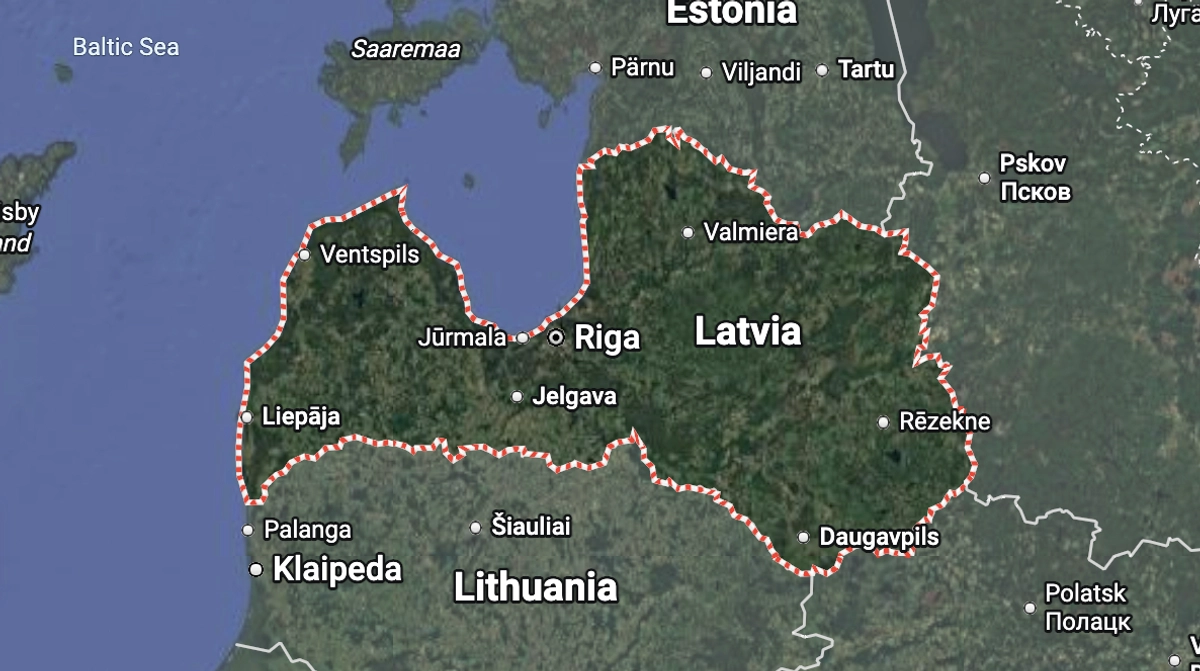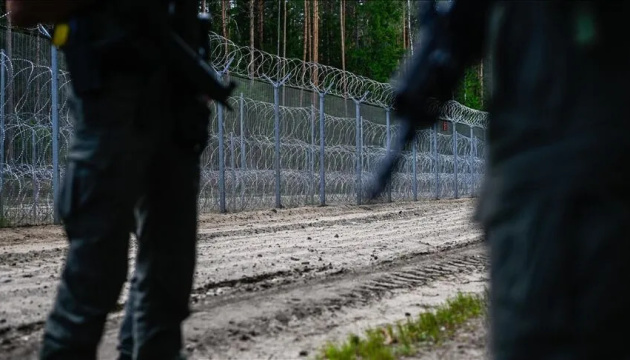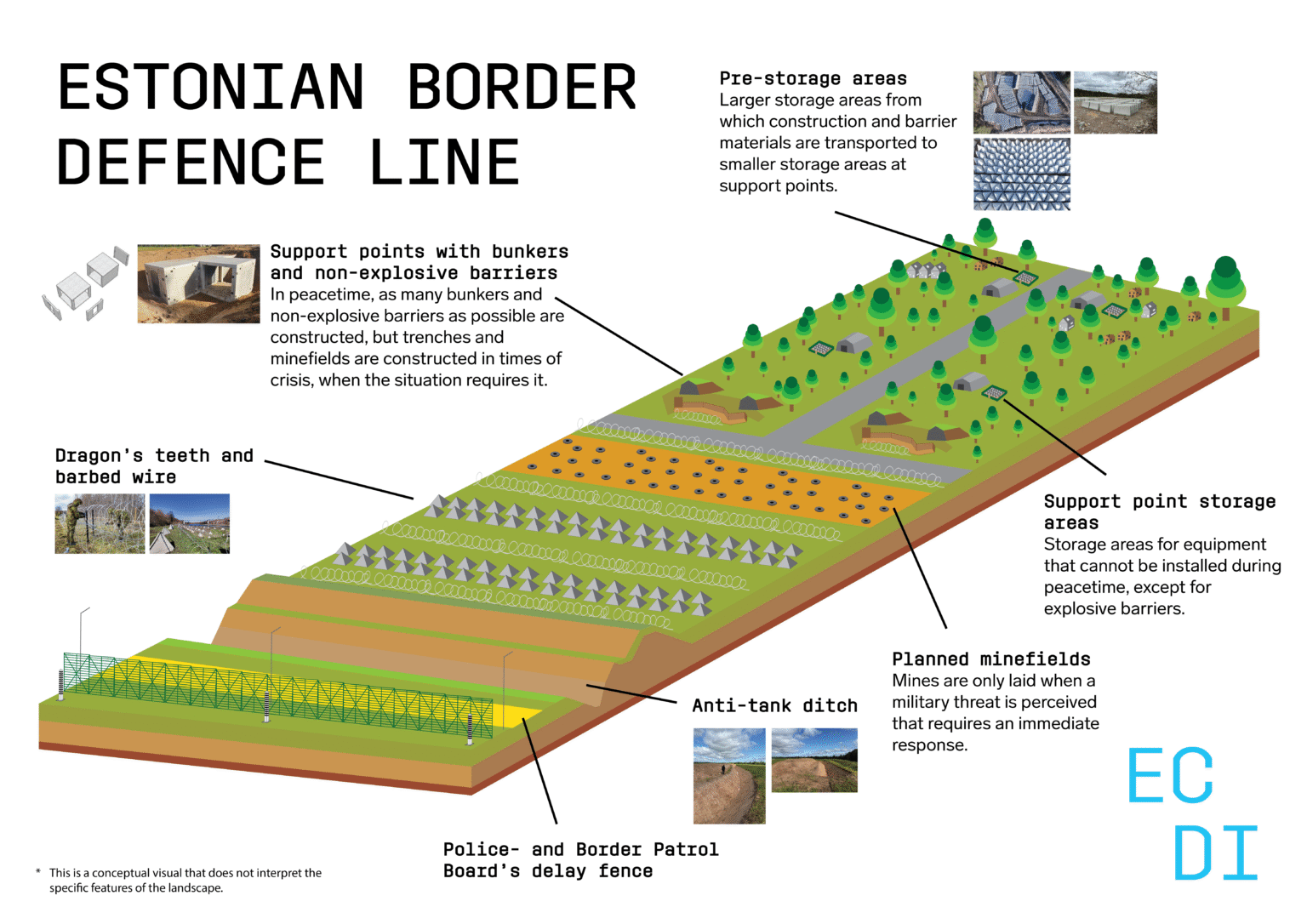
This story is a part of the weekly newsletter about security, defence, and tech in the eastern flank of Nato, How we cee it.Along the Baltics’ 950-km border with Russia, excavators are digging anti-tank trenches and engineers are placing concrete “dragon’s teeth.”
The Baltic Defence Line, which Latvia, Lithuania and Estonia agreed upon two-and-a-half years ago, is beginning to take shape.
The Baltic Defence Line is expected to link with Poland’s East Shield programme, a defence and deterrence project that aims to strengthen security along the country’s northern and eastern borders by 2028.
With Russia for a neighbour, the Baltic states are under mounting pressure. Just last Wednesday (15 July), Lithuania’s president Gitanas Nauseda said intelligence assessments suggest Russia is planning potential attacks on critical infrastructure in the Baltic states or Poland.
The reasoning for building the physical barrier is that the war in Ukraine has shown that taking back already-conquered territory is extremely difficult and comes at great cost in human lives, time and material resources. In addition to equipment, ammunition and manpower, physical installations are needed to defend the countries efficiently.