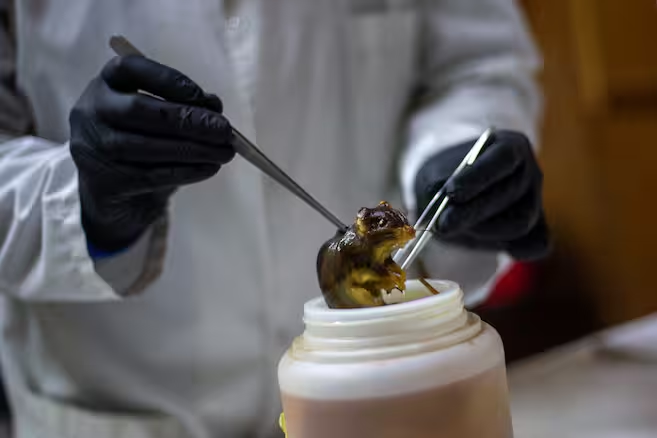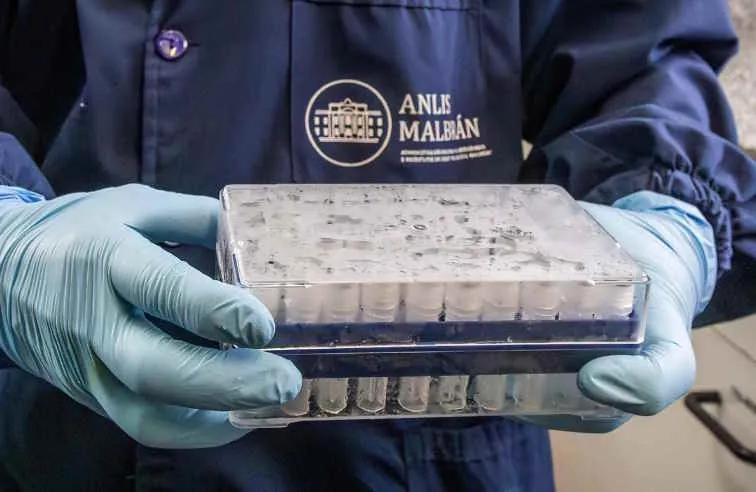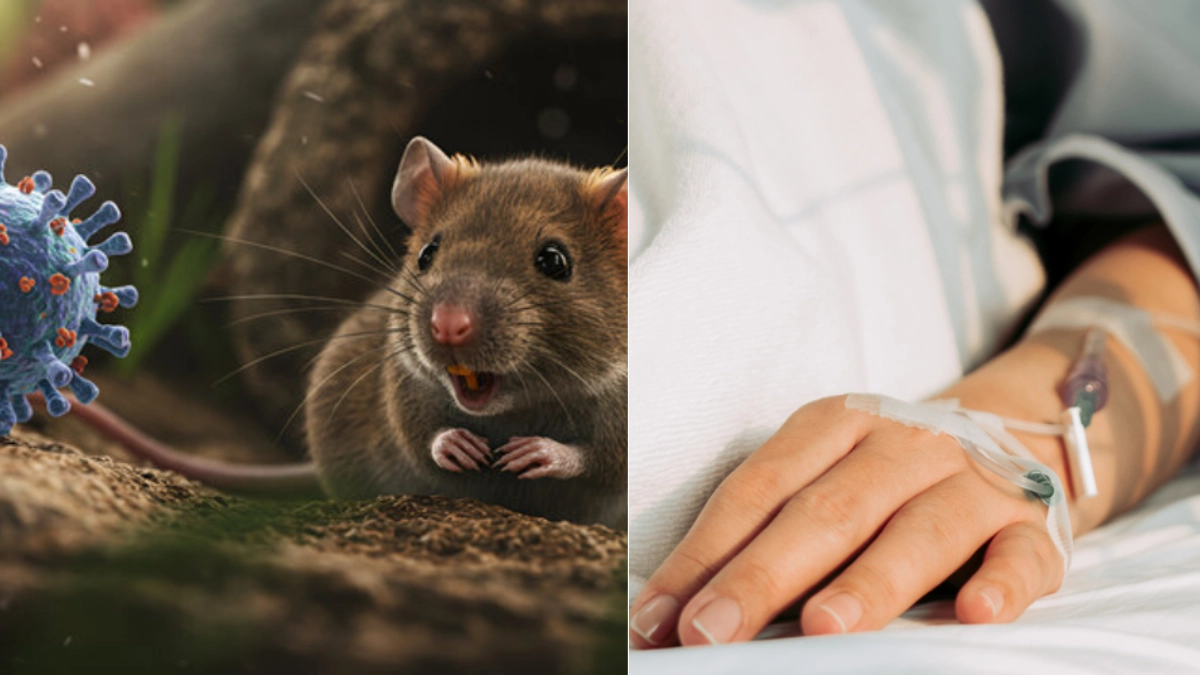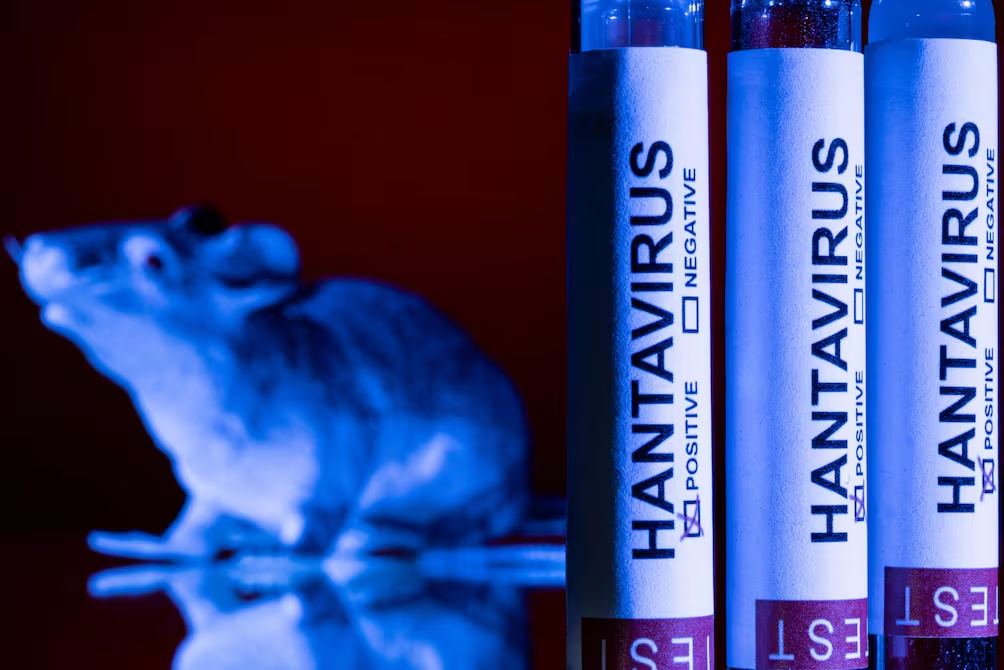
Three people have died in Venezuela from hantavirus infections, authorities confirmed on Tuesday, stressing there was no evidence of human-to-human transmission in the country.Hantavirus was also suspected in the deaths of two health workers in the southwestern state of Barinas, the Health Ministry said, however these cases remain under investigation and were not linked to the three fatalities in the eastern state of Anzoátegui, some 655 kilometres away.The deaths in Anzoátegui and Barinas were described by the ministry as isolated incidents that "do not represent a risk to the general community." Nevertheless, it said health workers will be sent to the affected states to "guarantee the health security of all Venezuelans," without elaborating.A national professional group, The Venezuelan Medical Federation, said the deaths in Anzoátegui were from the same family in the rural municipality of Miranda in the south of the state.Three people died after being exposed to a rare hantavirus strain while on the MV Hondius cruise (Getty)It comes after three people died and 13 were infected after being exposed to a rare hantavirus strain, the Andes virus, while on the MV Hondius cruise. What is hantavirus?Hantavirus is mainly spread by contact with rodents or their urine, saliva or droppings, particularly when the material is disturbed and becomes airborne, posing a risk of inhalation.People are typically exposed to hantavirus around their homes, cabins or sheds, especially when cleaning out enclosed spaces with little ventilation or going into areas where there are mouse droppings.Hantavirus is “such a severe disease” there are global efforts to try and develop vaccines against it, according to Professor Robin May, chief scientific officer at the UK Health Security Agency (UKHSA). The virus is widespread around the world.“The Andean strain, is the only one for which there is some evidence in the past of human-to-human transmission,” he told BBC Breakfast.The US Centers for Disease Control and Prevention began tracking the virus after a 1993 outbreak in the Four Corners region – the area where Arizona, Colorado, New Mexico and Utah meet.It was a doctor with the Indian Health Service who first noticed a pattern of deaths among young patients, said Michelle Harkins, a pulmonologist with the University of New Mexico Health Sciences Center who for years has been studying the disease and helping patients.The US Centers for Disease Control and Prevention began tracking the virus after a 1993 outbreak (Reuters)Most US cases are in Western states. New Mexico and Arizona are hotspots, Dr Harkins said, likely because the odds are greater for mouse-human encounters in rural areas.Symptoms of hantavirusAn infection can rapidly progress and become life-threatening. Experts say it can start with symptoms that can include:Fever Chills Muscle aches Headache “Early in the illness, you really may not be able to tell the difference between hantavirus and having the flu,” said Dr Sonja Bartolome of UT Southwestern Medical Center in Dallas.Symptoms of hantavirus pulmonary syndrome usually show between one and eight weeks after contact with an infected rodent. As the infection progresses, patients might experience tightness in the chest as the lungs fill with fluid.Hantavirus is mainly spread by contact with rodents or their urine, saliva or droppings (AFP/Getty)The other syndrome caused by hantavirus — haemorrhagic fever with renal syndrome — usually develops within a week or two after exposure.Death rates vary depending on which hantavirus causes the illness. Hantavirus pulmonary syndrome is fatal in nearly 40 per cent of people infected, while the death rate for haemorrhagic fever with renal syndrome varies from 1 per cent to 15 per cent of patients, according to the CDC.How to prevent hantavirusThere is no specific treatment or cure, but early medical attention can increase the chance of survival.Despite years of research, Dr Harkins said many questions have yet to be answered, including why the illness can cause mild symptoms for some people and very severe symptoms for others. She and other researchers have been following patients over long periods of time in hopes of finding a treatment.“A lot of mysteries,” she said, noting that what researchers do know is that rodent exposure is a key.Health officials previously assured the public that there was no risk of a global outbreak following the MV Hondius cruise passengers’ disembarkation (AFP/Getty)The best way to avoid infection is to minimise contact with rodents and their droppings, and use protective gloves and a bleach solution for cleaning up rodent droppings.Public health experts caution against sweeping or vacuuming, which can cause the virus to get into the air.How is hantavirus different from Covid?Unlike Covid, most hantaviruses do not spread between humans, although person-to-person transmission is possible.Health officials previously assured the public that there was no risk of a global outbreak following the MV Hondius cruise passengers’ disembarkation.The chief of the WHO, Tedros Adhanom Ghebreyesus, said: “This is not another Covid. The current public health risk from hantavirus remains low. My colleagues and I have said this unequivocally, and I will say it again to you now.”
What is Hantavirus? All you need to know as three dead in Venezuela
Most hantaviruses do not spread between humans, although person-to-person transmission is possible
821 words~4 min read