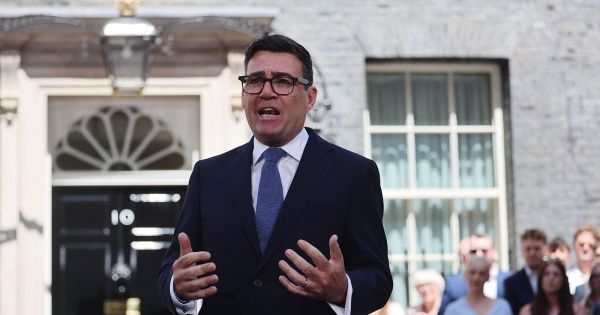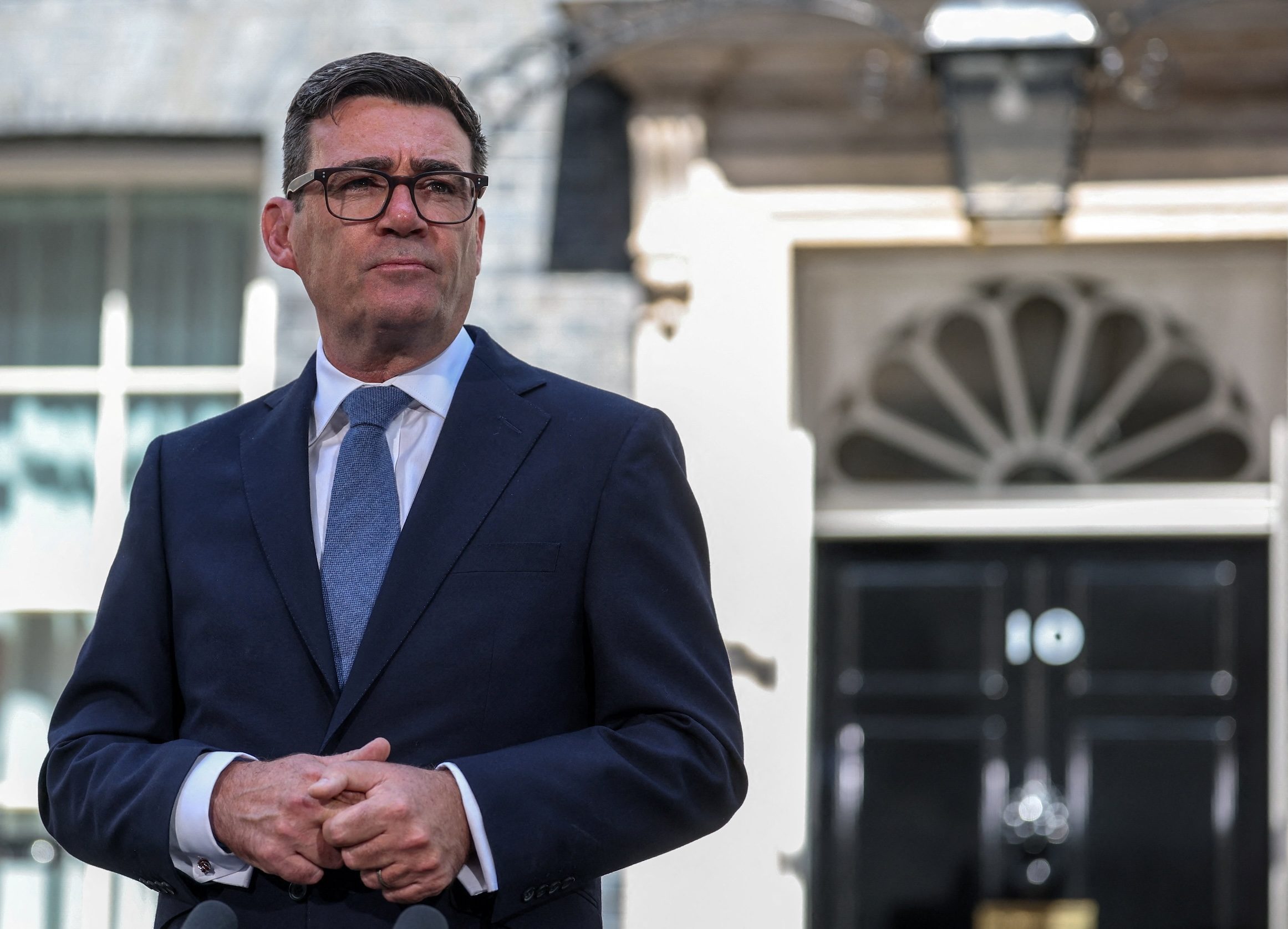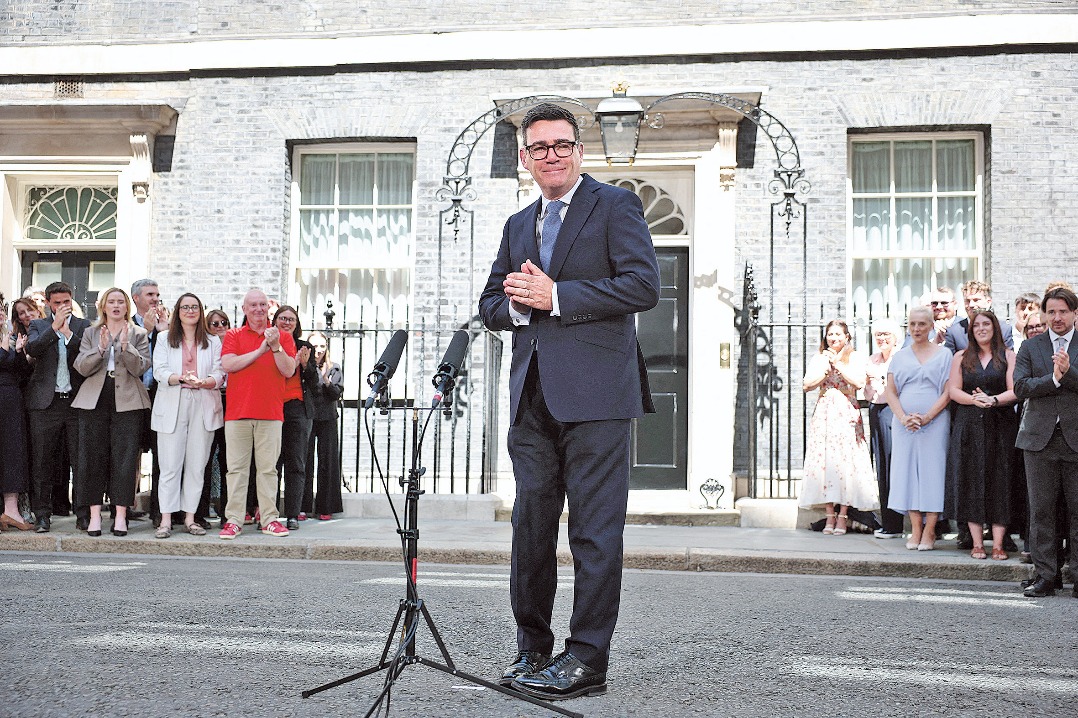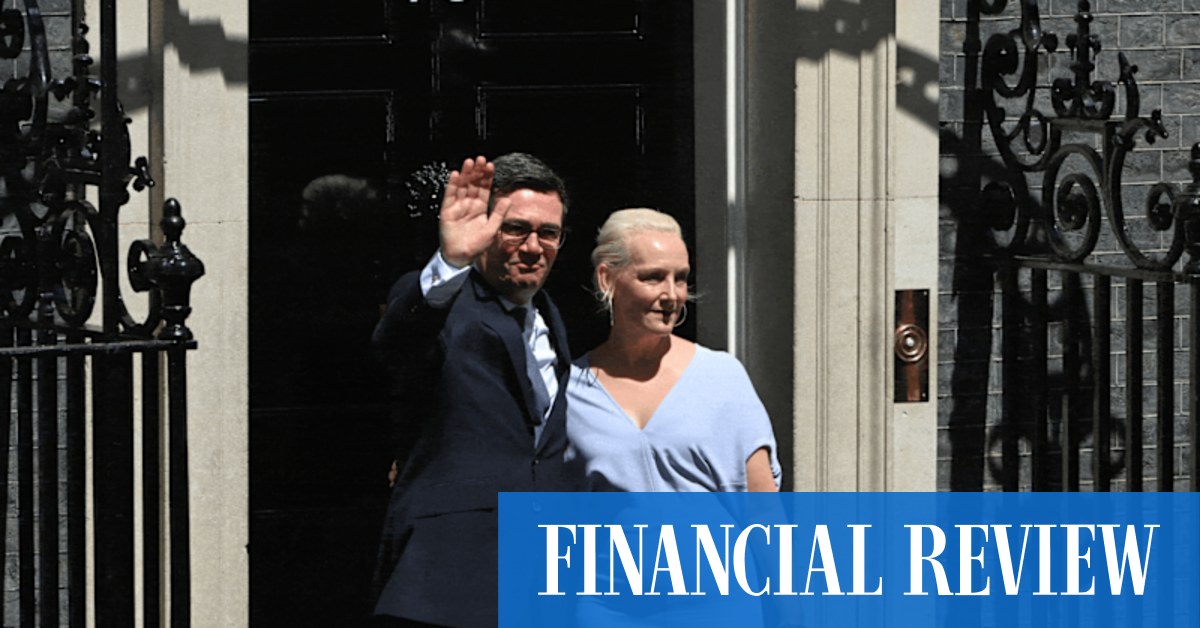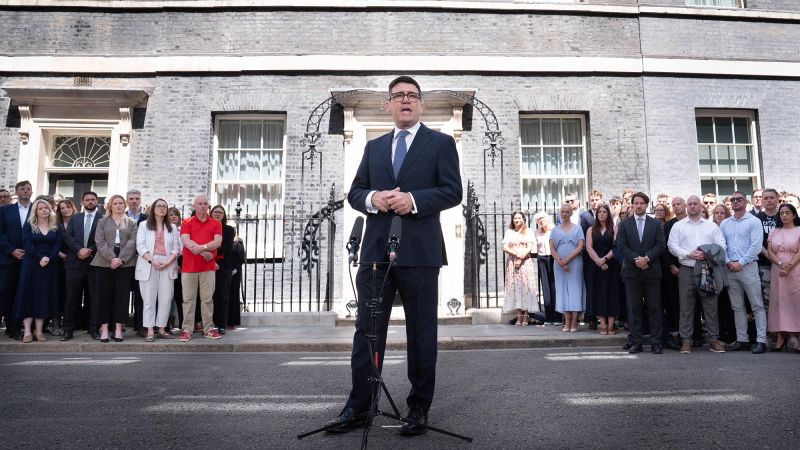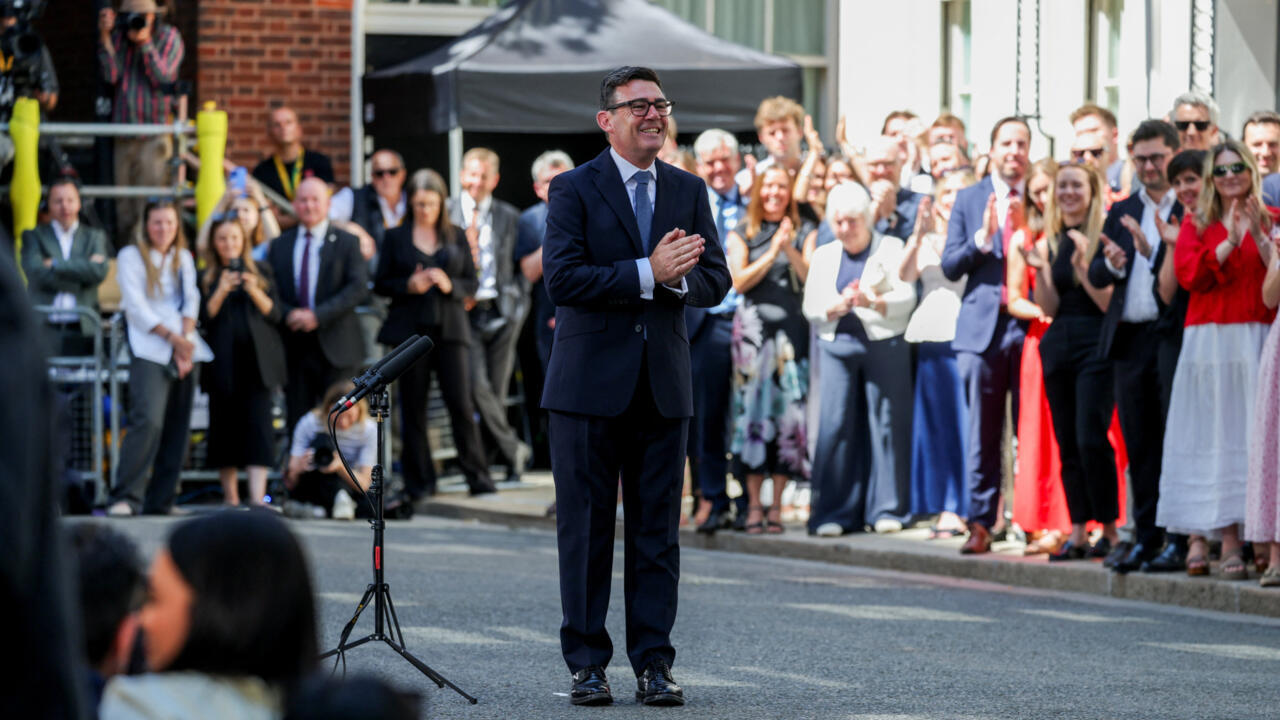
Andy Burnham delivers his first speech as British prime minister outside 10 Downing Street in London, Britain, July 20, 2026. (Xinhua/Li Ying)Analysts have said the decision by British Prime Minister Andy Burnham to appoint experienced and relatively cautious figures to key economic and security posts indicates an effort to reassure financial markets, contain divisions within the ruling Labour Party and avoid an abrupt break with the previous government.LONDON, July 21 (Xinhua) -- British Prime Minister Andy Burnham entered 10 Downing Street on Monday promising to break with four decades of centralized politics and economic orthodoxy, but his first Cabinet suggests the changes will be pursued within tight fiscal and political constraints.Burnham said his government will devolve more power to cities and regions, revive industry, strengthen public control over essential services and work with businesses to promote regional growth. The agenda draws heavily on the model he developed as mayor of Greater Manchester.However, analysts said his decision to appoint experienced and relatively cautious figures to key economic and security posts indicates an effort to reassure financial markets, contain divisions within the ruling Labour Party and avoid an abrupt break with the previous government.British scholar Martin Jacques told Xinhua that Burnham was probably "the best choice available," citing his record as mayor of Greater Manchester.Jacques said Burnham appeared determined to move away from the economic approach associated with former prime ministers Margaret Thatcher and Tony Blair and break with neoliberalism. However, Burnham has said little about foreign policy, making his positions on major international issues difficult to assess, Jacques said.FROM MANCHESTER TO DOWNING STREETIn his first speech outside 10 Downing Street, Burnham noted that he was Britain's seventh prime minister since 2016 and acknowledged that politicians had "not been good enough."Andy Burnham delivers his first speech as British prime minister outside 10 Downing Street in London, Britain, July 20, 2026. (Xinhua/Li Ying)He pledged to make his premiership a "circuit breaker for Britain" and deliver "the biggest changes in the last 40 years" through "a new political model and a new economic model."Burnham said policies pursued since the 1980s had concentrated political power in London, weakened industrial regions and left many communities unable to reverse long-term decline.He said his government would transfer more authority to local areas, strengthen public control over essential services and use public procurement to support British industry. A 10-year national plan is expected later this year.The program draws heavily on Burnham's experience in Greater Manchester, where local authorities have gained greater influence over transport, housing and economic development.Before taking office, Burnham proposed establishing a "No. 10 North" office in Manchester to help coordinate the transfer of power from Whitehall to cities and regions.His first instruction as prime minister was to launch a national drive to end long-term rough sleeping. He also said the government would introduce measures to ease living costs, with bus fares, energy bills, housing and youth employment among the priorities.Rain Newton-Smith, chief executive of the Confederation of British Industry, said Burnham had demonstrated in Greater Manchester that he could work with businesses to strengthen communities and support growth."It's a way of working he will now need to replicate nationwide, while maintaining fiscal credibility, investor confidence and delivery discipline," she said.Newton-Smith added that measures to ease household living costs should be accompanied by policies to reduce business costs and encourage investment.CHANGE UNDER PRESSUREBurnham appointed former Defense Secretary John Healey as chancellor of the exchequer, an unexpected choice for a government promising higher public investment and stronger public services.Andy Burnham and his wife receive greetings from the crowd outside 10 Downing Street in London, Britain, July 20, 2026. (Xinhua/Li Ying)Ed Miliband became foreign secretary, Wes Streeting was appointed defense secretary, and Louise Haigh, a close Burnham ally, took a senior role in the Cabinet Office. Several figures closely associated with former Prime Minister Keir Starmer left the government, while other experienced ministers remained.The Financial Times described Healey as a steady figure with ties to both business and trade unions. A former junior Treasury minister, Healey faces the challenge of funding Burnham's domestic agenda while addressing a multibillion-pound shortfall in the defense budget.The appointments point to a more social democratic direction, tempered by Burnham's commitment to retain existing fiscal rules and avoid unsettling financial markets.Jonathan Reynolds was appointed to oversee business, trade, science and innovation. Kanishka Narayan became minister for artificial intelligence and will attend Cabinet meetings, giving the issue a more prominent role in economic and industrial policy.Whether the government can translate those changes into tangible results remains the key test.Andy Burnham waves to the crowd outside 10 Downing Street in London, Britain, July 20, 2026. (Xinhua/Li Ying)Jonathan Tonge, a professor of politics at the University of Liverpool, said Burnham entered Downing Street with considerable goodwill, but "the economic facts have not changed."High spending on welfare and pensions, together with public debt and interest payments, would limit Burnham's room for maneuver and could shorten the government's political honeymoon, Tonge said.Steven Lynch, director of international trade at the British Chambers of Commerce, said Burnham's emphasis on devolution and reindustrialization would raise expectations that government policies deliver more investment, exports and jobs across Britain.Neil Carberry, chief executive of the Recruitment and Employment Confederation, warned that business support would fade without concrete action. He said recent policies had increased costs and discouraged hiring, and urged the government to reduce barriers to employment and private investment."The government cannot solve all the problems we face, but it can create an environment that enables the private sector to play a much bigger role," Carberry said. ■
Burnham gov't signals break with old model, faces test of delivery
Burnham gov't signals break with old model, faces test of delivery-
922 words~4 min read