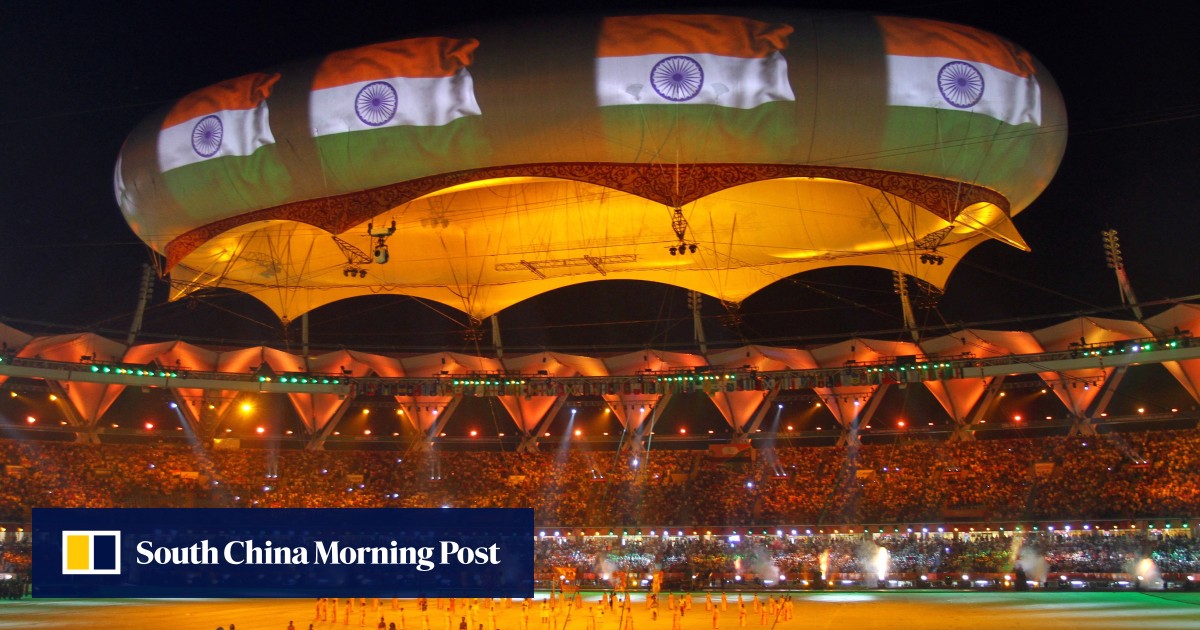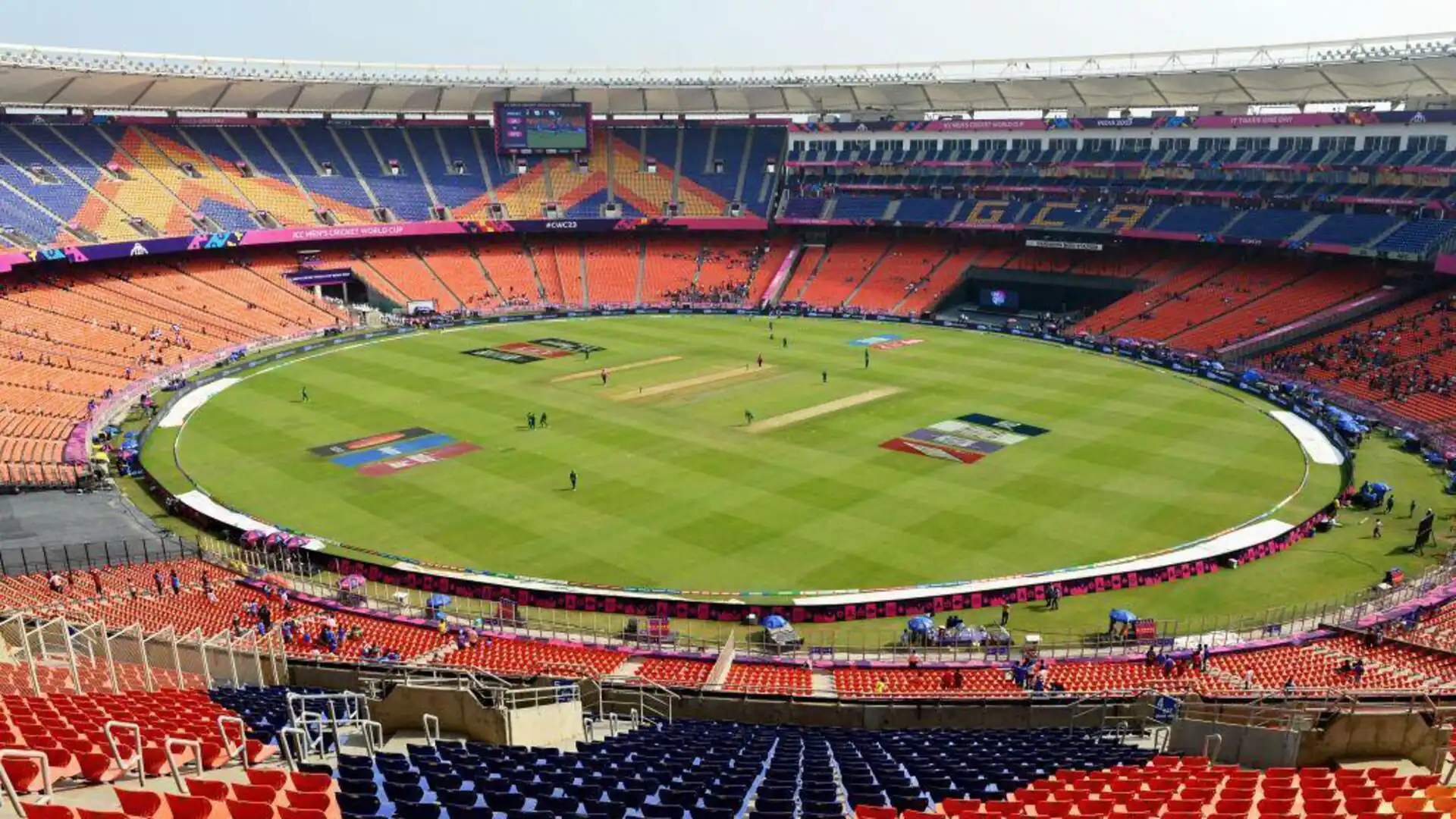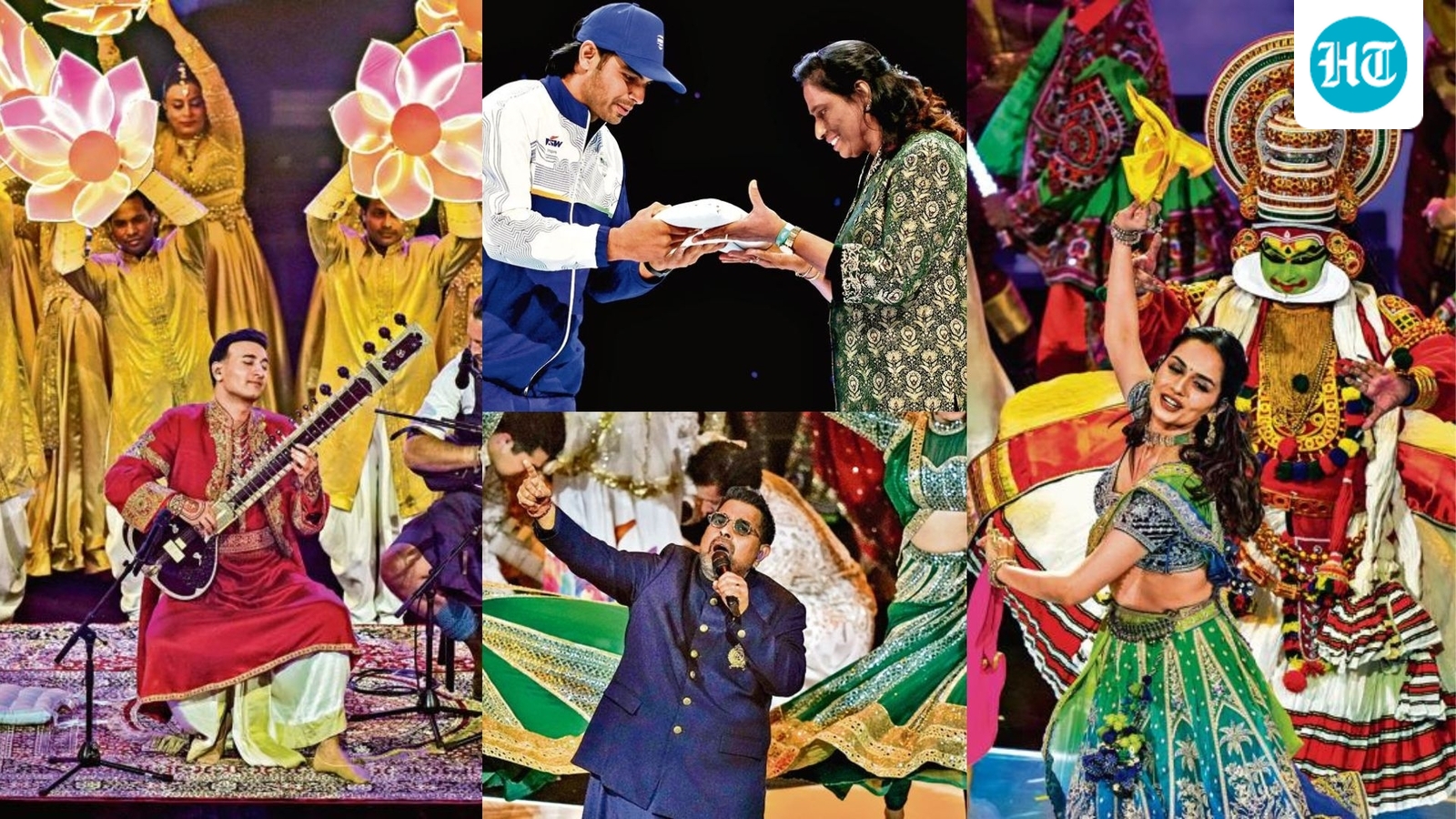
Ahmedabad's world-class sporting infrastructure and India's ability to host the Games without major new construction were decisive factors in the country's successful bid for the centenary 2030 Commonwealth Games, Commonwealth Sport Chief Executive Officer Katie Sadleir has said.India secured the hosting rights for the 2030 Games in November last year after Commonwealth Sport—formerly the Commonwealth Games Federation—adopted its "Games Reset" model, a revamped, lower-cost hosting framework introduced following the Australian state of Victoria's withdrawal from the 2026 edition because of spiralling costs.Sadleir said India's proposal perfectly matched the governing body's new philosophy of relying on existing infrastructure rather than expensive new projects."We were really fortunate having two of our largest members (India and Nigeria) put forward an expression of interest for 2030," Sadleir told PTI."The facilities (in India) were fantastic and the fact that they were up and they were there. So it wasn't about building facilities. The capital investment from the government to have world-class facilities was absolutely outstanding."And I think that the team that they put together in terms of how connected they were and working as one to show how much it meant to them, how much it meant to the government, and the people of India to host the Games."She said India's passion for the Commonwealth Games also strengthened its bid.Though not traditionally regarded as a global sporting powerhouse, India sits fourth on the all-time Commonwealth Games medals table behind Australia, England and Canada, and has consistently ranked among the top-performing nations over the past two decades."The Commonwealth Games is really important for the Indian population. It's been one of our highest-viewed events and, not to undermine anyone, but I know that quite often they think of Commonwealth Games medals in the same kind of stance as they think of Olympic medals."India is also bidding to host the 2036 Olympic Games, and Sadleir said that broader sporting ambition added weight to its Commonwealth Games proposal."They are champions, they are legends and the Commonwealth is so important. So from that perspective, seeing a country that had an aspiration to do both (host the Commonwealth Games and Olympics) is very attractive because it meant that they're really serious about what they're doing in sport."The 2030 Games are also expected to showcase India's traditional sporting heritage, with indigenous disciplines such as kabaddi, kho kho, mallakhamb and yogasana under consideration for inclusion alongside the core sports programme.Sadleir said giving each edition a distinct local identity was central to the Commonwealth Sport model, while stressing that any new disciplines must also develop a competitive international ecosystem beyond India."We do think profiling indigenous sports is really important. The programme of sports for the Games must reflect things that are important to all Commonwealth countries, but there also must be a flavour of the host."There are several sports that they're looking at in terms of additional sports, so there's a bit of work to be done in that area," she said."One of the commitments that we would be looking to see is how does the Commonwealth get up to speed as quickly as possible in those sports?"We would be working with the international federations once they're chosen to work out a programme of bringing other countries into understanding how the sport works, because we can't just have them being competed in by India."The 2030 edition will mark India's second time hosting the Commonwealth Games after New Delhi staged the event in 2010. While that edition was overshadowed in the lead-up by allegations of corruption and delays in infrastructure projects, it was ultimately widely regarded as a successful sporting event.Asked whether the controversies surrounding the 2010 Games figured during the evaluation process, Sadleir said the assessment was based on India's present-day capabilities and the transformation of its sporting landscape over the past decade."Well, first of all, it's been 20 years since the 2010 Games. I have been incredibly fortunate that I've been out to India four times over the last 18 months and have seen the changes that have happened in sport."I wasn't at the 2010 Games but the commitment and the passion of the people in India are at the highest level."I spoke at a conference last year where India's Prime Minister Narendra Modi spoke about the importance of sport and how important hosting things like the Commonwealth Games and the Olympics is, and using sport to actually transform people's lives in India."So I have absolute belief that they're putting together a fantastic team to make sure that these Games are a fantastic celebration of our 100 years."
Ahmedabad's world-class infrastructure sealed India's 2030 CWG bid: Commonwealth Sport CEO
India secured the 2030 Commonwealth Games hosting rights due to its excellent existing infrastructure. Commonwealth Sport CEO Katie Sadleir highlighted India's proposal aligning with the Games Reset model. The nation's strong performance and passion for the Games also strengthened its bid significantly. India's ambition to host the 2036 Olympics further bolstered its Commonwealth Games proposal. Indigenous sports may feature, showcasing India's unique cultural and sporting heritage.
755 words~3 min read