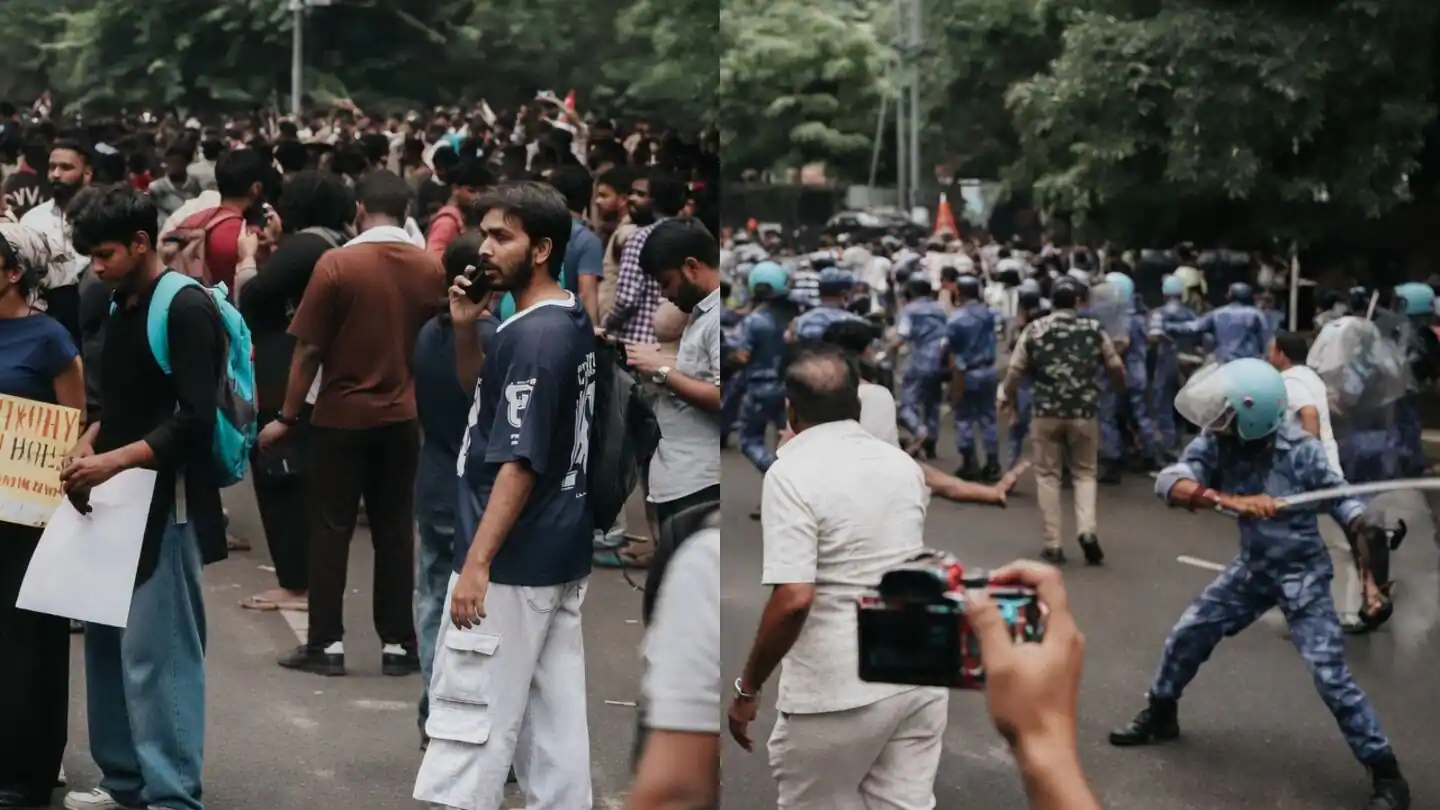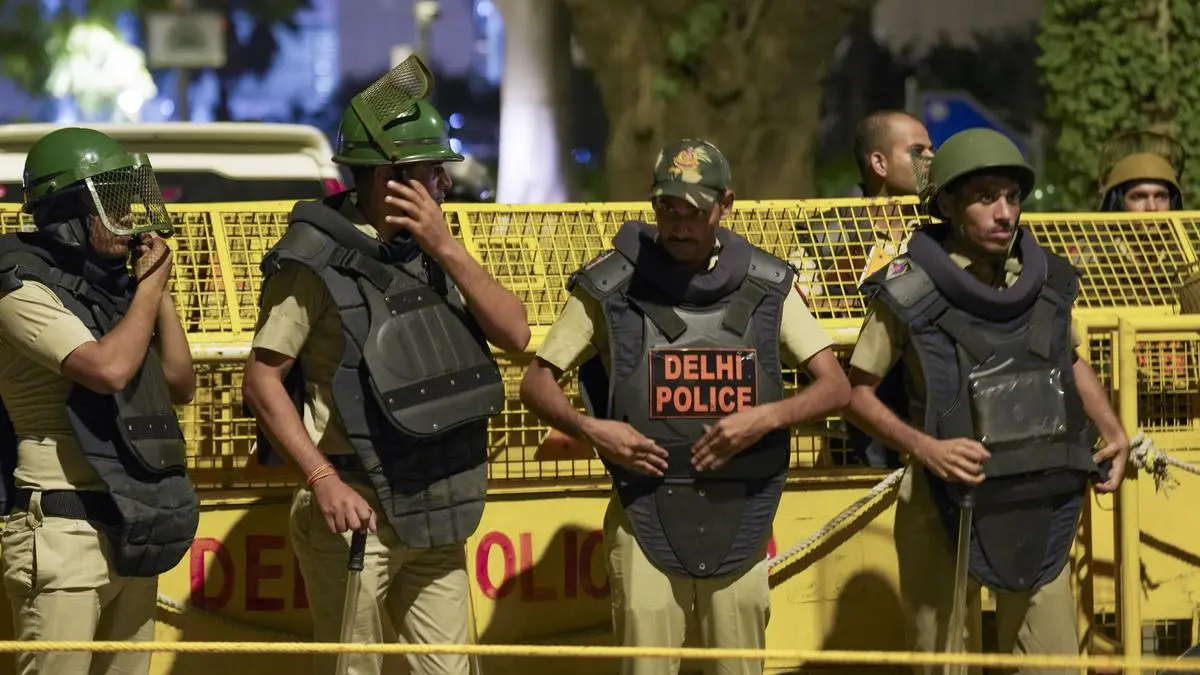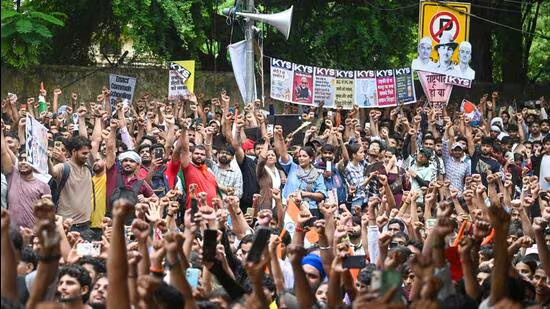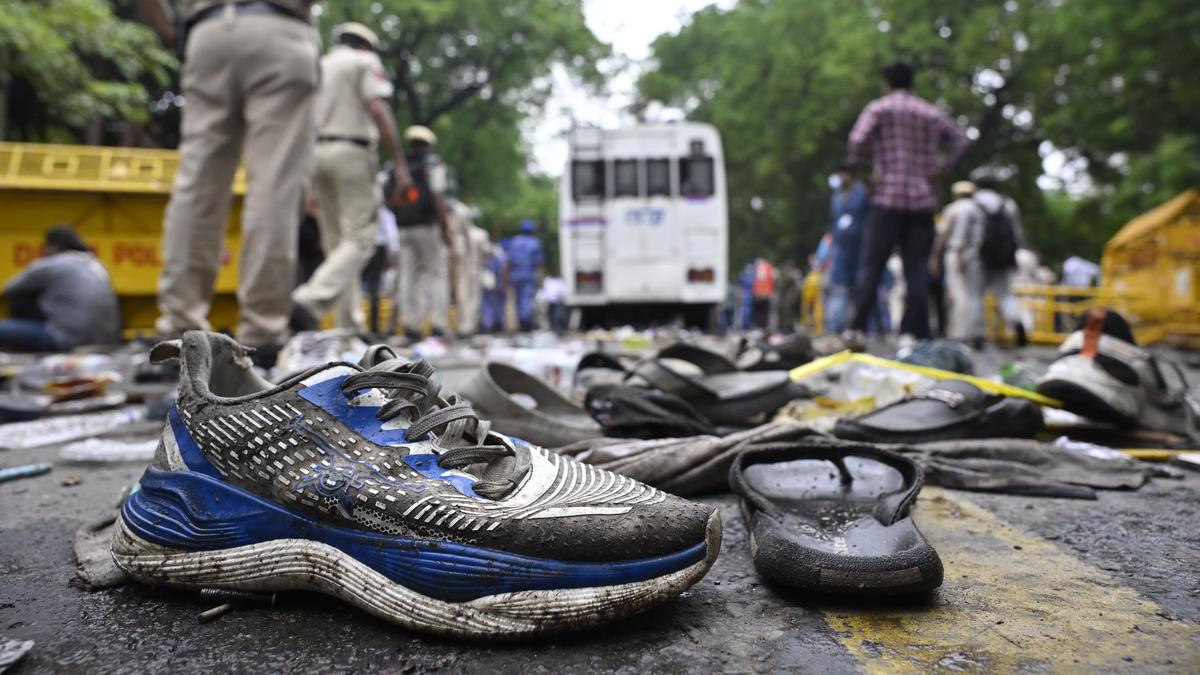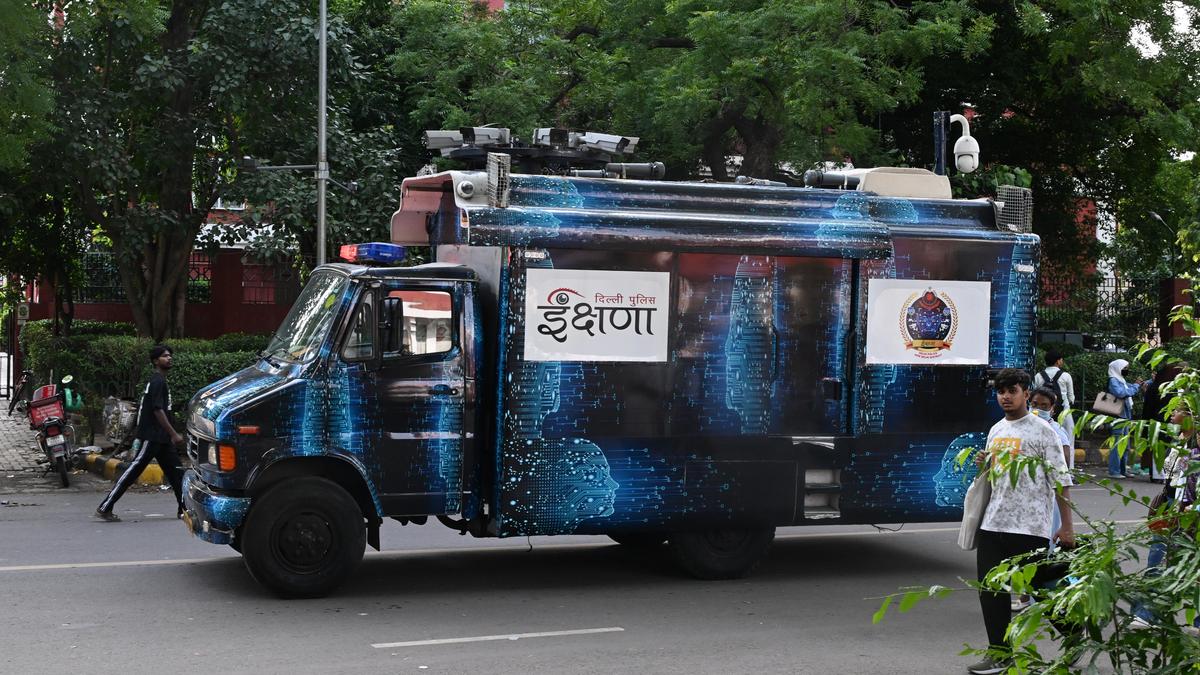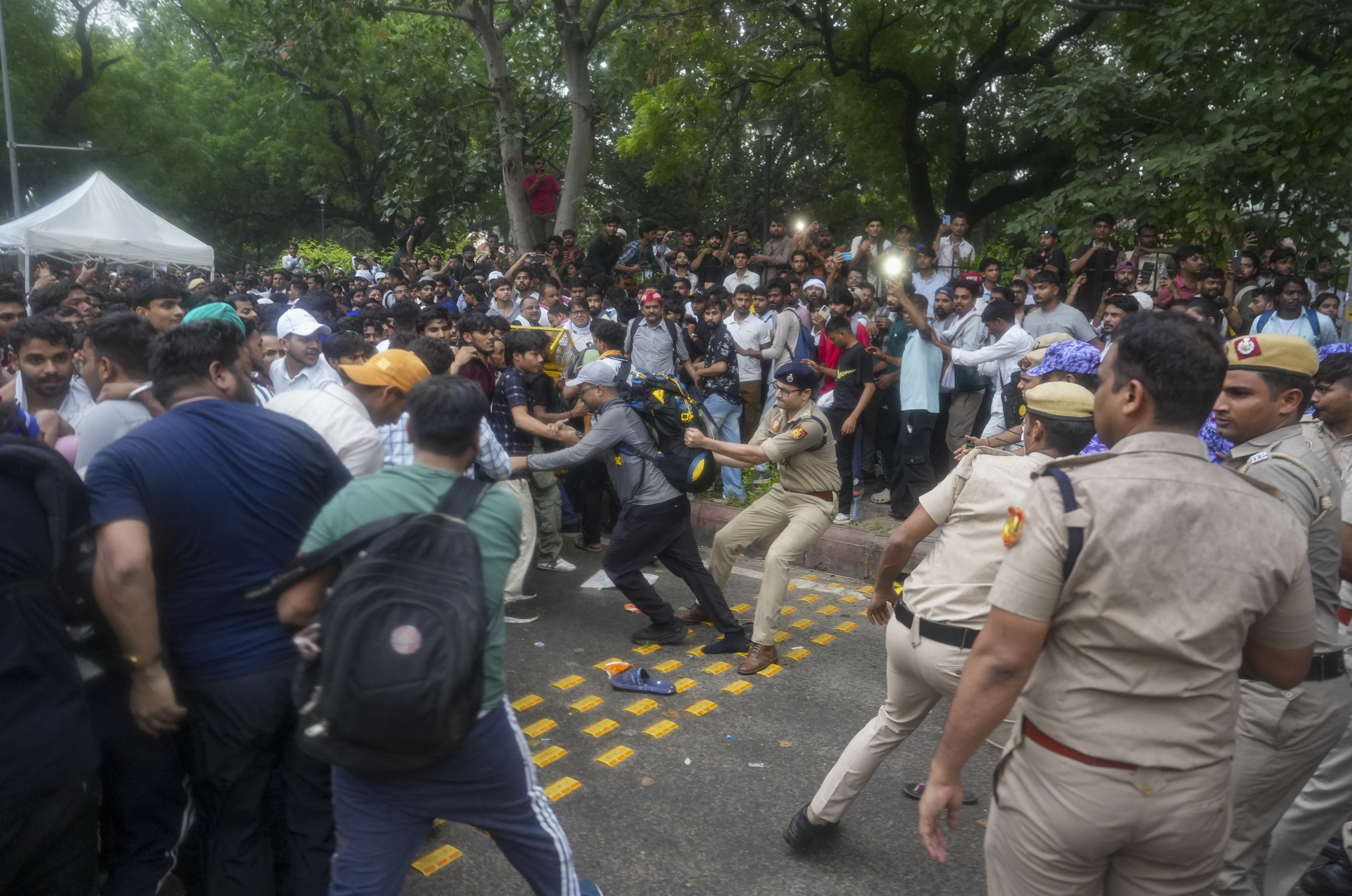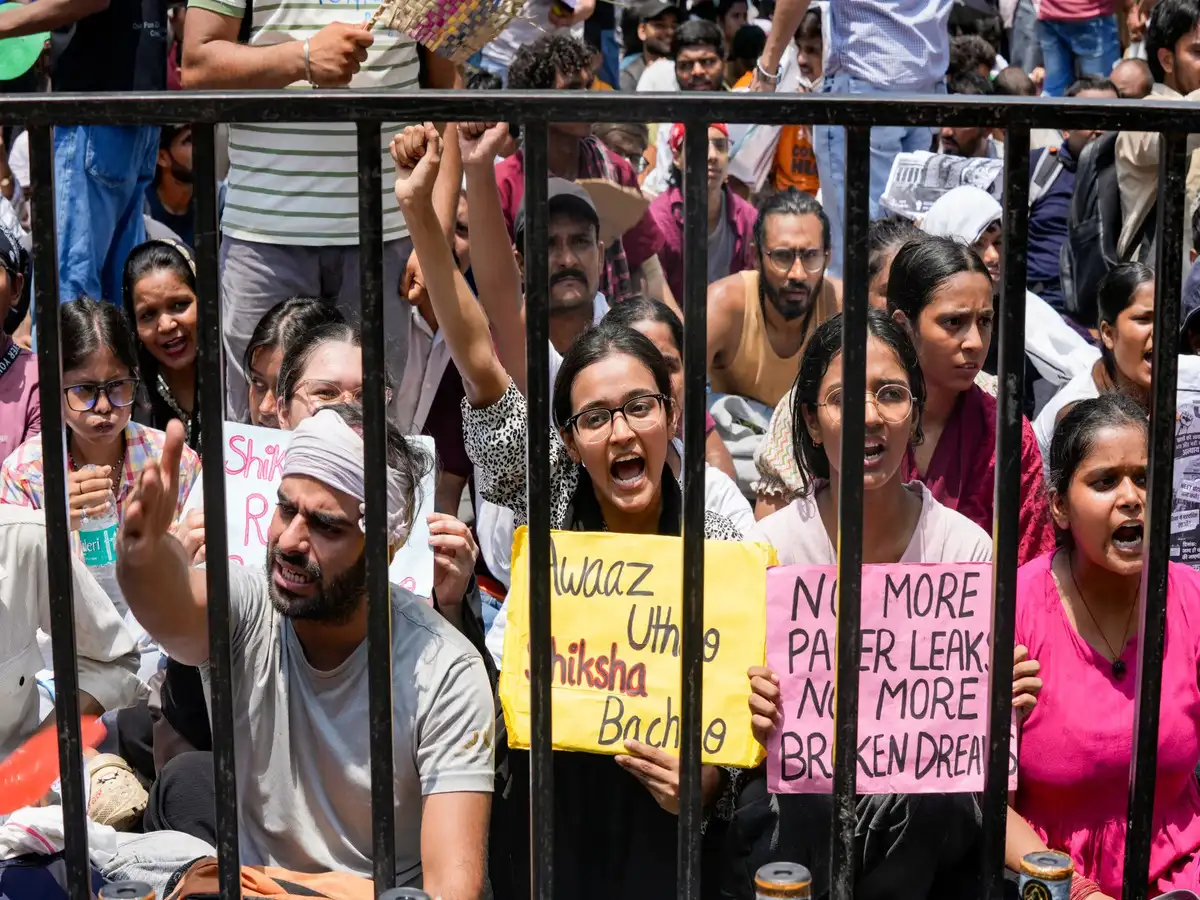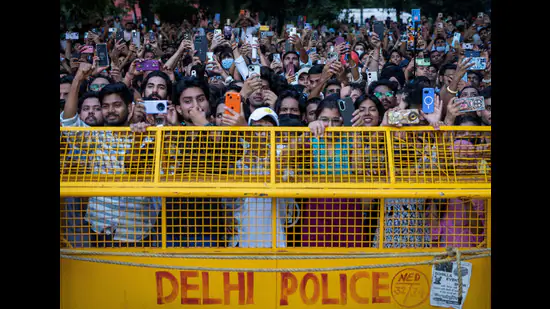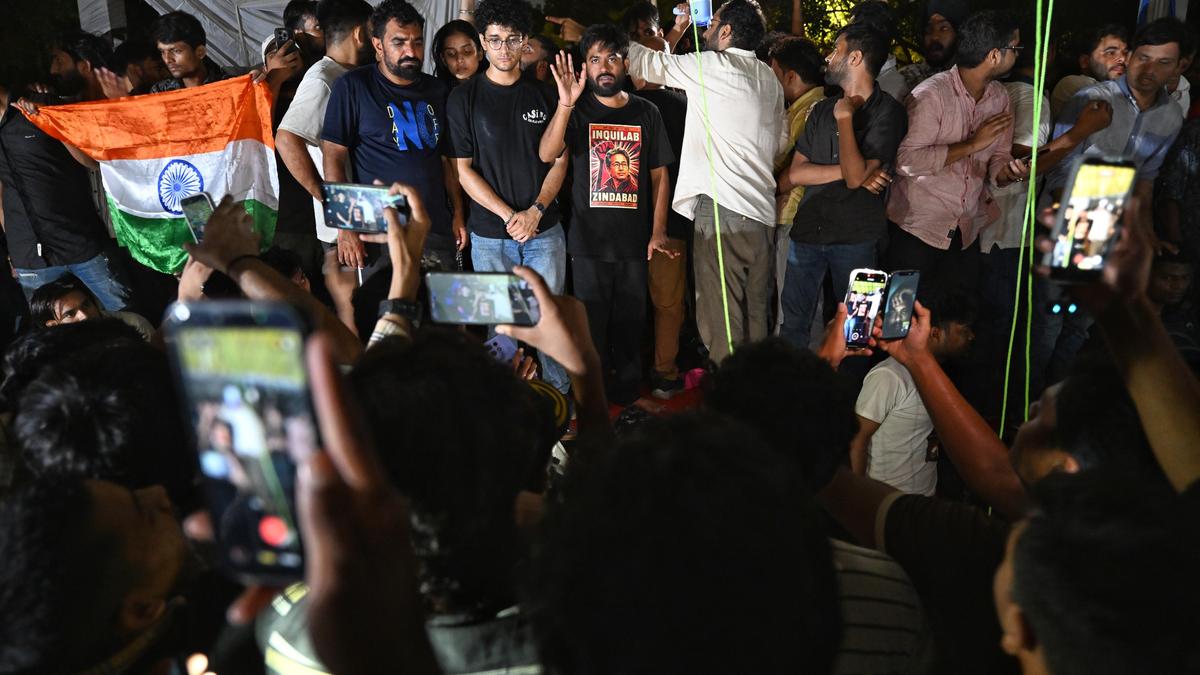
The story so far: Mobile Internet services were shut down in parts of Central Delhi during the Chalo Sansad protest organised by the Cockroach Janata Party (CJP). Thousands of people, led by the CJP, gathered on the opening day of the Monsoon Session of Parliament to demand the resignation of Union Education Minister Dharmendra Pradhan following repeated instances of examination paper leaks in connection with the administration of the National Eligibility and Entrance Test (NEET), among other demands. The Internet shutdown, which remained in place until the evening, drew condemnation from the Internet Freedom Foundation (IFF) and the Software Freedom Law Centre, India (SFLC).Reportedly, signal jammers had been deployed to disrupt access to the Internet during the protest. Protesters faced difficulties uploading videos and using navigation apps.What is an Internet shutdown?According to web rights advocacy organisation Access Now, an Internet shutdown is defined as “an intentional disruption of Internet or electronic communications, rendering them inaccessible or effectively unusable, for a specific population or within a location, often to exert control over the flow of information.” They take many forms, from full network disruptions to slowing down Internet speed (“throttling”) or blocking platforms.
Delhi Internet shutdown during CJP protest: Where does the law stand? | Explained
Delhi's Internet shutdown during the CJP protest raises legal questions about government authority and public safety measures.
1,214 words~6 min read