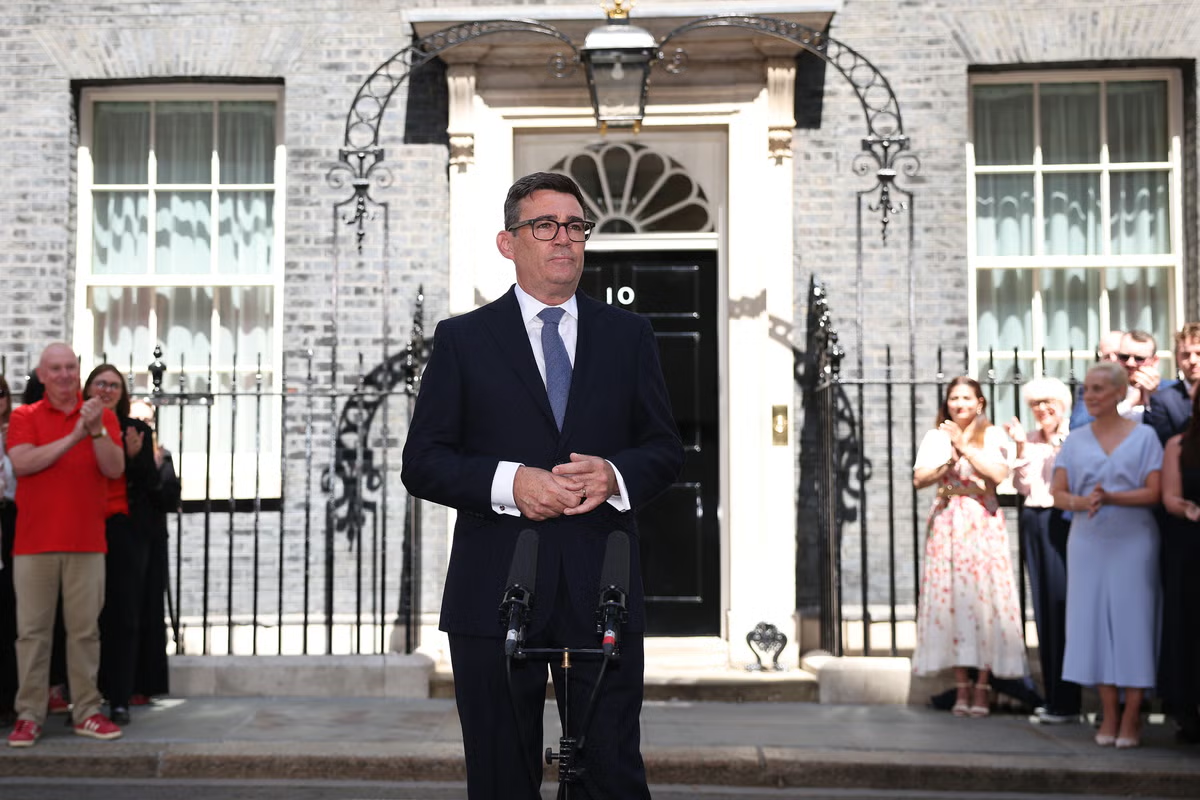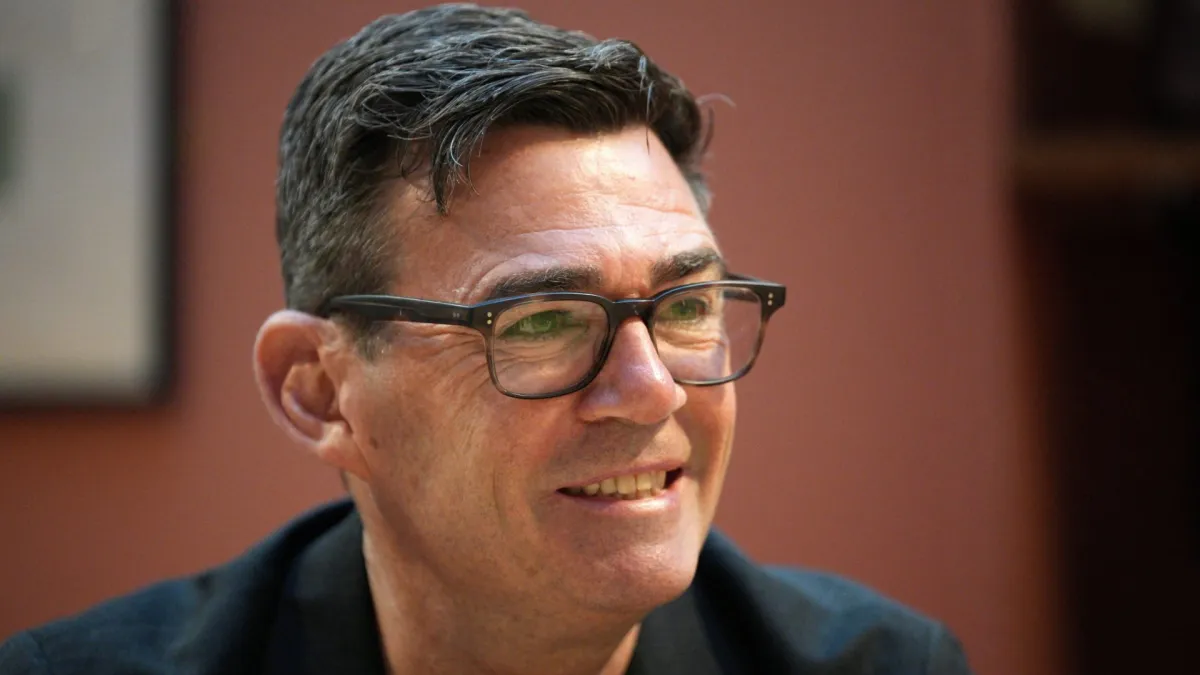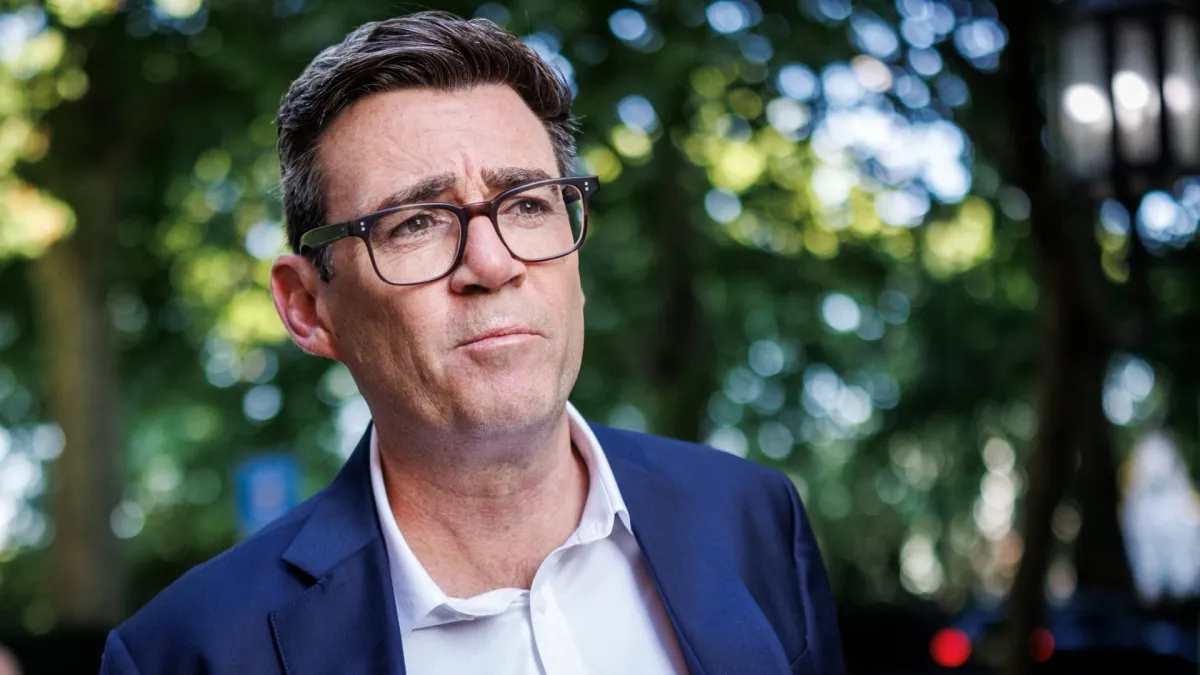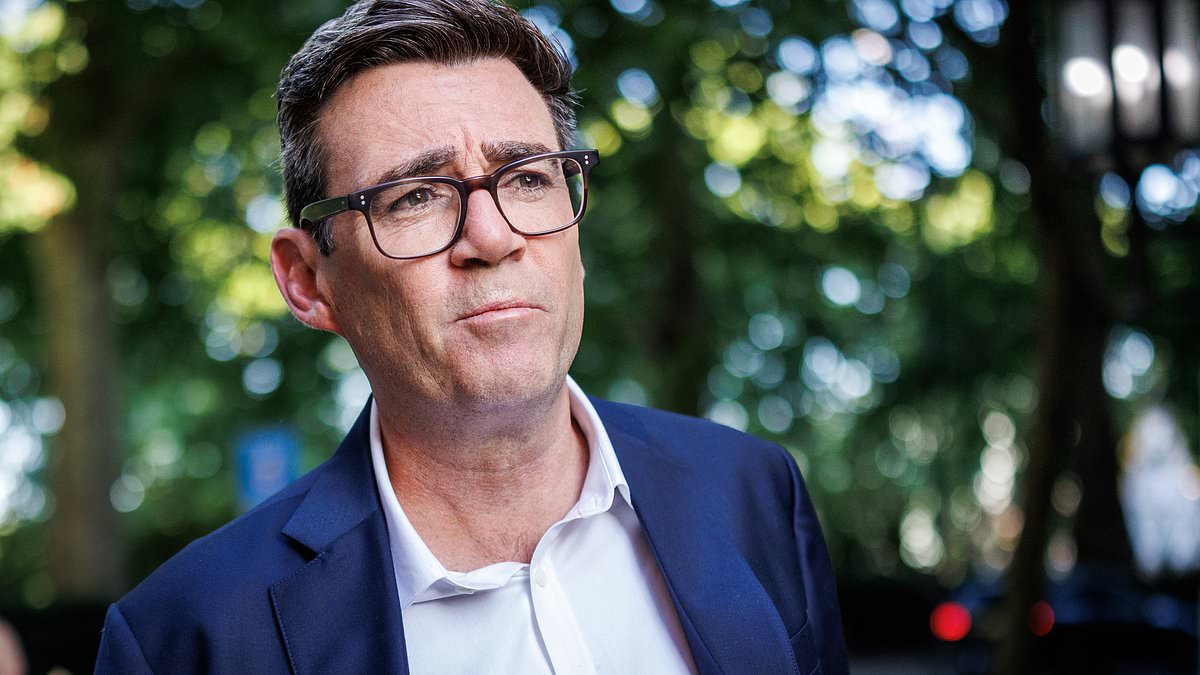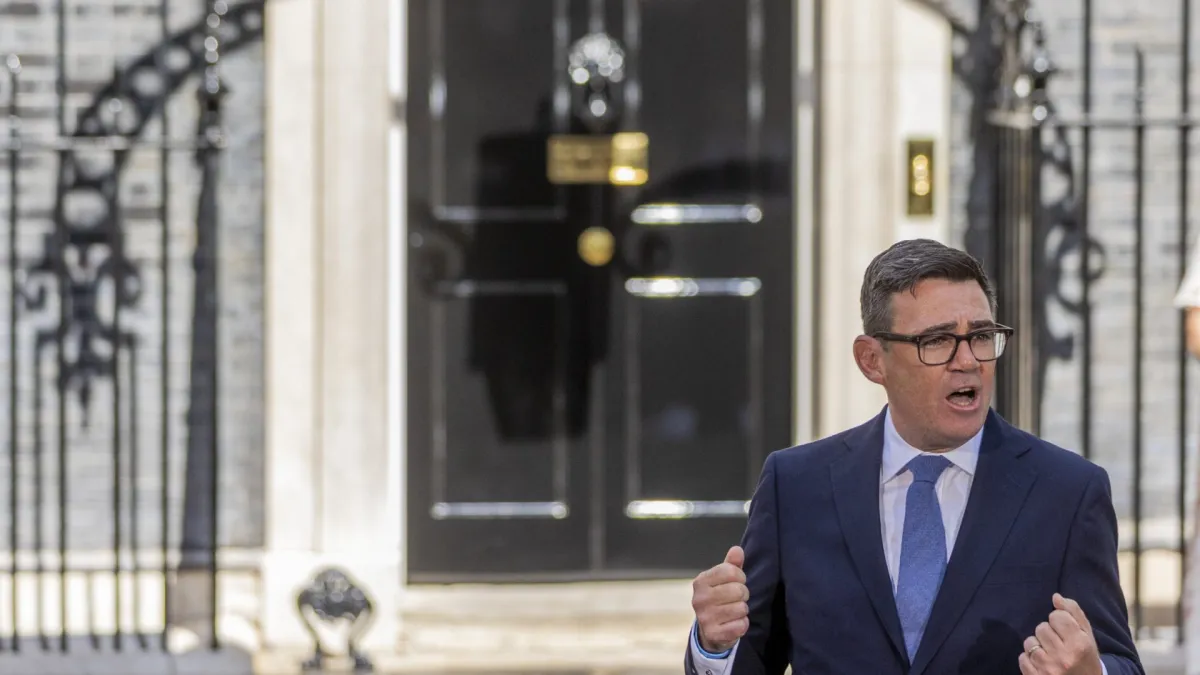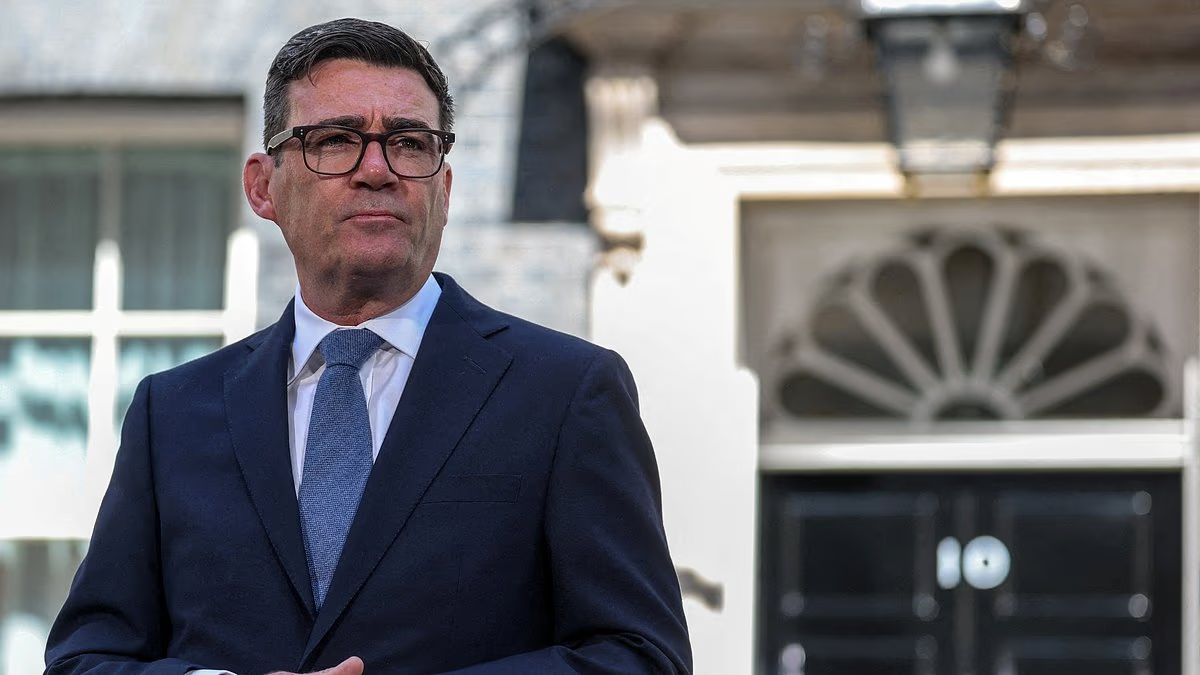
Andy Burnham has dropped a push to end the freeze on tax thresholds in his latest U-turn.The PM had made clear twice since entering No10 that he wanted to increase the personal allowance, saying the issue had 'lodged in his mind' after being repeatedly flagged on doorsteps.However, aides have now admitted there is no prospect of the change happening any time soon, with even small hikes costing the Treasury billions of pounds a year.The freeze has been in place since 2022, and is due to remain until 2031, dragging millions of people deeper into the tax system in one of the biggest ever revenue-raisers. The backtracking comes as Mr Burnham announced his latest 'cost of living' help is capping single bus fares at £2 from January, instead of the £3 currently applied across much of the country. Andy Burnham had made clear twice since entering No10 that he wanted to increase the personal allowanceHowever, questions have already emerged about how the £454million funding for the measure is being found.The Government says some £400million will come from switching international climate grants to loans, but it appears that will still require more borrowing. The rest is from underspends in the Net Zero Department budget.Mr Burnham told the first meeting of his Cabinet yesterday that they must 'always show how they are going to pay' for policies.Stressing his commitment to the Treasury's fiscal rules, Mr Burnham said: 'Always we will show how we are going to pay for it, what we are reprioritising. That will be a theme that we will always come back to.' Despite the vow, a plan to knock 5 per cent VAT off domestic electricity bills was thrown into chaos after it emerged the £850million funding had not been earmarked. The Government insisted it will be paid for by axing Keir Starmer's ID cards scheme. But Darren Jones – who was brutally sacked from the Cabinet by phone in Mr Burnham's purge of Starmer loyalists on Monday – warned that policy was unfunded. As a result, new Chancellor John Healey faces having to find the cash at the Budget, heaping more pressure on the public finances. There was slightly brighter news for Mr Healey this morning as official figures showed inflation dipping to 2.6 per cent in June.However, there are fears that renewed turmoil in the Middle East could mean prices accelerating again. The £2 bus fare cap will be in place from January, and last through 2027.An equivalent cap had been in place nationally between January 2023 and December 2024 but the incoming Labour administration argued it was not affordable.Some metro mayors, including Mr Burnham, decided to fund an extension of the lower limit in their areas.Mr Healey said 'millions of people' would benefit from fares being slashed by a third and insisted the measure could be paid for.'This action to ease the cost of living is funded by savings made elsewhere, so there's no burden to British taxpayers, just pounds going back into their pockets,' he said.Transport Secretary Heidi Alexander said the move would make 'everyday journeys easier and cheaper'.Meanwhile, Mr Burnham is continuing to put in place his ministerial team, with Scottish Labour leader Anas Sarwar expected to be given a peerage and a job in the revamped Department for Business, Innovation, Science and Trade.Mr Sarwar, who has been Scottish Labour leader since 2021, was among the first to call for Sir Keir to stand down in February.He hailed successor Mr Burnham for his 'bold Labour vision' as he entered No 10 this week. New Chancellor John Healey faces having to find the cash at the Budget , heaping more pressure on the public financesDowning Street confirmed appointments including Dan Jarvis, who stepped in as Sir Keir's defence secretary when John Healey resigned amid a funding row and has been returned to his previous post of security minister.James Murray, who was health secretary when Wes Streeting quit, has been made Financial Secretary to the Treasury and Paymaster General.Anna Turley is no longer Labour Party chair and has instead been made a Home Office minister.Florence Eshalomi has become a housing minister and Andy Slaughter Solicitor General, freeing up their roles as heads of parliament's housing and justice committees.There were also 17 re-appointments for ministers to remain in their roles, including Sarah Sackman as justice minister and Luke Pollard as defence minister.
Burnham drops push to end tax thresholds freeze - but caps bus fares
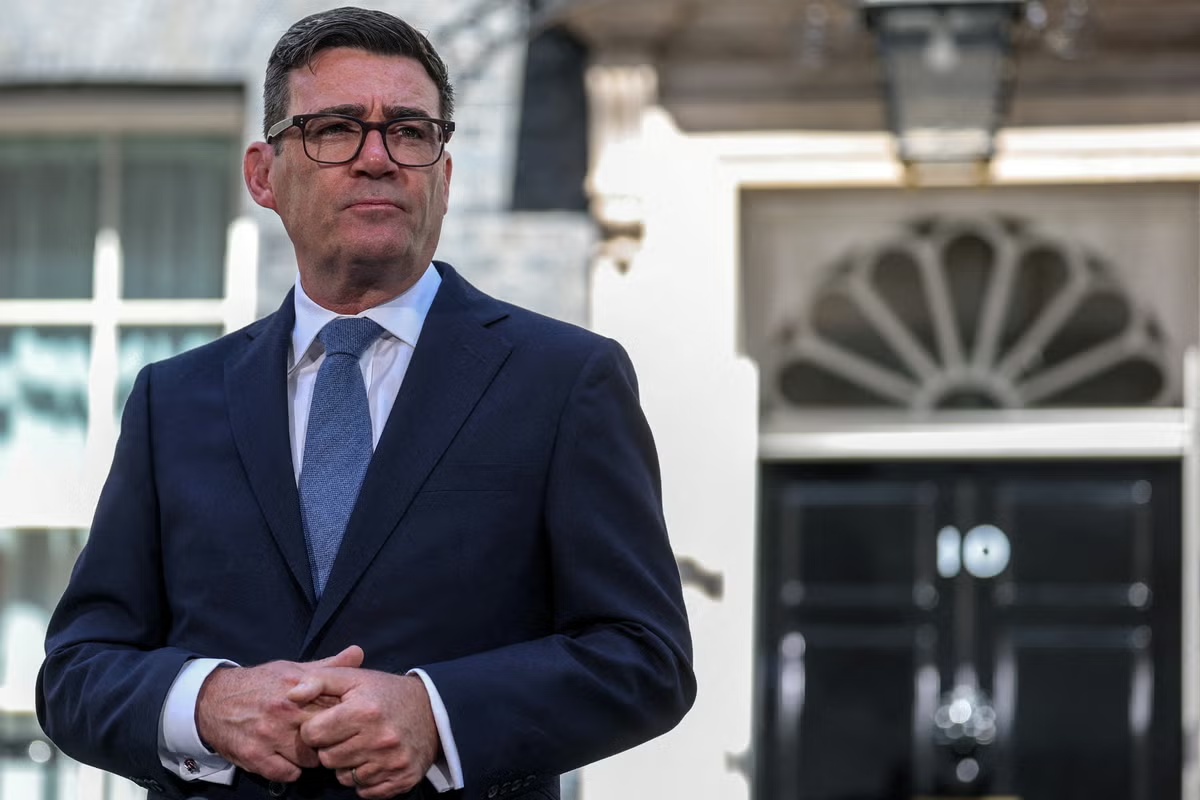
Andy Burnham had made clear twice since entering No10 that he wanted to increase the personal allowance.
724 words~3 min read