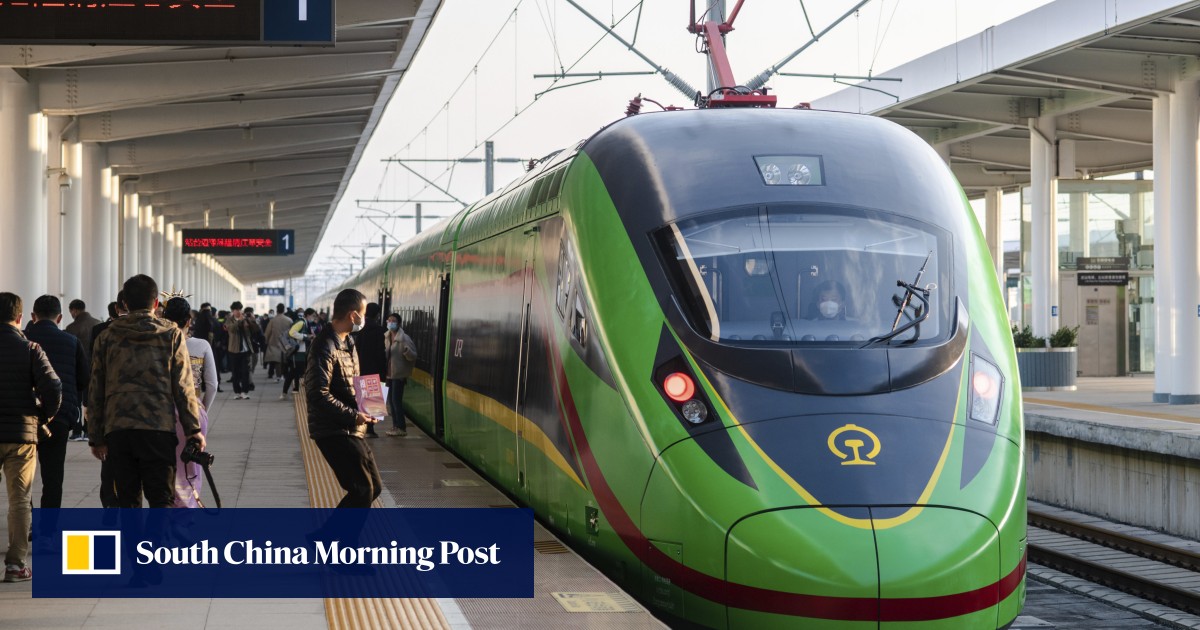
The segment will connect the capital Bangkok to Nakhon Ratchasima, the first of two high-speed lines that together form Thailand's 609-km share of the corridor. More than a third of that opening stretch is already built, the government said as Prime Minister Anutin Charnvirakul wrapped a five-day visit to China on July 20.
Thailand is preparing to break ground on the second line, from Nakhon Ratchasima to Nong Khai on the Laotian border, the government said in a statement.
At Nong Khai the Thai network will meet Laos, which since 2021 has run a high-speed line north to Kunming in southern China. That $6 billion Lao railway, roughly 70% owned by Beijing, gave landlocked Laos its first direct rail artery to China and now forms the middle link between Bangkok and Kunming.
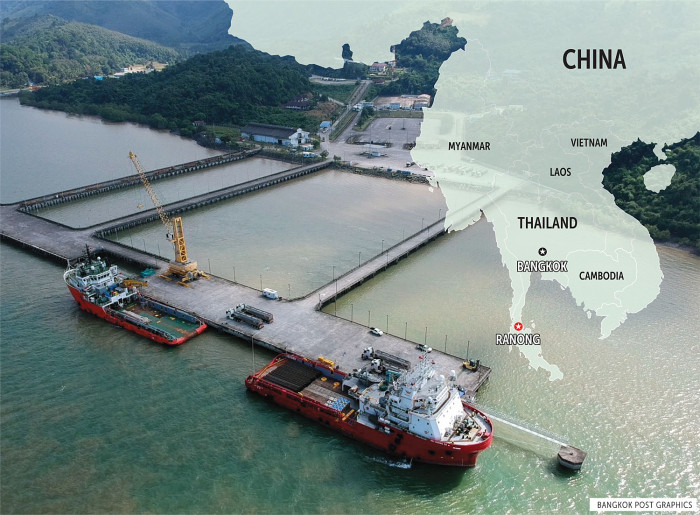
Beijing has pursued the Kunming-to-Singapore vision for close to two decades. Kunming anchors three planned rail routes into Southeast Asia, running through Myanmar, Thailand, and Vietnam. Thailand is separately advancing a conventional line that would run north to Laos and south toward Malaysia, and eventually Singapore, the government said.
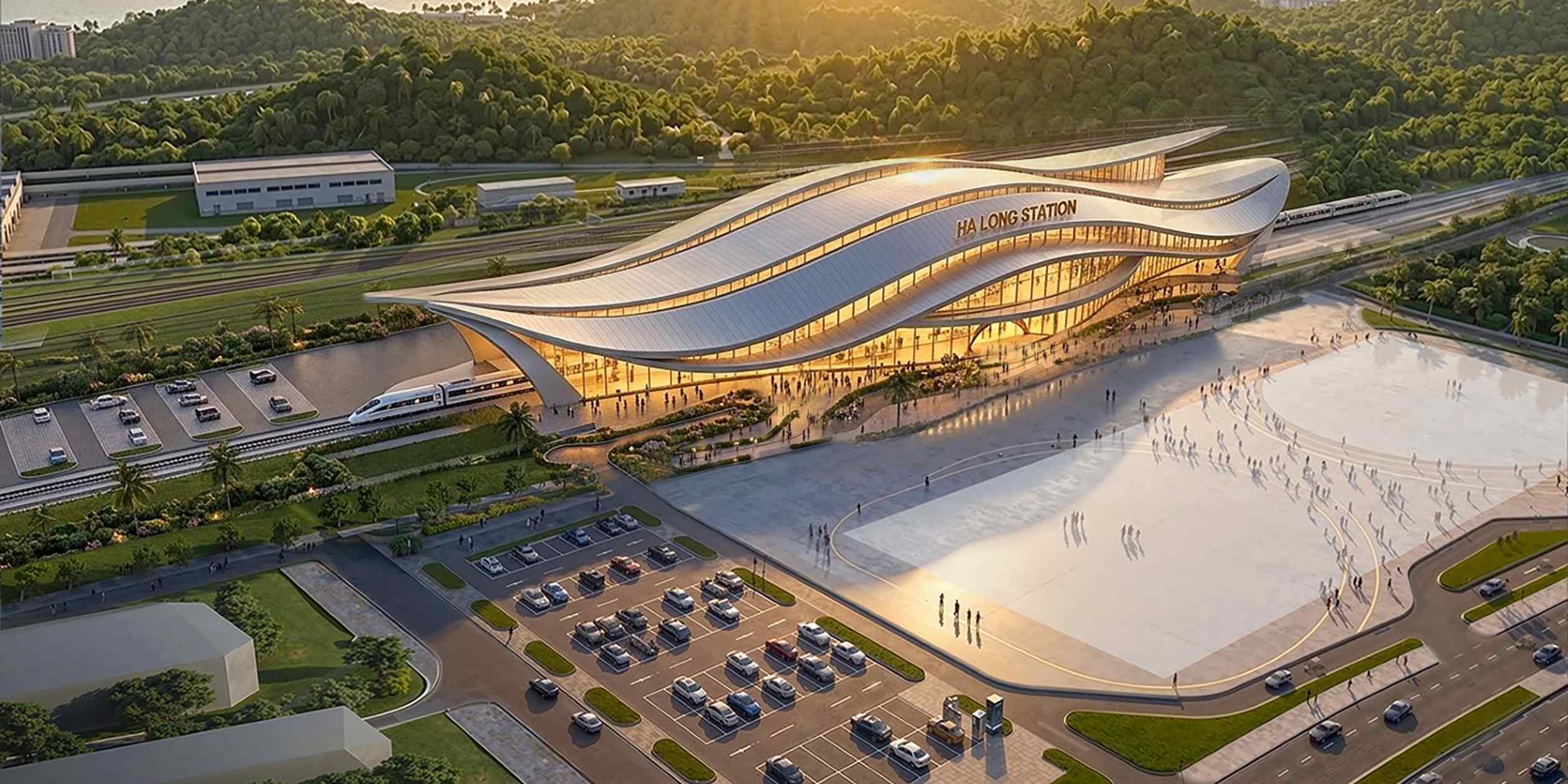
Thailand is not the only country in the region racing to plug into China's rail map. Vietnam broke ground in December 2025 on the Lao Cai-Hanoi-Hai Phong line, an US$8.4 billion standard-gauge railway connecting its main northern port to China's Yunnan Province, and is chasing the same 2030 finish.