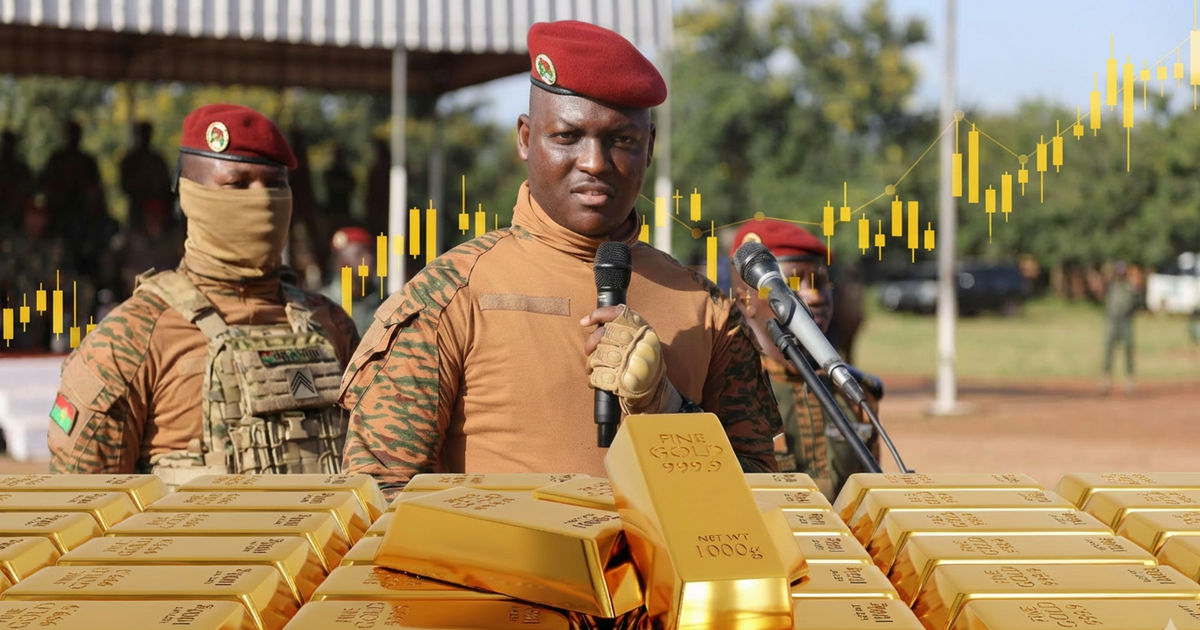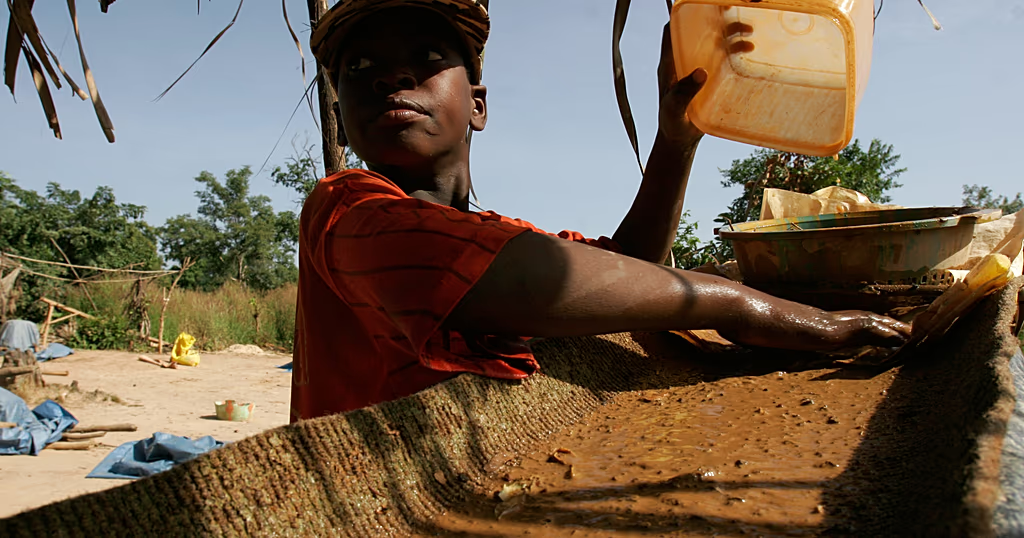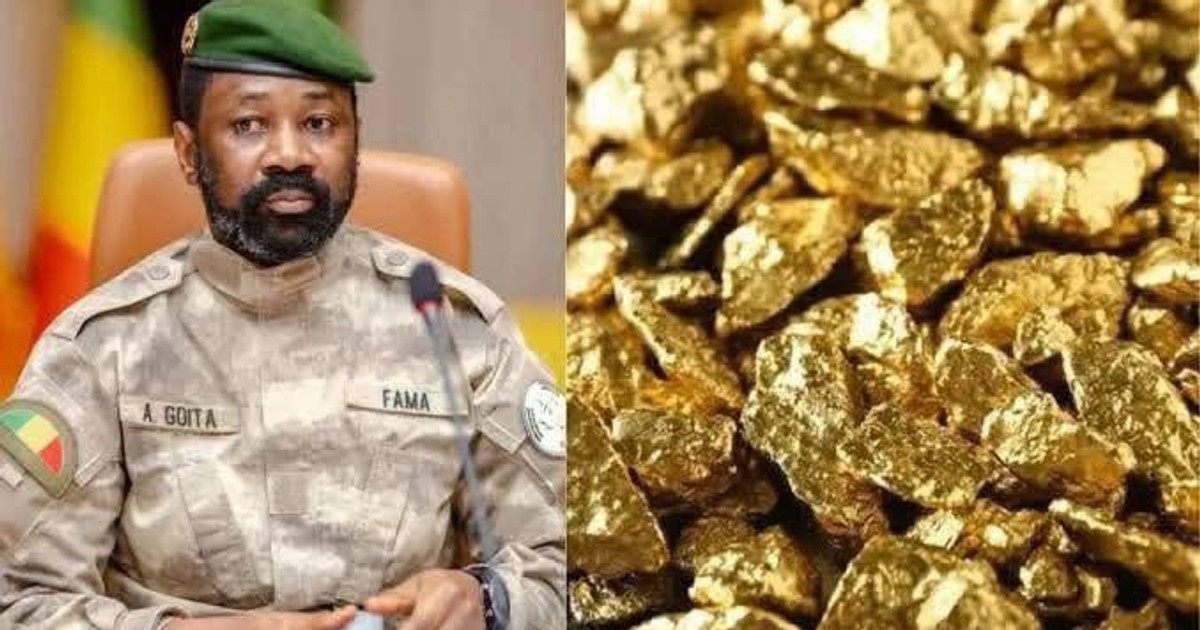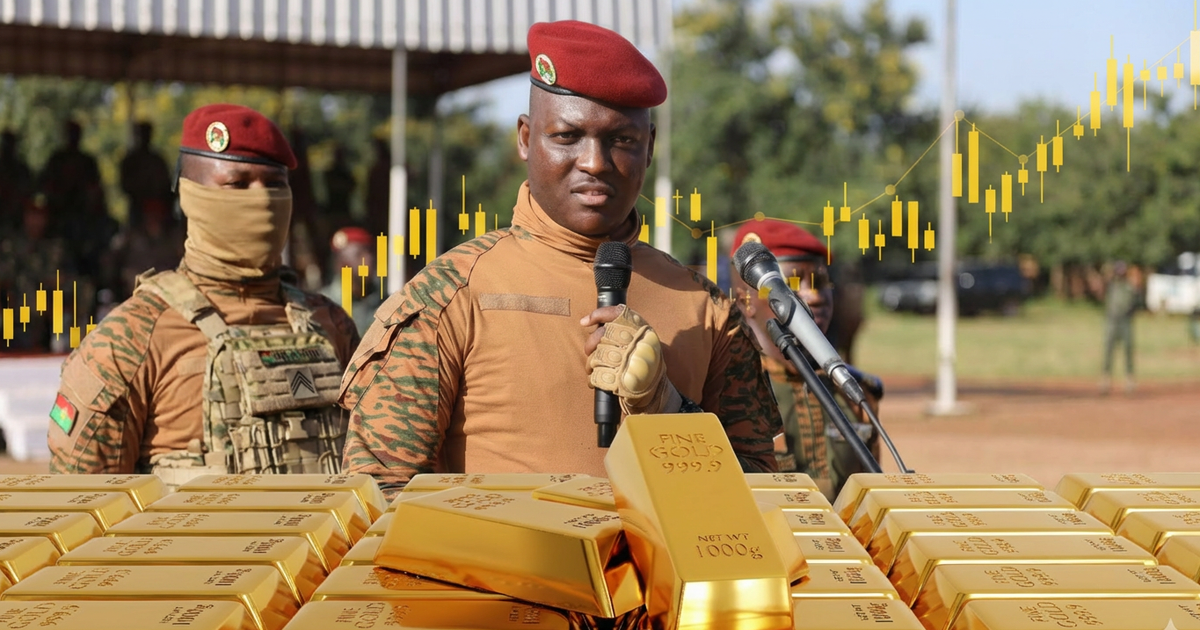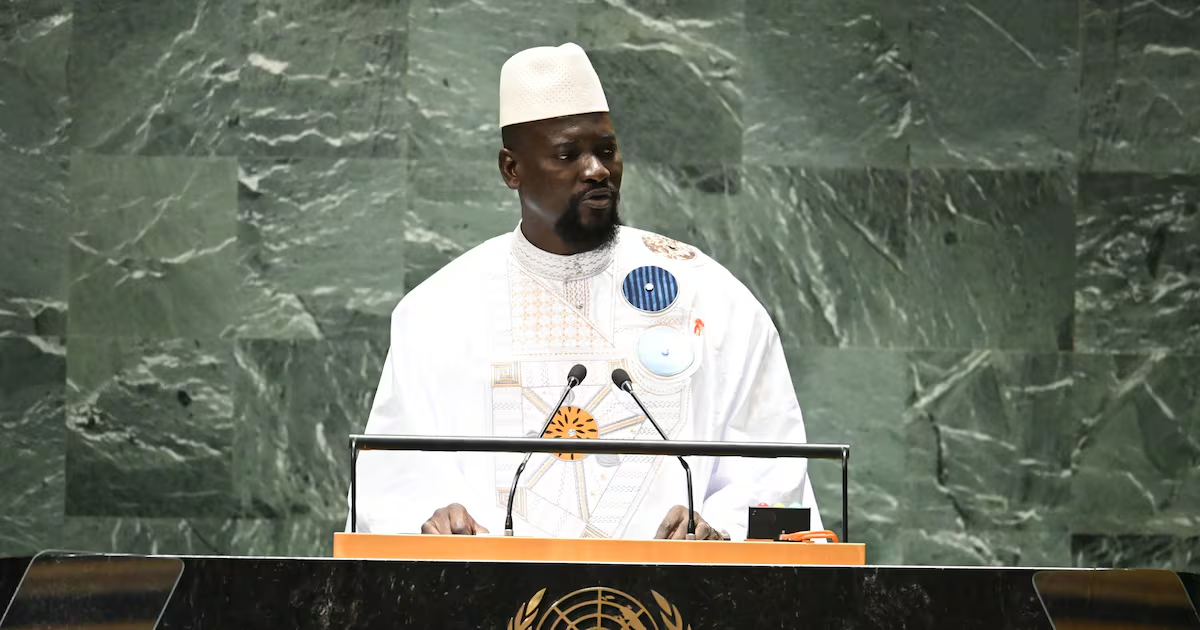
Africa accounts for about 30 per cent of the world’s mineral reserves but most of the profits are made outside the continent where minerals are processed and sold. Guinea is the latest country trying to change that.Going for goldWhen Guinea’s president Mamadi Doumbouya announced an immediate ban on raw gold exports last month, it was during a meeting with gold producers based in the country that was later broadcast on national television. He said that although Guinea has the second-largest gold reserves in west Africa, its gold leaves the country every day in its raw state to be processed, certified and sold elsewhere. “I am putting an end to that starting today,” he said.“Guinean gold will be melted, certified, and processed in Guinea before being exported to international markets. Any operator who continues to export raw gold will have their licence suspended and their mining agreement terminated.”A crescent-shaped country about three times the size of Ireland on the Atlantic coast of west Africa, Guinea has enormous mineral wealth, including gold, diamonds, iron ore and the world’s largest reserves of bauxite, which is used to make aluminium. But half of its 15 million people live in poverty, almost 50 per cent have no access to electricity, nearly one in 10 children die before the age of five and average life expectancy is just over 60.Doumbouya took power in the former French colony in 2021 and was elected president last December after most of his opponents were excluded from the ballot. His allies won a landslide in legislative elections in May, less than two months after the government dissolved 40 opposition parties.Mining in Guinea has operated, as it does in most of Africa, as an enclave economy that has little spillover or benefit for the broader economy. Most big mining operations are owned by foreign companies that import technology and other inputs to extract raw minerals that they export outside Africa for refining, processing, certification and sale.Formal mining employs only about two million people across the entire continent of Africa, although a further 10 million work in the informal, artisanal sector, often in dangerous conditions. Jobs in refining and processing are more highly skilled and better paid than those in mining, and local processing creates other opportunities in logistics and services.Guinea has built a gold refinery in the capital Conakry that is due to open this month and which it hopes will become a refining hub for west Africa. But it may prove difficult to implement the export ban on raw gold before the refinery is fully operational.Guinea is the latest in a succession of African countries to use export controls in an attempt to generate more revenue from mining by keeping more of the processing of the minerals at home. Tanzania and Uganda have already banned the export of unprocessed gold, copper and other minerals, and Ghana plans to ban raw gold exports by 2030.Earlier this year, Zimbabwe suspended all raw mineral exports indefinitely and declared lithium, gold and rare earths as strategic minerals subject to stricter purchasing rights. The Democratic Republic of Congo temporarily banned and later imposed a quota for the export of cobalt last year, a move that saw state revenues increase sharply as the price of the mineral surged.Chinese companies, which have been playing a more important role in African mining in recent years, have reacted to export controls by starting to localise more processing in Africa. This is a defensive strategy to ensure that China retains access to minerals it needs and Chinese firms have been able to replicate in Africa the processing plants they operate at home.Western mining companies have taken a different approach, using legal arbitration to challenge African countries that attempt to change the terms under which they operate. A number of companies took cases to the International Centre for Settlement of Investment Disputes after Guinea repossessed 51 mining licences last year.The investor-state arbitration system was set up in the wake of decolonisation in the 1960s when western companies wanted to protect their interests from newly independent states. African countries have been pressing for a reform of the system, which has seen investors win two-thirds of the cases they bring against developing countries but only half of those against developed countries.Please let me know what you think and send your comments, thoughts or suggestions for topics you would like to see covered to denis.globalbriefing@irishtimes.com
Guinea is latest African country seeking to keep profits at home
President banned raw gold exports last month, and Guinea has built a gold refinery in the capital
731 words~3 min read