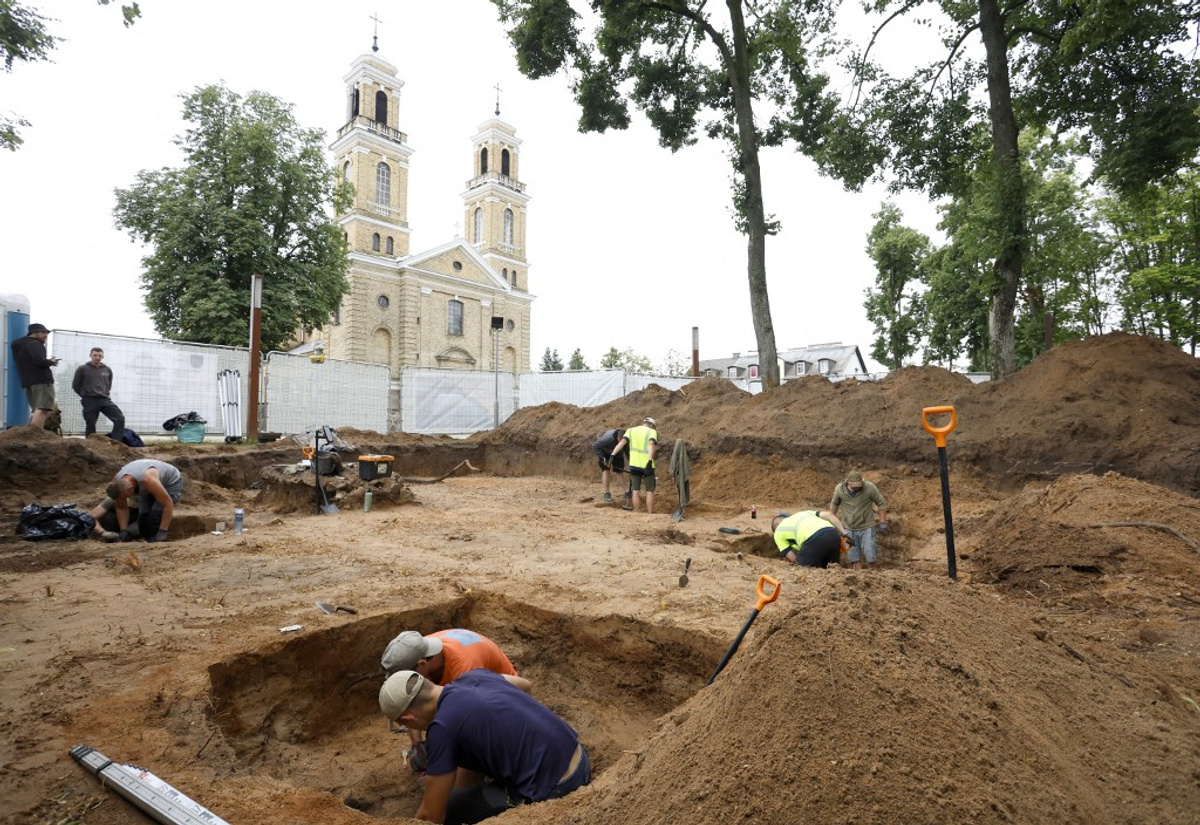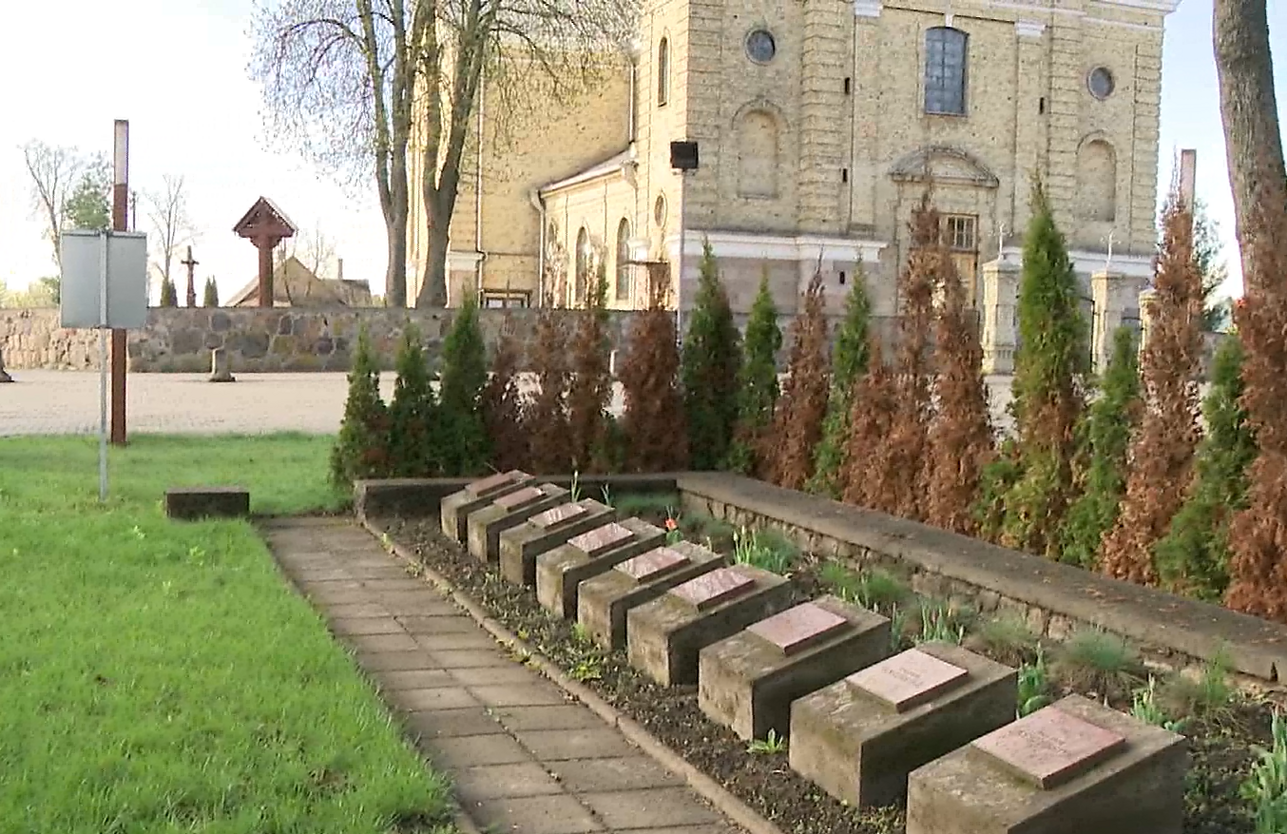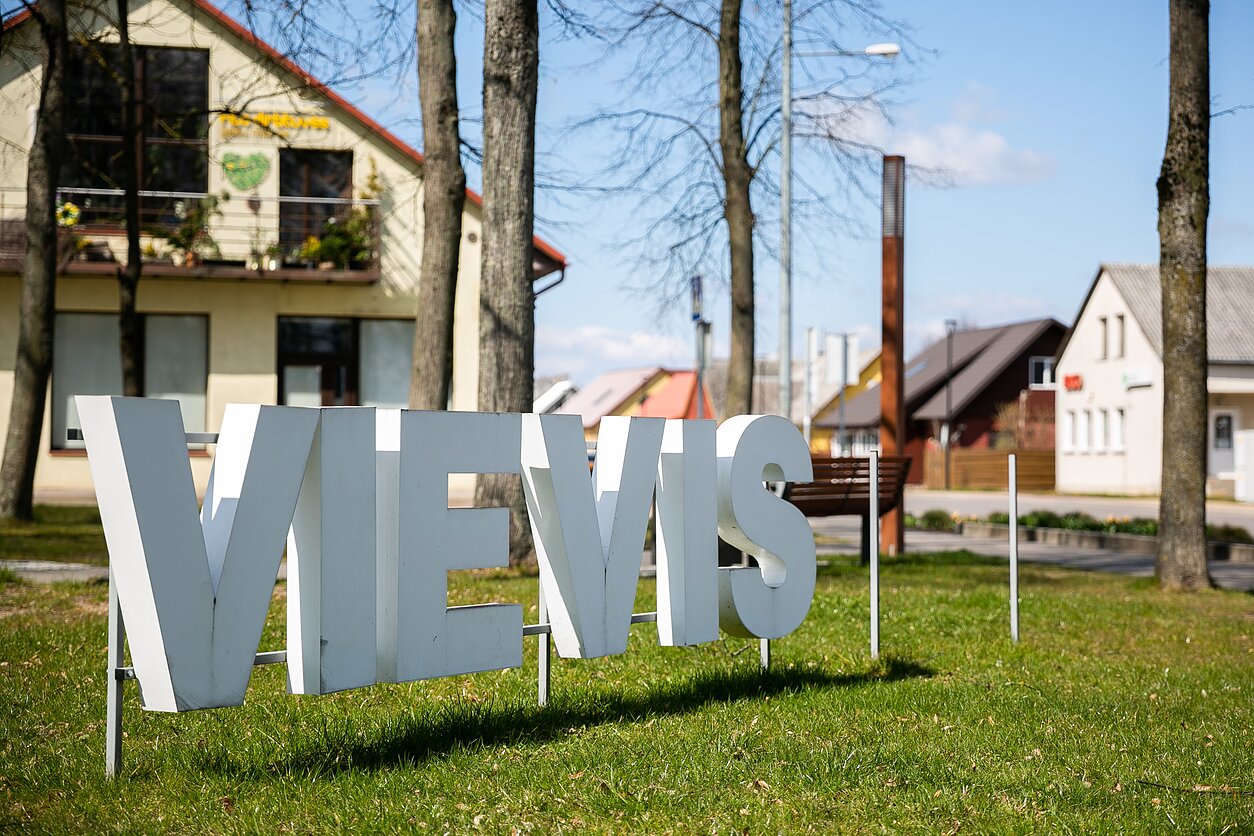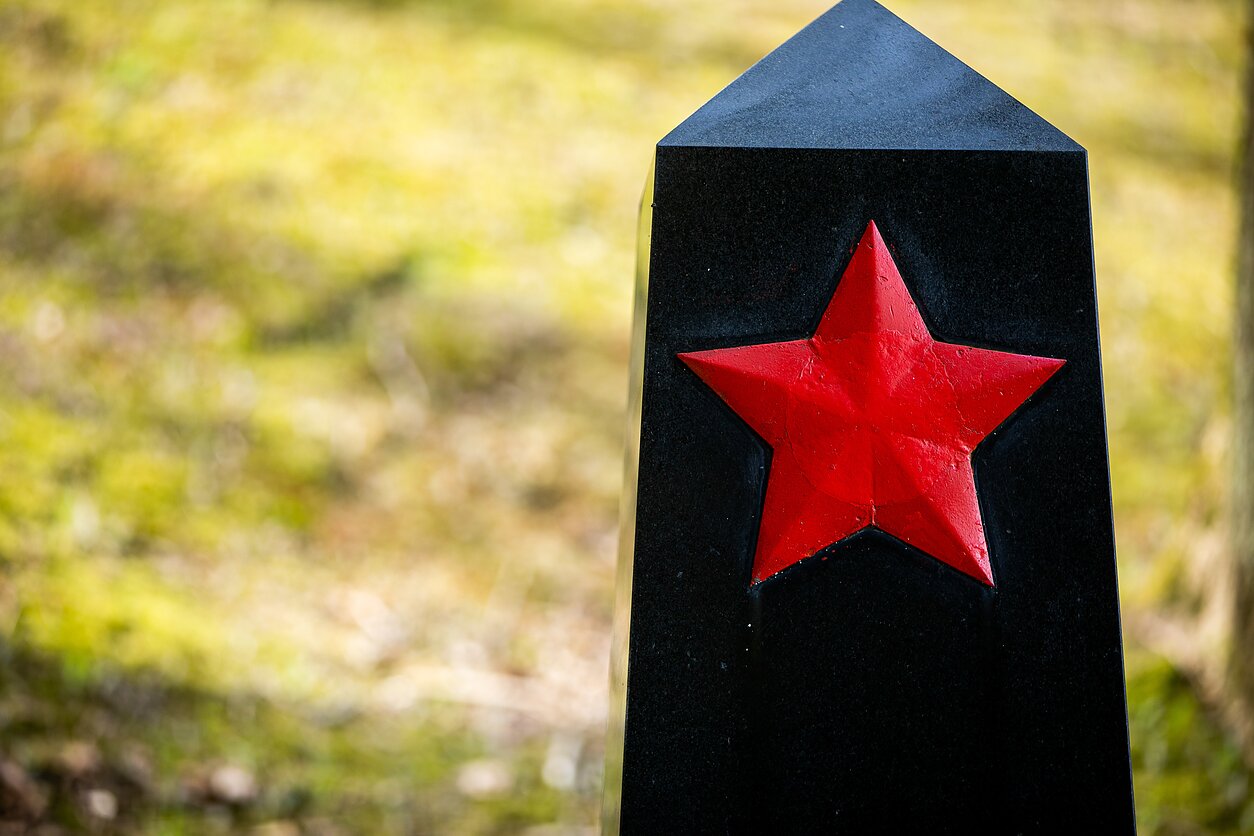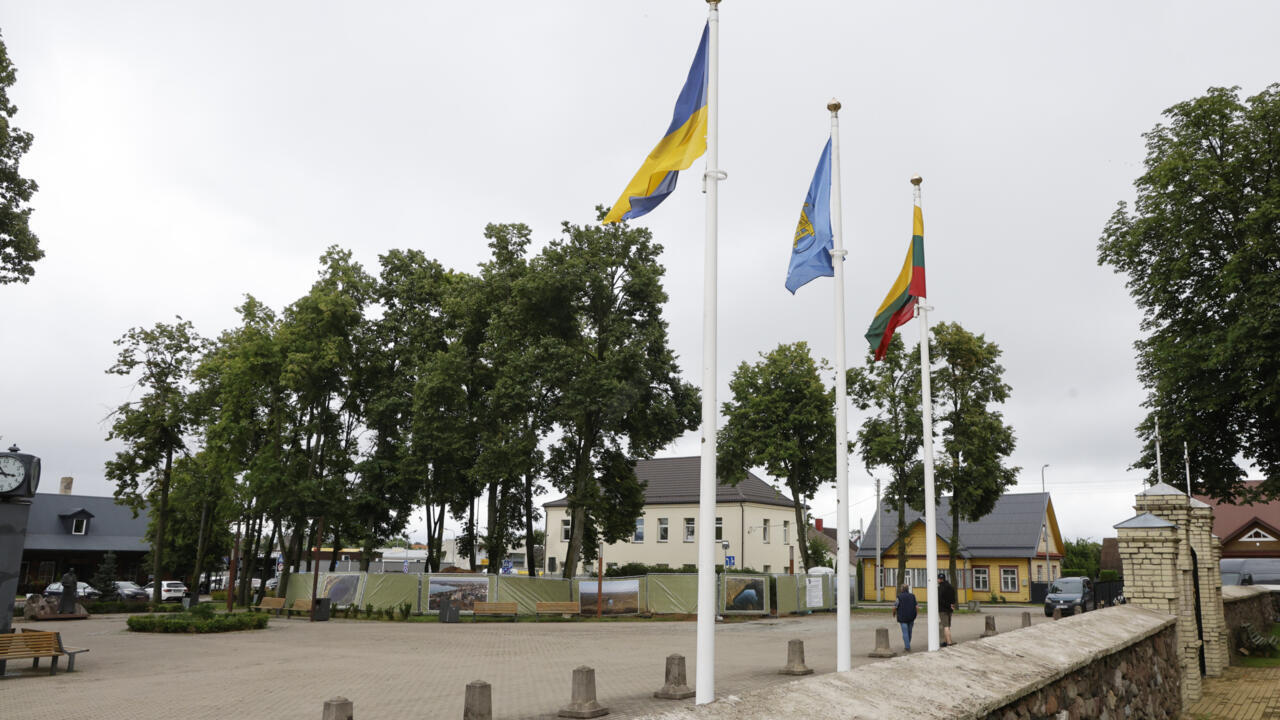
Sifting through layers of clay-coloured soil, archeologists in Vievis, west of Vilnius, carefully uncover the bones of Red Army soldiers at one of the many memorial sites installed by Moscow in the wake of the Second World War.Lithuania removed most Soviet monuments shortly after regaining independence in 1990, but it was not until the full-scale Russian invasion of Ukraine in 2022 that Kyiv's close ally Vilnius opted to move the graves -- which many saw as the last visible symbols of USSR domination."The memorial site served a propaganda purpose," Tadas Simonauskas, the chief archaeologist on site, told AFP as his team conducted the excavations.Among the bones, the twisted remains of a gas pipe were the only remnant of an eternal flame installed by the Soviets to memorialise what Moscow still refers to as the "Great Patriotic War".Used to describe one of World War Two's most significant chapters, as the Allies battled Nazi Germany on the Eastern Front, the term has been rejected by many post-Soviet countries as a distortion of the realities of occupation. "The memorial stood here to remind us that we were supposedly 'liberated' by the Soviets," Petras Martisius, a local pensioner passing by the dig site, told AFP."They should have been moved earlier."- 'De-Sovietisation' - Now an EU and NATO member state, Lithuania -- which borders Russia and its ally, Belarus -- fears that it risks being invaded next as the war in Ukraine drags on into its fifth year.It was shortly after the start of the war that the Lithuanian parliament passed the so-called "de-Sovietisation" law, paving the way for the removal of the last Soviet monuments and the relocation of the graves.
Lithuania moves Red Army graves to leave behind Soviet past
A wartime grave-site outside Lithuania's capital has become the stage for a political skirmish with Russia, as the Baltic country works to shed the last remnants of Soviet occupation.
730 words~3 min read