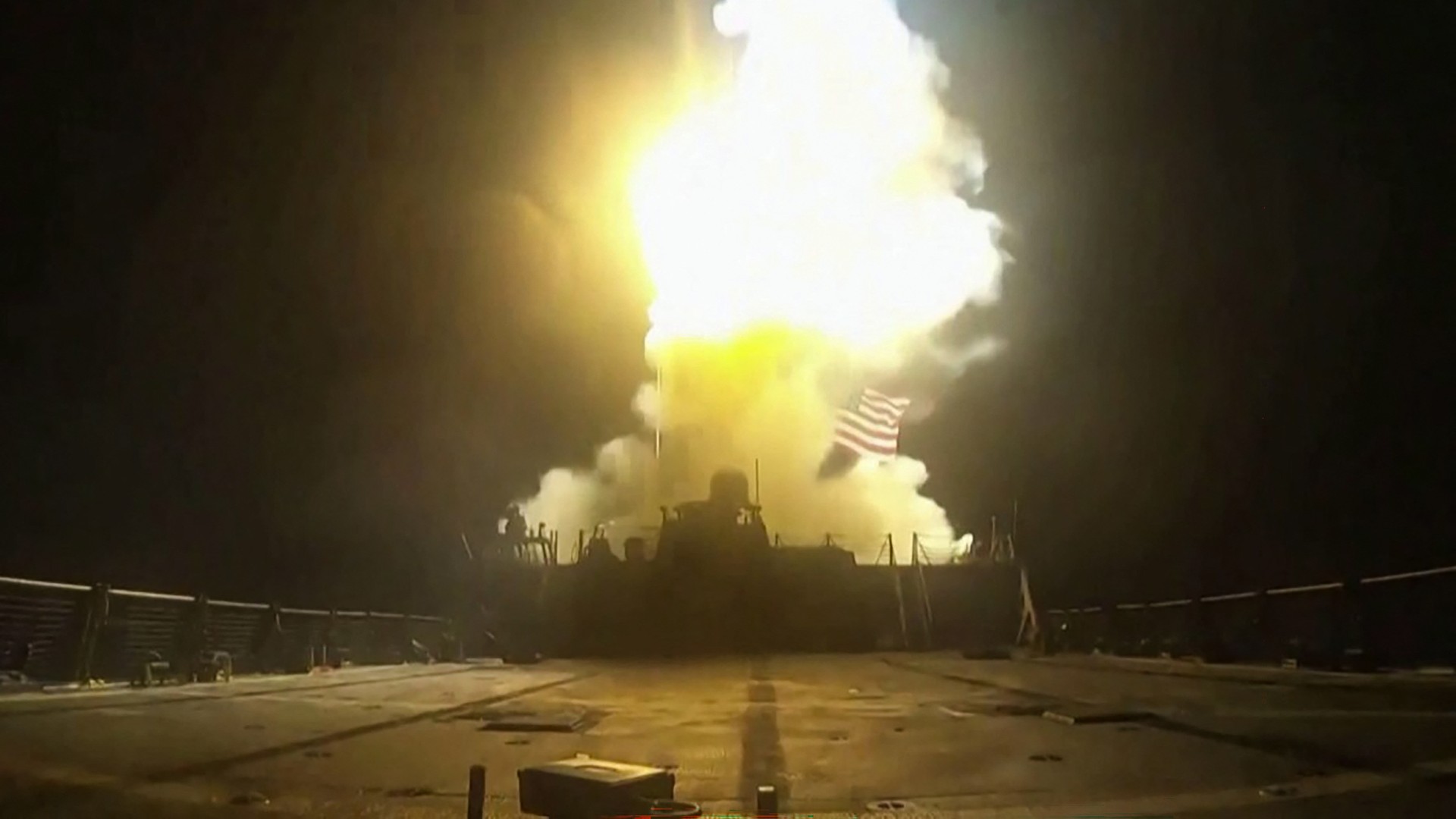
Main Points Nearly 100 US troops have been injured during the past two weeks of fighting in the Middle East, the Pentagon said on MondayDonald Trump faces deepening opposition to the costs of his Iran warIn the days since the collapse of a fragile truce, the Pentagon has provided little information about the US military strategy after nearly five months of warCentcom, which oversees American military operations in the Middle East, said US forces completed a tenth wave of strikes against Iran on Monday night, targeting the nation’s military installations “to degrade Iran’s ability to continue attacking commercial vessels flowing through the Strait of Hormuz”Key Reads‘It could trigger global recession’: How new blockade by Iran-backed Houthis may impact energy pricesLebanese president and Trump discuss disarming Hizbullah during White House meetingKuwait, scarred by 1990 Iraqi invasion, becomes Iran’s softest Gulf targetSarah Burns - 25 minutes agoUS strikes continue for 11th night The US military resumed strikes in Iran early Wednesday, its 11th straight night of attacks, as a Red Sea blockade threat by the Iran-allied Houthi militant group in Yemen to affect global oil supplies already strained by the standoff over the Strait of Hormuz.The Houthis have yet to make good on its threat by firing on passing ships at the southern passage in and out of the Red Sea. But two oil tankers in that sea made U-turns, heading north instead, toward the Suez Canal, according to Kpler, a maritime intelligence firm.Ships near the Strait of Hormuz, as seen from a plane near the United Arab Emirates. Threats from the Iran-backed Houthi militant group this week to block Saudi Arabia’s use of the Red Sea risk cutting off a crucial alternative path for Mideast oil. Photograph: Tomas Munita/The New York Times
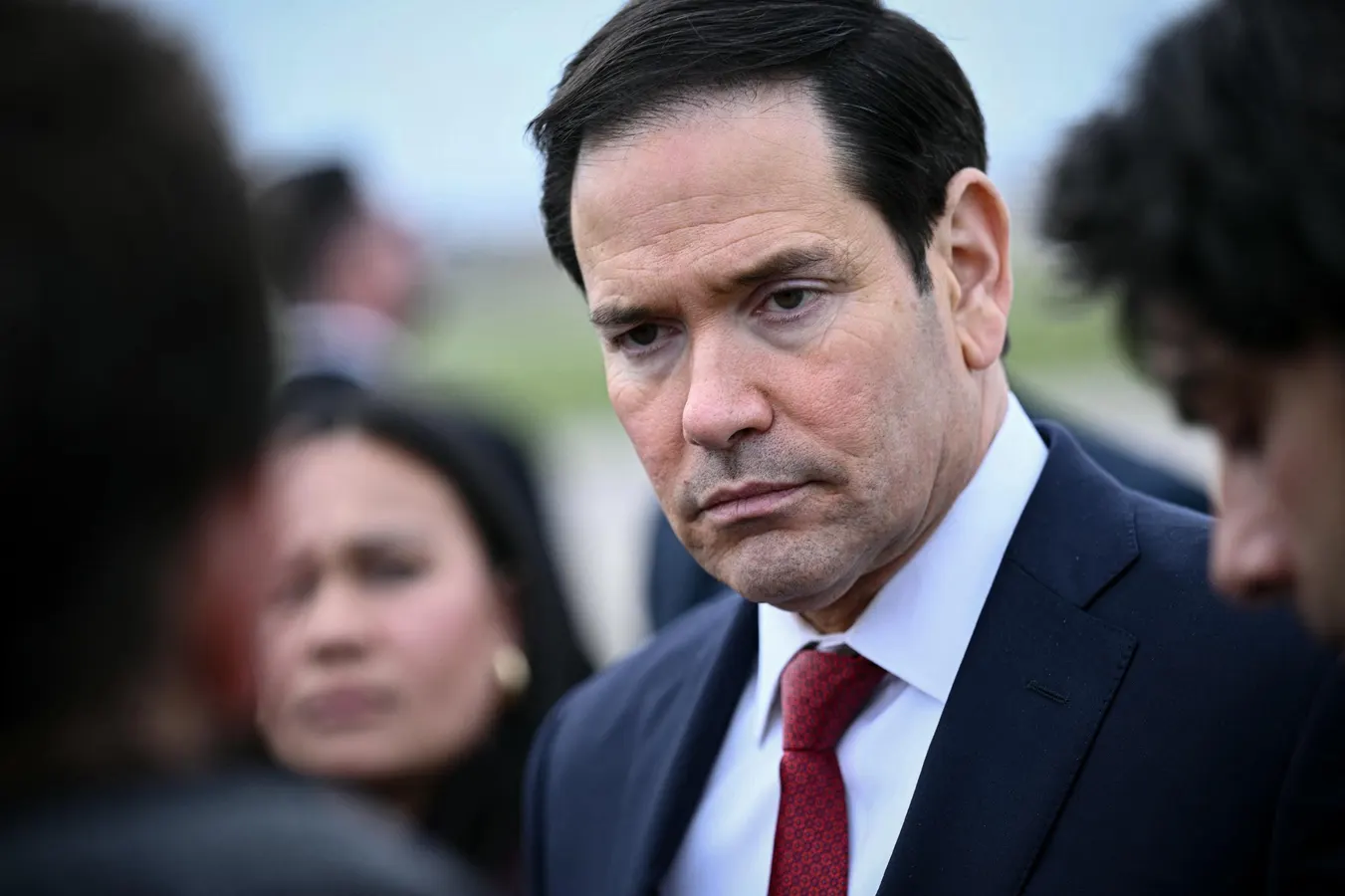
US secretary of state Marco Rubio claims Iran not serious about peace talks
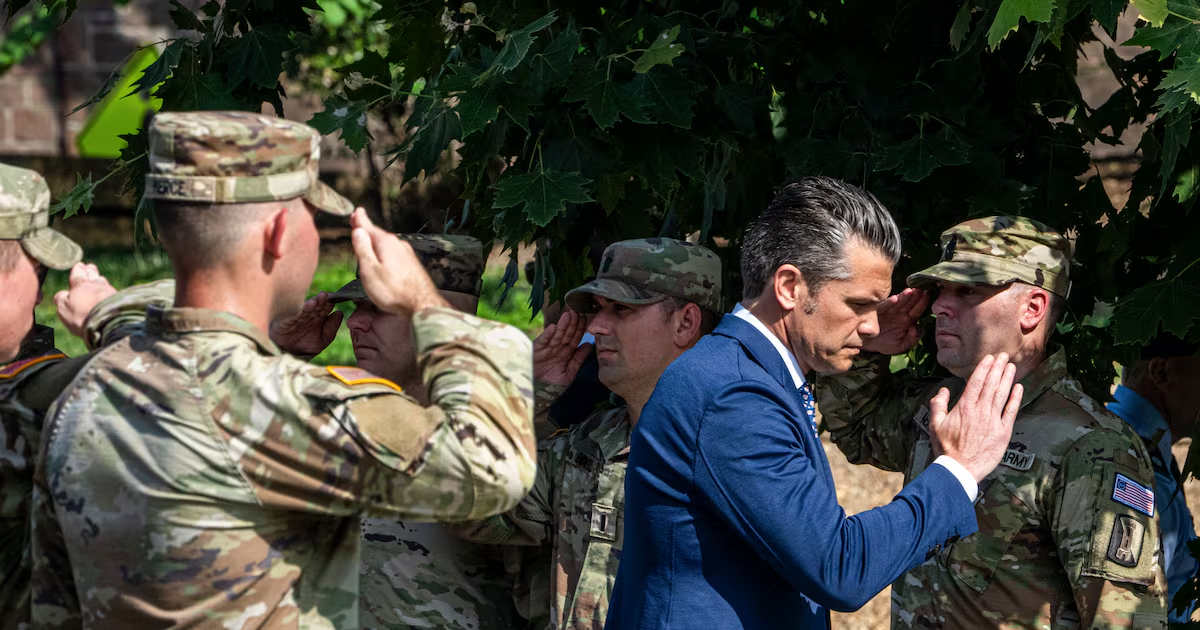
Nearly 100 US troops injured in two weeks since Iran war resumed
937 words~4 min read