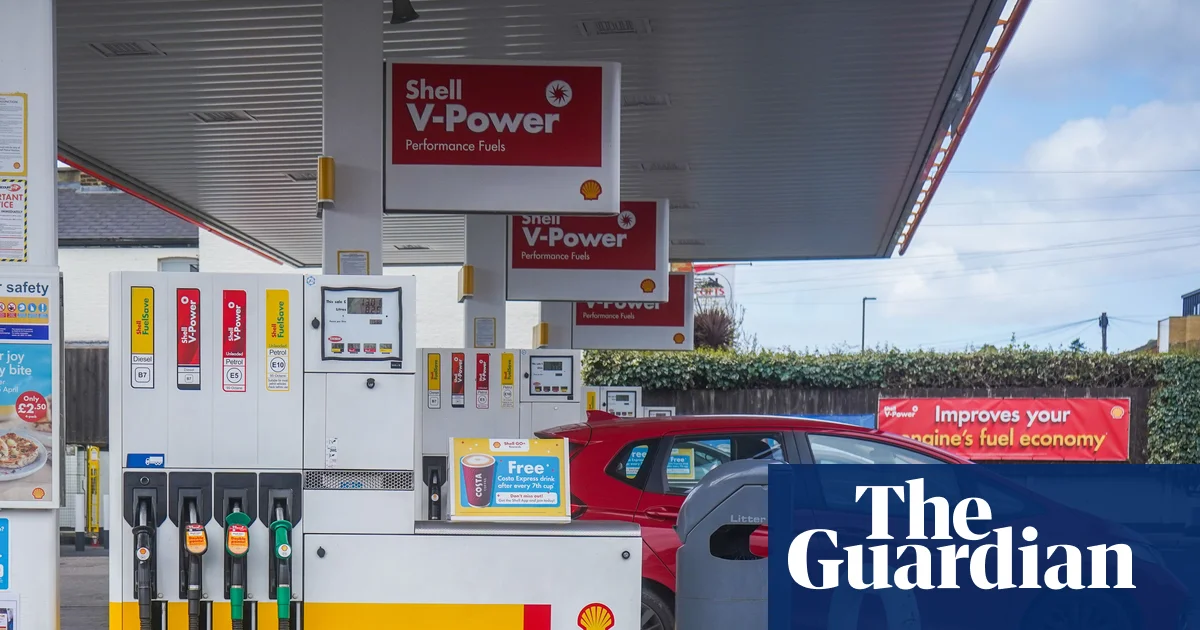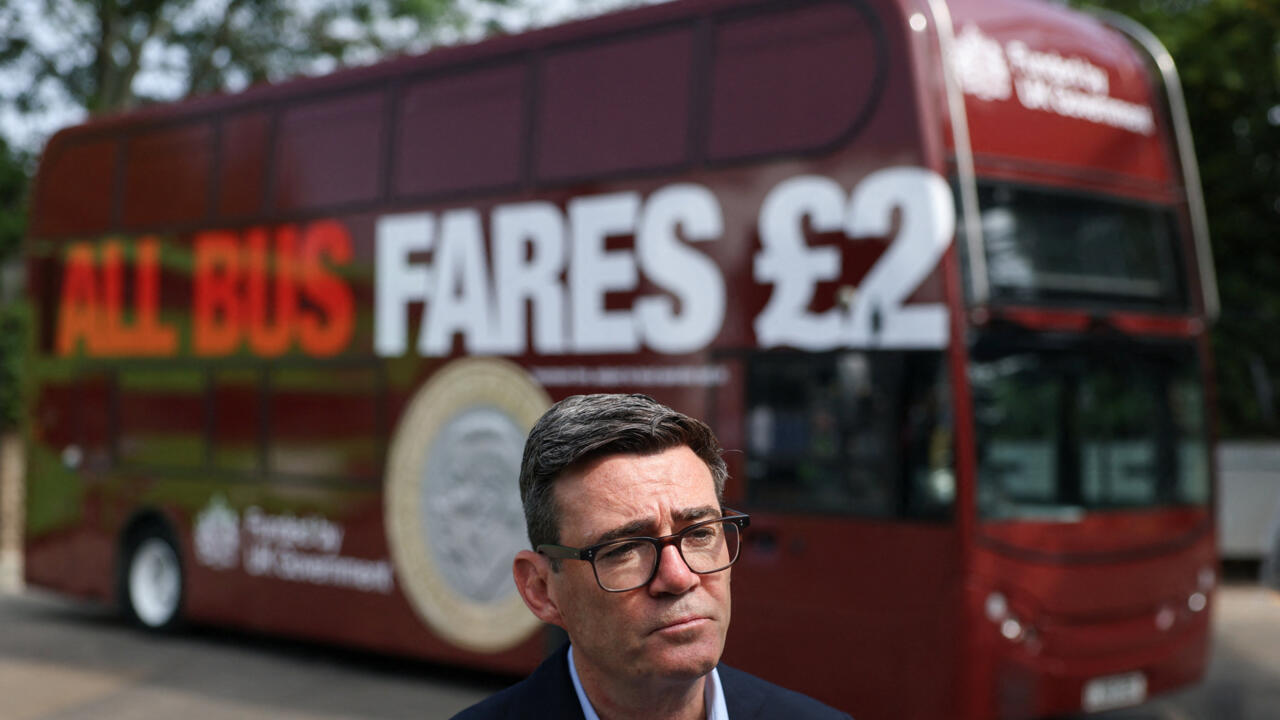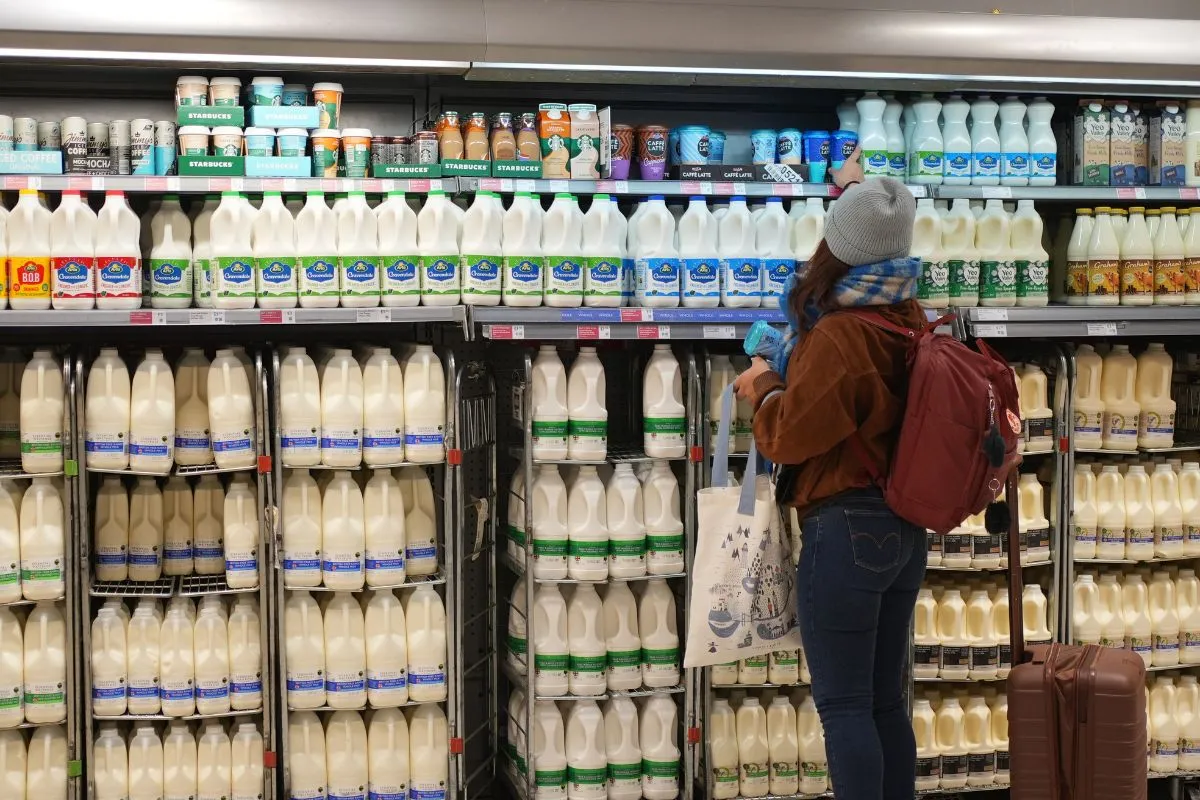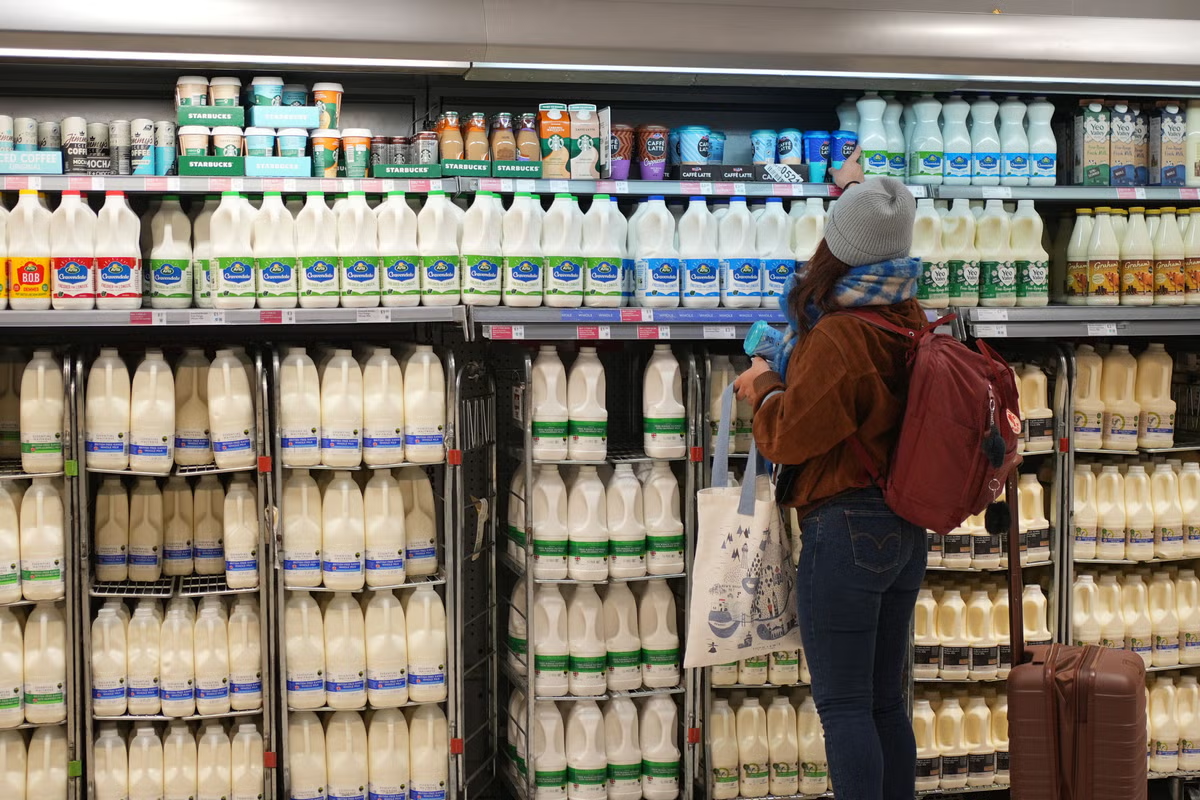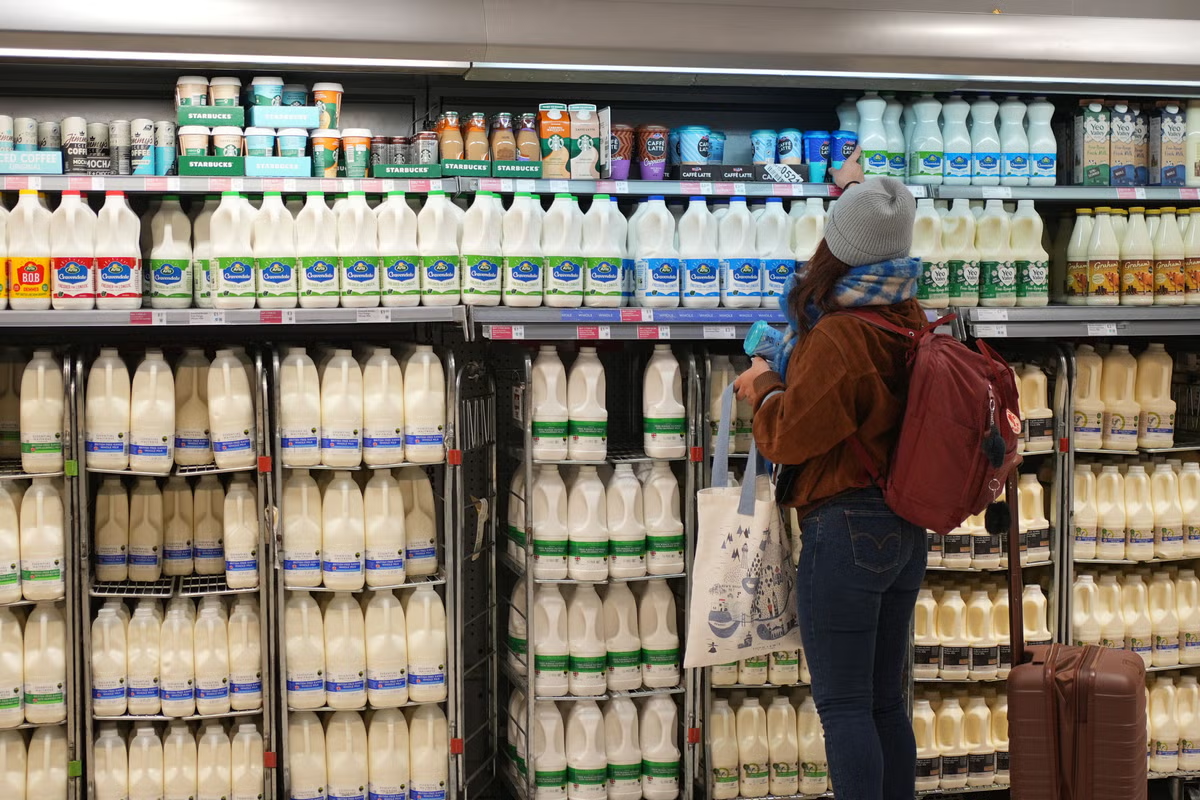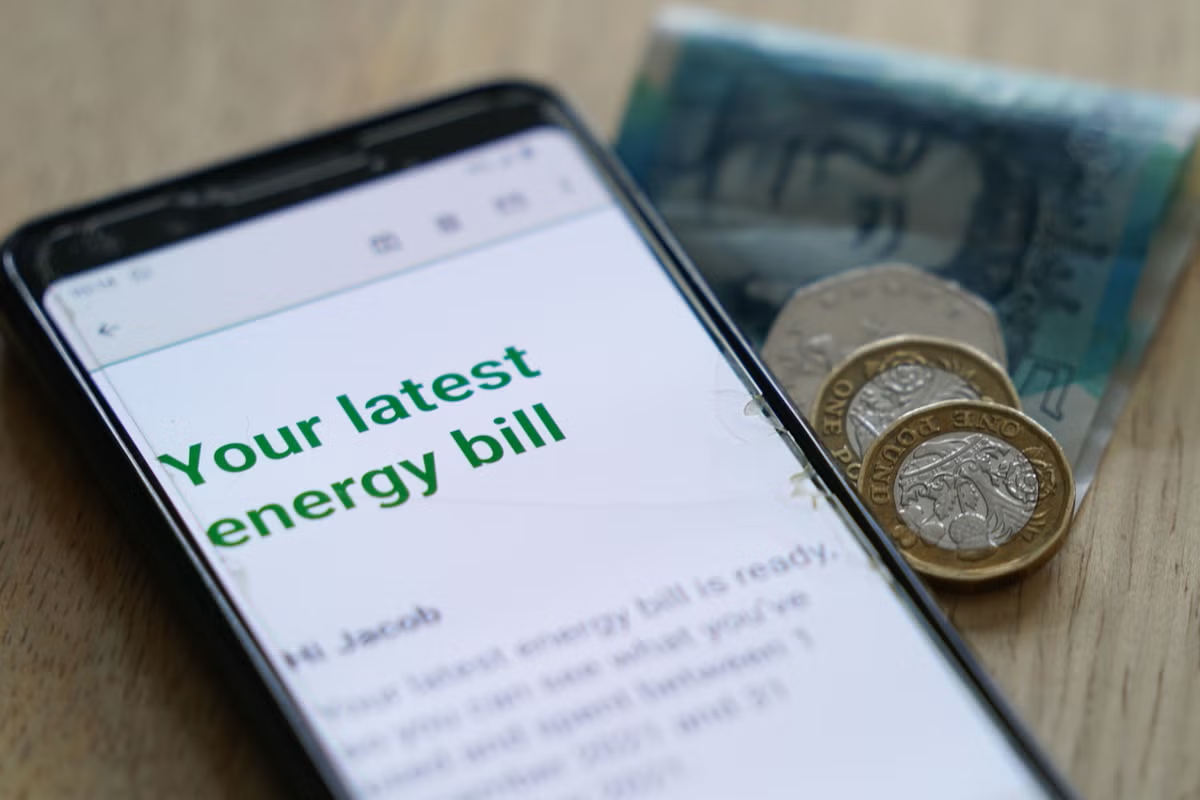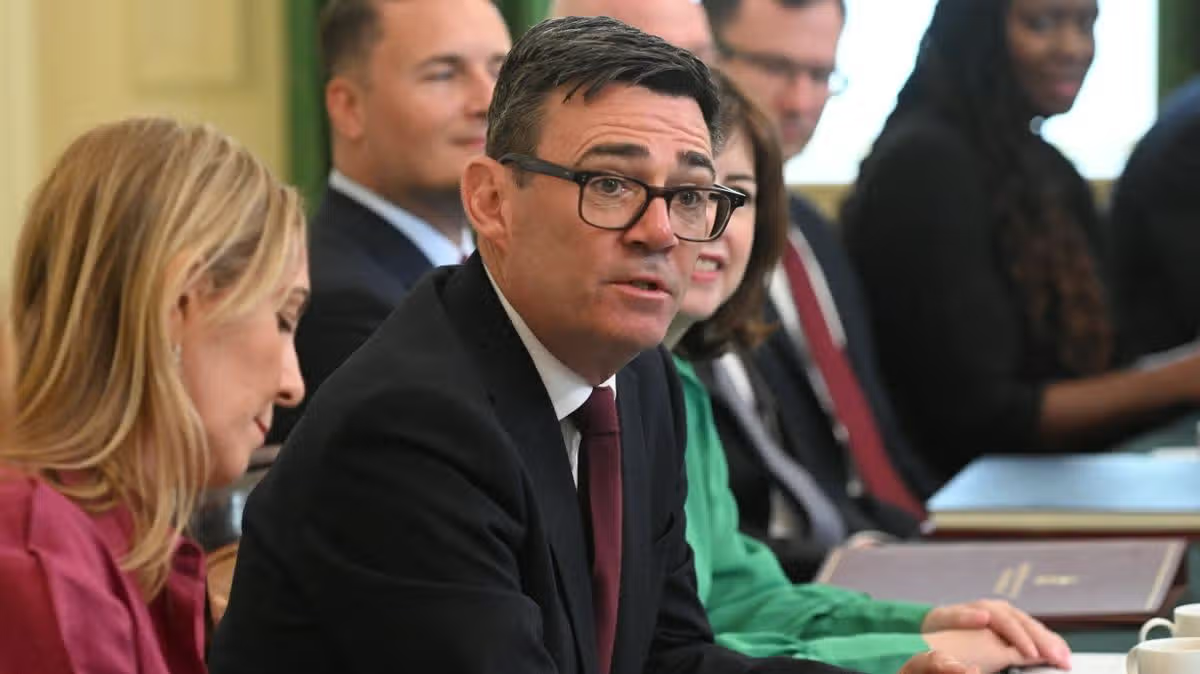
MoneyInflationInflation shows the rate at which the price of goods and services rises over time07:01, 22 Jul 2026Updated 07:37, 22 Jul 2026UK inflation fell to a 15-month low in an early boost for new Prime Minister Andy Burnham.The rate of inflation fell to 2.6% in June, down from 2.8% in May. This marks the lowest level since March 2025 and is better than the 2.7% that had been expected by most economists.The Office for National Statistics (ONS) said the fall is down to a drop in fuel and food prices. The average price of diesel fell by 10.7p per litre between May and June, to 176.4p, while petrol dropped by 2.1p per litre, to 155.3p.Grant Fitzner, chief economist at the ONS, said: "A fall in motor fuel prices, particularly diesel, helped ease inflation in June.Content cannot be displayed without consent"Food prices fell this month, driven by products including chocolate, margarine and beef. Clothing prices also fell with the start of summer sales, with bigger discounts than last year.“The cost of raw materials dipped for the first time since January, mainly due to the lower price of crude oil, while the increase in the costs of goods leaving factories slowed again.”But analysts say the relief is likely to be temporary, and are forecasting a jump in inflation in July, after energy bills went up. The Ofgem price cap increased by 13% at the start of this month.Sanjay Raja, chief UK economist for Deutsche Bank, said: “While we’re nowhere close to the peaks seen during the height of the Iran conflict, the energy disinflation path remains uncertain.“The latest inflation data comes after Mr Burnham announced a VAT cut on electricity bills from October, plus a £2 bus fare cap from January.Newly appointed Chancellor John Healey said: “Falling inflation is news families want to hear but there is much more to do to give people the breathing space they need.“That is why yesterday we cut VAT on electricity bills and today we’re announcing a £2 cap on bus fares from January.“We have chosen to focus on the cost of living in our first week, signalling that concern for working people will be at the heart of everything we do.“Both these changes are a win-win. They help keep inflation down while helping people afford the essentials.”Article continues belowInflation shows the rate at which the price of goods and services rises over time. For example, if the rate of inflation is 3%, then something that cost £100 last year, would cost £103 now.When inflation falls, it does not mean that prices have stopped rising - they are just going up more slowly then before.The Bank of England has a target of 2% inflation and uses interest rates as a way of keeping price rises under control.Choose Daily Mirror as a 'Preferred Source' on Google News for quick access to the news you value.Interest ratesPrice risesInflationBreaking News
Inflation falls to 2.6% in early boost for new PM Andy Burnham
Inflation shows the rate at which the price of goods and services rises over time
481 words~2 min read