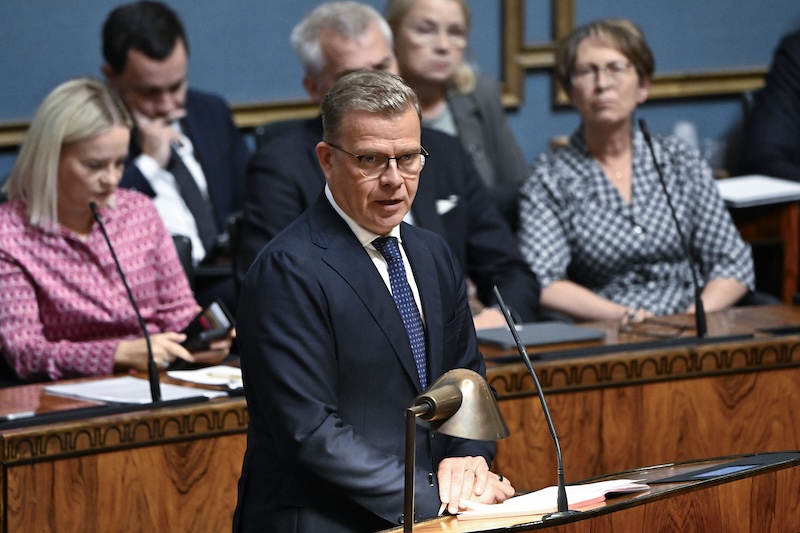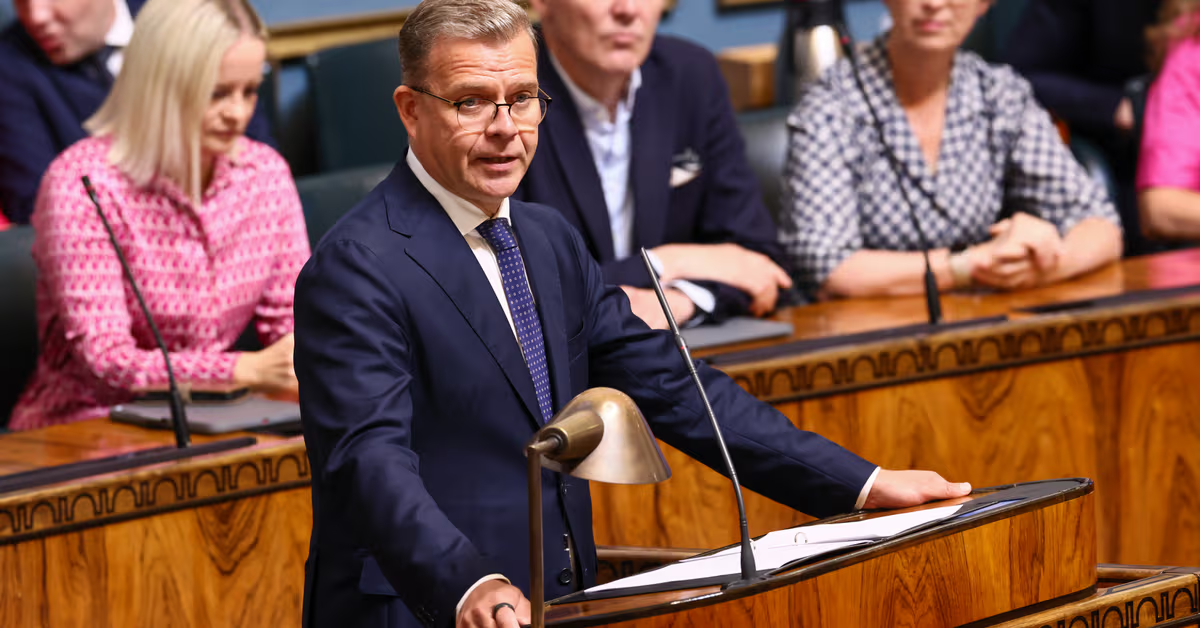
Parliament backed both Prime Minister Petteri Orpo and his government after a nine-hour extraordinary debate over the Garden Helsinki funding controversy.During the debate, the Prime Minister said all documents related to the Garden Helsinki project have now been made public and argued there should be no further leaks. Image: SAARA PELTOLA / LehtikuvaYle News8:08Prime Minister Petteri Orpo (NCP) and his government have survived votes of no confidence following an extraordinary parliamentary session over the Garden Helsinki project funding decision.Parliament voted 101–90 to back Orpo and then gave the government its confidence by the same margin. The votes followed around nine hours of debate, during which MPs delivered more than 180 speeches.The opposition had tabled motions of no confidence, arguing the government's handling of the proposed 35-million-euro conditional funding package had undermined public trust.Orpo defended the decision, saying the funding had been intended to support Finland's struggling construction sector, create jobs and boost economic growth. He also denied that election donations to the National Coalition Party had played any role in the government's decision-making.During the closing stages of the debate, Foreign Minister Elina Valtonen (NCP) defended the government's actions, saying Finland needs projects that strengthen Helsinki's international attractiveness and insisting the Garden Helsinki proposal had progressed through objective decision-making processes.Valtonen added that clearer, more transparent criteria should be established for future projects to avoid similar controversies.Debate continued after voteThe discussion continued after the parliamentary session, with MPs and political commentators debating the implications of the Garden Helsinki controversy in Yle's A-studio.Social Democratic MP Tytti Tuppurainen argued that the affair had weakened public confidence in political decision-making, while Finns Party MP Joakim Vigelius said there was no basis to bring down the government based on the information currently available, adding that the situation could be reassessed if the Chancellor of Justice later finds fault with the decision-making process.Political analysts also suggested the controversy could have longer-term consequences. University researcher Jenni Karimäki said the case may have increased public suspicion towards politicians, while Iltalehti political editor Juha Ristamäki noted that the debate had at least brought the issue into the open.
Orpo wins confidence vote after Garden Helsinki controversy
Parliament backed both Prime Minister Petteri Orpo and his government after a nine-hour extraordinary debate over the Garden Helsinki funding controversy.
348 words~2 min read