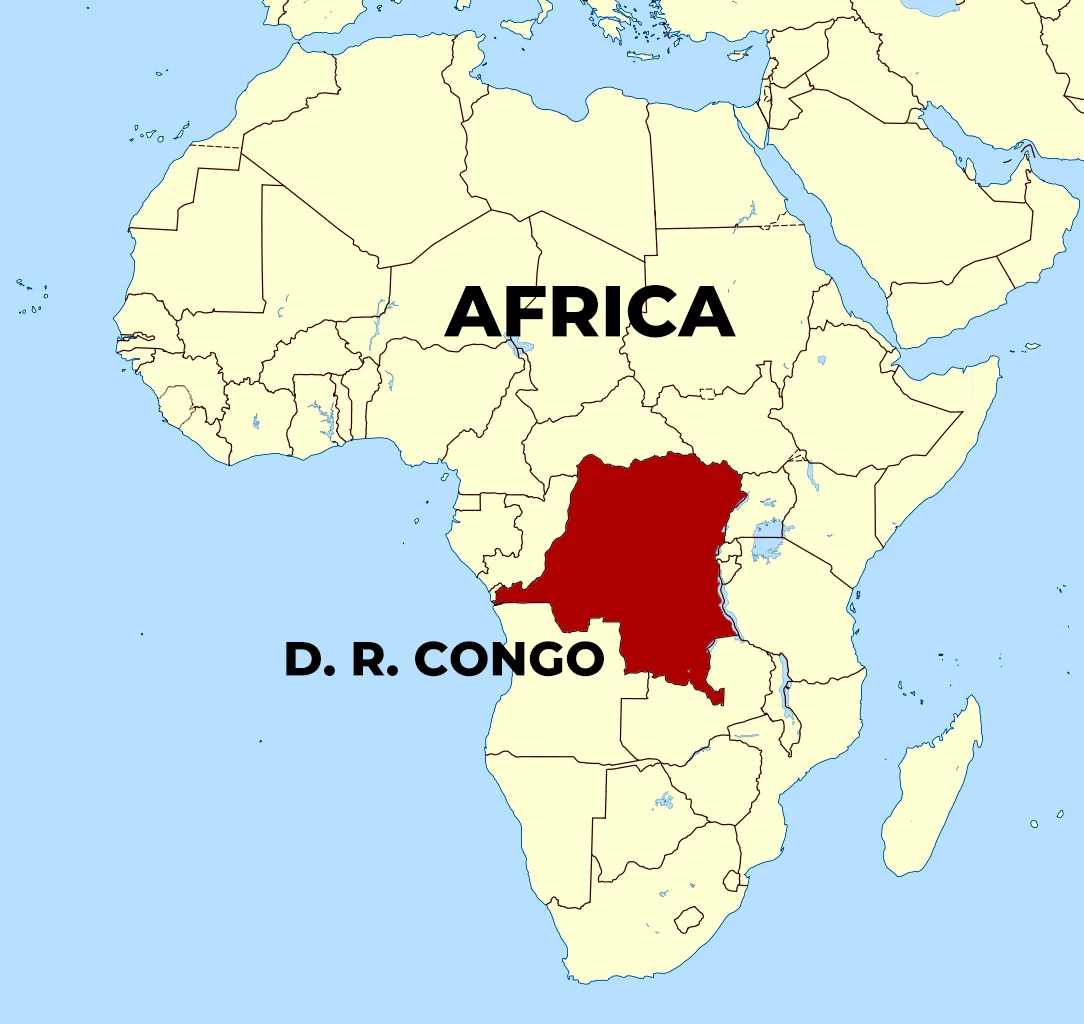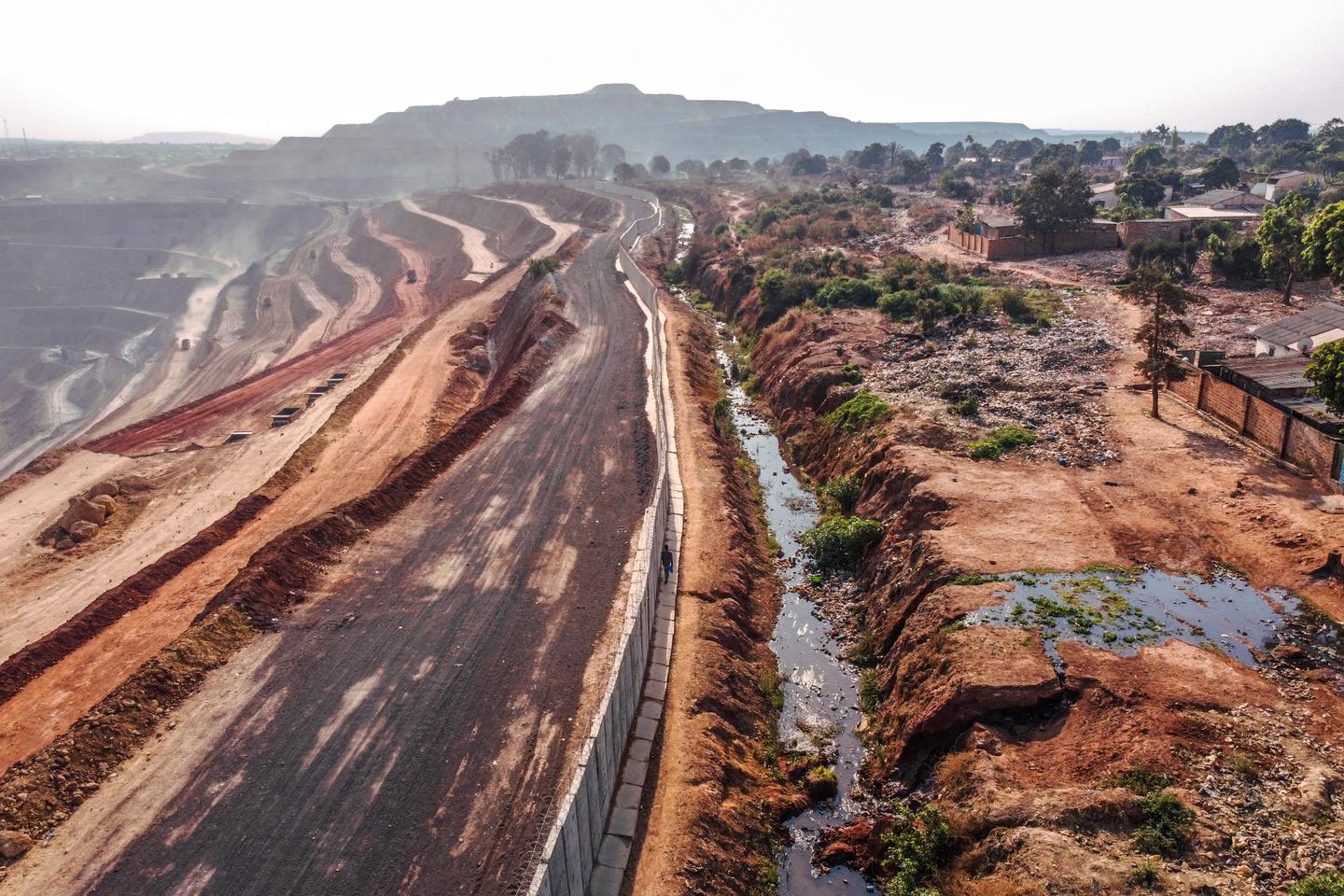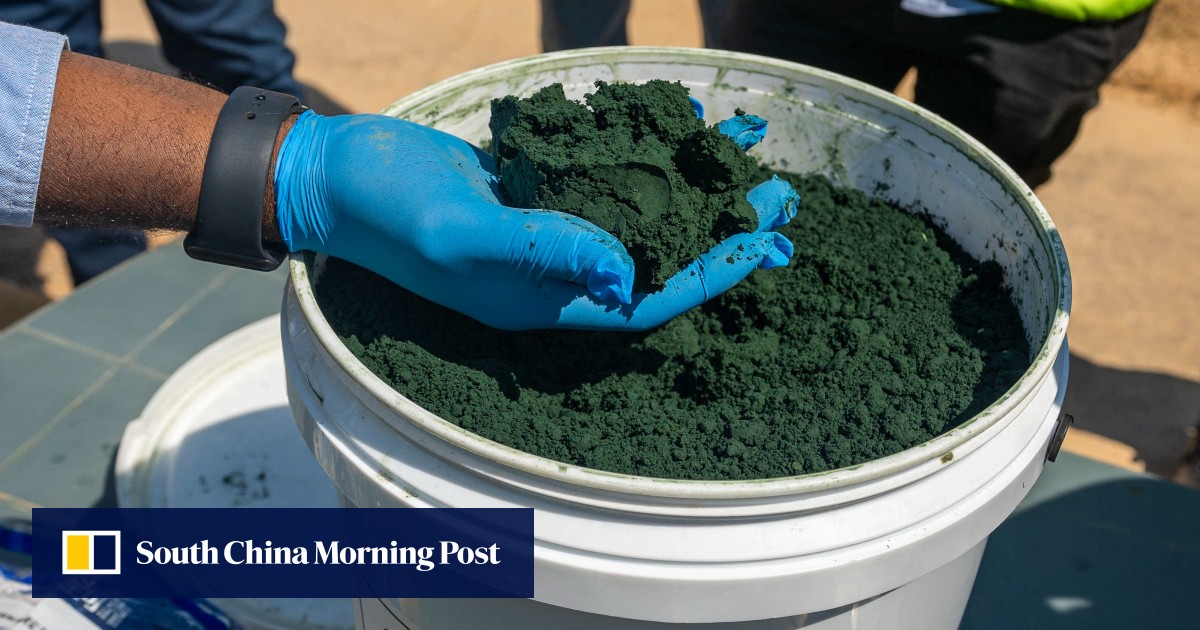
In early December, the Democratic Republic of Congo (DRC) entered a strategic partnership with the United States, allowing preferential U.S. access to its copper, cobalt, and lithium in return for American security guarantees. This agreement came after Congolese President Felix Tshisekedi reached out to the White House in February to propose mineral access in exchange for U.S. support in brokering peace with Rwanda, though a resolution to the 30-year conflict in eastern Congo remains distant. This deal signals a wider trend of resource-rich nations leveraging their mineral wealth for enhanced security, diplomatic weight, and strategic clout on the global stage [para. 1][para. 2][para. 3].This trend is part of an intensifying wave of resource nationalism, with countries across Africa, Latin America, and Asia seeking to rewrite the rules for mining investment by demanding higher state ownership, increased taxes, and local processing of resources, rather than exporting raw materials. The legal firm Zhong Lun highlighted in September 2025 that this phase is marked by unprecedented use of fiscal and regulatory tools to ensure greater local benefits [para. 4][para. 5][para. 6].For China, which has become the largest processor, consumer, and foreign investor in global minerals, tightening resource control by supplier countries complicates its supply chains. Chinese companies like Ganfeng Lithium Group and Tianqi Lithium Corp. have already faced nationalizations and stake dilutions in Mexico and Chile, while the U.S. and its allies speed up the creation of alternative supply arrangements to reduce reliance on Chinese processing [para. 7][para. 8].As the global economic transition shifts from being fuel-driven to mineral-driven, the strategic importance of metals like copper, cobalt, and lithium is rapidly increasing. This surge is propelled by demand in renewable energy, electric vehicles, and artificial intelligence. Prices for metals such as copper and gold soared to record levels in 2025, underlining their growing importance. The DRC exemplifies these dynamics, holding nearly 55% of the world’s cobalt reserves and producing over 70% globally. Beginning in 2018, the Congo strengthened its mining laws and in 2025 implemented a cobalt export quota to encourage domestic processing [para. 9][para. 10][para. 11][para. 12][para. 13][para. 14].Western governments, wary of heavy dependence on foreign minerals, have made critical mineral supply a strategic priority. The U.S. National Security Strategy in 2025 stressed the vulnerability of mineral reliance, prompting a push to diversify sources. Still, China dominates mineral processing, refining over 70% of the world’s lithium and 90% of rare earths, making a complete decoupling unlikely but intensifying competition for resources [para. 15][para. 16][para. 17][para. 18][para. 19][para. 20][para. 21][para. 22].Countries like Indonesia, Zimbabwe, and Namibia are redefining resource management by banning exports of unprocessed ores and mandating domestic value addition. The DRC, Mali, and Guinea have increased state ownership requirements and raised taxes, while countries such as Mexico and Chile have moved towards outright nationalization or state control of key sectors [para. 23][para. 24][para. 25][para. 26][para. 27][para. 28][para. 29][para. 30][para. 31][para. 32][para. 33][para. 34].Despite these ambitions, many resource-rich nations lack the technical, institutional, or infrastructural capacity to manage complex projects, which sometimes leads to policy instability or public backlash, as seen in Panama and Mali. For investors, this evolving landscape means reassessing risks, with cooperation and local partnerships becoming increasingly important to reducing operational challenges. Ultimately, the shape and future of resource nationalism will depend on the ability of countries to balance their ambitions with realistic capacity and patient industrial development [para. 35][para. 36][para. 37][para. 38][para. 39][para. 40][para. 41][para. 42][para. 43][para. 44][para. 45][para. 46][para. 47].AI generated, for reference only
Cover Story: How Resource Nationalism Is Redrawing the Global Mineral Playbook
From Africa to Latin America, resource-rich countries are rewriting the rules of mining, forcing China and the U.S. to navigate a very different landscape
577 words~3 min read